

Delaware, the "First State," is a critical link in the Atlantic Flyway, a superhighway for millions of birds traveling between North and South America. Its diverse landscape—from the tidal marshes and coastal beaches of the Delaware Bay to the agricultural fields and northern forests—provides essential habitat for an incredible variety of avian life. Birdwatching in Delaware offers year-round excitement, featuring common backyard favorites, spectacular migratory crowds, and the thrilling possibility of a rare, unexpected visitor.
This article explores the avian diversity of Delaware by spotlighting 15 notable species, categorized by their typical presence in the state: Common, Migratory, and Rare.
Common Residents: Familiar Faces
These birds are year-round fixtures in Delaware's ecosystems, easily spotted in backyards, parks, and woodlands. They exemplify the state's permanent avian population.
1. Northern Cardinal (Cardinalis cardinalis)
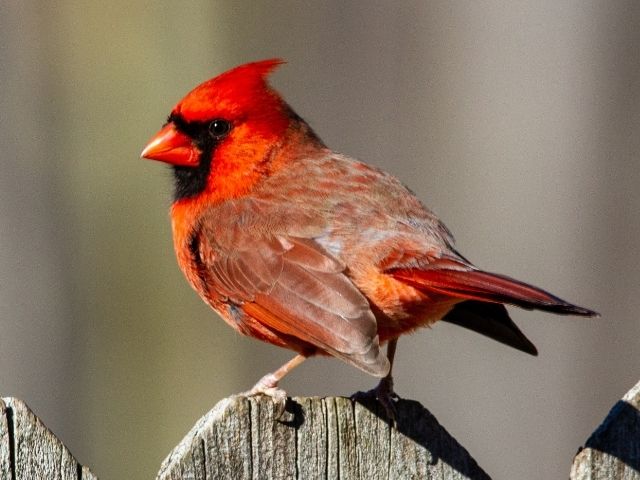
The Northern Cardinal is perhaps the most instantly recognizable bird in Delaware. The male's brilliant red plumage and distinctive crest make it a favorite sight, especially against a snowy backdrop. Both sexes are noted for their rich, melodic song, which they sing year-round. They are commonly found in shrubby areas, dense thickets, and suburban yards.
2. Carolina Wren (Thryothorus ludovicianus)

Small but mighty, the Carolina Wren is known for its loud, ringing song, often described as "tea-kettle, tea-kettle, tea-kettle!" It is an active, rusty-brown bird that often holds its short tail cocked upright. These wrens are non-migratory and are common across the state in tangled undergrowth, forests, and around human dwellings.
3. Tufted Titmouse (Baeolophus bicolor)
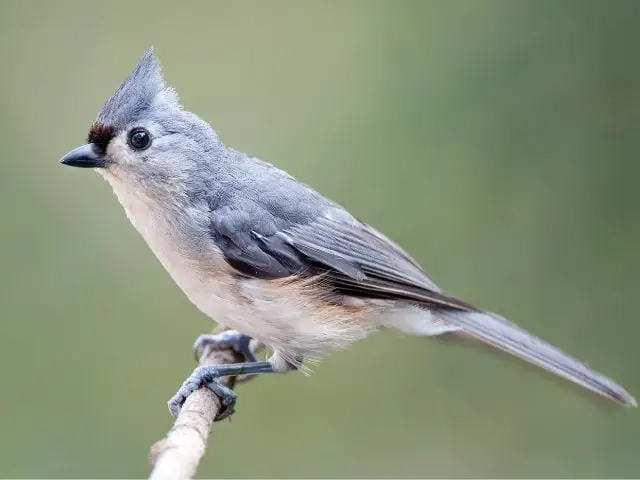
A charming, gray songbird with a prominent crest and large black eyes, the Tufted Titmouse is a familiar visitor to backyard feeders, often seen hoarding seeds. Its call is a loud, whistled "peter-peter-peter." As a common resident, it's a staple of Delaware’s deciduous and mixed forests.
4. Mourning Dove (Zenaida macroura)

The soft, gentle cooing of the Mourning Dove is a quintessential summer sound, though they reside in Delaware all year. These slender, long-tailed doves are pale gray-brown and are often seen foraging for seeds on the ground or perched on utility wires.
5. Great Blue Heron (Ardea herodias)

Delaware's wetlands and waterways host the stately Great Blue Heron, a massive wading bird often seen standing motionless in shallow water, patiently stalking fish and amphibians. It's a year-round resident in the milder parts of the state, though some may migrate south during harsh winters. Their impressive size and slow, deliberate flight make them impossible to miss near coastal marshes or inland rivers.
Seasonal Travelers: The Migratory Throng
As part of the Atlantic Flyway, Delaware is a critical stopover and nesting ground for numerous migratory species. The Delaware Bay, in particular, hosts world-famous concentrations of shorebirds.
6. Red Knot (Calidris canutus rufa)

Few birds are more emblematic of Delaware’s migratory significance than the Red Knot. This medium-sized shorebird undertakes one of the longest migrations of any species, traveling from the Canadian Arctic to Tierra del Fuego. Its spring migration stopover at the Delaware Bay is vital, where it gorges on the eggs of spawning Horseshoe Crabs to fuel the last leg of its journey. During this period, the knot is a stunning rusty-red color. The rufa subspecies is listed as threatened due to habitat and food source concerns.
7. Osprey (Pandion haliaetus)
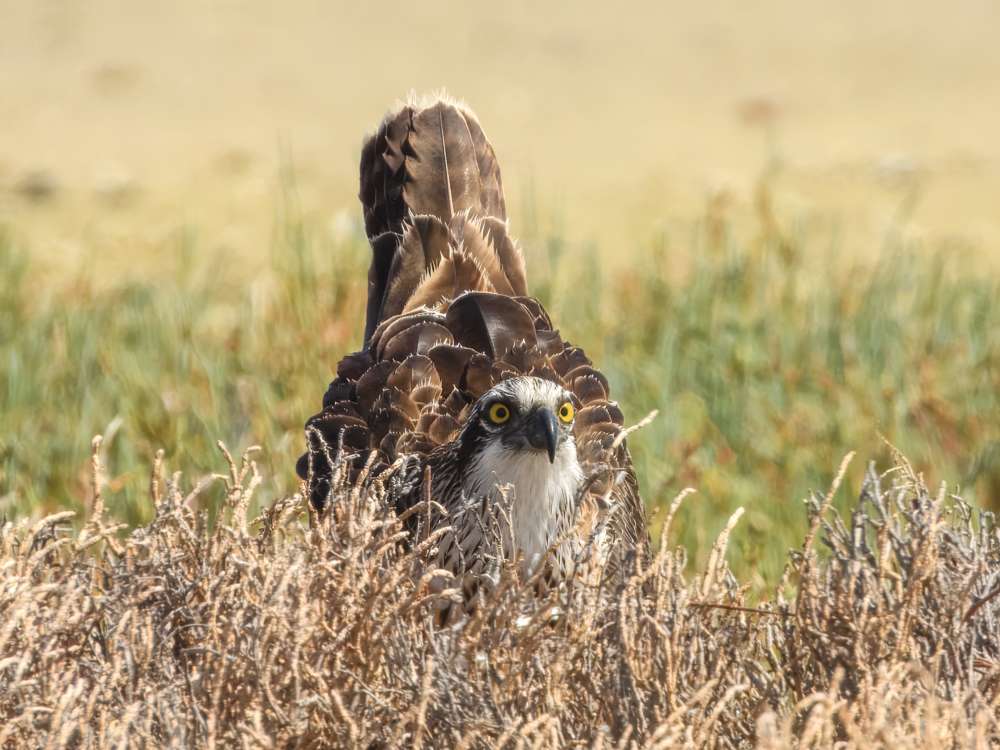
The Osprey, or "fish hawk," is a large raptor that returns to Delaware’s coastal areas and major rivers each spring to breed, arriving from its wintering grounds in Central and South America. They are powerful hunters, easily identified by their white head with a dark stripe through the eye, and the characteristic way they plunge feet-first into water to catch fish.
8. Snow Goose (Anser caerulescens)

In the late fall and winter, the sky over Delaware’s major wildlife refuges, like Bombay Hook, is often filled with the sight and sound of massive flocks of Snow Geese. These white geese, with black wingtips, arrive in the thousands from their Arctic breeding grounds, creating a spectacular display as they feed in coastal fields and marshes.
9. Ruby-throated Hummingbird (Archilochus colubris)
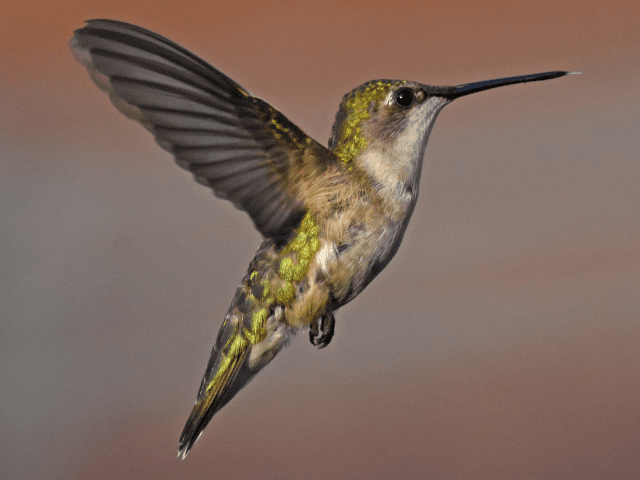
The Ruby-throated Hummingbird is a dazzling jewel of the summer months, arriving from Central America to breed. This tiny bird is the only hummingbird species commonly found in Delaware and is a delightful visitor to gardens with nectar-rich flowers or feeders. They depart in late summer/early fall for their incredible journey south, often crossing the Gulf of Mexico in a single flight.
10. Baltimore Oriole (Icterus galbula)
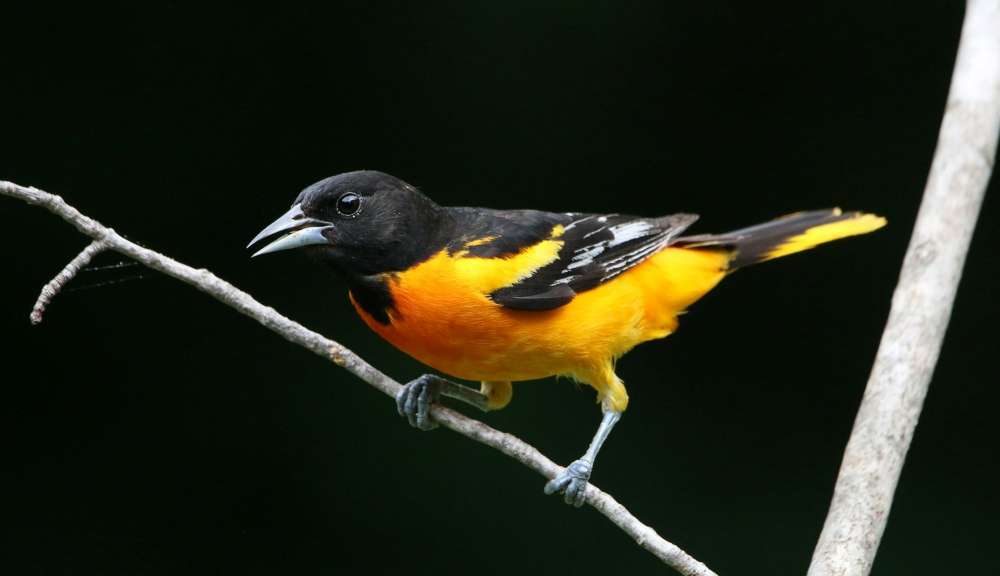
A stunning flash of orange and black, the male Baltimore Oriole announces its return to Delaware's woodlands and suburban parks in late spring. These songbirds breed in the state and build distinctive, woven, hanging nests high in deciduous trees. They feed on insects, fruit, and nectar before migrating back to Central and South America for the winter.
Rare and Accidental Visitors: The Thrill of the Unexpected
Delaware's location on a major flyway and its coastal environment mean that vagrants—birds blown off course or extending their range—occasionally appear, exciting birders.
11. Slaty-backed Gull (Larus schistisagus)
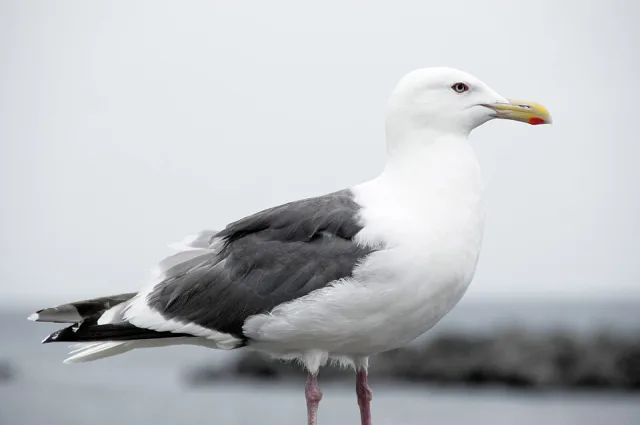
The Slaty-backed Gull is a perfect example of an accidental visitor. Native to the North Pacific and East Asia, a sighting in Delaware represents a truly remarkable vagrant far outside its normal range. When one appears, usually mixing with flocks of more common gulls, it draws birders from across the region, making it a highly sought-after rarity.
12. Painted Bunting (Passerina ciris)
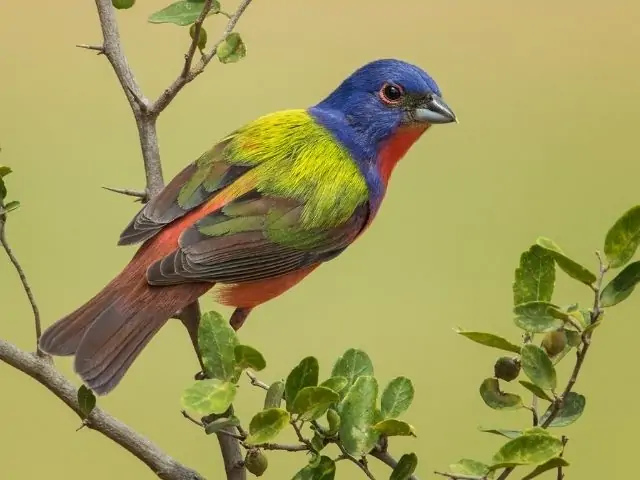
While it breeds in the southern US, the Painted Bunting occasionally appears as a vagrant in Delaware, typically in the fall or winter. The male's kaleidoscope of blue head, green back, and red rump makes it one of North America's most colorful birds. Such sightings are infrequent and always cause excitement.
13. Snowy Owl (Bubo scandiacus)
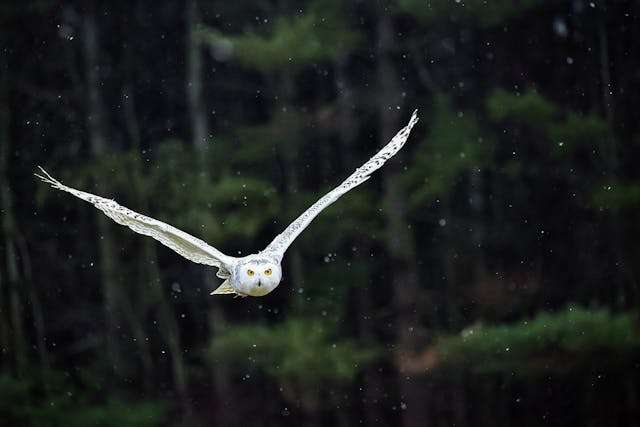
The majestic Snowy Owl is an irruptive species, appearing in Delaware only during certain winter seasons when lemming populations crash in their Arctic home. During these "irruption years," they can be spotted on coastal dunes, jetties, or fields, often a spectacular sight far from their frozen tundra habitat.
14. American Avocet (Recurvirostra americana)

Though more common in the western US, the American Avocet is an occasional visitor to Delaware's mudflats and shallow wetlands. Distinguished by its long, thin, upturned bill and black-and-white wing pattern, its appearance is irregular and its distinctive feeding behavior—sweeping its bill side-to-side—makes it a notable rarity along the Atlantic coast.
15. Black Rail (Laterallus jamaicensis)
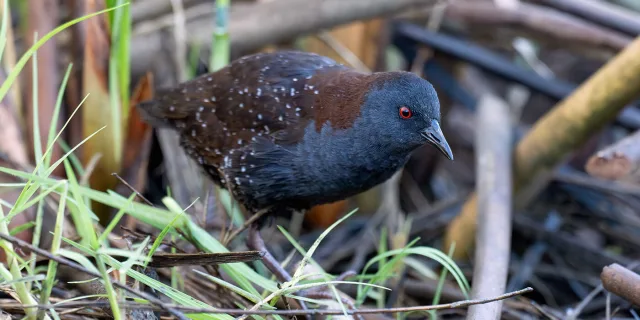
The Black Rail is a small, secretive marsh bird that, while technically a resident and breeder in Delaware’s coastal marshes, is exceptionally rarely seen due to its elusive nature and severely declining population. It is one of the most difficult birds to detect in North America, often only identified by its distinct "kick-kee-doo" call at night. Its presence here underscores the critical importance of protecting Delaware's threatened coastal wetlands.
A Birder's Paradise
From the bustling activity of the Northern Cardinal at a backyard feeder to the breathtaking sight of a Red Knot fueling up on the bay, Delaware offers a rich and accessible birding experience. The state's commitment to conservation, particularly in its National Wildlife Refuges and State Parks, ensures that it will remain a vital stopover for the migratory spectacle and a permanent home for countless common species. The possibility of spotting a rare visitor, like a distant Slaty-backed Gull, adds a layer of anticipation, cementing Delaware's reputation as a true avian haven on the Atlantic Flyway.
