

Connecticut, often called "The Constitution State," is a surprisingly vital link in the Atlantic Flyway, the major migratory route for millions of birds traversing the eastern United States. From the dense northern hardwood forests to the coastal salt marshes along Long Island Sound, the state offers a diverse mosaic of habitats that support a rich avifauna. With over 450 species recorded, Connecticut provides birders with year-round opportunities to witness both the familiar residents of their backyards and the spectacular, sometimes rare, visitors passing through.
Common Residents: Year-Round Staples
These seven species are the familiar faces of Connecticut, easily spotted in backyards, parks, and forests regardless of the season. They have adapted to the state's changing climate, providing color and song even during the coldest winter months.
1. American Robin (Turdus migratorius)
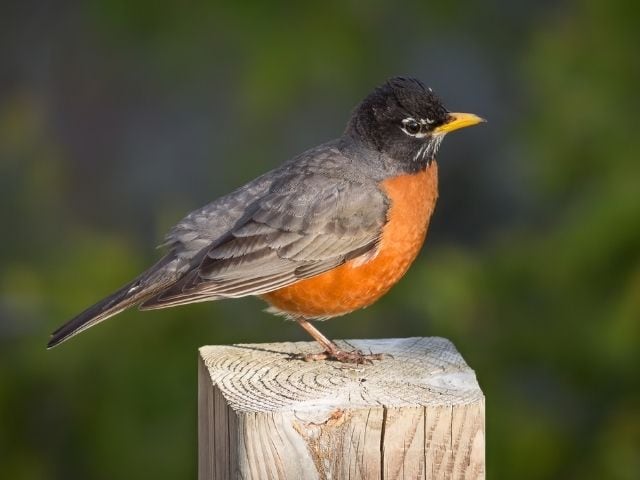
The State Bird of Connecticut, the American Robin, is perhaps the most ubiquitous thrush in North America. While historically considered a migratory species, a significant portion of the population remains in New England year-round, flocking to wooded areas to feed on winter berries. Its bright rusty-red breast and cheerful, caroling song are definitive signs of spring, even if the bird never actually left. They are highly adaptable, thriving in urban lawns, suburban gardens, and deep forests.
2. Black-capped Chickadee (Poecile atricapillus)
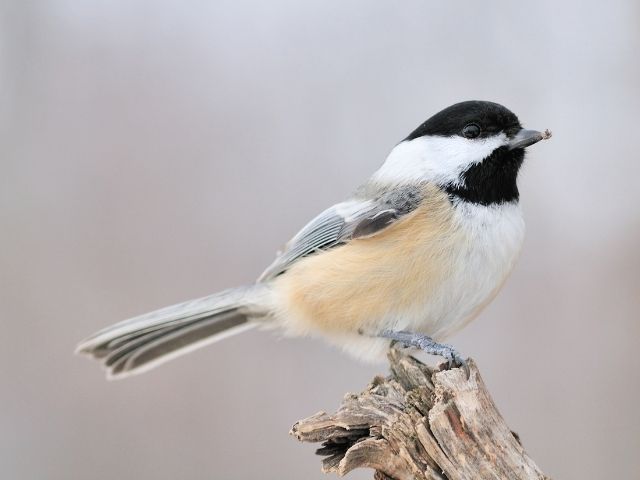
Small in stature but huge in personality, the Black-capped Chickadee is a hardy year-round resident. Instantly recognizable by its black cap and bib and fluffy white cheeks, it is known for its ability to cache food and for its signature, complex “chick-a-dee-dee-dee” call. In winter, they are a welcome sight at feeders, often dominating the airspace through sheer confidence.
3. Northern Cardinal (Cardinalis cardinalis)

The brilliant crimson plumage of the male Northern Cardinal provides a stunning splash of color against a snowy Connecticut landscape. These unmistakable birds are common visitors to feeders, where they prefer sunflower seeds. Their metallic, whistling song is one of the first sounds of dawn, and unlike many songbirds, the female also sings, often while sitting on the nest.
4. Blue Jay (Cyanocitta cristata)
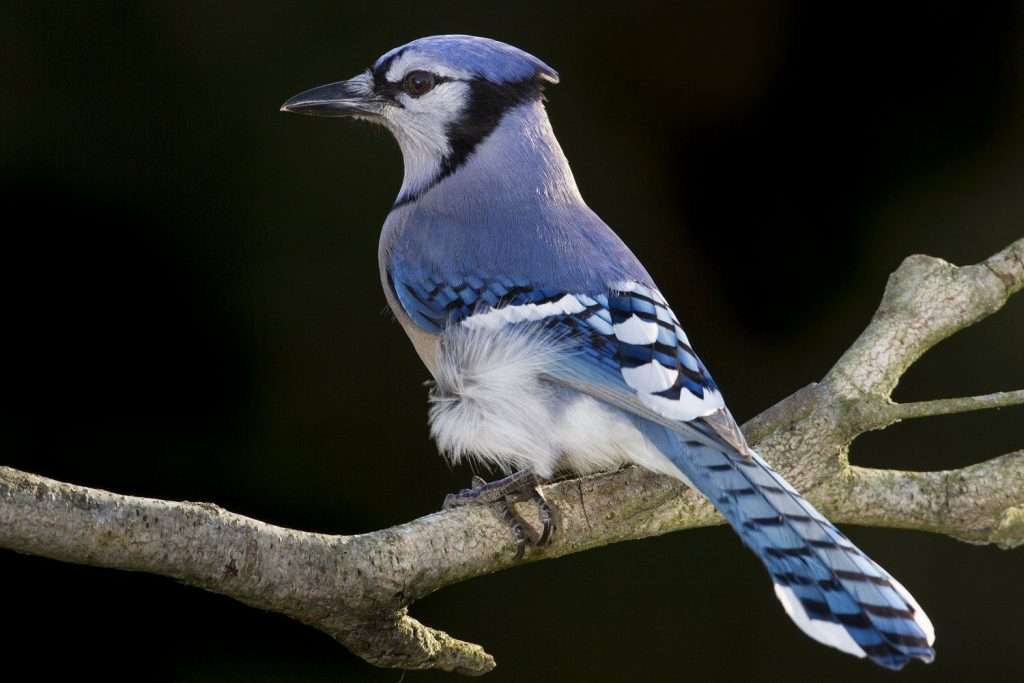
A large, crested songbird famous for its stunning blue, black, and white plumage and its loud, varied calls. Blue Jays are omnivorous and play a crucial ecological role by dispersing the seeds of oak trees, as they frequently cache acorns for later consumption. They are highly intelligent, complex, and intensely social birds of the eastern forests.
5. Mourning Dove (Zenaida macroura)
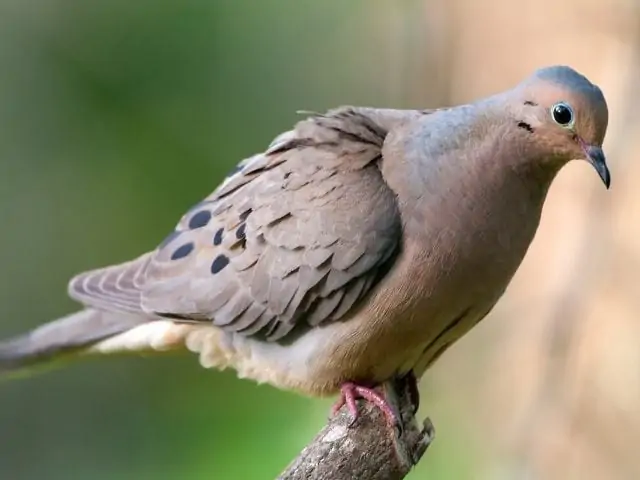
With their slender bodies, soft gray-brown plumage, and distinctive, mournful “coo-coo-coo” call, Mourning Doves are a fixture in open woodlands and suburban areas. They are prolific breeders, often raising multiple broods in a year. They are one of the most widespread and common birds across the entire continent, easily identified by their pointed tails during flight.
6. Downy Woodpecker (Dryobates pubescens)
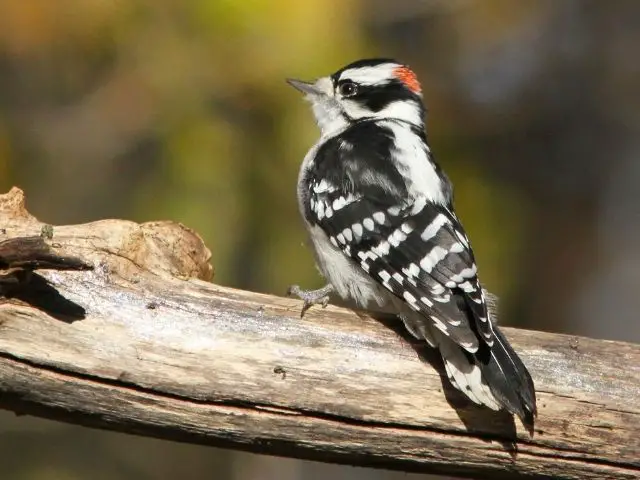
The smallest and most common woodpecker in Connecticut, the Downy Woodpecker is a year-round resident of wooded areas, parks, and backyards. It’s easily distinguished from the very similar Hairy Woodpecker by its smaller size and shorter bill. Males have a small red patch on the back of their head. They are frequent visitors to suet feeders, a reliable source of fat and protein in the winter.
7. Tufted Titmouse (Baeolophus bicolor)
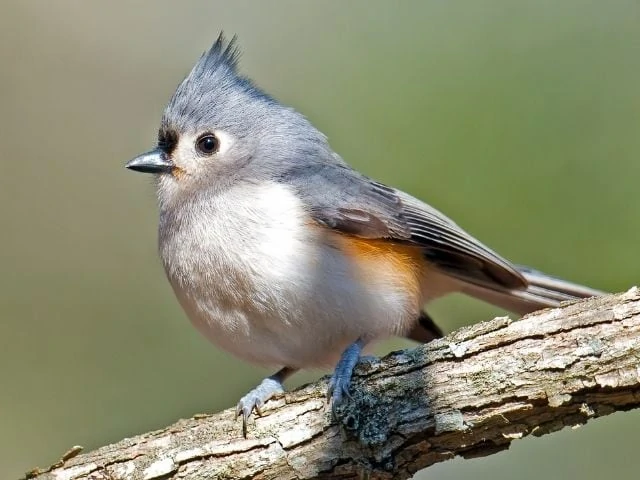
A close relative of the chickadee, the Tufted Titmouse is a small, gray bird with a prominent crest and large black eyes. Its name comes from its nasal, repetitive, whistled “peter-peter-peter” call. They are expanding their range northward and have become a consistent and charming presence in Connecticut's deciduous forests and suburban yards.
Seasonal Migrants: The Pulse of the Flyway
These five species utilize Connecticut as a vital stopover or a key breeding location along the Atlantic Flyway. Their arrival and departure signal the changing seasons.
8. Ruby-throated Hummingbird (Archilochus colubris)
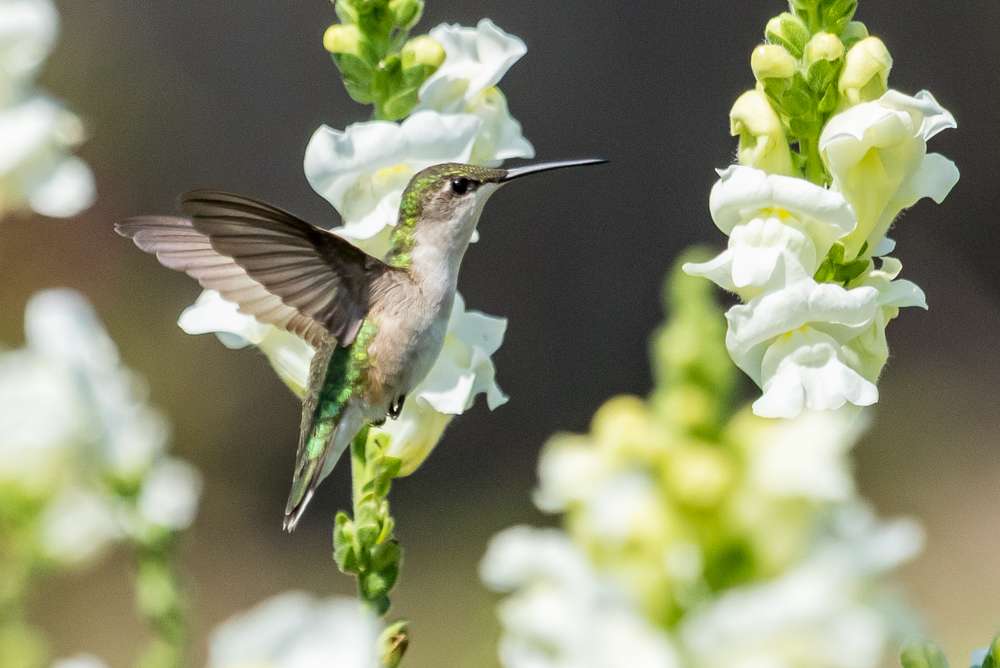
The only hummingbird species that regularly breeds in eastern North America, the Ruby-throated Hummingbird is a dazzling migrant. Arriving in Connecticut in late April or early May, they spend the summer feeding on nectar from flowers and feeders and capturing tiny insects. The male's iridescent ruby-red throat is only visible when the light catches it perfectly. They undertake an astonishing non-stop flight across the Gulf of Mexico on their journey south to wintering grounds in Central America.
9. Baltimore Oriole (Icterus galbula)

Known for the striking, fiery orange and black plumage of the male, the Baltimore Oriole is a welcomed sight upon its arrival in early May. They breed in open deciduous woodlands, often choosing tall trees like elms and maples, where the female weaves a remarkable pendulous, sock-like nest suspended from a high branch. They are often attracted to backyard feeders offering oranges, jelly, or nectar.
10. Black-throated Blue Warbler (Setophaga caerulescens)

This gorgeous Neotropical migrant warbler breeds in the mature, deciduous forests of Connecticut, particularly those with a dense understory of shrubs like mountain laurel. The male is unmistakable with his black throat and face, dark blue back, and prominent white wing patch. They are one of over 30 warbler species recorded in the state, making Connecticut a famous destination for spring migration birding.
11. Osprey (Pandion haliaetus)
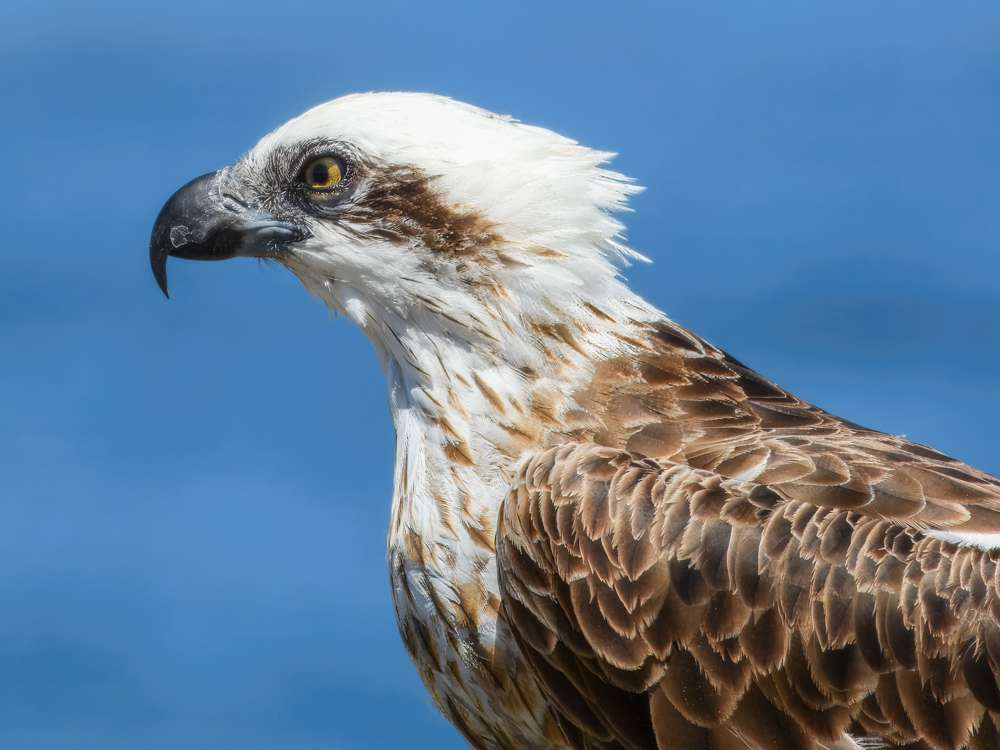
Once threatened by pesticide use (DDT), the Osprey has made a remarkable recovery in Connecticut, thanks to conservation efforts, including the installation of nesting platforms. This majestic raptor, a specialized fish-eater, is a common sight along the state's coast, rivers, and large lakes during the breeding season (March to September). Their large, stick nests are often visible atop utility poles, navigational buoys, and dead trees.
12. Great Egret (Ardea alba)
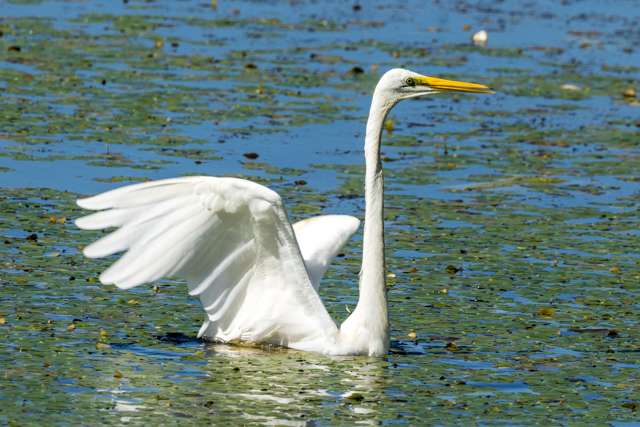
A symbol of successful early conservation, the Great Egret is a stunning wading bird, easily identified by its all-white plumage, long black legs, and yellow bill. They visit Connecticut's coastal marshes and tidal flats during the warmer months, often breeding in colonies (rookeries) with other heron species. They stalk fish and amphibians with a slow, deliberate grace before striking with a sudden jab of their long neck and bill.
Rare and Accidental: The Thrill of the Chase
These three species are considered rare or accidental in Connecticut, with sightings being a cause for significant excitement among the state's birding community. They usually appear due to navigational errors, weather events, or expanding ranges.
13. Painted Bunting (Passerina ciris)
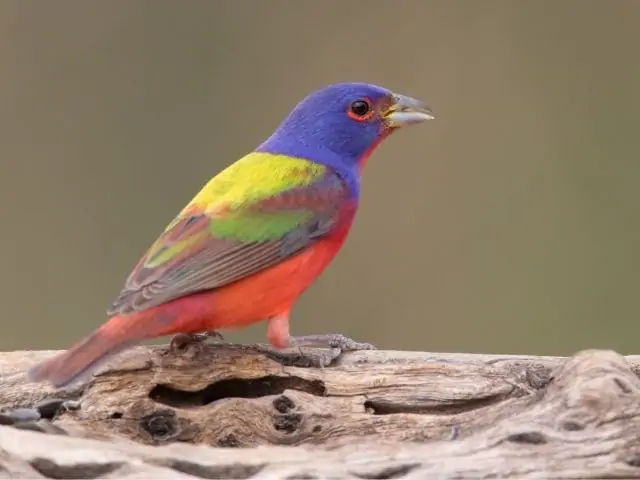
An unforgettable sight, the adult male Painted Bunting is arguably one of the most colorful birds in North America, with a vivid fusion of blue, green, yellow, and red plumage. This species primarily breeds in the deep southeastern and south-central US. Sightings in Connecticut, typically in the late fall or winter at a backyard feeder, are extremely rare. When one is spotted, it often draws birders from across New England, as documented sightings in places like Stamford can last for several weeks.
14. Glossy Ibis (Plegadis falcinellus)
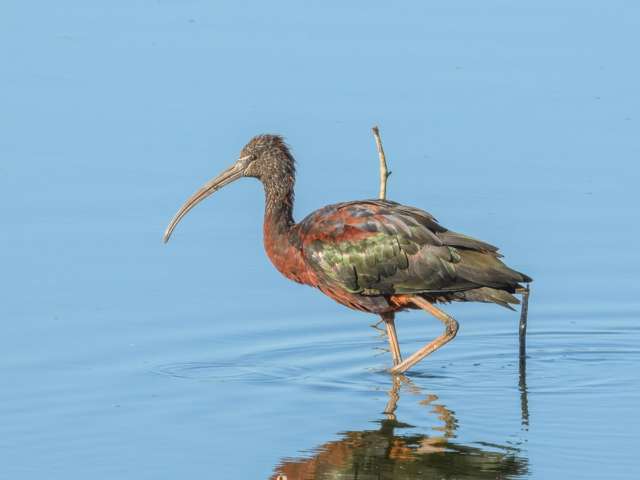
While not as rare as the Painted Bunting, the Glossy Ibis is an occasional visitor or a localized breeder along the Connecticut coast. This species is easily missed among other wading birds, but its sleek, dark, iridescent plumage, long, decurved bill, and tendency to forage in muddy, shallow water make it distinctive. Its name comes from the subtle green and purplish sheen of its dark brown feathers, which is only visible in good light.
15. Western Tanager (Piranga ludoviciana)
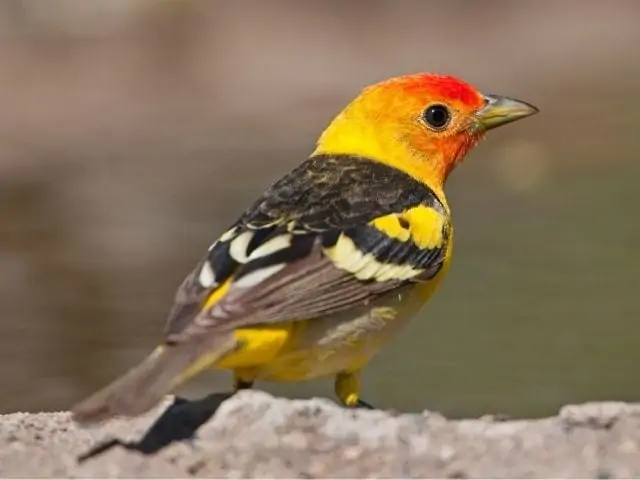
A true rarity for the Northeast, the Western Tanager is a brightly colored songbird whose breeding range is entirely in western North America. Males feature a bright red-orange head, yellow body, and black wings. Accidental sightings in Connecticut typically occur during the fall or winter when a young bird or an inexperienced migrant has flown far off course, providing a thrilling, if fleeting, opportunity for local birders.
Wrapping Up
The birds of Connecticut—from the common backyard robin to the strikingly rare Painted Bunting—illustrate the state's ecological importance as a resting, feeding, and breeding ground. Birders and nature lovers alike are continuously rewarded by the vibrant, dynamic pulse of life found within the state's forests, fields, and shores.
Hawks In Connecticut: 8 Majestic Bird Species In New England
