
Alaska, often called the Last Frontier, is also the first stop for many migratory birds traveling thousands of miles between continents. With more than 500 species recorded, Alaska boasts the richest avian diversity of any U.S. state, making it a prime destination for birders worldwide.
From the coastal fjords to the Arctic tundra, Alaska is home to birds found nowhere else in the country. This article profiles 15 species that reflect the state's vast and varied birdlife—split into common, migratory, and rare categories.
I. Common Birds of Alaska
These birds are reliably seen by residents and visitors alike in various habitats across the state, especially during the warmer months.
1. Bald Eagle (Haliaeetus leucocephalus)

Status: Common year-round resident
Habitat: Coastal areas, lakes, rivers, and estuaries
Notes: Alaska is home to more Bald Eagles than any other state. These majestic raptors nest in tall trees near water and can often be seen fishing or scavenging along coastlines.
2. Black-capped Chickadee (Poecile atricapillus)
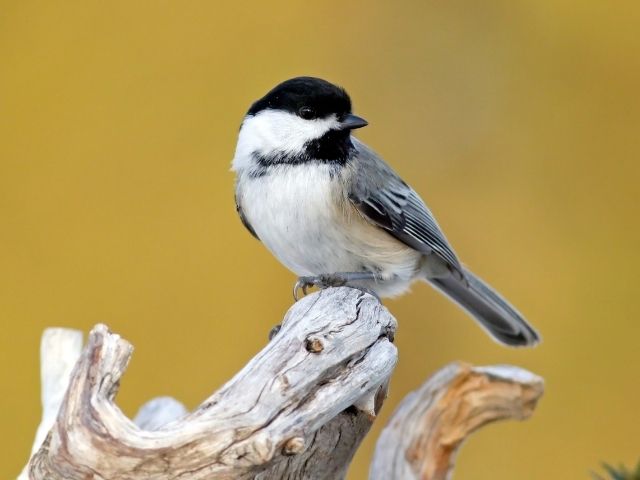
Status: Common, year-round resident
Habitat: Woodlands, suburbs, and boreal forests
Notes: This small, cheerful bird is a familiar face at feeders and forest edges. Its "chick-a-dee-dee-dee" call is unmistakable.
3. Common Raven (Corvus corax)

Status: Very common, year-round resident
Habitat: Found nearly everywhere—from tundra to towns
Notes: Intelligent and adaptable, ravens are cultural icons in Alaska Native folklore. They often scavenge near roads, dumps, and harbors.
4. Northwestern Crow (Corvus caurinus)

Status: Common along the southeast coast
Habitat: Coastal forests and beaches
Notes: Smaller than a raven, this coastal crow thrives in marine environments. It’s now often considered a subspecies or population of the American Crow.
5. Red-breasted Nuthatch (Sitta canadensis)
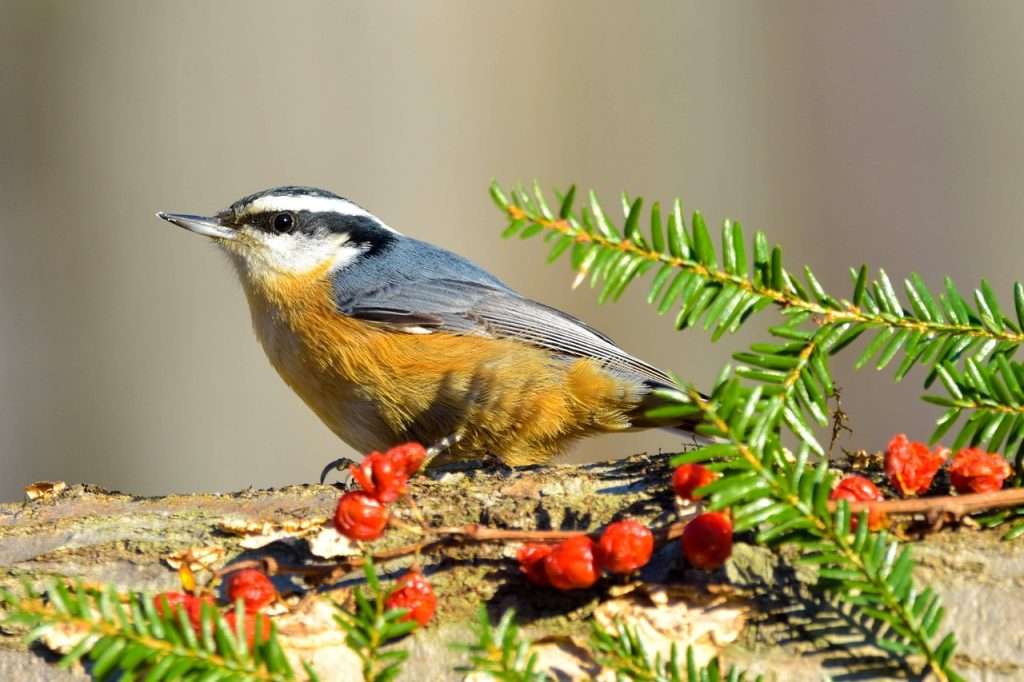
Status: Common in coniferous forests
Habitat: Spruce-dominated forests, parks, and gardens
Notes: Known for their nasal “yank-yank” calls and upside-down tree climbing, these birds are frequent feeder visitors in Alaskan backyards.
II. Migratory Birds of Alaska
These species breed in Alaska during the summer and migrate south for the winter, some traveling thousands of miles.
6. Arctic Tern (Sterna paradisaea)

Status: Summer breeder
Habitat: Coastal tundra, islands, and estuaries
Notes: This small seabird holds the world record for the longest migration—traveling over 25,000 miles annually between the Arctic and Antarctica.
7. Sandhill Crane (Antigone canadensis)

Status: Migratory, breeds in wetlands and tundra
Habitat: Marshes, wetlands, and boreal forests
Notes: Known for their bugling calls and graceful flight, large flocks of Sandhill Cranes pass through Alaska during migration. The Tanana Valley is a prime viewing location in spring and fall.
8. Yellow Warbler (Setophaga petechia)
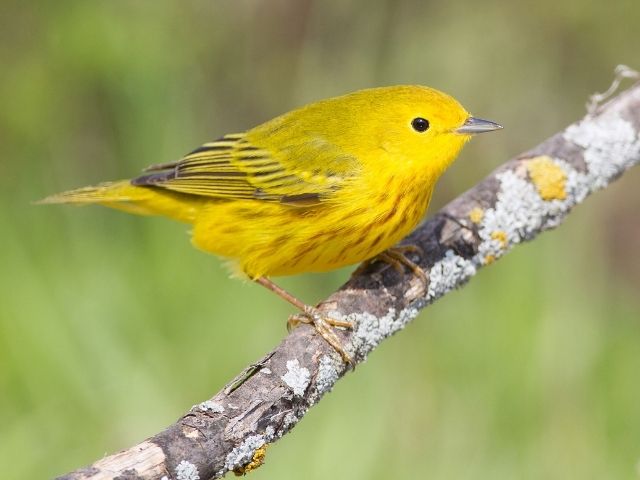
Status: Summer breeder
Habitat: Willow thickets, riparian zones
Notes: One of Alaska’s most common warblers, the bright yellow males sing sweet melodies throughout the breeding season in brushy habitats.
9. Swainson’s Thrush (Catharus ustulatus)
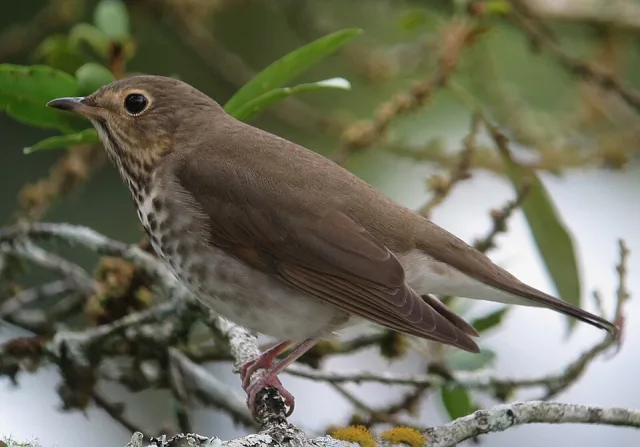
Status: Summer breeder
Habitat: Boreal forests and mixed woodlands
Notes: Often heard more than seen, their upward-spiraling song is a signature sound of Alaskan summers. They winter in South America.
10. Pacific Golden-Plover (Pluvialis fulva)
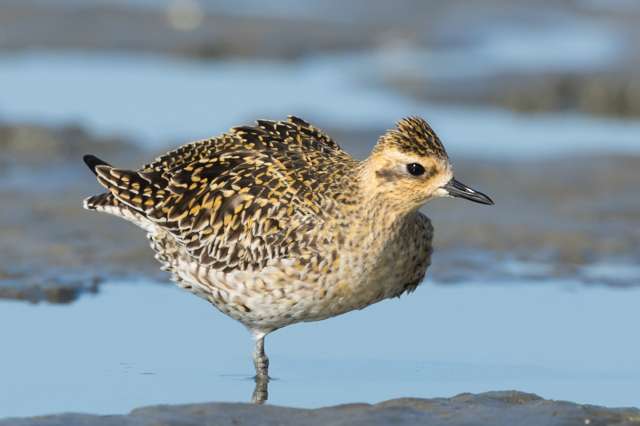
Status: Summer breeder on tundra
Habitat: Open Arctic and sub-Arctic tundra
Notes: This elegant shorebird nests in western Alaska and migrates to the Pacific Islands and Australia for winter—a journey of over 6,000 miles.
III. Rare or Unusual Birds of Alaska
Thanks to its proximity to Asia, Alaska occasionally receives rare vagrants from across the Bering Strait. Other species may be locally rare or declining due to environmental changes.
11. Steller’s Eider (Polysticta stelleri)
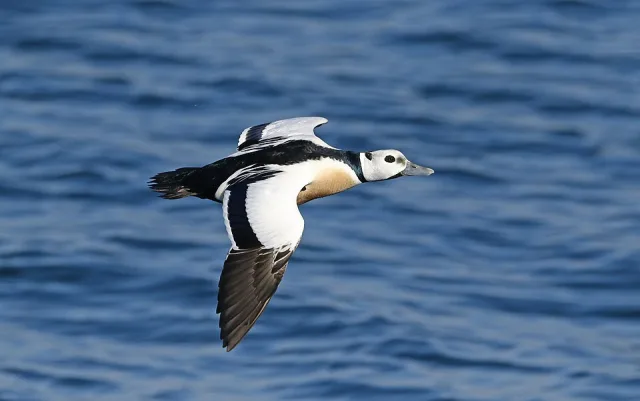
Status: Rare and declining breeder
Habitat: Coastal tundra and shallow lagoons
Notes: One of the smallest eiders, this endangered sea duck nests in remote tundra near the Bering Sea. Populations have declined significantly due to climate and habitat changes.
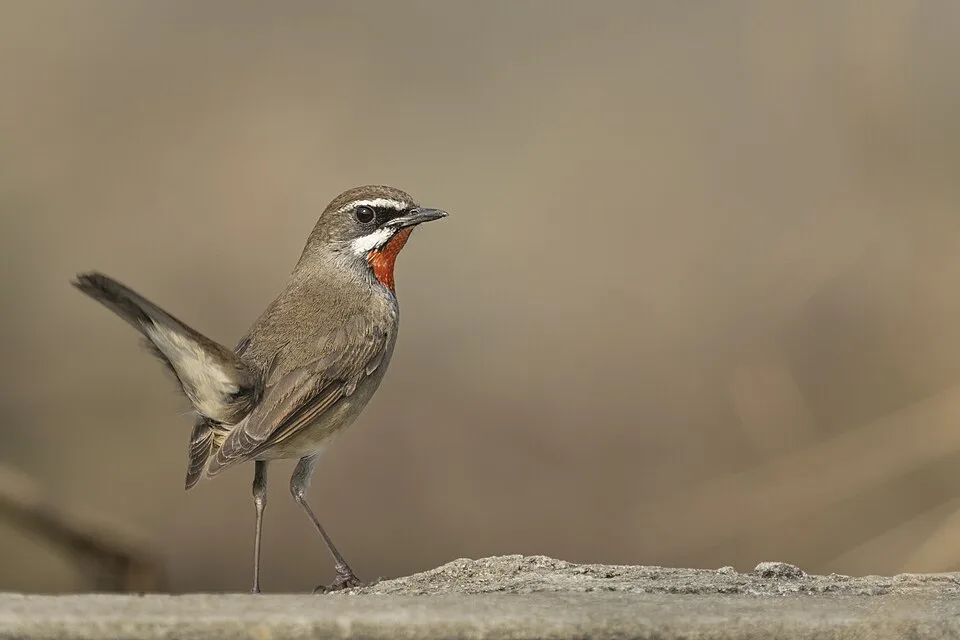
12. Siberian Rubythroat (Calliope calliope)
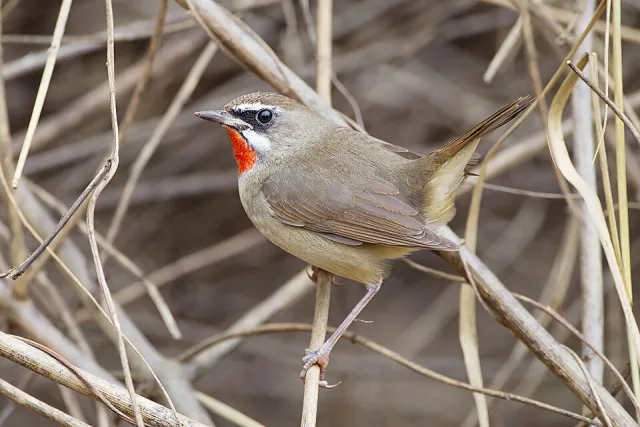
Status: Rare vagrant from Asia
Habitat: Found on western Aleutian and Bering Sea islands
Notes: This brilliant little songbird occasionally turns up during fall migration storms, exciting birders with its ruby throat and rarity.
13. Whooper Swan (Cygnus cygnus)
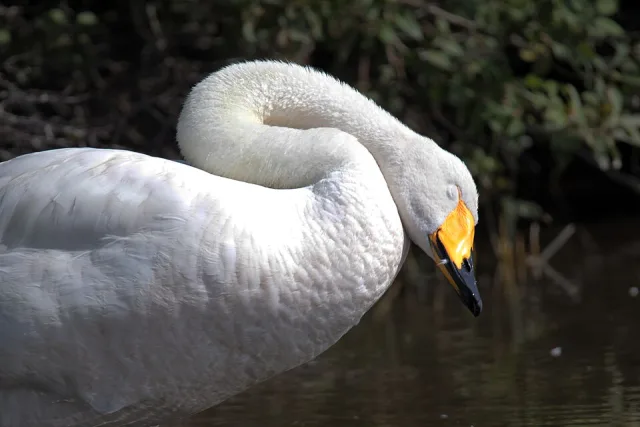
Status: Rare vagrant
Habitat: Western Alaska wetlands
Notes: Native to Eurasia, the Whooper Swan occasionally crosses into western Alaska and may be confused with the native Tundra Swan.
14. Bluethroat (Luscinia svecica)
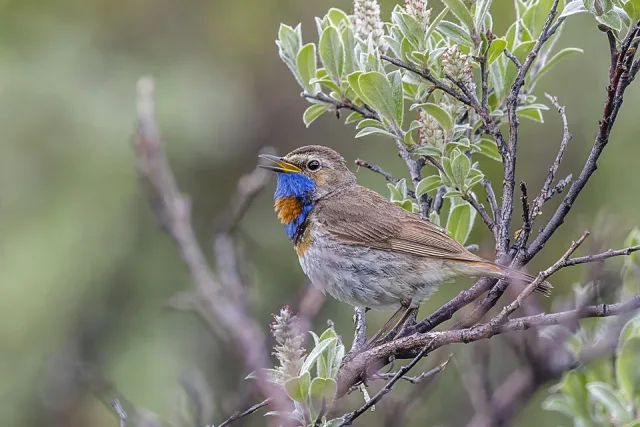
Status: Locally rare breeder in western Alaska
Habitat: Willow and alder thickets near tundra
Notes: A dazzling relative of the robin with a vivid blue-and-red throat patch. Alaska is the only place in North America where this Old World species breeds.
15. Bristle-thighed Curlew (Numenius tahitiensis)
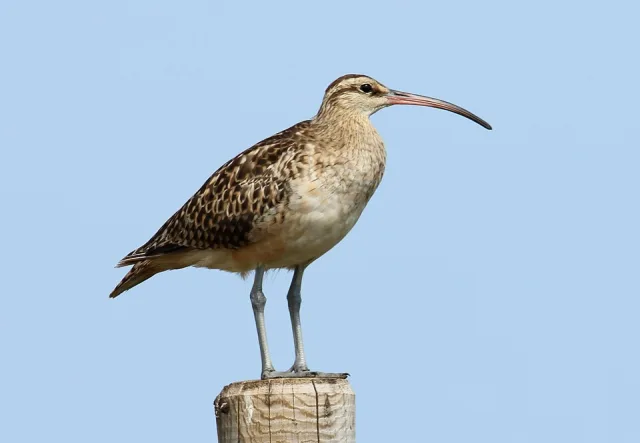
Status: Rare breeder
Habitat: Remote tundra uplands of western Alaska
Notes: This long-distance migrant winters on Pacific islands like Hawaii and breeds only in Alaska. Its limited nesting range and low numbers make it a species of conservation concern.
Birding in Alaska: Where and When
Whether you're exploring the Kenai Peninsula, Denali National Park, or the remote Pribilof Islands, birding in Alaska can be extraordinary. Key locations include:
Potter Marsh (Anchorage) – Wetland species and waterfowl
Nome – High diversity, including Arctic breeders and Asian vagrants
Barrow (Utqiaġvik) – Nesting snowy owls, eiders, and phalaropes
St. Paul Island – A hotspot for rare vagrants, especially from Asia
The best birding months are May through July, when migrants arrive, and breeding is in full swing. Fall can also be excellent for seeing young birds and Asian strays blown in by storms.
Conservation in the Far North
While many of Alaska’s bird populations remain stable, several species are facing increasing threats:
Climate change is altering tundra and marine ecosystems
Oil exploration and industrial development threaten sensitive nesting habitats
Plastic pollution and overfishing impact seabirds
Introduced predators, like foxes on islands, pose risks to ground nesters
Organizations like the Alaska Audubon Society, US Fish & Wildlife Service, and Alaska Native groups are actively working to monitor and protect bird species across the state.
Wrapping Up
From the familiar chatter of a chickadee to the rare flash of a Siberian vagrant, Alaska’s birds reflect the wild and dynamic nature of the region itself. It’s a place where continents meet, migration routes converge, and the resilience of life is on full display.
Whether you’re a backyard birder in Fairbanks or exploring the Arctic tundra with binoculars, Alaska offers one of the most rewarding birding experiences in the world. And with continued conservation efforts, these avian wonders will continue to enrich the skies of the North for generations to come.
