

As the sun dips below the horizon and the last hues of orange and purple fade from the American sky, a familiar quiet descends upon our neighborhoods, parks, and forests. The vibrant chorus of robins, chickadees, and finches that filled the daylight hours seems to vanish almost magically. The sky, once a highway of bustling avian life, becomes eerily empty, save for the silent flight of a nocturnal owl or the flitting silhouette of a bat.
This nightly disappearance is one of the most common and least-understood phenomena in nature. Where do all the birds go? The answer is not a simple one, as it varies dramatically from species to species and is a complex, vital behavior driven by two primary instincts: survival and energy conservation.
The nightly ritual, known to ornithologists as roosting, is a sophisticated strategy for navigating the dangers of darkness. Birds are highly vulnerable after sunset, with their excellent daytime vision rendered useless and a host of nocturnal predators—from owls and raccoons to coyotes and bobcats—beginning their hunt. By selecting a safe, concealed, and often communal location to sleep, birds drastically reduce their risk of becoming prey. This is not just about safety, however; it’s also a matter of survival in the face of dropping temperatures. Huddling together or finding a well-insulated spot helps them conserve precious body heat and survive the cold night, a challenge especially in colder parts of the country like the Midwest or Northeast.

The Communal Roost: Safety in Numbers
For many species, the most effective strategy for surviving the night is to gather in large groups. This behavior, known as communal roosting, creates a collective safety net. The sheer number of birds provides a "dilution effect," where the risk of any single individual being caught by a predator is minimized. Additionally, a large group offers many more eyes and ears to detect a threat, increasing the chances of an early warning call that can send the entire flock scattering.
Perhaps the most spectacular example of this phenomenon in the U.S. is the Common Starling. Though an invasive species, their winter roosting behavior is a breathtaking sight. At dusk, thousands, sometimes hundreds of thousands, of starlings gather in massive, swirling clouds, performing an intricate aerial ballet known as a murmuration. These magnificent formations over cities like Syracuse, New York, or in agricultural areas across the country, are thought to be a form of anti-predator defense before the birds descend into trees, under bridges, or on buildings to roost for the night.
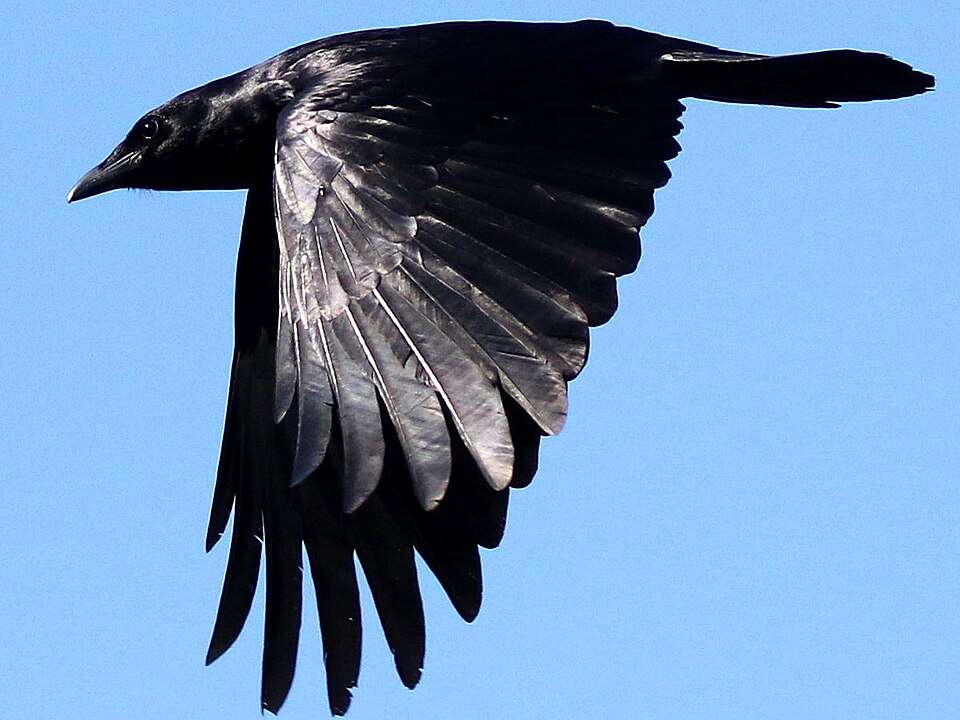
Another prominent example is the American Crow. In winter, these highly intelligent birds congregate in colossal roosts, sometimes numbering in the tens of thousands. These massive congregations, often found in urban parks or groves of trees on the outskirts of towns, serve not only as a defense against predators but also as an "information center." Researchers believe that less successful foragers can observe and follow their more successful counterparts from the roost in the morning, leading them to new food sources.
Even smaller birds engage in communal roosting, especially during the cold winter months. Species like the American Robin and Mourning Dove will gather in dense evergreen trees or shrubs, packing together on branches to share body heat, a practice that can be a matter of life or death on a frigid night. The loud, chattering "commute" of these birds at dusk is a sure sign that they are on their way to a collective shelter for the night.
The Solitary Roost: A Private Sanctuary
Not all birds choose to huddle with their peers. Many species prefer a solitary or small-group approach, relying on stealth and a well-chosen location to survive the night. For these birds, their nightly roost is a private sanctuary, a hidden haven from the dangers of the dark.
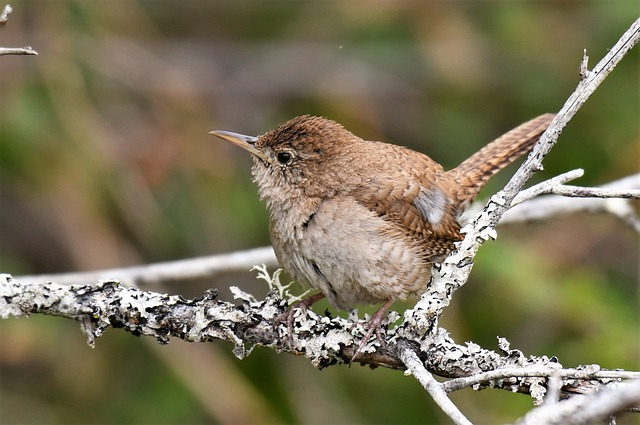
Take the Northern Cardinal, a year-round resident in much of the Eastern and Central U.S. that is known for its brilliant red plumage. At dusk, cardinals will seek out dense, thorny shrubs or thick, overgrown vines to sleep. This choice of a "fortress" provides a natural barrier against larger predators like owls or cats, who would find it difficult to navigate the tangled undergrowth. Similarly, small birds like the Carolina Wren or House Wren will often find sheltered cavities to roost in, such as a hollow in a tree, an old nest box, or even a crack in a building. They are masters of concealment, tucking themselves into the deepest part of the foliage to become virtually invisible.
This preference for a private space is also seen in birds that roost in their own self-excavated homes. The Downy Woodpecker and Hairy Woodpecker, for instance, will often use a cavity they've dug in a dead tree as a nightly retreat. This provides a secure, insulated, and well-protected space, allowing them to rest with minimal risk.

Unique Strategies and Specialized Roosts
The variety of roosting behaviors is as diverse as the avian species themselves. Some birds have developed truly unique strategies for sleeping in the face of environmental challenges.
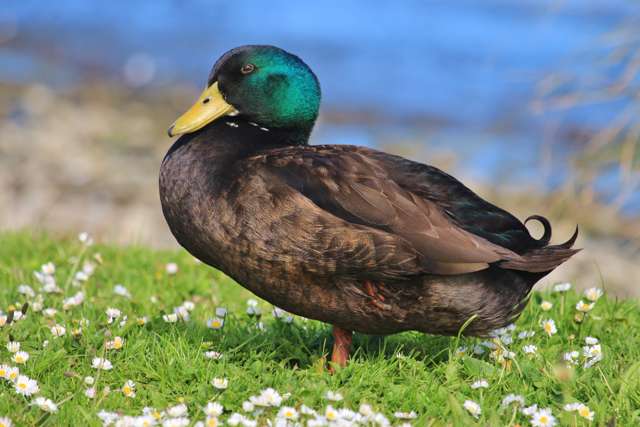
Waterfowl, such as Mallards and Canada Geese, often sleep on the open water. This provides a significant advantage against terrestrial predators. By staying on a pond or lake, they can be alerted to any disturbance on the shore and quickly swim or fly away to safety. Many of these birds also engage in unihemispheric slow-wave sleep, where they can literally sleep with one half of their brain at a time, keeping the other half and one eye open to watch for danger.
For birds of prey, their roosting sites are often a reflection of their power and position at the top of the food chain. The Bald Eagle, for example, prefers to roost in the highest branches of a tall tree, often with other eagles, giving them a clear vantage point and a sense of security. The majestic California Condor seeks out inaccessible cliffs and rock faces high above the ground, a strategy that has helped this endangered species survive in the challenging landscapes of the American Southwest.
Wrapping Up
The nocturnal "disappearing act" is a daily testament to the incredible survival instincts of birds. What we perceive as an empty, silent landscape at night is, in fact, a hidden world of intricate behavior, where birds have meticulously chosen their sleeping spots based on a complex calculation of safety, warmth, and community. So the next time you watch the last songbird of the day vanish into the dusk, you can rest assured it's not magic, but a sophisticated, ancient dance of survival.
Find out where hummingbirds go at night.
