
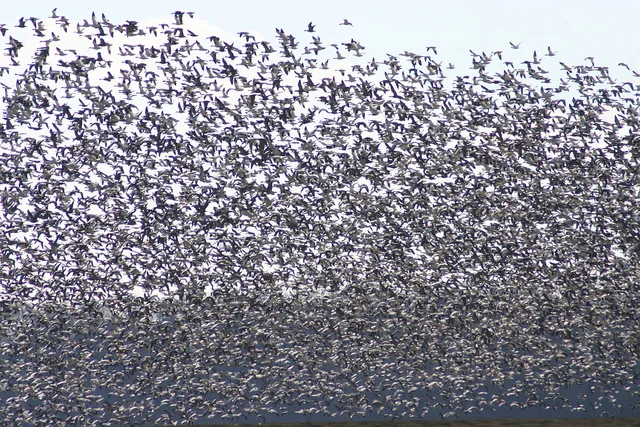
Would you spend a day scanning a flock of 10,000 geese just to find one "orange-banded" bill? For the uninitiated, this sounds like a specialized form of torture—a repetitive, eye-straining exercise in futility. But for the dedicated birder, it is a Tuesday. It is a mission. It is the pursuit of the "rarity," a high-stakes game of hide-and-seek played against the vast, indifferent backdrop of the natural world.
The world of birding has long shed its "Victorian hobby" image of tweed jackets and quiet tea. Today, it is an adrenaline-fueled, high-tech, and occasionally bank-account-draining obsession. From the "Big Year" fanatics to the "twitchers" who drop everything for a glimpse of a wind-blown stray, the extremes of birding reveal a fascinating cross-section of human determination, competitive spirit, and deep ecological passion.
The Psychology of the "Twitch"
In birding parlance, a "twitcher" is not just someone who likes birds; they are someone who travels long distances to see a specific rare bird that has been spotted by someone else. The term implies a certain level of nervous energy—the "twitch" of excitement (or anxiety) that occurs when a Rare Bird Alert (RBA) hits a smartphone.
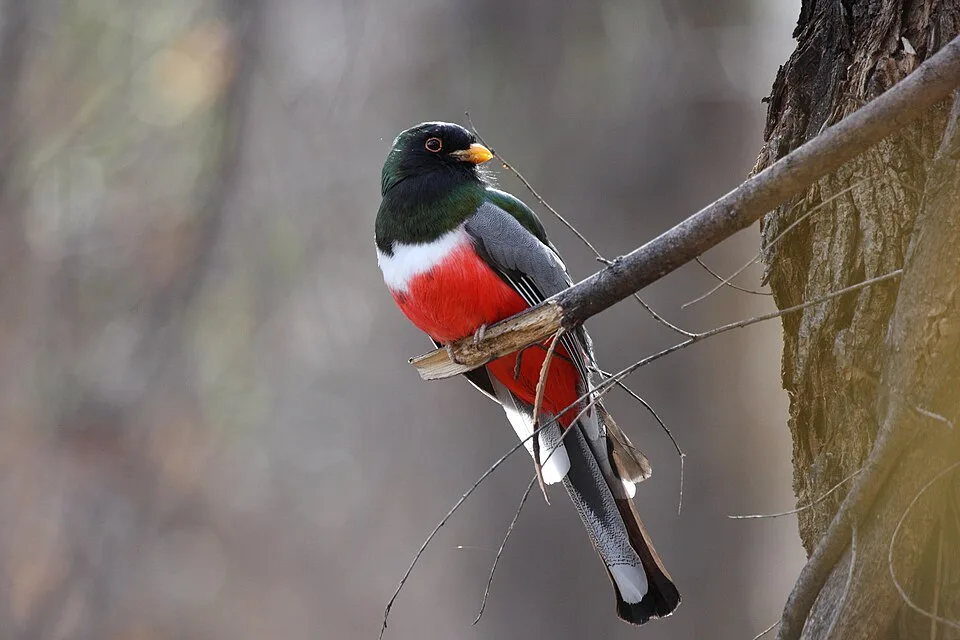
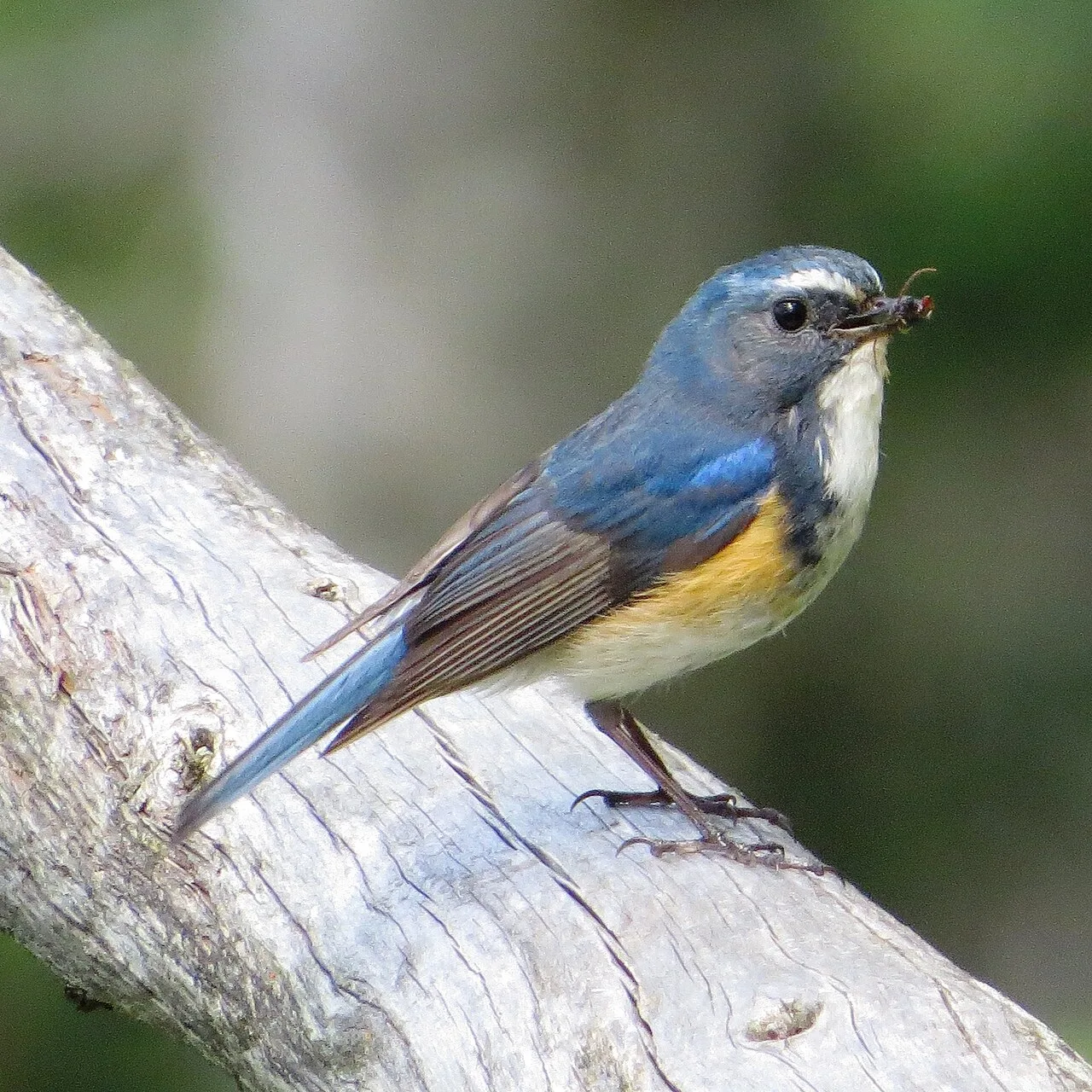
When a Red-flanked Bluetail or an Elegant Trogon appears outside its usual range, the response is immediate. People have been known to:
Abandon Weddings and Funerals: There are legendary stories of birders slipping out of ceremonies or leaving holiday dinners cold on the table because a "Life Bird" (a species they’ve never seen before) was sighted three states away.
The Midnight Dash: It is common for birders to drive ten hours through the night, fueled by caffeine and optimism, just to be at a specific mudflat or forest edge by sunrise.
Chartering the Impossible: When a rare seabird is spotted on a remote rock or island, groups will frequently pool thousands of dollars to charter private boats or even helicopters to get within binocular range before the bird vanishes.
The Big Year: A Marathon of Obsession

The ultimate extreme in the birding world is the Big Year. This is a formal (though self-governed) competition where a birder attempts to see as many species as possible within a single calendar year within a specific geographic area, such as the American Birding Association (ABA) area.
A serious Big Year is a logistical nightmare and a financial black hole. It requires:
Total Commitment: You cannot hold a standard 9-to-5 job and break a Big Year record. You must be ready to fly from Florida to Alaska at a moment’s notice to catch a specific migration window or a stray bird from Siberia.
Physical Endurance: It involves trekking through swamps, climbing mountain ranges in the dark, and enduring sub-zero temperatures.
Financial Sacrifice: Costs for a North American Big Year can easily exceed $60,000 to $100,000 in flights, rental cars, fuel, and gear.
The current record-holders are treated like Olympic athletes within the community, having spent 365 days in a state of perpetual motion, often sleeping in cars and eating gas station sandwiches just to shave a few minutes off their travel time.
Technology and the "Digital Lure"
Modern extremes are fueled by technology. In the past, birders relied on "grapevines" and phone trees. Today, the eBird database and real-time WhatsApp groups have turned birding into a global, crowdsourced hunt.
However, this technology brings its own extremes. Some birders use high-powered playback devices to blast recorded bird calls into the brush, hoping to lure a shy species into the open. While controversial—and often harmful to the birds' breeding success—the desperation to "get the tick" on a checklist sometimes overrides ethical boundaries. This "technological arms race" includes thermal imaging cameras to find owls in total darkness and ultra-long-range scopes that cost more than a used car.
The Perils of the Pursuit
The quest for a rarity often leads birders into genuine danger. There are accounts of birders wandering into active minefields in the Middle East, venturing into territories controlled by cartels in South America, or facing down grizzly bears in the Rockies—all for a glimpse of a specific feathered creature.
The "extreme" isn't just about the physical distance; it’s about the mental tunnel vision. When a birder is locked onto a target, the rest of the world ceases to exist. They will stand waist-deep in freezing leeches in a tropical swamp or endure the blistering heat of the Sahara, ignoring their own physical distress until the bird is identified and logged.
Why Do They Do It?
To the outsider, spending a fortune and risking your health for a "LBJ" (Little Brown Job—a non-descript sparrow or warbler) seems like a madness. But for those in the thick of it, birding offers something rare in the modern world: absolute presence.
In the hunt for that one orange-banded bill among 10,000 geese, the brain enters a state of "flow." The noise of the digital world fades away, replaced by the patterns of feathers, the nuance of calls, and the rhythm of the seasons. It is a quest for the sublime—a moment of connection with a wild, winged messenger that has traveled thousands of miles, unaware that it is the center of someone's entire universe.
The extremes of birding are not really about the birds themselves; they are about the human desire to seek, to find, and not to yield. It is a testament to our capacity for wonder, proving that as long as there are rarities in the sky, there will be people on the ground willing to go to the ends of the earth to see them.
