
Birdwatching, or birding, is one of the fastest-growing hobbies in the United States, a tranquil pursuit enjoyed by millions across the country's diverse landscapes. Yet, for Black Americans, the simple act of venturing into parks, nature preserves, and wilderness areas to observe nature is often anything but tranquil. The intersection of a historically white outdoor recreational space and the persistent issue of racial profiling creates unique barriers to entry for Black birders, fueling a movement to reclaim the joy of nature observation and foster inclusive community.
The experiences of Black birders reveal a critical truth: access to nature is not equally distributed, nor is the perceived right to occupy public green spaces. The challenges they face are not simply about spotting a rare warbler; they are about safety, belonging, and the freedom to exist without suspicion.
The Barrier of Suspicion: Navigating Public Space
The most immediate and profound barrier Black birders face is racial profiling and the perception of being "out of place." A white person holding expensive binoculars and a camera in a wooded park is usually seen as a hobbyist; a Black person doing the same risks being viewed as a threat, a suspect, or a trespasser.
This reality was brought to the forefront by the widely publicized 2020 Central Park incident, where birder Christian Cooper was threatened by a woman after he asked her to leash her dog in an area where unleashed dogs were prohibited. Cooper's experience highlighted the vulnerability of Black individuals when navigating spaces where white individuals feel entitled to control the narrative and, often, call the police.
For many Black birders, preparation for a morning walk involves more than checking the weather and packing a field guide; it involves mental calculation of risk:
- Choosing Location: Opting for well-traveled, open areas over secluded trails to minimize the chance of isolated confrontation.
- Appearance: Deliberately avoiding clothing or accessories that might be misinterpreted as suspicious.
- The "Look": Being hyper-aware of their body language and movements to appear non-threatening to other park-goers.
This constant need for "safety planning" drains the restorative joy that nature is supposed to provide, turning a relaxing hobby into an exercise in vigilance.
Historical Exclusion and the Whitewashing of the Outdoors
The historical context of the U.S. outdoors deepens this issue. For decades, natural spaces—from national parks to local birding clubs—were predominantly white. This was due not just to socio-economic factors, but also to historical practices of segregation and the simple fact that, for generations, Black families were denied safe access to recreational areas.
The narrative of American conservation and outdoor recreation has long centered on the experiences of white environmentalists, a phenomenon often termed the "whitewashing of the outdoors." This lack of representation creates a self-perpetuating cycle: if Black people are not visibly engaging in birding or hiking, fewer Black children and young adults feel encouraged or safe to pursue it.
Furthermore, many Black communities have a deep, practical connection to the land that is often overlooked in traditional conservation circles. Their relationship with nature is often rooted in survival, traditional practices, and food sovereignty, contrasting with the often privileged, leisure-based approach of mainstream birding. Recognizing and valuing these diverse connections is essential for true inclusivity.
Profiling the Exotic and Brilliant Kin of the European Starling
The Rise of Black Birding: Building Community and Reclaiming Space
In response to these systemic barriers and the demand for safe, supportive spaces, a powerful movement has emerged, fueled by a desire to celebrate Black joy in nature.
Black Birders Week
Following the 2020 Central Park incident, a group of Black scientists and bird enthusiasts organized the first Black Birders Week. This annual event, typically held in late spring, is a virtual and, increasingly, in-person celebration that serves several crucial purposes:
- Visibility: It actively showcases Black scientists, conservationists, and nature lovers, providing necessary representation for young people.
- Solidarity: It creates a space for Black people to share their love of nature and discuss the unique challenges they face in a supportive environment.
- Education: It challenges the public perception of who belongs in the outdoors and advocates for systemic change within conservation organizations.
Find out more about Black Birders Week herehere.
Local Groups and Chapters
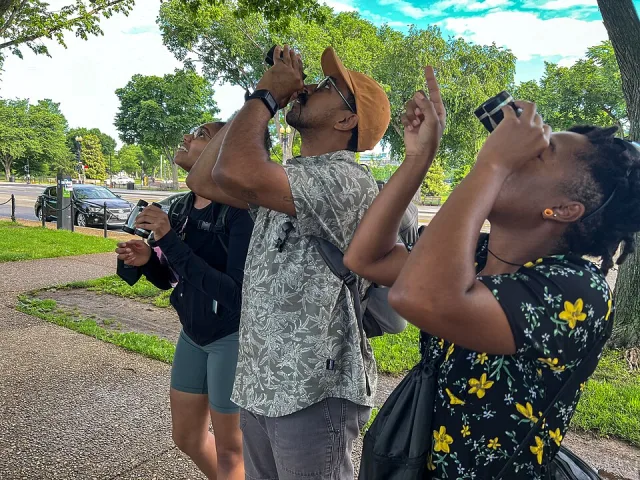
Beyond the national movement, local community organizations are providing essential safe spaces. Groups like Flock Together (focusing on outdoor wellness) and specific birding-focused collectives organize group outings. These group outings are fundamentally acts of resistance against the narrative of exclusion. Safety is amplified in numbers, allowing participants to momentarily drop their guard and focus on the sheer beauty of the birds, whether they are watching ducks in a city park or searching for migrating warblers in a suburban nature center.
The goal is not to segregate birding, but to ensure that Black individuals feel empowered and safe to participate in nature activities whenever and wherever they choose.
Moving Forward: Actionable Steps Toward Inclusive Birding
Achieving true inclusivity requires concrete, institutional change that goes beyond performative statements.
- Challenging Gatekeepers: Major birding and ornithological organizations must prioritize hiring and promoting Black and other non-white professionals and actively address instances of racism and profiling within their local chapters.
- Rethinking Outreach: Outreach must move beyond simple recruitment and focus on removing systemic barriers, such as providing access to gear, transportation to remote sites, and mentoring programs that connect youth with established birding scientists.
- Community Partnerships: Conservation efforts need to genuinely partner with and listen to local Black communities, respecting their relationship with and historical knowledge of the land, rather than simply dictating land use.
- Amplifying Stories: Continued public sharing of the experiences of Black birders—from moments of quiet joy to instances of confrontation—is necessary to keep the issue visible and hold institutions accountable.
The Eastern Bluebird, the Northern Cardinal, the American Robin—these birds belong to every American. The movement of Birding While Black is fundamentally about the right to pursue a simple, beautiful passion without fear or discrimination, ensuring that the peace and wonder of nature are truly accessible to all.
