The pursuit of birds—once a quiet hobby confined to backyards and local parks—has erupted into one of the fastest-growing and most sustainable segments of the global travel industry. Birding tourism, or avitourism, is no longer niche; it is a powerful economic force driven by an increasingly diverse and conservation-minded generation of travelers.
The simple act of spotting and identifying a bird offers a profound connection to nature, a digital detox, and a thrill of discovery that few other activities can match. For travelers, the ultimate goal is not just the journey, but the "life bird"—a species seen for the first time, often requiring an expedition to a remote corner of the earth.
The Forces Fueling the Boom
What exactly is propelling this rapid growth in avitourism?
The Quest for Sustainable and Slow Travel: Birders are, by necessity, low-impact tourists. They seek out pristine habitats and remote communities, often spending money on local guides, eco-lodges, and small businesses. This preference for slow, nature-based travel aligns perfectly with modern sustainability goals, providing a direct economic incentive for communities in biodiversity hotspots to protect their forests and wetlands.
Technological Democratization: The advent of tools like the Merlin Bird ID app and the citizen science platform eBird (powered by the Cornell Lab of Ornithology) has lowered the barrier to entry. Beginners can instantly identify a bird by sound or photo, and anyone can contribute their sightings to a global database, transforming a passive hobby into an active, globally connected pursuit.
The Biodiversity Drive: Birding offers a tangible way to engage with the planet’s stunning variety of life. High-biodiversity countries—particularly in the tropics—that also offer decent infrastructure and safety (often measured by the Human Development Index and Global Peace Index) are experiencing explosive growth in birding visits.
A Diverse and Aging Demographic: While the hobby retains a strong core of older, economically stable travelers, the post-pandemic surge saw a significant influx of younger, environmentally conscious individuals seeking outdoor activities. This mix provides a robust and growing market willing to invest in specialized travel experiences.
The Birder’s Mecca: The Top 5 U.S. States by Avian Species Count
The World’s Top 5 Birding Countries
For the dedicated lister or the eager beginner, certain countries stand out as the ultimate avian destinations due to their sheer species count and concentration of highly sought-after birds.
| Country | Species Count (Approx.) | Why It's a Top Destination | Most Sought-After Birds |
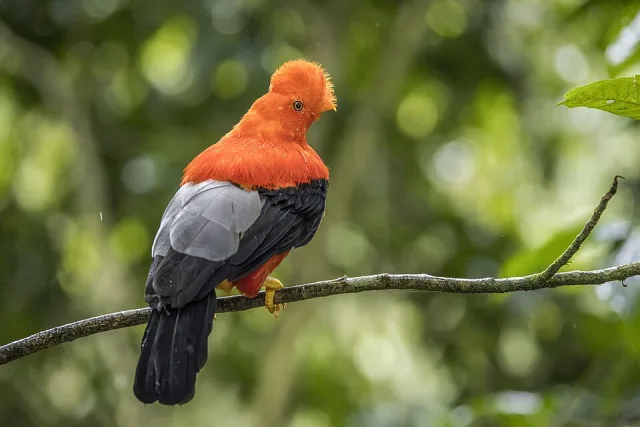
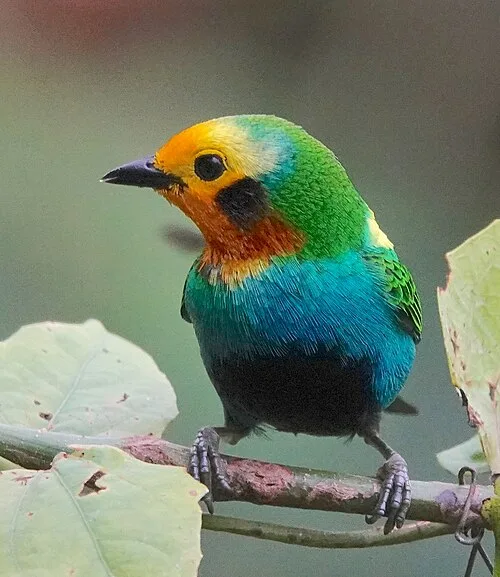
| 1. Colombia | 1,900+ (The highest globally) | Massive biodiversity across Andes, Amazon, and two coasts; excellent infrastructure development for ecotourism. | Andean Cock-of-the-rock, Multicolored Tanager, Yellow-eared Parrot. |
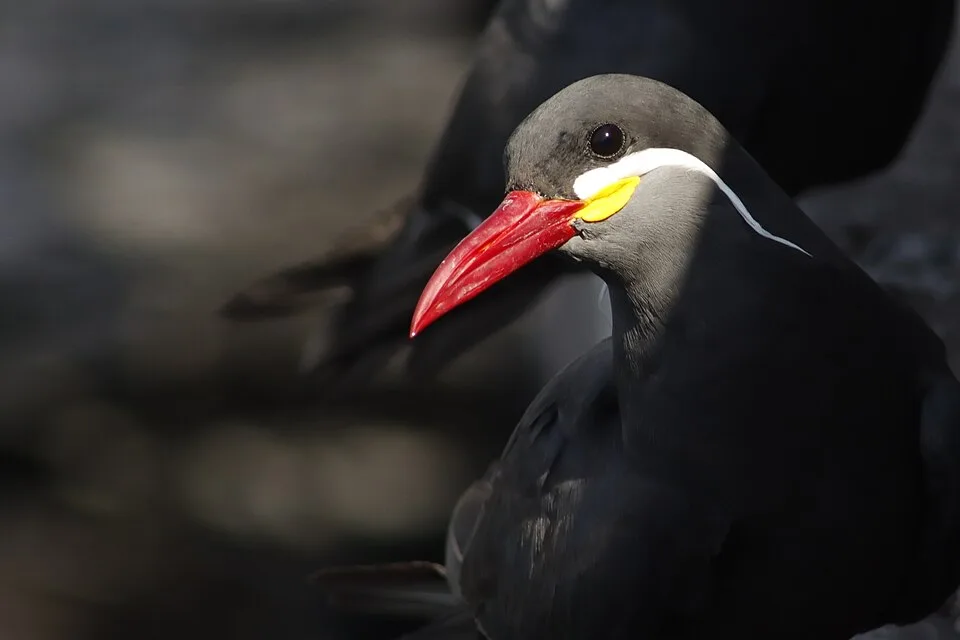
| 2. Peru | 1,800+ | Home to the mighty Amazon rainforest, the Andes, and the unique Pacific coast; features remote, legendary sites like Manu National Park. | Harpy Eagle, Marvelous Spatuletail (endemic), Inca Tern. |
| 3. Brazil | 1,800+ | The sheer size and distinct biomes, particularly the Pantanal (world's largest tropical wetland) and the Atlantic Forest. | Hyacinth Macaw, Brazilian Merganser, Toco Toucan. |
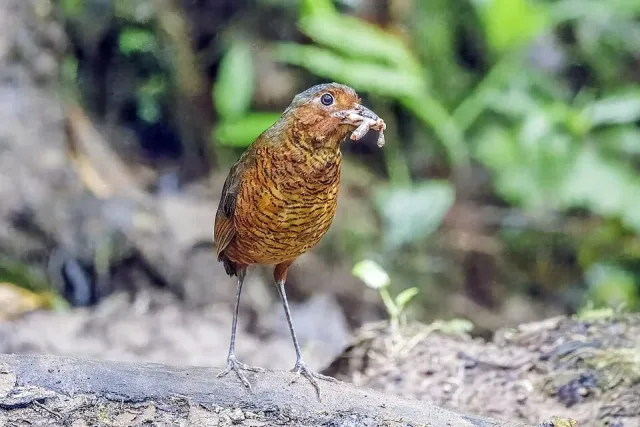
| 4. Ecuador | 1,600+ | Extremely high concentration of birds in a small area (compact birding); easy access to the Amazon, Andes, and the Chocó region. | Sword-billed Hummingbird, Andean Condor, Giant Antpitta. |
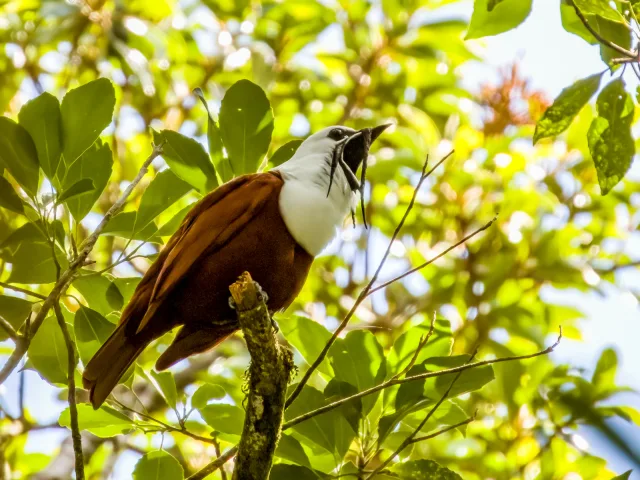
| 5. Costa Rica / Panama | 900+ / 1,000+ | Exceptional infrastructure and safety; a central land bridge funneling migratory and endemic species; highly accessible parks. | Resplendent Quetzal, Three-wattled Bellbird, Harpy Eagle (Panama). |
Birding tourism is a clear example of how specialized ecotourism can be a powerful engine for both discovery and conservation. By choosing to travel to these destinations, birders are directly voting with their dollars to protect the most biodiverse regions on Earth.