
For many birders, the thought of adding dozens of species to their life list conjures images of costly, week-long expeditions to far-flung locales. But the beauty of birding in the U.S. lies in its diverse, accessible ecosystems. With a long weekend (three to four days) and a full tank of gas, you can target major migratory flyways, diverse habitats, and regional specialties across the country.
A successful birding road trip requires strategic planning: choosing a geographic choke point that concentrates birds and capitalizing on peak seasons (spring and fall migration). Here are four iconic, multi-day birding road trips—one for each corner of the contiguous U.S.—perfect for a long weekend of intense listing.
The Atlantic Flyway Trap: Cape May, New Jersey
Target Season: Fall Migration (Late September - Mid-November)
Cape May, New Jersey, is arguably the most famous migratory concentration point on the entire East Coast. As the Cape May Peninsula tapers into a point, it effectively funnels millions of southbound migrating birds—from songbirds and raptors to shorebirds—into a small area before they decide to cross the Delaware Bay.
The Route: Days of Concentrated Birding
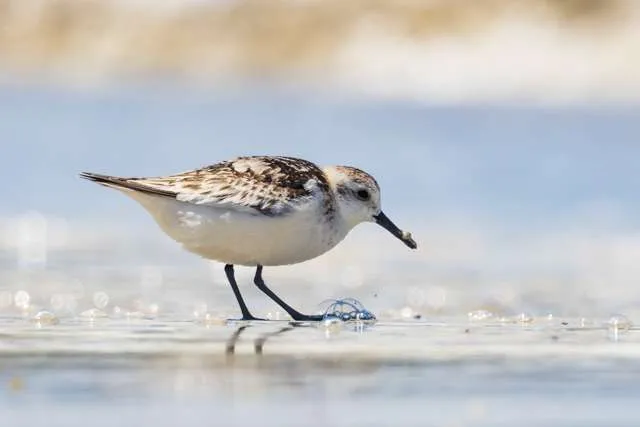
- Day 1: The Raptor and Shorebird Watch. Start at the Cape May Point State Park. Spend the morning at the Hawk Watch platform, where thousands of raptors—including falcons, Sharp-shinned Hawks, and migrating Ospreys—pass overhead. In the afternoon, explore the Bayshore Road area and the tidal flats of the Delaware Bay, which are crucial stopovers for migrating shorebirds like Sanderlings and Red Knots.

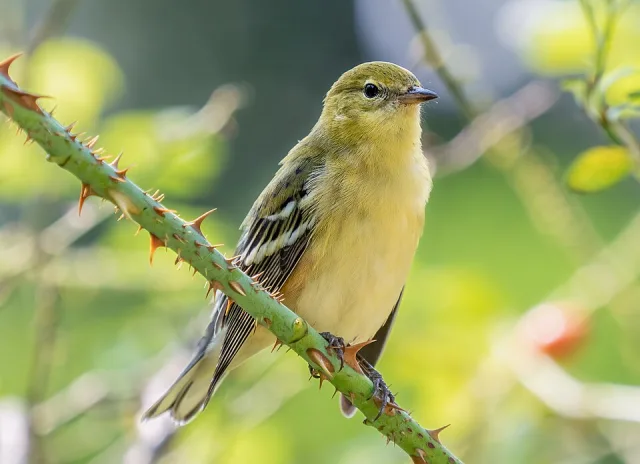
Sanderling - Day 2: The Songbird Oasis. Focus on the protected woods and shrubbery of the Cape May Bird Observatory’s (CMBO) headquarters and the Higbee Beach Wildlife Management Area. Higbee Beach, a mix of coastal scrub and woodland, is the premier spot for seeing fallout events where exhausted warblers, vireos, and tanagers drop down en masse after an overnight flight. Look for Bay-breasted Warblers, Tennessee Warblers, and Scarlet Tanagers.
- Day 3: Coastal Rarities and Seawatching. Head to the jetties and beaches of Cape May City and Stone Harbor. Look for sea ducks like Harlequin Duck and Common Eider (especially late in the season). A seawatch from the Cape May Point shoreline can yield Northern Gannets and scoters. Before heading home, check the Beanery (an often-birdy sewage treatment area) for sparrows and winter finches.
Harlequin Duck

Why It Works in a Weekend
The small geographic footprint of the peninsula means you spend less time driving and more time birding. The sheer density of migrating species guarantees high list numbers.
The Gulf Coast Gateway: The Texas Coast & The Upper Coast
Target Season: Spring Migration (Late April - Early May)
The Texas Gulf Coast serves as the "first landfall" for millions of songbirds flying non-stop across the Gulf of Mexico from the Yucatán Peninsula. An adverse weather event (like a cold front or strong north winds) forces these exhausted birds to drop immediately upon hitting the coast—a phenomenon known as a fallout.
The Route: Days of Tropical Birds
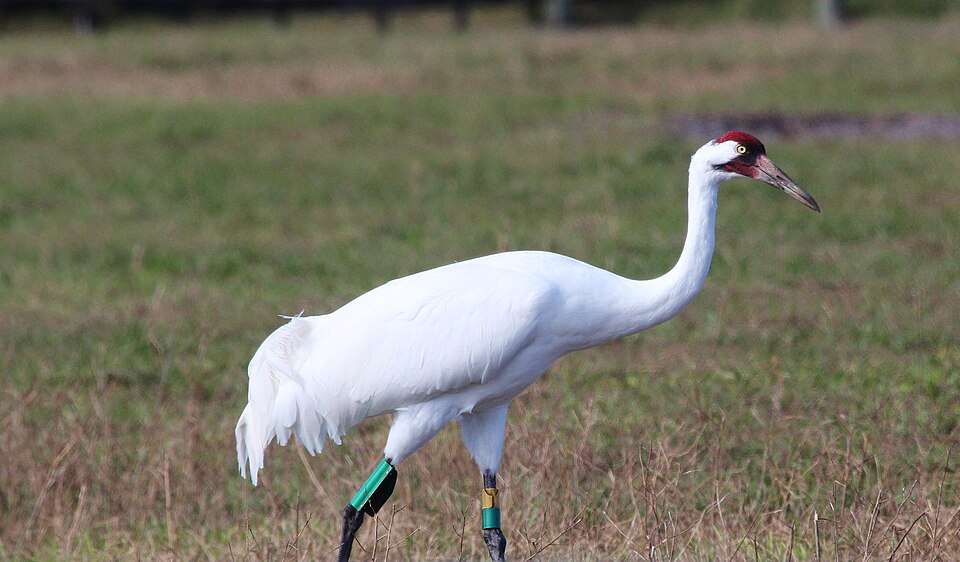
- Day 1: Arriving at the Refuge. Fly into Corpus Christi (CRP) or Houston (HOU) and drive to the Aransas National Wildlife Refuge. This refuge is the winter home of the critically endangered Whooping Crane, a must-see specialty. Spend the afternoon scouting coastal prairies and tidal pools for specialty waders.
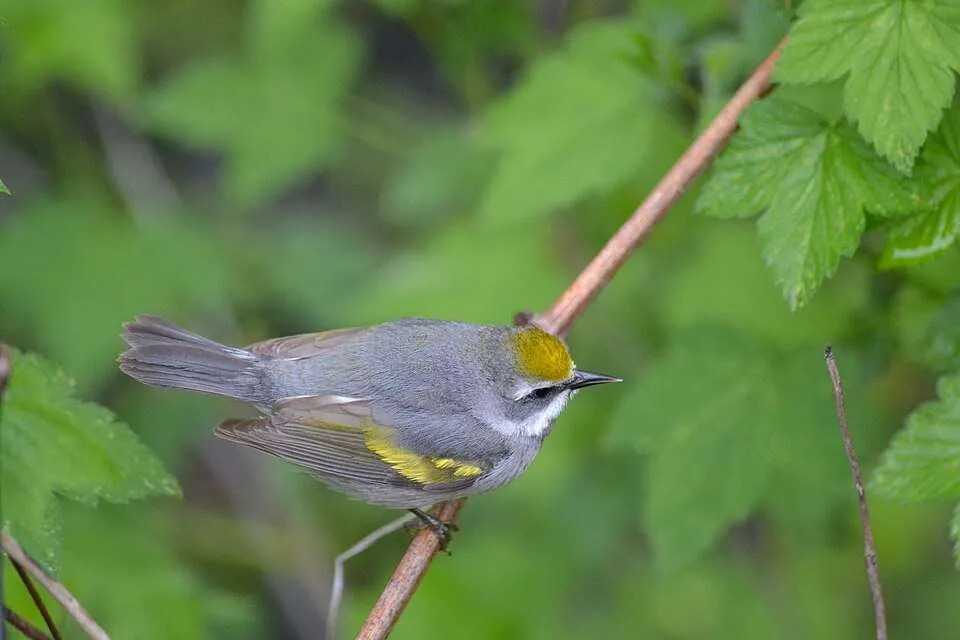
- Day 2: The Fallouts of High Island. Drive north to the High Island area near Galveston. The Audubon sanctuaries here (Boy Scout Woods and Smith Oaks) are renowned migratory traps. If a fallout is occurring, the trees will be dripping with color: dozens of species of warblers (look for the rare Golden-winged and Prothonotary), vireos, orioles, and tanagers resting and feeding at eye level.
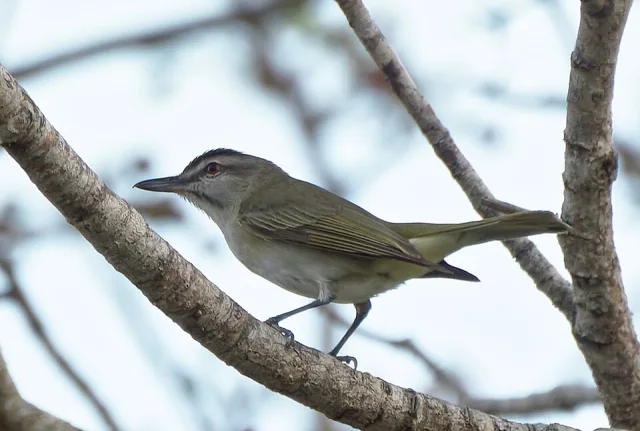
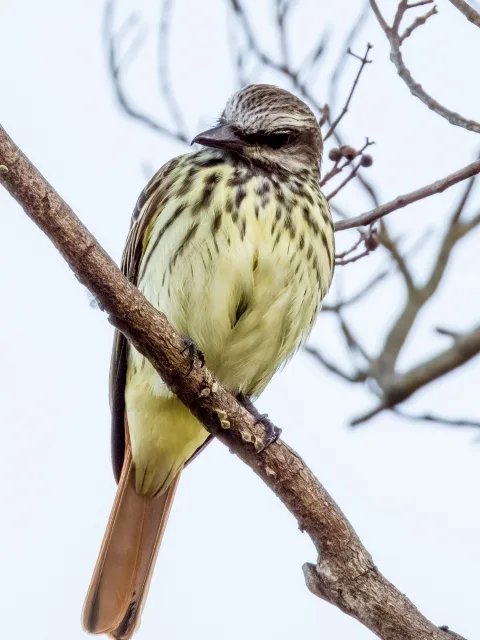
Golden-winged Warbler - Day 3: Barrier Island Birding. Explore Bolivar Flats Shorebird Sanctuary. This site is a crucial spot for spotting shorebirds and terns, including American Avocets, Piping Plovers, and various sandpipers. The surrounding thickets can also hold species rarely seen further north, like the Black-whiskered Vireo or Gray Kingbird.
- Day 4 (Half Day): Coastal Savannah. Spend the morning looking for grassland species like the Mottled Duck and various sparrows before departing.
Why It Works in a Weekend
Focusing on the High Island area maximizes the chance of experiencing a spectacular fallout. The habitat is concentrated and the species diversity is huge, making a few days intensely productive.
The Western Mountain Specialties: Southeast Arizona Sky Islands
Target Season: Late Spring/Early Summer (Late April - Mid-June)
The Sky Islands of Southeast Arizona are isolated mountain ranges separated by desert basins, creating unique ecological zones that draw diverse avifauna from both Mexico and the desert Southwest. This area is essential for spotting birds that rarely cross into the rest of the U.S.
The Route: Days of Hummingbirds and Mexican Species
- Day 1: Madera Canyon (Mountain Specialties). Fly into Tucson (TUS) and drive south to Madera Canyon in the Santa Rita Mountains. This canyon is famous for its diversity and its many feeding stations. Look for Arizona Woodpecker, Elegant Trogon, Sulphur-bellied Flycatcher, and several rare hummingbirds like the Broad-billed Hummingbird.
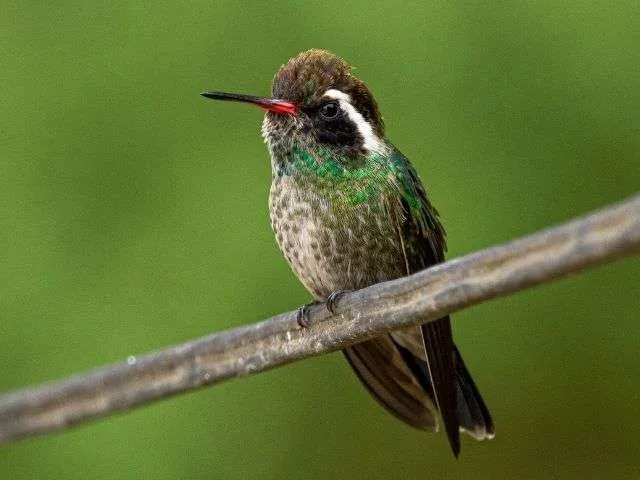
- Day 2: Ramsey Canyon (Hummingbird Capital). Drive east to the Huachuca Mountains. Ramsey Canyon Preserve is a legendary spot, famous for its concentration of hummingbirds, including the possible sighting of the rare Violet-crowned Hummingbird and the spectacular White-eared Hummingbird. In the surrounding oak woodlands, search for Mexican Jay and Arizona's most famous rarity, the Berylline Hummingbird (a frequent vagrant).

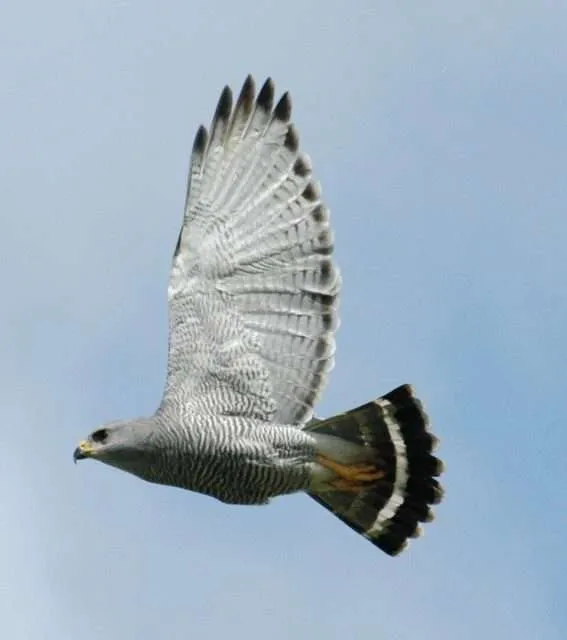
White-eared Hummingbird - Day 3: Borderlands and Low Desert. Explore the lower elevations and riparian zones of the San Pedro Riparian National Conservation Area (NCA). Look for the elusive Gray Hawk, Yellow-billed Cuckoo, and Northern Beardless-Tyrannulet. Visit the Patagonia-Sonoita Creek Preserve for lowland riparian specialties.
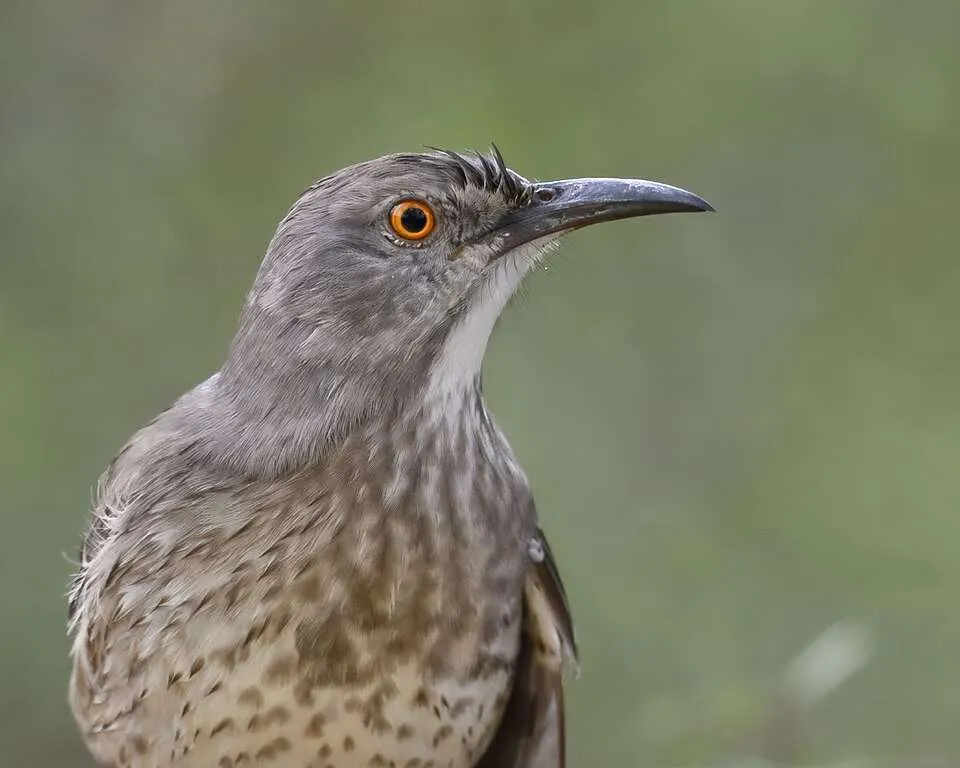
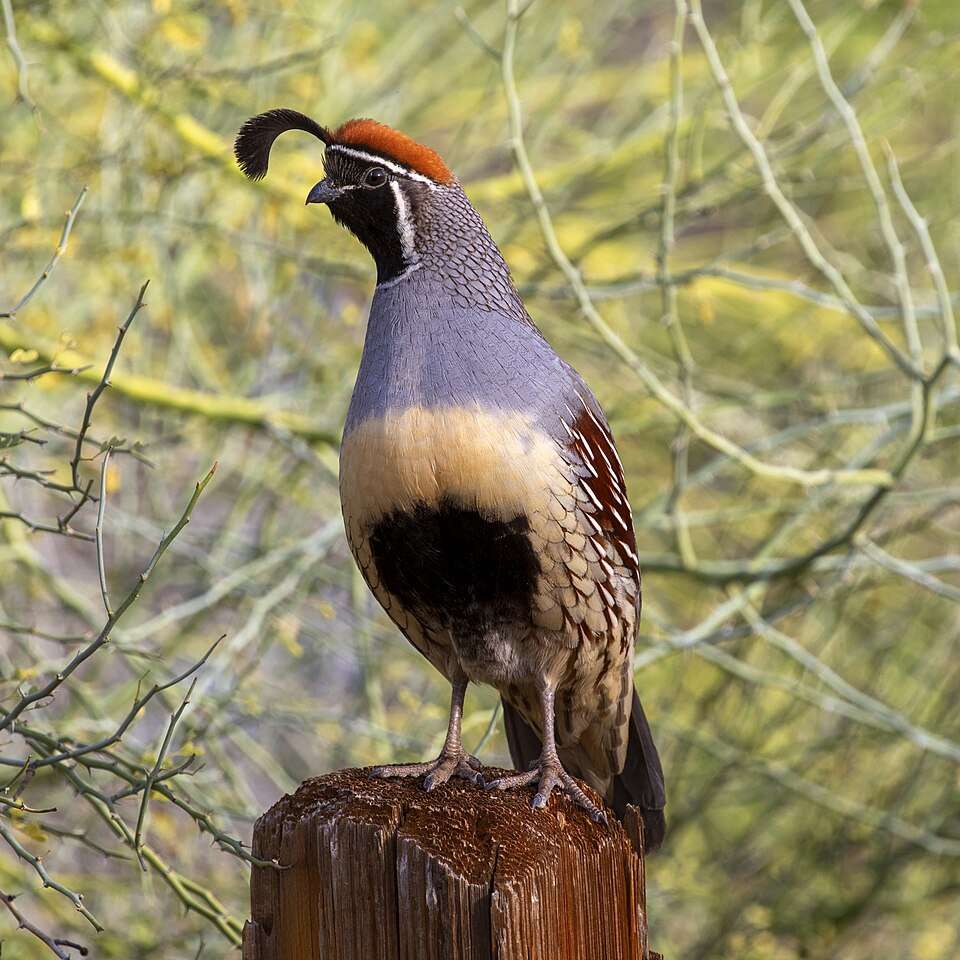
- Day 4: Farewell Desert Birding. Before driving out, check the open desert scrub for specialties like the Curve-billed Thrasher and the striking Gambel’s Quail.
Why It Works in a Weekend
The proximity of the best canyons (Madera, Ramsey, Miller) allows you to target distinct altitudinal zones and their unique avian specialties without long travel times.
The Pacific Flyway and Alpine Wonders: The Pacific Northwest Foothills
Target Season: Late Spring/Early Summer (May - July)
For a taste of alpine and coastal diversity, the area spanning the Puget Sound foothills and Olympic National Park in Washington State offers a spectacular long weekend trip, targeting species unique to the temperate rainforest and high mountains.
The Route: Days of Coastal and Boreal Species
- Day 1: Puget Sound Lowlands. Fly into Seattle (SEA) and head toward the western side of the Puget Sound. Explore the foothills of the Olympic Mountains. Look for lowland Pacific specialties, including Steller's Jay, Chestnut-backed Chickadee, and Varied Thrush.

- Day 2: Coastal Specialties (Ocean Shores). Drive to the coast at Ocean Shores or Westport. Focus on seawatching and scoping the jetties. This is the best place to find alcids (such as Marbled Murrelets, Common Murres), various loons, grebes, and numerous species of shorebirds and gulls. This coastline is famous for its wintering and migrating shorebirds.
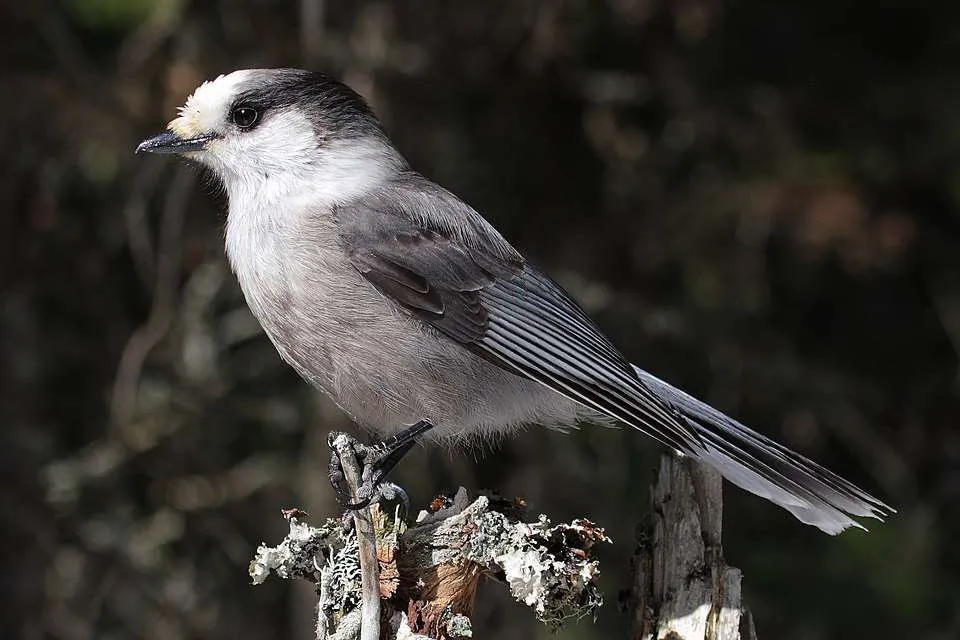
- Day 3: Olympic Mountain Ascend. Drive up into the subalpine zones of Olympic National Park (e.g., Hurricane Ridge, depending on snowmelt). Here, you target high-elevation specialties that include the spectacular Sooty Grouse, Gray Jay (or Canada Jay), and American Dipper along the fast-flowing streams.
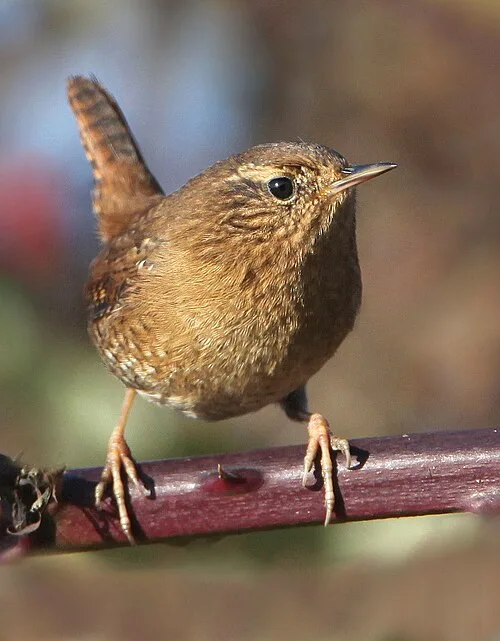
- Day 4 (Half Day): Boreal Foothills. Look for the stunning, blue-headed male Band-tailed Pigeon and the Pacific Wren (with its incredibly loud song) in the lower elevation coniferous forests before heading back to Seattle.
Why It Works in a Weekend
This trip efficiently combines coastal birding (alcids, sea ducks) with mountain specialties in a small geographical area, offering diverse ecosystems and unique western species that can’t be found anywhere else in the U.S.
Final Tip: Planning for Success
To maximize your long weekend, always check the local rare bird alerts (eBird rare bird filters or local listservs) before you leave. A well-timed alert could reroute your trip to a location hosting a major vagrant, turning a great birding trip into a legendary one. Pack light, drive safely, and let the annual miracle of migration fill your weekend list.
Birds of Michigan: Common, Migratory, and Rare Avian Species
