
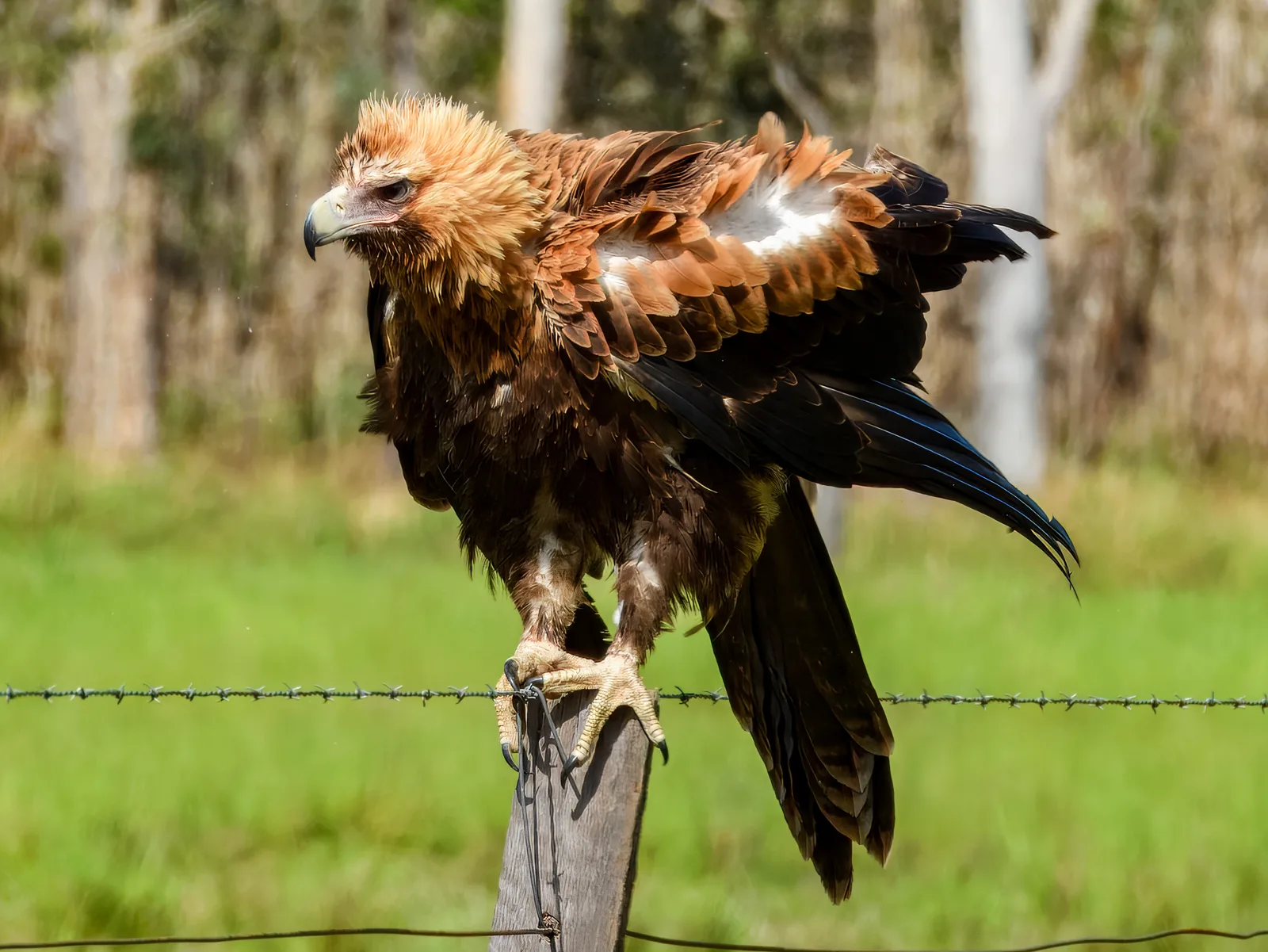
For American birders, a trip across the Pacific to Australia is often the pinnacle of a lifelong passion. The land Down Under offers a biological treasure trove—a continent defined by its isolation, resulting in a staggering 800+ bird species, nearly half of which are found nowhere else on Earth. Leaving behind the familiar finches and flycatchers of the U.S., visitors are instantly plunged into a riot of color, sound, and unique avian families, from ancient ratites to parrots that defy description.
Planning a trip of this scale requires strategic focus, as Australia is vast. This guide focuses on key regions easily accessible from major travel hubs, maximizing your chances of seeing some of the continent's most photogenic and endemic species.
1. The East Coast Corridor: Rainforest and Reef
The eastern coast, stretching from Queensland down to Victoria, is the most popular route, offering a spectacular mix of tropical, coastal, and temperate habitats.
A. Queensland: Cairns and the Wet Tropics
Cairns serves as the perfect launchpad for a birding adventure, placing you directly between the Great Barrier Reef and the ancient Daintree Rainforest.
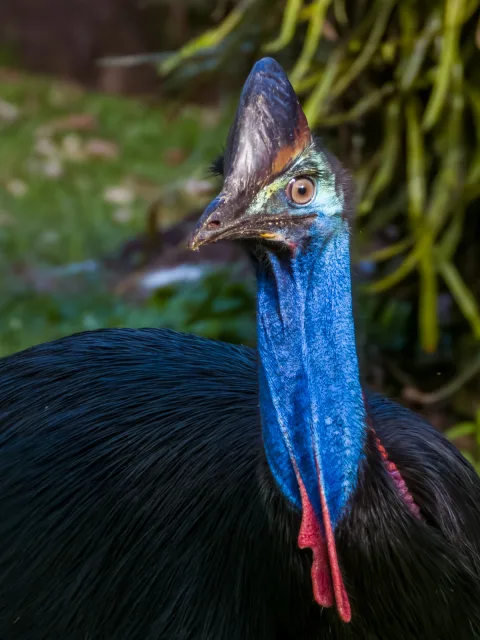
The Targets: This region is home to several iconic species that are often high on a U.S. birder’s list:
The Cassowary: The undisputed prize. This massive, colorful, flightless bird is a living dinosaur. It is famously shy and endangered, but sightings are possible in the rainforests around Mission Beach or the Daintree.
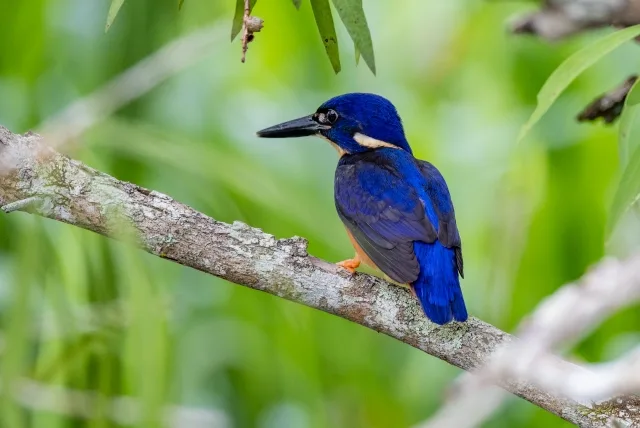
Kingfishers and Pittas: Look for the brilliant turquoise and buff of the Azure Kingfisher along creek banks and the jewel-like Noisy Pitta foraging on the rainforest floor.
Bowerbirds: The spectacular Tooth-billed Bowerbird is found here, known for clearing a display court of leaves and decorating it with specific silver leaves.

Tooth-billed Bowerbird

Location Focus: The Atherton Tablelands, a cooler plateau southwest of Cairns, is essential. Here you can find highland species like the dazzling Golden Bowerbird and the endemic Bridled Honeyeater.

B. Sydney and New South Wales (NSW)
While famous for its Opera House, Sydney offers superb birding right within the metropolitan area and its surrounding national parks.
The Targets: This is the best place to find the classic, noisy Aussie birds:
Parrots and Cockatoos: The ubiquitous Sulphur-crested Cockatoo (large, white, and loud) and the striking crimson and blue Eastern Rosella are easily found in city parks like the Royal Botanic Garden. Deeper in the suburbs, look for the elegant Galah (pink and gray).

Honeyeaters: NSW is honeyeater country. Look for the large, territorial Red Wattlebird and the distinctively colored New Holland Honeyeater.
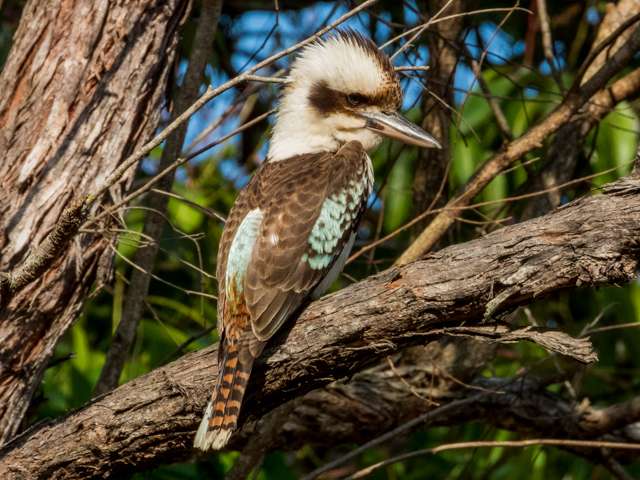
Kookaburra: The ultimate iconic bird, the Laughing Kookaburra, is easily heard and seen in suburban backyards and parklands.
2. The South-East Corner: Endemics and Penguins
Moving south into Victoria and Tasmania offers cooler climates and unique endemic species.
A. Victoria: Melbourne and the Mallee
Melbourne serves as a gateway to both the rugged coast and the inland Mallee scrub, a dense, low-growing eucalypt habitat vital for specialized birds.
The Targets:
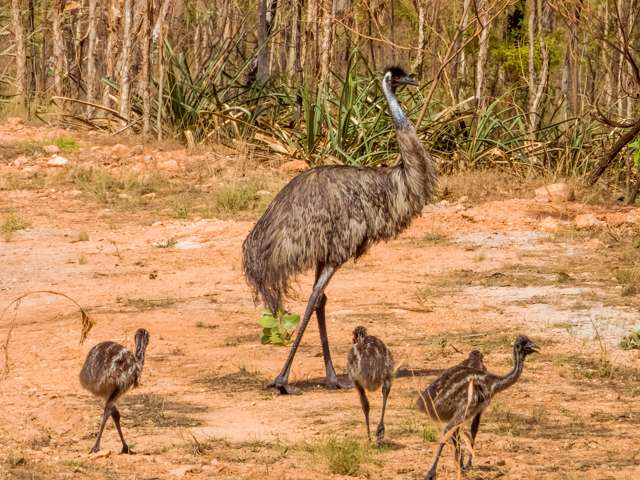
Emus: The largest bird in Australia (after the Cassowary), the Emu is readily found in the extensive semi-arid parks.
Malleefowl: One of Australia’s shyest birds, the Malleefowl is a spectacular mound-builder. Seeing one is a challenge, but the habitat around Hattah-Kulkyne National Park is key.
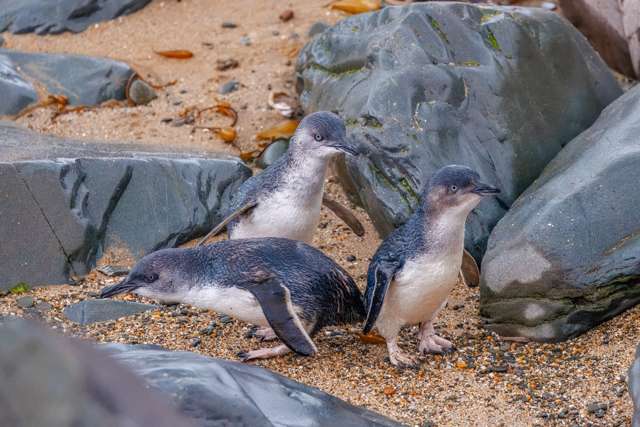
Little Penguin: While not endemic to Australia, seeing these smallest of the world's penguins returning from the sea at sunset on Phillip Island is an unforgettable spectacle.
Location Focus: The Great Ocean Road offers coastal views where you might spot Australasian Gannets and various oceanic shearwaters.
3. Western Australia: The Other Side of the Continent
For the adventurous birder with more time, a trip to Perth and the southwestern corner is highly recommended. The birds here have been geographically isolated for so long that many species found in the west are distinct from those in the east.
The Targets: Look for the beautiful black and white Carnaby’s Black Cockatoo (endangered) and the vibrant Western Rosella. The small, secretive Red-capped Robin is also a standout.

Location Focus: The region around Albany and Stirling Range National Park is renowned for its diverse flora and specialized birdlife.
Essential Tips for the U.S. Birder
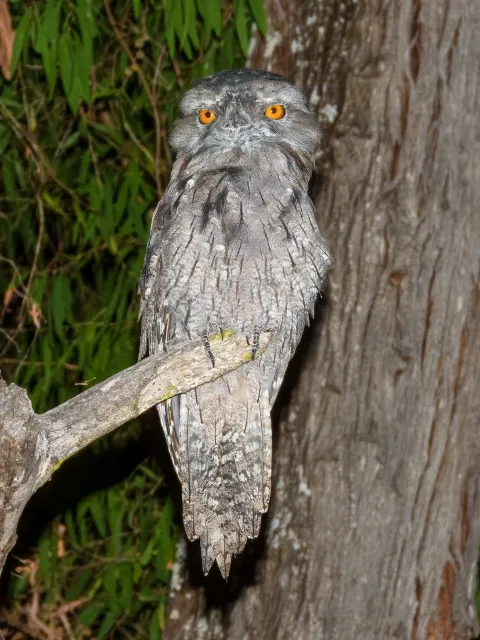
Nocturnal Birds: Australia has three main nocturnal birds: Owls (similar to Northern Owls), Frogmouths (which look like pieces of bark), and Nightjars. Look for Tawny Frogmouths sitting on branches during the day in Sydney parks.
Dangerous Wildlife: While the birds are great, be aware of the environment. Always check for venomous snakes, particularly when walking off-trail in the dry inland and coastal scrub.
Timing: The Australian Spring (September to November) is often considered the best time for birding, as it coincides with breeding season, meaning birds are more vocal and more brightly plumaged.
Safety Gear: Bring a wide-brimmed hat, strong sunscreen (UV index is intense), and plenty of water. The climate can be harsh and unforgiving.
A birding trip to Australia is a transformative experience, offering sights that will reset a birder's appreciation for avian diversity. From the raucous calls of the Kookaburra to the quiet majesty of the Cassowary, the unique birds of Australia await discovery.
