
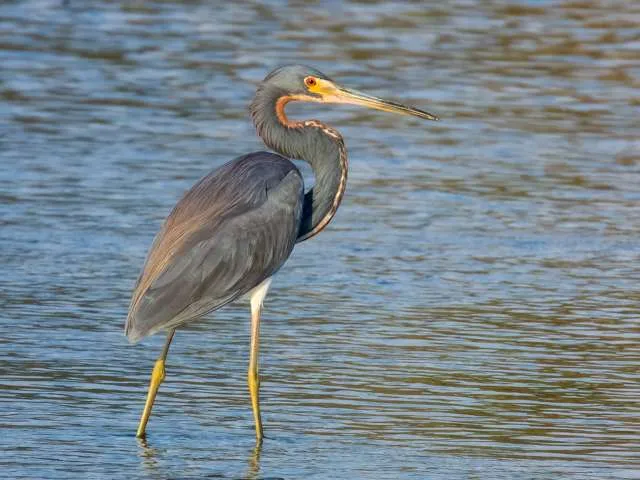
Bird watching, or "birding" as it's often called, is a hobby that can be as simple as watching a robin in your backyard or as complex as a multi-day expedition to find a rare species. Like any specialized pursuit, it has its own unique language, a collection of terms that can be confusing to the uninitiated.
Before you can "pish" a warbler out of a tree or go on a "Big Day," it helps to understand the lingo.
This glossary is designed for the beginning bird watcher, providing a clear and comprehensive guide to the essential vocabulary of the birding world. It’s an article to read at your leisure, not a memorization test. Think of it as your first field guide to the birding community itself.
The Basics: Getting Started
Birding/Bird Watching: These terms are often used interchangeably. "Birding" is a more concise, modern term favored by many in the community. It implies an active, focused pursuit, while "bird watching" can sound more passive, but both are perfectly acceptable and mean the same thing.
Spark Bird: This is the bird that started it all for you. The one that, for whatever reason, captured your imagination and ignited your passion for the hobby. It could be the brilliant flash of a Northern Cardinal, the majestic flight of a Bald Eagle, or the cheerful song of a Song Sparrow. Everyone has a spark bird, and it's a great conversation starter among fellow birders.
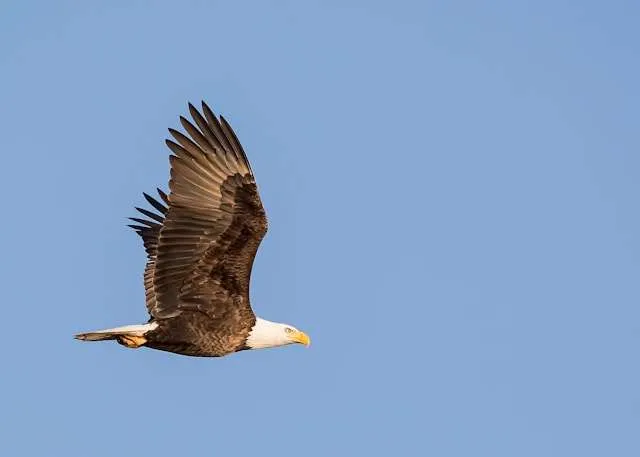
Lifer: A lifer is the first time you see a particular species in your life. The feeling of adding a new bird to your "life list" is one of the most exciting moments in birding. Every birder remembers their first lifer.
List/Listing: This refers to the practice of keeping a record of the bird species you have seen. Lists can be organized in many ways: a life list (all birds ever seen), a year list, a yard list (birds seen from your home), a state list, or a trip list. Listing is a way to track your progress and set goals, but it's not a requirement to enjoy the hobby.
Field Guide: An essential tool for any birder. A field guide is a book or app that helps you identify birds in the wild. Modern field guides often include illustrations or photographs, range maps, and descriptions of songs and calls.
Optics: This is a general term for the equipment used to get a better look at birds. The most common optics are binoculars, but many birders also use spotting scopes, which are like small telescopes mounted on a tripod for a closer, more detailed view.
Bird Behavior & Identification
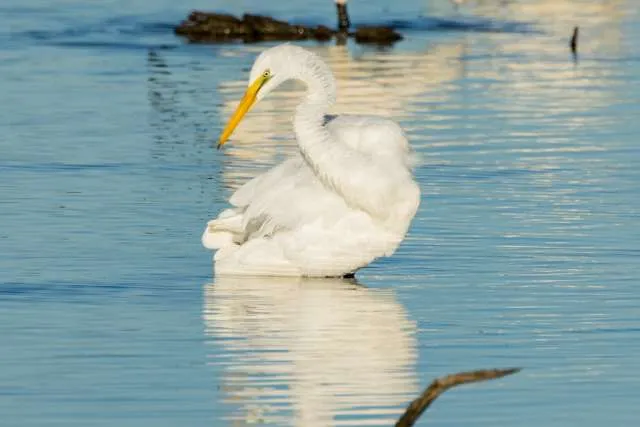
Field Marks: These are the specific features of a bird that help you identify it. This could be a bold stripe above the eye, a patch of color on the wing, the shape of the tail, or the pattern on the breast. Learning to look for field marks is the key to accurate identification.
ID: Short for "identification." The process of using a field guide and your knowledge to figure out what species of bird you are looking at.
Jizz: This is a somewhat quirky but very useful term. It stands for "General Impression of Size and Shape." It refers to the overall, gut-feeling identification of a bird based on its unique flight pattern, silhouette, and movement, even before you can make out its specific field marks. For example, a starling has a very distinct jizz in flight.
Pishing: This is a technique used to attract small, curious songbirds. It involves making a repeated "pish, pish, pish" sound, often with a series of clicks and whistles, to mimic an alarm call or a small scuffle. Small birds will often come out to investigate the disturbance.
Playback: The use of an electronic device, like a phone app, to play a recording of a bird's song or call. It's used to attract a bird to your location. The ethical use of playback is a hot topic among birders, as it can stress birds and disrupt their natural behavior. It's best to use it sparingly, if at all, especially during the breeding season.

Birding Locations & Events
Patch: A local birding spot you visit regularly. It could be your backyard, a local park, or a nearby wildlife refuge. Birding your patch is a great way to learn seasonal changes and bird movements in your area.
Hotspot: A location that is well-known for its excellent birding opportunities, often attracting a wide variety of species. These are popular spots to visit for a chance to see many different birds.
Big Day: A challenge where birders try to identify as many species as possible within a 24-hour period. It can be a personal challenge or a competitive event, often covering a specific geographic area like a county or state.
Fallout: This is a phenomenon that happens during migration when a large number of birds, usually small songbirds, are "grounded" in a concentrated area due to bad weather. A sudden cold front or a storm can force birds to land to rest and refuel, creating an incredible opportunity for bird watchers.
Migration: The seasonal movement of birds from one region to another, typically from breeding grounds to wintering grounds. In North America, this happens every spring and fall and is a major event for birders.
Check out our post all about passerines.

The Community & Culture
Birder/Twitcher: In the U.S., "birder" is the common term for a person who enjoys bird watching. In the U.K., "birder" is a serious enthusiast, while a "twitcher" is a specific type of birder who travels great distances to see a rare or vagrant bird that has been reported. In the U.S., a "twitcher" is often referred to as a "chaser."
Vagrant: A bird that has wandered far outside of its normal migration or breeding range. Seeing a vagrant bird is a rare and exciting event for any birder.
Dip: A "dip" is when you try to find a specific bird that has been reported, but you fail to see it. It's a universal experience and a bit of a running joke among birders. It's part of the fun!
Target Bird: A specific species of bird you are actively trying to find. This could be a rare bird reported in a specific area, or simply a new species you want to add to your list.
The Code: Short for the "Code of Birding Ethics," a set of guidelines developed by organizations like the American Birding Association (ABA) that promotes responsible birding. It covers things like respecting birds and their habitats, respecting other people, and being a good ambassador for the hobby.
Expanding Your Vocabulary
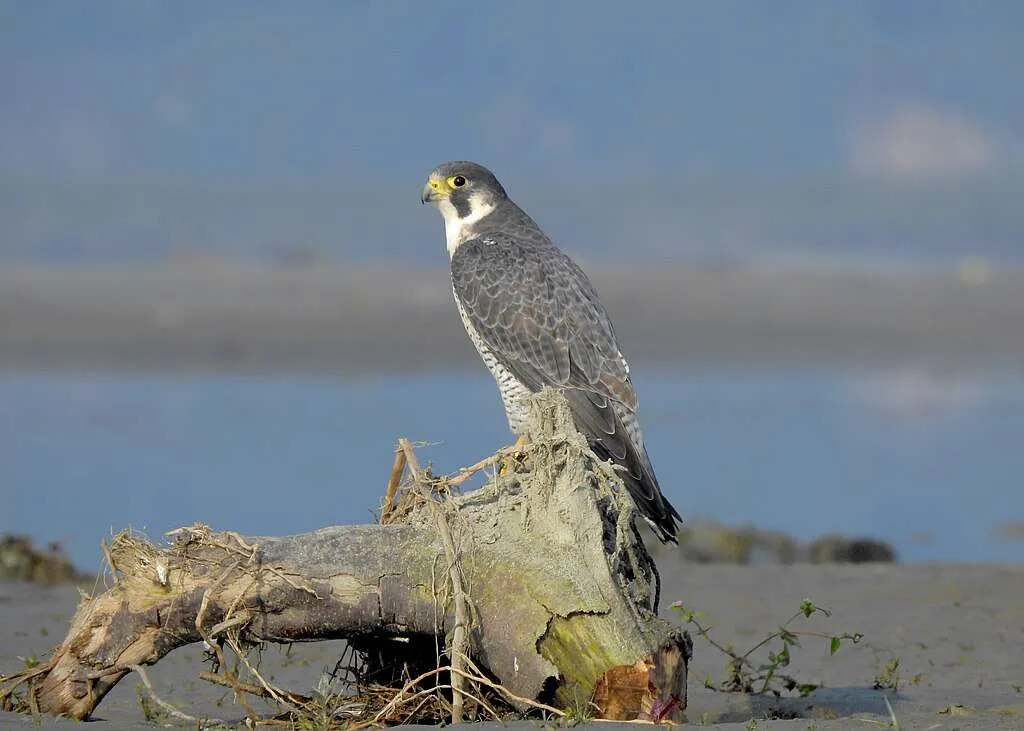
Raptor: A bird of prey. This category includes hawks, eagles, falcons, and owls.
Waterfowl: Birds that live on or around water, like ducks, geese, and swans.
Shorebirds: Birds that live on coasts and shorelines, like sandpipers, plovers, and avocets.
Passerine: A type of bird that perches. This is the largest group of birds and includes most of the small songbirds you'll see in your backyard, like finches, sparrows, and warblers.
Wrapping Up
This glossary is just the beginning of your journey into the rich and rewarding world of birding. Don't worry about memorizing everything at once. The best way to learn these terms is to get out there and start using them. Soon, you'll be casually talking about your "lifer warbler" or a "fallout of passerines" with the best of them. The birding community is one of the friendliest and most welcoming you'll find, and a shared vocabulary is a great way to make a connection. So grab your binoculars, head outside, and start your own list. Happy birding!
Find out what drives the avid bird watcher.
