

Birdwatching, or "birding" as the serious hobbyists call it, is experiencing an unprecedented surge in popularity across the United States. Once stereotyped as an activity reserved for elderly professors in tweed jackets, birding has become a mainstream passion, drawing in everyone from digital-native Gen Z to pandemic-weary baby boomers. The numbers are staggering: according to the U.S. Fish and Wildlife Service, over 96 million Americans participate in some form of wildlife watching, with birdwatching being the most popular component. This represents nearly 38% of the adult U.S. population, making it one of the largest nature-based hobbies in the nation.
But this isn't just about an increase in sheer numbers; it’s a cultural shift driven by technology, social change, and a fundamental human need to reconnect with nature. The birding boom reflects a widespread, accessible response to modern life's stressors and an awakening to the rich, complex biodiversity that exists right outside our windows.
A Post-Pandemic Quest for Presence
The single greatest accelerant for the recent birding surge was the COVID-19 pandemic. Faced with lockdowns, travel restrictions, and a sudden deceleration of daily life, millions of Americans looked for meaningful activities that could be done locally and safely. Birding fit the bill perfectly.

Accessibility: Birding requires minimal gear—just a window, eyes, and perhaps a cheap pair of binoculars. Unlike hiking or rock climbing, it doesn't necessitate traveling to a remote wilderness area; birds are everywhere, from urban parks to suburban backyards.
Mindfulness and Focus: In a world saturated with digital distractions, birding demands presence. To identify a subtle field mark on a sparrow or track a fast-moving warbler requires quiet focus. This mindful observation offers a powerful antidote to anxiety and the constant pull of the screen, providing a sense of calm and routine that many found desperately needed during uncertain times.
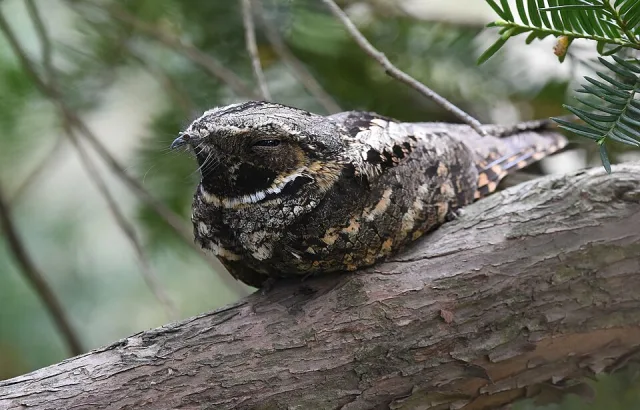
The "Spark Bird": For many newcomers, the realization that an ordinary robin or a cardinal is just the tip of the iceberg sparked intense curiosity. Discovering the dazzling plumage of a migratory Prothonotary Warbler or the cryptic camouflage of a Whip-poor-will can turn casual feeders into dedicated field observers almost instantly.
Technology: From Field Guides to Digital Data
https://lovethebirds.com/washington-state-best-bird-watching-locations/
The second engine driving the birding boom is technology, which has fundamentally democratized the hobby. The digital revolution has shattered the barriers of knowledge and accessibility that once made birding intimidating to novices.
eBird and Citizen Science: The Cornell Lab of Ornithology’s eBird platform is arguably the most powerful tool in modern birding. It allows anyone to log their sightings in real-time using a simple smartphone app. Crucially, eBird provides instant, crowdsourced information on where rare birds are being seen and generates heat maps showing migration paths. This data-driven approach appeals to a generation accustomed to tracking and sharing information instantly. By submitting checklists, the casual birder becomes a citizen scientist, contributing to one of the largest biological databases in the world, linking personal enjoyment to global conservation efforts.

Merlin Bird ID: Another game-changer from Cornell, the Merlin Bird ID app uses artificial intelligence to identify birds both by photo and, most impressively, by sound. A novice can simply hold up their phone, hit record, and the app will instantly tell them which species are singing nearby. This eliminates the lengthy, often frustrating process of flipping through heavy paper field guides, making identification immediate and exciting.

The Merlin ID App Just Changed Birding Forever: How to Master Sound ID in 3 Steps.
Online Communities: Social media platforms are now flooded with birding groups, from local rare bird alerts to national forums. These communities offer support, identification help, and the social incentive of sharing spectacular photos and logging impressive lists.
A New Conservation Constituency
The sheer size of the birding community now represents a powerful political and economic force.
Economic Impact
The U.S. Fish and Wildlife Service reports that wildlife watching, dominated by birding, generates billions of dollars in economic activity annually. This money is spent on.
Equipment: Binoculars, spotting scopes, cameras, lenses, and tripods.
Feeders and Seed: The massive industry centered on backyard bird feeding.
Birding Tourism: Dedicated trips to hotspots like the Rio Grande Valley in Texas, the wetlands of coastal Louisiana, and migration bottlenecks like Point Pelee in Ohio (on the Canadian border). This ecotourism directly supports local economies in rural areas.

Conservation Advocacy
Ninety-six million Americans who care about birds translate into powerful advocacy for habitat protection. When a local park is threatened or a major wetland is slated for development, the birding community frequently mobilizes.
The concerns of birders are directly tied to major conservation issues:
The 3 Billion Birds Lost Report: The shocking 2019 study revealing that North America’s bird population has declined by nearly 3 billion individuals since 1970 has galvanized the community. Birders are now more aware than ever that their hobby is inseparable from the crisis of biodiversity loss.
Window Collisions: The birding community is driving public awareness and action on threats like fatal window collisions, promoting the use of window decals and specialized glass, often seen in major cities where millions of birds die annually flying into reflective buildings.
The Future is Feathered
The current birding boom is much more than a temporary trend; it’s a cultural return to something innate. Birds are the most visible, accessible connection we have to the wild world. They are indicators of environmental health, and their presence provides a simple, daily joy.
The fusion of modern technology with this ancient, rewarding practice ensures that the boom will continue. As more cities develop accessible urban sanctuaries, and as the global community rallies around protecting migratory flyways, the American birder will continue to play an increasingly central role. For those 96 million Americans, looking up has become a path not only to personal fulfillment but also to global stewardship. The sky, it turns out, is the new frontier of American environmentalism.
Why Birding Tourism is Booming—And the Top 5 Destinations on the Planet
