

Birdwatching, or "birding," is more than a quiet, contemplative hobby for retirees; it is a gateway to the natural world, a hands-on science lesson, and a powerful tool for fostering mindfulness and curiosity in children.
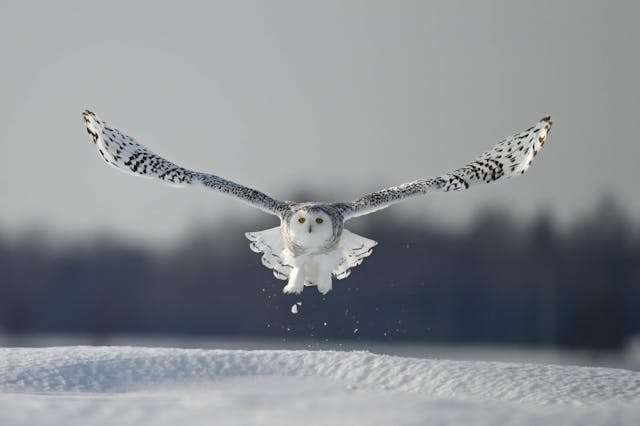
In the United States, with its unparalleled biodiversity, from the Snowy Owls of the northern states to the hummingbirds of the Southwest and the wading birds of the coastlines, the opportunities for young enthusiasts are endless. This comprehensive guide outlines U.S.-based activities and projects designed to turn any backyard, city park, or national wildlife refuge into a thrilling outdoor classroom for kids of all ages.
The Educational and Emotional Value of Birding
Before diving into activities, it's crucial to understand why birding is uniquely beneficial for children. It’s an activity that directly links classroom concepts to real-world observation.
- Develops Critical Observation Skills: Identifying a bird requires noting "field marks"—color patterns, beak shape, tail length, and movement—which are complex details that sharpen a child’s attention span and focus. This process is like a real-life scavenger hunt, making observation a fun challenge.
- Fosters Scientific Literacy: Birding introduces fundamental concepts of biology and ecology, such as migration, habitat, food chains (predator/prey relationships), and species diversity. Learning about a bird’s specialized beak to eat seeds or a raptor’s talons to catch prey teaches children about evolutionary adaptation and ecosystems.
- Instills Empathy and Conservation: By observing birds in their natural environment, children develop an appreciation for wildlife. This personal connection is the foundation of conservation, leading to discussions about the importance of native plants, clean water, and protecting natural spaces—vital lessons in becoming environmentally conscious citizens.
- Promotes Mental Well-being: Birdwatching is inherently mindful. Standing still, listening quietly for a song, and focusing on the subtle movement of a small creature reduces stress and anxiety, replacing screen time with calming, outdoor engagement.

Level 1: Backyard Birding—The Starting Line (Ages 3-7)
The easiest and most accessible place to start is right outside a window. The U.S. is home to resilient urban species, like the American Robin, Northern Cardinal, and Blue Jay, which are perfect subjects for beginners.
1. The DIY Bird Sanctuary Project
Turn your yard, balcony, or a window sill into a reliable bird hotspot. This hands-on project teaches responsibility and biology.
- Pinecone Feeders: A classic, simple craft. Kids collect large pinecones, coat them in natural peanut butter (avoiding toxic sweeteners like xylitol), and roll them in birdseed. Hang them from a tree branch in a spot visible from a window. This teaches children what different birds eat and how to provide them with food safely.
- Recycled Bird Feeders: Use empty milk cartons or plastic bottles to construct a simple feeder. This reinforces recycling while demonstrating principles of architecture and design (ensuring the seed stays dry).
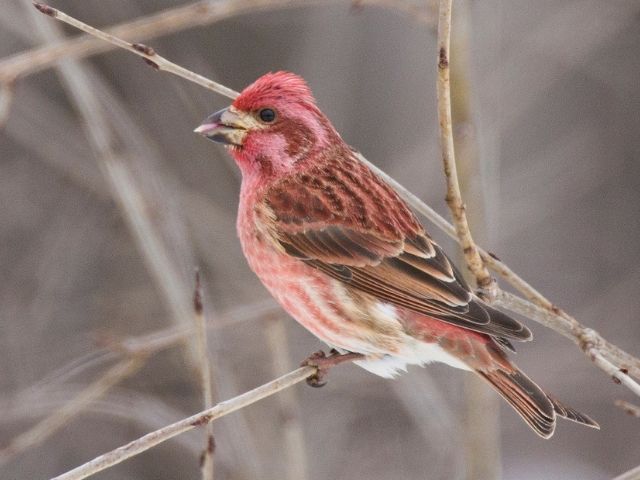
- Window Bird Feeders: A clear, suction-cup-mounted feeder brings the action up close, allowing for observation without disturbance. Watching a House Finch or Chickadee feed just inches away is often enough to captivate a child's interest instantly.
- The Bird Bath: Birds need water for drinking and preening. Help your child create a shallow, easy-to-clean bird bath. Adding a small stone in the middle gives small birds a safe place to perch and keeps the activity lively.
2. The Nature Journal and Bird Bingo
Instead of focusing on scientific names initially, encourage simple, artistic documentation.
- Nature Journaling: Provide a simple notebook, crayons, and a pencil. The goal is not a perfect drawing, but an observation log. Ask your child to record the date, the weather, and then sketch the bird they saw, noting its colors and what it was doing (singing, hopping, eating). This activity combines science, art, and writing.
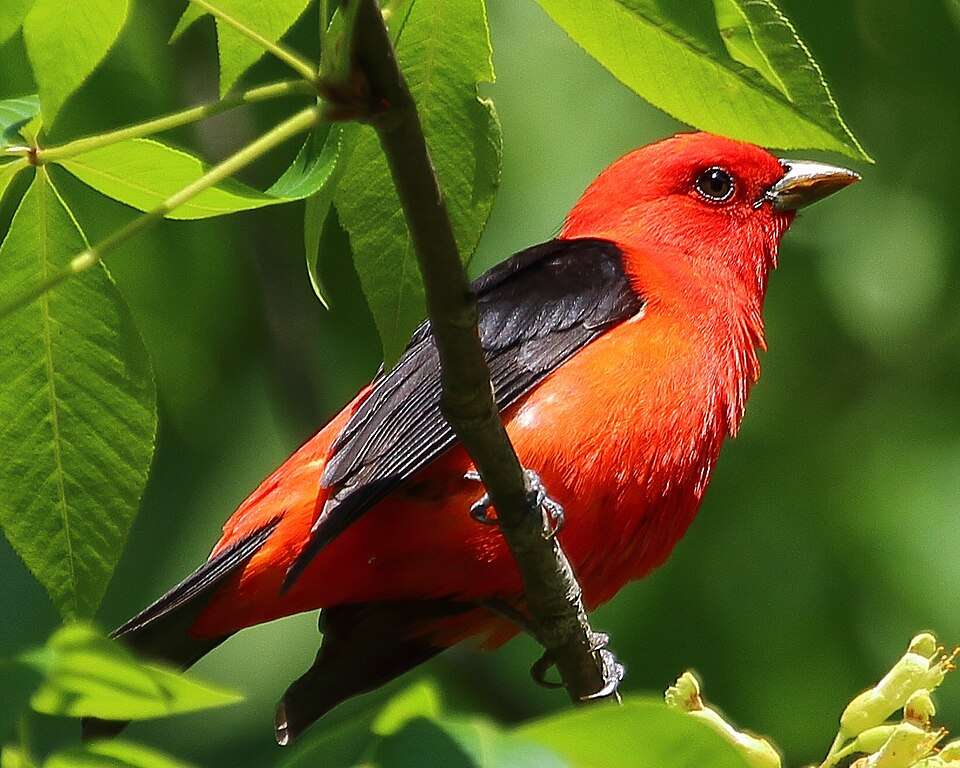
- Bird Bingo/Scavenger Hunt: Create a simple checklist of 4-5 common local birds (e.g., "Red Bird," "Black Bird," "Bird with a Blue Patch," "Chirping Bird"). Check off the list as they are seen or heard. For older kids, the challenge can be increased to include specific behaviors: "a bird flying," "a bird singing," "a bird looking for a worm."
Level 2: Local Exploration—Gaining Altitude (Ages 8-12)
As interest grows, it’s time to move beyond the backyard and introduce the essential tools and community engagement that define modern birding.
3. Essential Tools and Bird ID Apps
A dedicated set of birding gear makes the activity feel official and exciting.
- Kid-Friendly Binoculars: Invest in a lightweight pair of 6x30 or 8x21 binoculars designed for children. Practice looking at an object, then raising the binoculars to the eyes without losing sight of it—a crucial skill that requires patience and hand-eye coordination.Check out our guide to binoculars for kids.
- Field Guides and Apps: Ditch the heavy adult guides for something simpler, like the National Geographic Kids Bird Guide of North America. More importantly, embrace modern technology:
- Merlin Bird ID App (Cornell Lab): This free, U.S.-based app is revolutionary for young birders. Kids can answer five simple questions about a bird (size, color, location) to get a list of likely species, turning a frustrating identification into a fun puzzle. Its Sound ID feature is a magical tool, allowing kids to simply hold up a phone and see a list of birds singing around them, instantly validating their listening skills.
- eBird Mobile App: For the more serious young birder, the eBird app (also from Cornell Lab) turns their observations into real-time data for scientists globally. Submitting a "checklist" introduces concepts of data collection and citizen science.
4. The Citizen Science Experience
The U.S. is a hub for community science birding projects, which offer concrete, short-term goals to keep children engaged.
- The Great Backyard Bird Count (GBBC): Held annually in February, this four-day event is the perfect, low-barrier introduction to bird monitoring. Participants simply watch birds for 15 minutes or more in their chosen location, identify them, and report the data. It transforms a solo activity into a massive, global effort.
- The Christmas Bird Count (CBC): For older, dedicated kids, the annual Christmas Bird Count (run by Audubon) offers a more structured field experience, often involving joining local birding groups to survey specific areas.
5. Beak and Feet: A Lesson in Adaptation
Use a hands-on activity to explain how birds are perfectly adapted to their environment. This is an excellent STEM activity.
- The Beak Lab: Gather various tools to represent different bird beaks (tweezers for insect-eaters, nutcrackers for seed-eaters, a straw for a hummingbird, a spoon for a duck). Use different "food" items (small beads, sunflower seeds, sugar water, small pebbles) and challenge your child to collect the food using only one tool. The rapid failure of using a straw on sunflower seeds is a memorable lesson in evolutionary specialization.
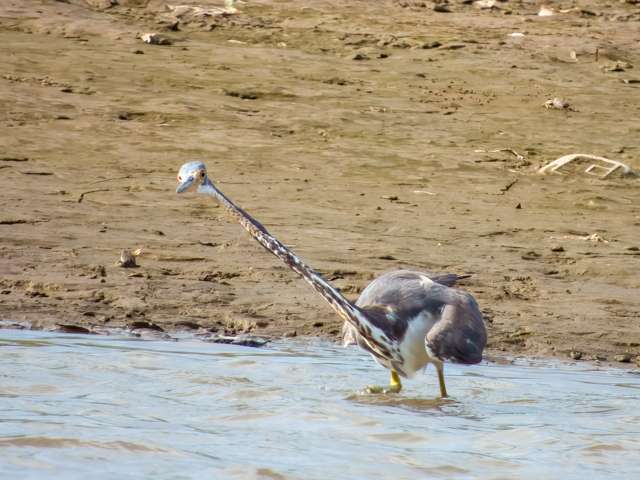
- The Foot Challenge: Discuss how different feet are suited for different habitats: webbed feet for swimming (ducks), long legs for wading (herons), and grasping talons for hunting (hawks). Visit a pond and a forest on separate trips to observe these adaptations in action.

Level 3: Advanced Adventures—Going the Distance (Ages 12+)
For teens and those with a serious passion, birding becomes a tool for exploration, social connection, and deeper scientific inquiry.
6. Exploring U.S. Birding Hotspots
The United States National Park Service (NPS) and National Wildlife Refuge (NWR) systems offer world-class birding in diverse, protected habitats.
- National Wildlife Refuges: These sites, managed by the U.S. Fish and Wildlife Service, are specifically dedicated to wildlife conservation. NWRs like the Aransas National Wildlife Refuge in Texas (winter home of the endangered Whooping Crane) or the Audubon Corkscrew Swamp Sanctuary in Florida (home to wading birds) often have accessible trails, observation decks, and educational programs ideal for families.
- The Great Loop (Migration Flyways): Teach your teen about the major U.S. migration routes (Atlantic, Mississippi, Central, and Pacific Flyways). Plan a spring or fall trip to a location known for spectacular migration, such as Cape May, New Jersey, or the Hawk Mountain Sanctuary in Pennsylvania, to witness the massive movement of raptors or songbirds.
- Coastal Birding: A trip to a U.S. coastline (like the Gulf Coast, Pacific Coast, or New England) allows for the study of shorebirds and seabirds, introducing concepts like tides, marine ecosystems, and the impact of pollution on coastal life.
7. Join the Young Birders Community
Birding can seem solitary, but the U.S. has a growing network of youth clubs.
- Young Birders Clubs: Many regional and state Audubon societies sponsor dedicated clubs for birders typically aged 8-19. These clubs organize guided field trips, workshops on photography or identification, and social events, offering a sense of community and the opportunity to learn from expert mentors.
- Birding Competitions: For a fun challenge, introduce the concept of a "Big Day" or a "Birdathon," where the goal is to identify as many species as possible within a 24-hour period in a specific location. This highly competitive and educational activity is great for high-energy teens.
Wrapping Up
Birdwatching is unique because it meets children exactly where they are—whether in a small city apartment observing Pigeons and Sparrows, or deep in the Arizona desert searching for a rare warbler. By framing birding as an adventure, a craft project, and a vital form of citizen science, parents and educators can bypass the passivity of screen-based entertainment and give children a pair of wings for exploration.
In the diverse landscapes of the United States, from the dense northern forests to the vast western plains, every bird sighted is a new discovery, cementing a connection to nature that will last a lifetime. All you need to start is a window, a moment of quiet, and a curious mind.
