
The American obsession with the perfectly manicured lawn—a vast, chemically-treated, green carpet—has inadvertently created an ecological desert right outside our doors. This aesthetic ideal, marked by raked leaves, dead-headed flowers, and closely-cut grass, is directly at odds with the survival of native bird populations across the United States. It's time to re-think neatness and embrace the wild, layered, and yes, messy garden as the true haven for our feathered neighbors.
The truth is simple: a less manicured, more natural garden is not just better for birds, it’s essential for their survival, providing the critical resources—food, shelter, and nesting sites—that sterile landscapes simply cannot.
The Green Desert: What's Wrong with the Perfect Lawn?
The typical American lawn, comprising over 40 million acres of land, is often a monoculture of non-native turf grass. It is maintained with an arsenal of pesticides and fertilizers that strip the ecosystem of life.
- No Food Value: The grass itself offers almost nothing in the way of food for native birds. It does not host the necessary insects, nor does it produce the seeds and berries birds rely on.
- Chemical Harm: Pesticides, designed to kill insects, remove the primary food source for many bird species. During breeding season, almost all baby birds, including familiar species like chickadees and robins, are fed a diet almost exclusively of caterpillars and other insects. By eliminating the insects, we starve the nestlings. Fertilizers can also harm the soil and water health, disrupting the entire local food web.
- Lack of Habitat Structure: A flat, open lawn offers no shelter from predators (like neighborhood cats or hawks) and no suitable spots for nesting. Birds need a dense shrub layer and ground cover to feel safe and raise their young.
The National Audubon Society and leading entomologists like Dr. Douglas Tallamy have championed the movement to replace this "green desert" with functioning, life-sustaining native habitat.
Insect Factory: The Foundation of the Food Web
The single greatest benefit of a messy, native-heavy garden is its ability to support a robust insect population. Without insects, there are no birds.
- Native Plants Host Native Insects: Native plants have co-evolved with native insects, resulting in a complex, symbiotic relationship. For example, the Monarch butterfly caterpillar will only eat milkweed (an American native plant). A manicured garden full of exotic plants is essentially invisible to native insects. Native plants sustain a far greater insect diversity and abundance than non-native species.
- The Power of the Caterpillar: A clutch of chickadee nestlings requires a staggering 6,000 to 9,000 caterpillars to fledge. These insects are mainly found on native trees and shrubs. Allowing native plants to thrive, and accepting the inevitable nibbled leaf, is the first step in provisioning a bird family.
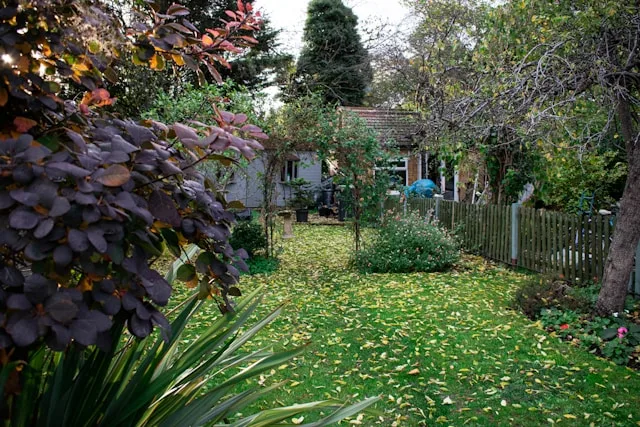
- Leaf Litter: The Hidden Pantry: A neat-and-tidy gardener's impulse is to rake every fallen leaf. For a bird, however, this leaf litter is a winter grocery store. It provides shelter for overwintering insects, pupae, and moth caterpillars, which are then foraged by ground-feeding birds like thrashers, towhees, and sparrows. Leaving leaves in garden beds acts as a natural mulch, enriching the soil and keeping it moist, while fueling the insect population that birds need.
Essential Elements of a Bird-Friendly Mess
Moving beyond the lawn means incorporating the four key elements birds require: food, shelter, water, and a place to raise young. The "messy" garden excels at providing the latter three in particular.
1. Leave the Standing Dead
The urge to "dead-head" and cut back every perennial stem in the fall and winter is detrimental.
- Seed Heads for Winter Food: The dried flower heads of plants like coneflower, sunflower, and asters contain seeds that provide critical sustenance for finches, sparrows, and other seed-eaters during the cold months.
- Stems for Shelter: The hollow stems of many perennials offer overwintering habitat for native bees and other beneficial insects. These insects, in turn, become a meal for hungry winter birds.
- Snags and Brush Piles: A standing dead tree or large limb (a snag) that poses no hazard is a goldmine. It serves as a lookout perch for birds of prey and hummingbirds alike, and its decaying wood provides cavities for nesting species like woodpeckers, chickadees, and bluebirds. A simple brush pile of fallen sticks and branches tucked away in a corner of the yard provides immediate, dense shelter for small birds to escape predators and harsh weather.
2. Embrace Structural Complexity
A natural ecosystem is not flat; it has layers. A messy garden embraces this structural diversity.
- The Understory: Small birds are especially vulnerable to urbanization and are often chased away by larger, more aggressive species. They desperately need the dense, shrubby layer—plants between 2 and 6 feet tall—for safety and nesting. By planting a variety of native shrubs, groundcovers, and grasses, you create the layered structure that mimics natural woodlands and offers safe passage and hiding spots.
- Diversity in Food: Plan to have plants that bloom and fruit at staggered times. While feeders offer supplementary food, native plants provide the full spectrum of nutrition: nectar for hummingbirds, berries in summer and fall (like American beautyberry and dogwood), and seeds in winter.
From "Messy" to Managed Wild
Adopting a less manicured approach is not about letting your yard become an invasive weed patch. It's about re-directing your energy from relentless tidiness to thoughtful habitat creation.
- Weed Selectively: The only tidying that must be done is the removal of invasive exotic plants that crowd out natives. Focus your energy here instead of on raking leaves and cutting back healthy perennials.
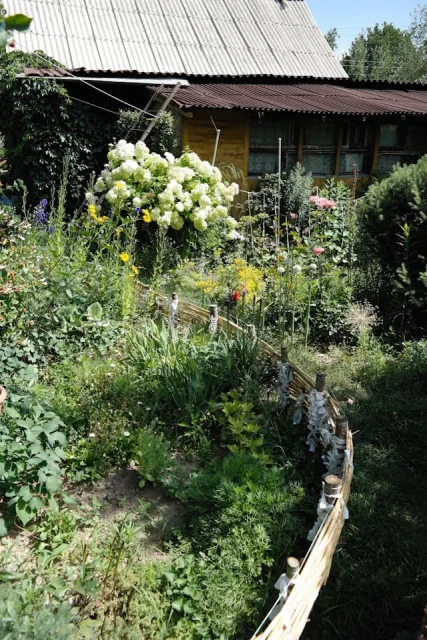
- Define Your Edges: If neighbors worry about the "unkempt" look, create clear visual cues of management. Mowing a thin, neat strip along sidewalks and property lines, or adding a small fence or crisp edging to your wild garden beds, signals that the rest is intentional habitat. You can even post a small sign explaining your garden is a certified wildlife habitat.
By abandoning the tyranny of the tidy lawn, you are not just getting a break from weekend chores; you are joining a vital grassroots effort to restore the American ecosystem. Your less manicured garden becomes a tiny, vibrant ark for native birds, ensuring their future, one "messy" corner at a time.
The Feathered Feast: Unpacking Bird Feeding Guilds Across the U.S.
