
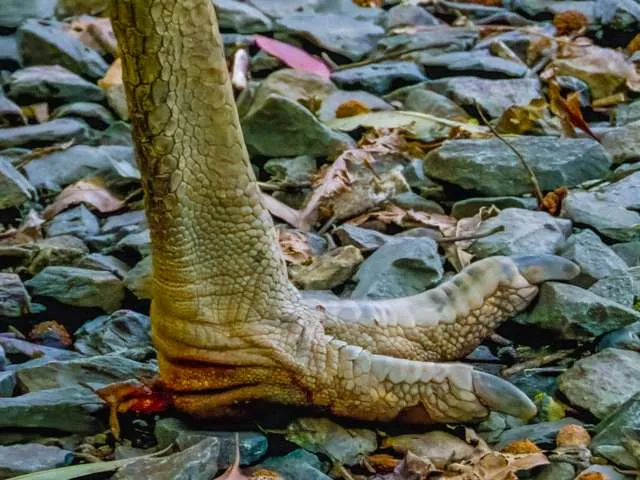
When we think of birds, our minds often go to their brilliant plumage, soaring wings, or melodic songs. Yet, a bird's feet are arguably one of its most remarkable and essential features. More than simple appendages for perching, a bird's feet are a testament to millions of years of evolution, perfectly adapted to their unique lifestyles and environments. In the diverse avifauna of the United States, we can find a stunning variety of avian feet, from the impossibly tiny to the staggeringly large, each a specialized tool for survival.
Hummingbirds
In the realm of the minuscule, no U.S. bird can compete with the hummingbird. These "flying jewels" are not only the smallest birds in North America but also possess some of the most delicate and seemingly insignificant feet. A hummingbird's feet are so small that they are almost entirely useless for walking. Instead, they are an adaptation for their unique, high-energy lifestyle.

Hummingbird feet are primarily used for perching. Their tiny, four-toed feet (three forward, one back) allow them to grip branches and feeders securely. This is a crucial function, as these birds must rest and conserve energy after their frenetic foraging. But their feet have other surprising uses. They are also employed for preening, nest-building, and even in territorial disputes, where males may use them to swat at rivals. Furthermore, during flight, hummingbirds often dangle their feet to help dissipate excess heat, a vital function for a creature with such a high metabolic rate. The small, lightweight nature of their feet is a perfect example of an evolutionary trade-off, prioritizing agility and a streamlined body for hovering and rapid flight over terrestrial mobility.

Chimney Swift
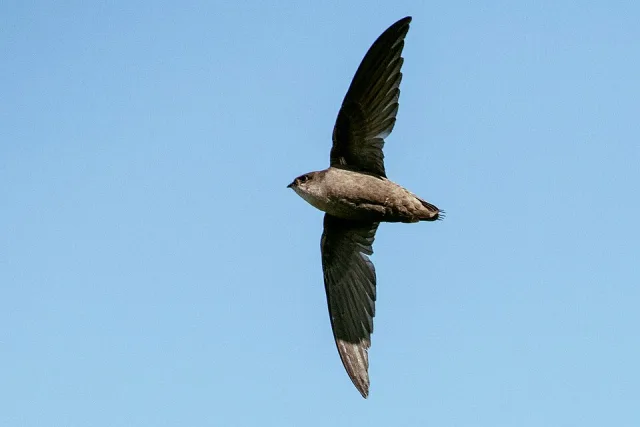
Another contender for the smallest feet is the Chimney Swift. Like the hummingbird, these birds are aerial specialists. Their legs are so short and their feet so small and weak that they cannot perch on horizontal surfaces. Instead, their feet are pamprodactyl, meaning all four toes can be pointed forward. This unique arrangement, combined with tiny, sharp claws, allows them to cling to vertical surfaces like chimneys, hollow trees, and brick walls. They spend almost their entire lives in the air, only coming to roost on these vertical surfaces, a lifestyle reflected in their specialized, almost vestigial-looking feet.
American Coot
At the other end of the spectrum, the United States is home to birds with feet of imposing size and power. While the California Condor holds the title for the largest wingspan of any North American bird, its feet, while powerful, are not the most massive in proportion to its body. That distinction might arguably belong to a less celebrated, but equally fascinating bird: the American Coot.

The American Coot is a common sight on ponds and lakes across the country. At first glance, it looks like a small, unassuming duck, but a closer look at its feet reveals a remarkable adaptation. Coots possess what are known as "lobate" feet, which are not fully webbed but have large, fleshy lobes on each toe. These lobes act like paddles in the water, providing propulsion while swimming and diving.
However, the true marvel of the coot's feet is their function on land. The lobate toes, unlike the fully webbed feet of ducks and geese, allow the coot to walk and run with relative ease on both firm ground and soft, muddy shorelines. This is a crucial adaptation for a bird that spends time both in the water and foraging on the land. The American Coot's feet are a perfect example of a dual-purpose tool, enabling it to navigate two very different environments. Their feet are so comically large that they have earned them the nickname "big foot birds," and when a coot is seen running across the water's surface to take flight, it's a memorable display of their foot-powered prowess.
Eagles

While the American Coot's feet are noteworthy for their unusual structure, when it comes to sheer size and power, the feet of America's largest raptors are in a class of their own. The Bald Eagle and the Golden Eagle possess some of the most formidable feet in the U.S. avian world. Their feet, known as raptorial feet, are equipped with sharp, curved talons. These feet are not for walking; they are lethal weapons designed for a single purpose: to seize, crush, and carry prey.
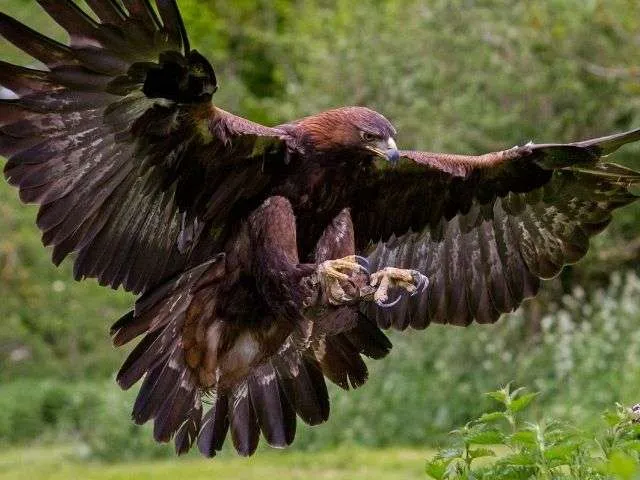
The Bald Eagle's massive talons allow it to snatch large fish from the water's surface, while the Golden Eagle's feet are powerful enough to take down mammals as large as deer fawns. The grip of a raptor's foot is extraordinary, a feat of both strength and specialized anatomy. The unique "locking" mechanism in their tendons allows them to maintain a firm grip on their prey without expending constant energy.
A Multitude of Uses: The Versatility of Avian Feet
Beyond the extremes of size, a bird's foot is a versatile instrument with countless functions.
- Perching: The most common toe arrangement in the U.S. is "anisodactyl," with three toes facing forward and one backward. This arrangement, found in passerines like cardinals and chickadees, is ideal for gripping branches. A specialized tendon-locking mechanism ensures they can perch and even sleep without falling off.

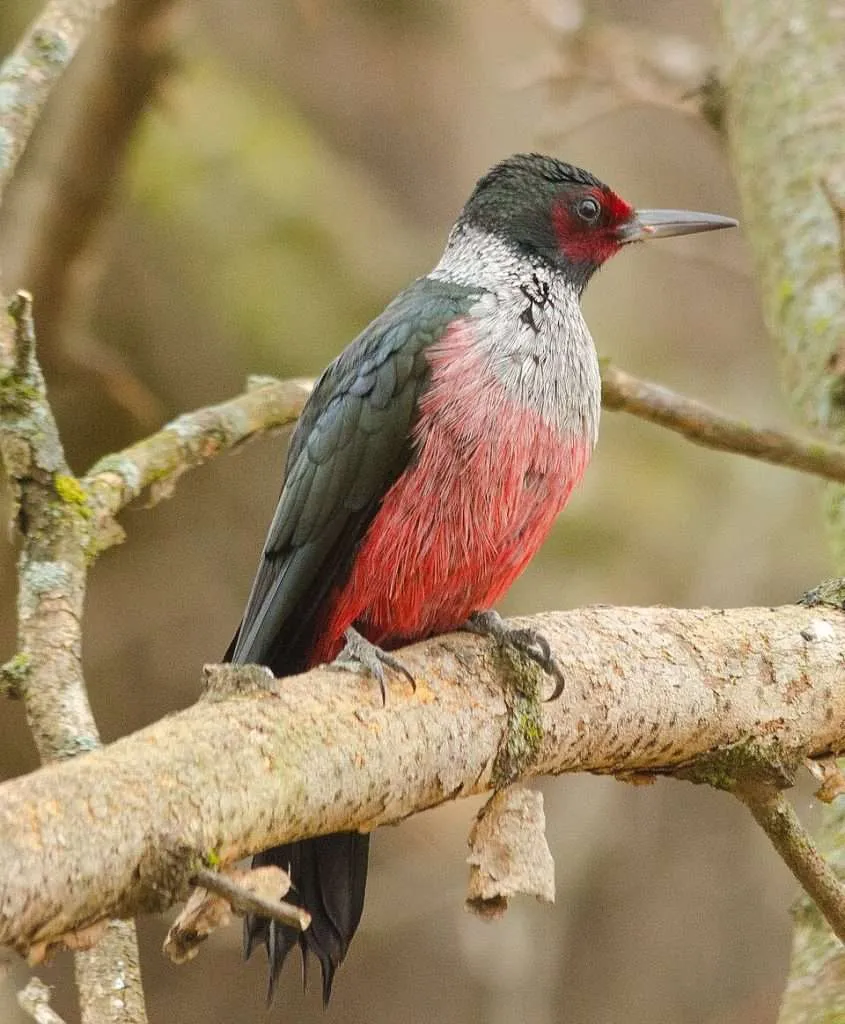
- Climbing: Woodpeckers have "zygodactyl" feet, with two toes forward and two backward. This provides a vice-like grip that allows them to climb vertical tree trunks and maneuver with agility, an essential adaptation for their insect-hunting lifestyle.
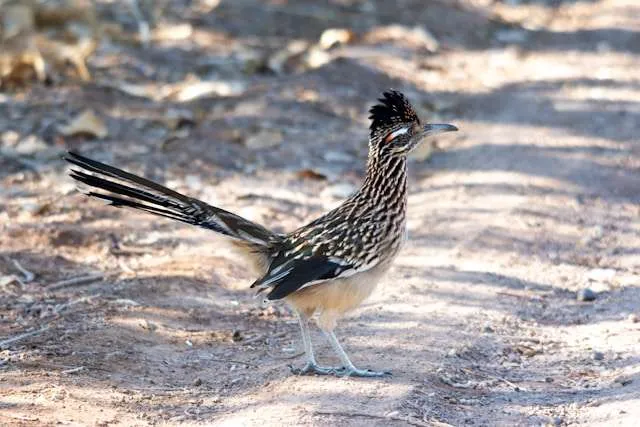
- Walking and Running: Ground-dwelling birds like the Greater Roadrunner have robust, powerful feet for running down prey. Their zygodactyl feet give them excellent traction and stability.
- Swimming: Birds like ducks, geese, and pelicans have webbed or "palmate" feet. The webbing between their three forward-facing toes acts as a paddle, providing efficient propulsion through the water. The American Coot's lobate feet are a variation on this theme, offering a blend of swimming efficiency and terrestrial mobility.
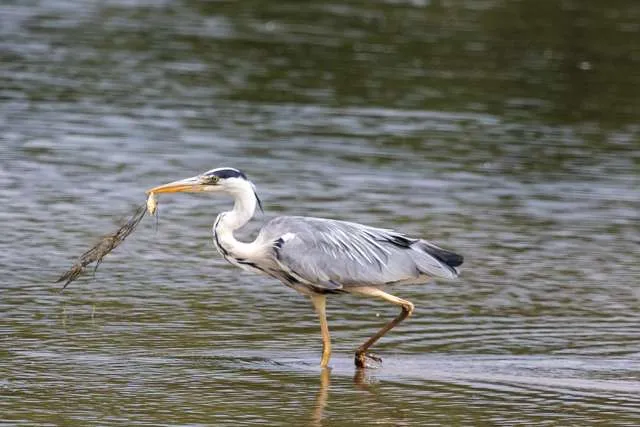
- Wading: Herons and egrets, which stalk their prey in shallow water, have long legs and splayed toes that distribute their weight, preventing them from sinking into the mud.
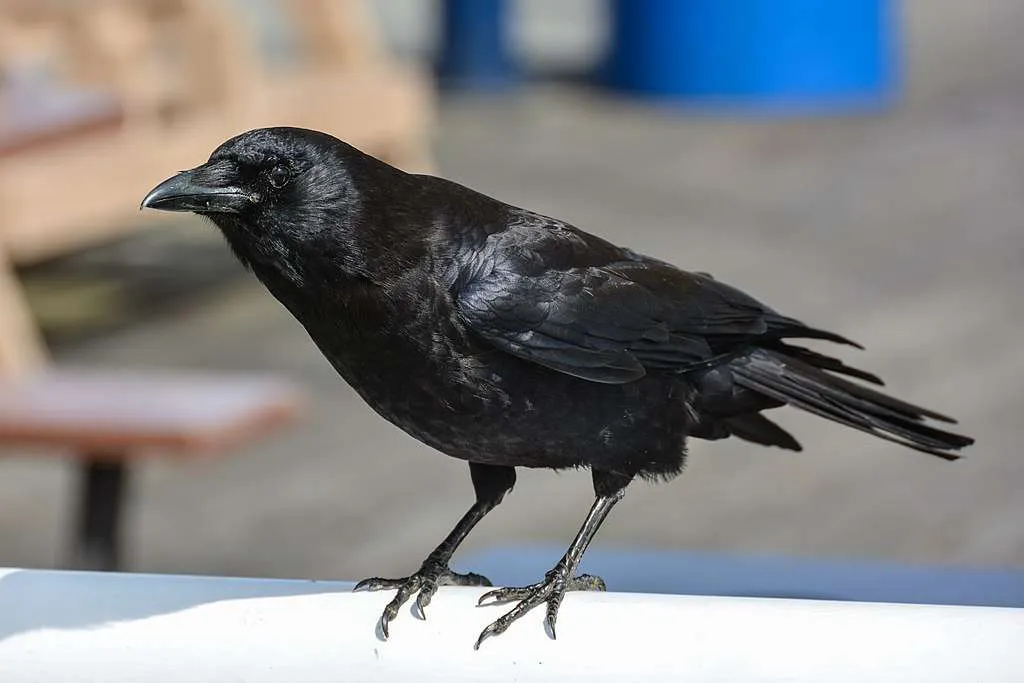
- Digging: Ground-foraging birds like wild turkeys and American Crows use their strong feet and claws to scratch and dig for food, unearthing insects, grubs, and seeds.
Wrapping Up
The next time you see a bird in your backyard or on a nature trail, take a moment to look at its feet. They are not just an afterthought but a central part of its identity and a key to understanding its life. From the near-invisible, heat-dissipating feet of a hummingbird to the enormous, lobed paddles of the American Coot, and the razor-sharp talons of an eagle, a bird's feet tell a story of evolution, adaptation, and survival. They are a constant, silent reminder of the intricate and beautiful ways nature has engineered life to thrive.
Things you didn't know ....
