
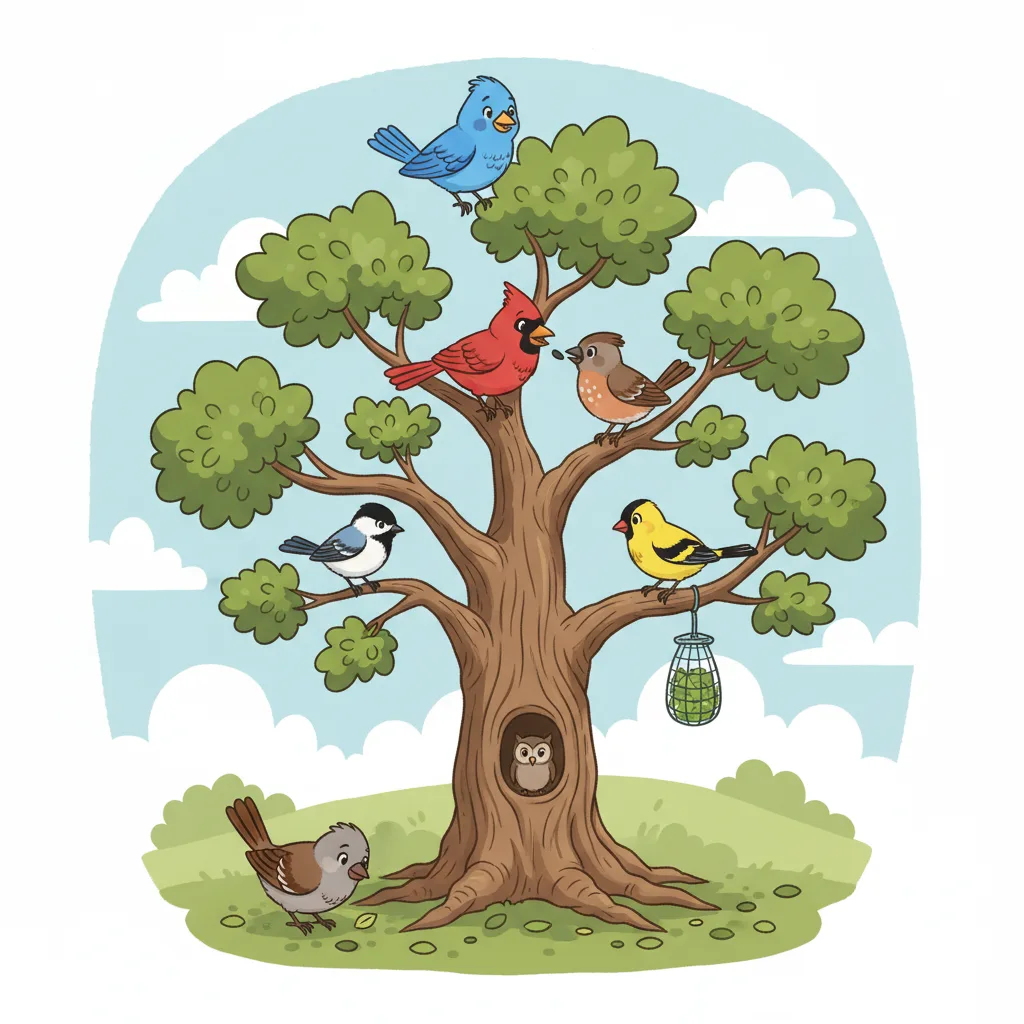
The United States, a land of unparalleled ecological diversity, boasts an avian tapestry as varied as its landscapes. From the sun-drenched deserts of the Southwest to the dense, ancient forests of the Pacific Northwest, and the bustling urban centers nestled within, birds have adapted to every conceivable niche.
A fascinating way to understand this intricate web of life is through the concept of "feeding guilds" – a powerful ecological tool that groups bird species not by their genetic lineage, but by the shared resources they exploit and the ingenious methods they employ to obtain them. This lens reveals the subtle yet profound dance of coexistence, competition, and specialization that shapes bird communities across the nation.
At its core, a feeding guild brings together species that utilize similar food resources and foraging techniques. Imagine a bustling avian restaurant where different groups of diners occupy distinct "tables," each specializing in a particular type of cuisine and employing unique dining etiquette. While all might be in the same restaurant (habitat), their specific menu choices and eating styles define their guild. This ecological classification transcends taxonomic boundaries, meaning a robin and a junco might be in different families but could share aspects of a ground-foraging insectivore-granivore guild, highlighting their functional similarity rather than their evolutionary relatedness.
The Omnivores: Jack-of-All-Trades, Masters of Survival
Perhaps the most adaptable and widespread guild in the U.S. is the omnivores. These generalists are the ultimate opportunists, consuming a wide array of plant and animal matter. Their success lies in their flexibility, allowing them to thrive in diverse and often human-altered environments.
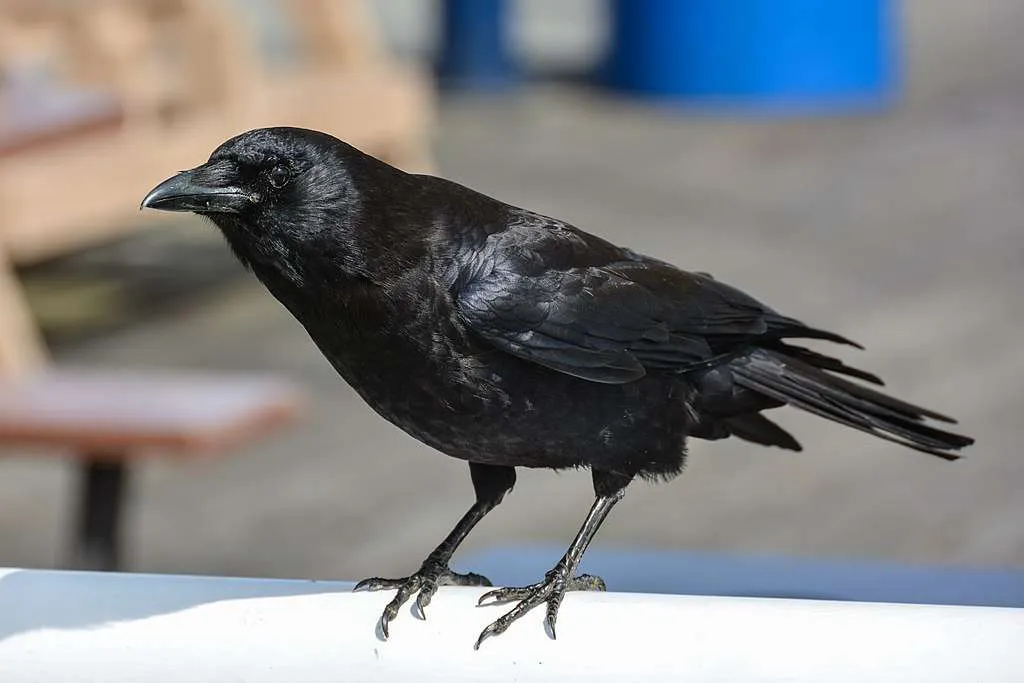
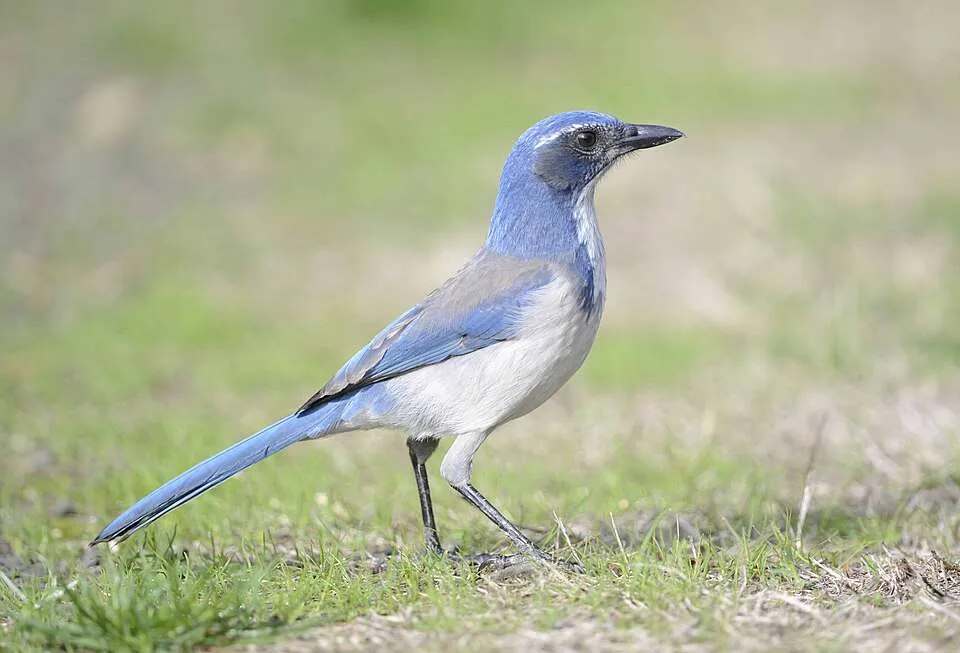
Consider the American Crow (Corvus brachyrhynchos), a quintessential omnivore found in nearly every corner of the U.S. Crows will eat anything from insects, carrion, and eggs to fruits, seeds, and even human refuse. Their intelligence and social behavior further aid their foraging success. Similarly, the ubiquitous Northern Mockingbird (Mimus polyglottos) in the Southeast and California Scrub-Jay (Aphelocoma californica) in the West exhibit impressive dietary breadth, switching between insects, berries, and nuts depending on seasonal availability. These species are particularly resilient to habitat fragmentation, often flourishing in suburban and urban landscapes where their adaptable palates find ample sustenance.
The Granivores: Architects of Seed Dispersal
The granivore guild, comprising birds that primarily feed on seeds, plays a critical role in plant reproduction across the U.S. From tiny grass seeds to substantial acorns, these birds have evolved specialized bills for cracking, husking, and extracting nourishment.
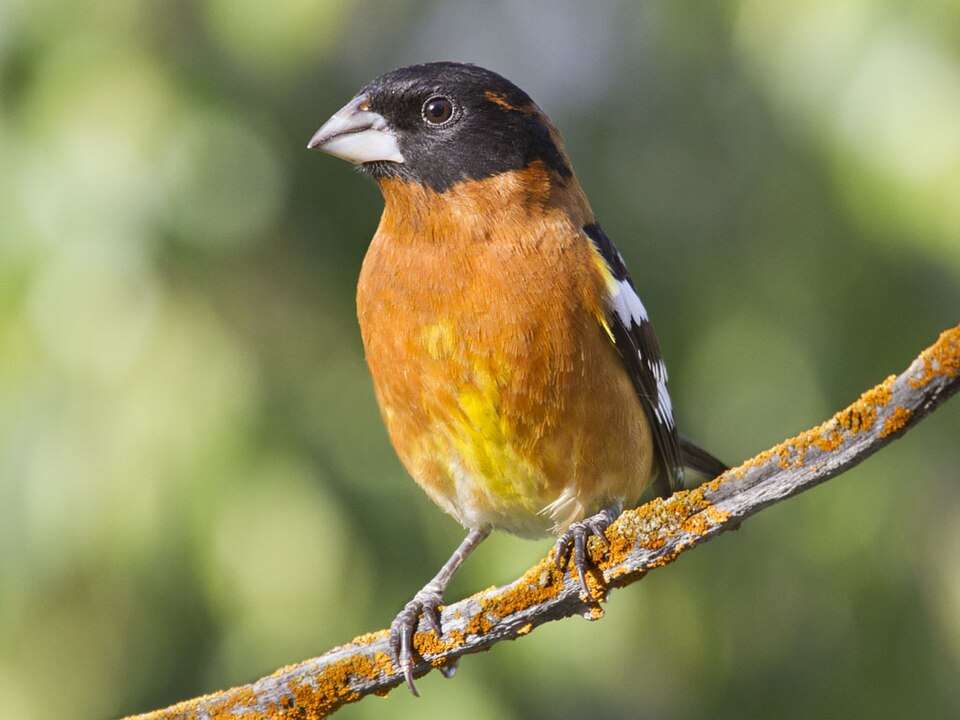
The Northern Cardinal (Cardinalis cardinalis), a vibrant resident of the Eastern and Central U.S., exemplifies a classic granivore. Its stout, conical bill is perfectly adapted for crushing various seeds, particularly those found in feeders. Western counterparts like the Black-headed Grosbeak (Pheucticus melanocephalus) and Lazuli Bunting (Passerina amoena) share similar bill morphologies for seed consumption.
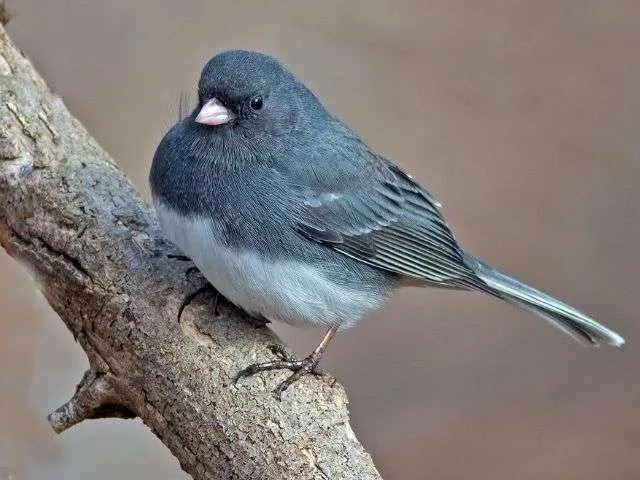
Within the granivore guild, further specialization exists. Finches like the American Goldfinch (Spinus tristis) are often associated with thistle and sunflower seeds, their fine, pointed bills adept at extracting tiny kernels. Larger-billed species such as Evening Grosbeaks (Coccothraustes vespertinus) can tackle tougher seeds and even small conifer cones. Juncos (e.g., Dark-eyed Junco, Junco hyemalis) are primarily ground feeders, scratching amongst leaf litter for fallen seeds, an adaptation to exploit resources unavailable to species foraging higher in the vegetation. The presence of these birds often indicates healthy understory vegetation and seed-producing plants.
Skip the Seed Mix: The Single Best Food You Can Put Out for Every North American Songbird.
The Insectivores: Pest Controllers of the Air and Ground
Perhaps the largest and most diverse guild, insectivores are critical for regulating insect populations and occupy almost every imaginable foraging niche. This guild can be further broken down by foraging strategy:
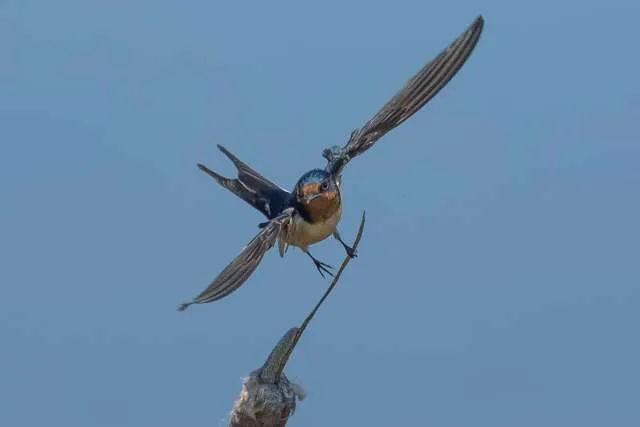
Aerial Insectivores: These acrobatic flyers capture insects mid-air. The Barn Swallow (Hirundo rustica) and Purple Martin (Progne subis ) are iconic examples, patrolling open skies and skimming over water bodies, their wide gape and swift flight perfectly suited for snatching flying prey. The Common Nighthawk (Chordeiles minor) performs similar feats at dusk and dawn. These species are highly sensitive to insect population declines, often signaling broader environmental health issues.
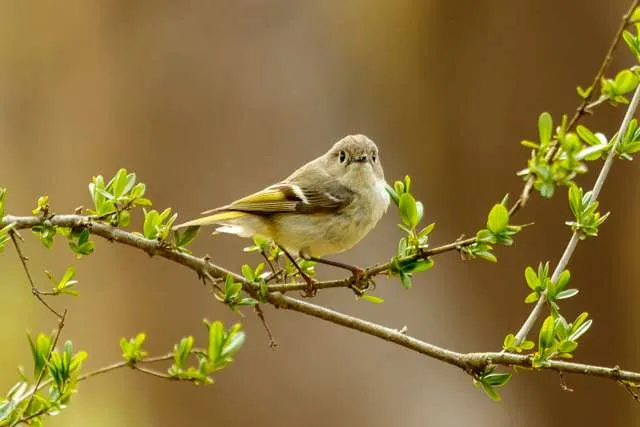
Foliage Gleaners: These birds meticulously pick insects and larvae from leaves and twigs. Warblers are the epitome of this guild. The myriad species, like the Yellow Warbler (Setophaga petechia) in riparian areas or the Black-throated Green Warbler (Setophaga virens) in coniferous forests, demonstrate fine-scale niche partitioning, with some foraging on outer branches, others on inner leaves, minimizing direct competition. The Ruby-crowned Kinglet (Corthylio calendula) also falls into this category, constantly flitting through foliage.
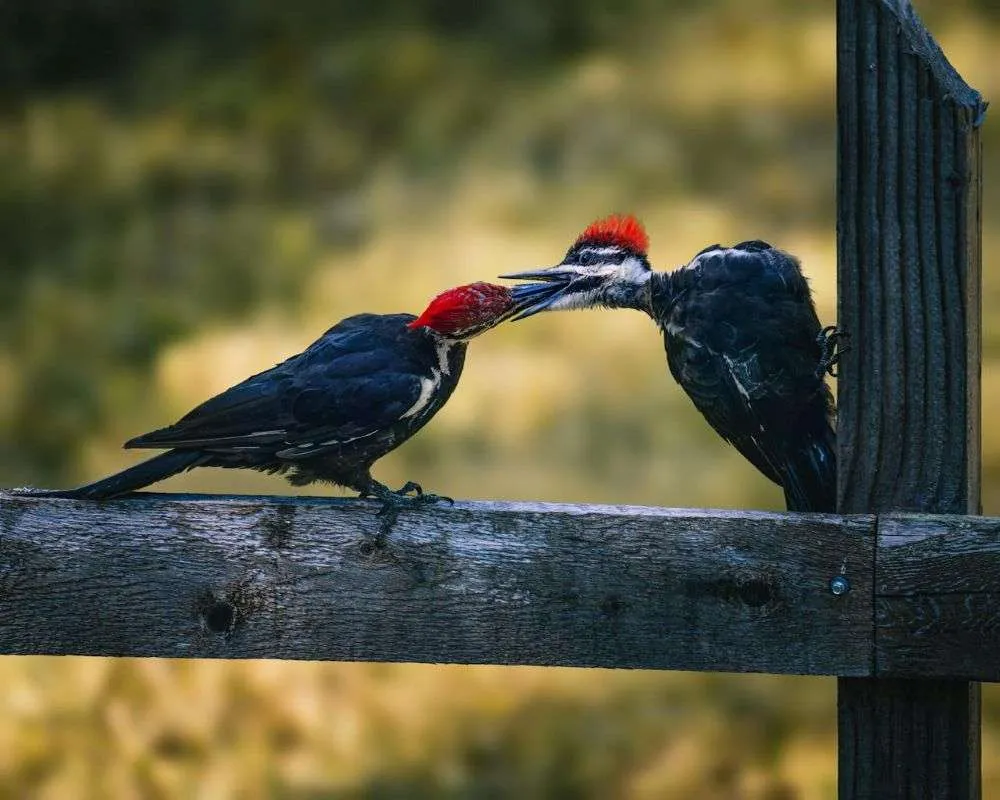
Wood Probers/Drillers: Birds that extract insects from bark and wood are vital for forest health. Woodpeckers are the most prominent members, using their chisel-like bills to excavate larvae and adults from tree trunks. The Downy Woodpecker (Dryobates pubescens) and Hairy Woodpecker (Dryobates villosus) are widespread, while the impressive Pileated Woodpecker (Dryocopus pileatus) carves large, rectangular holes in pursuit of carpenter ants. The Brown Creeper (Certhia americana) slowly spirals up tree trunks, using its slender, decurved bill to probe for insects in crevices.
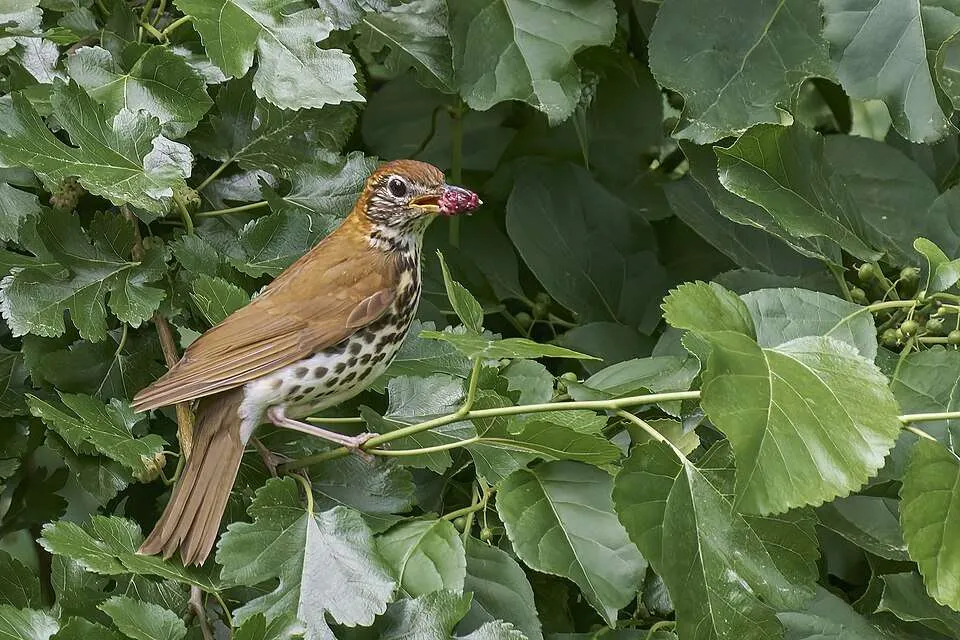
Ground Foragers: Many insectivores find their meals on the forest floor or open grasslands. The American Robin (Turdus migratorius) is a familiar sight, running and stopping to pull earthworms and grubs from lawns. Thrushes like the Wood Thrush (Hylocichla mustelina) also specialize in foraging for invertebrates in leaf litter.
The Nectarivores: Pollinators of the Americas
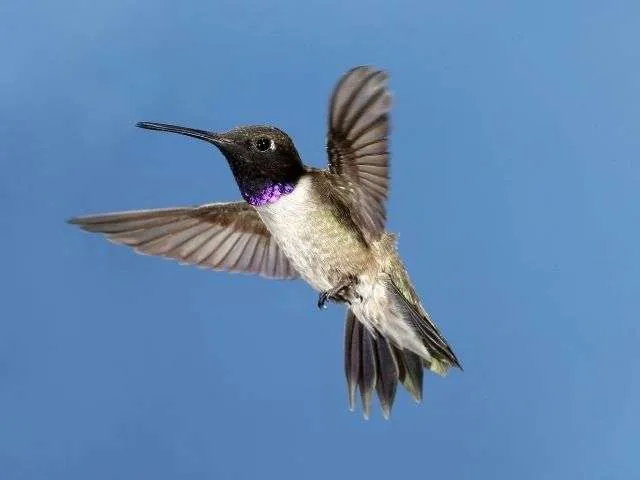
The nectarivore guild, dominated by the dazzling Hummingbirds, is a vibrant and essential component of plant pollination across the U.S. Their long, slender bills and even longer, tubular tongues are perfectly adapted for sipping nectar from deep within flowers, and their hovering flight allows them to access blooms inaccessible to other birds.

The Ruby-throated Hummingbird (Archilochus colubris) graces the Eastern U.S. during warmer months, while the Rufous Hummingbird (Selasphorus rufus) undertakes an incredible migratory journey along the Pacific Coast. Western states also host species like the Anna's Hummingbird (Calypte anna) and Black-chinned Hummingbird (Archilochus alexandri). These tiny powerhouses are not only beautiful but are critical pollinators for a wide array of native flowering plants, contributing significantly to ecosystem health.
The Frugivores: Seed Dispersers and Forest Regenerators
Birds belonging to the frugivore guild primarily consume fruits, playing a crucial role in seed dispersal and forest regeneration. While many omnivores will eat fruit, dedicated frugivores often have softer bills and digestive systems adapted to process fruit efficiently.
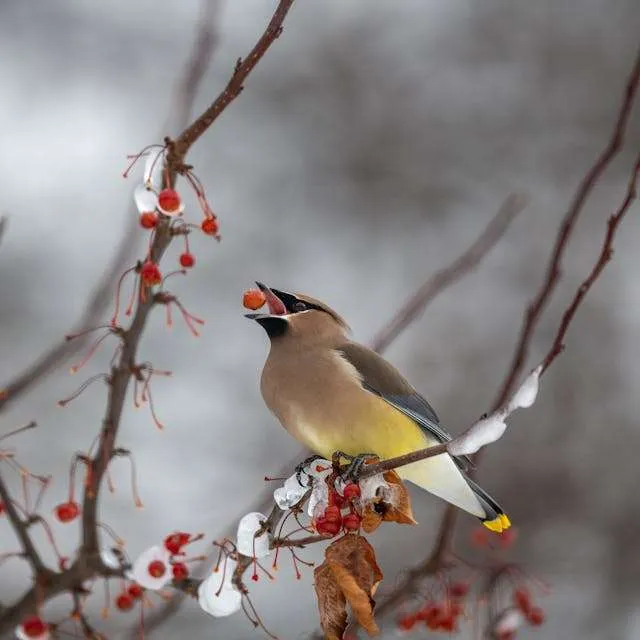
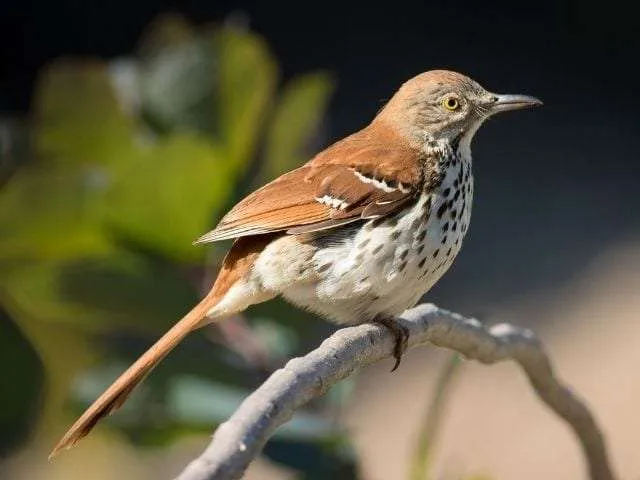
The Cedar Waxwing (Bombycilla cedrorum), a sleek, elegant bird, is a classic North American frugivore, often seen in large flocks descending upon berry-laden trees. Their diet shifts seasonally from insects in summer to fruits in winter. The American Robin also incorporates a significant amount of fruit into its diet, especially during autumn and winter. In the Southeast, the Brown Thrasher (Toxostoma rufum) and various Catbirds (Dumetella carolinensis) are important dispersers of berry seeds.
The Carnivores/Piscivores: Apex Predators and Environmental Barometers
At the top of many food webs, the carnivore guild includes raptors and species that prey on other vertebrates. Within this, piscivores specialize in fish. These birds are often indicators of environmental health, as their populations are sensitive to contaminants that accumulate up the food chain.
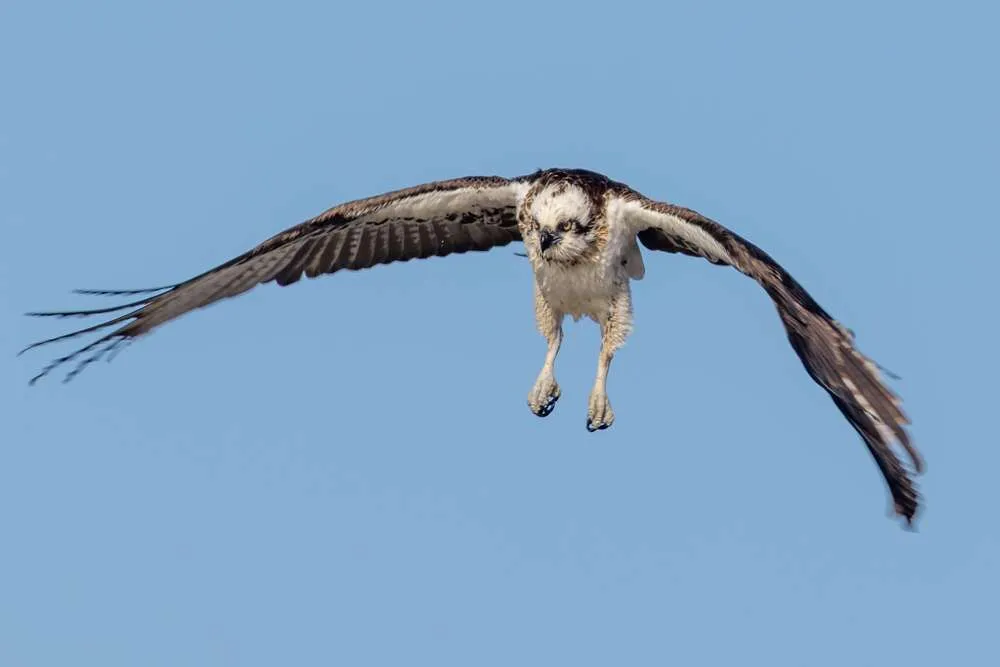
Raptors like the Bald Eagle (Haliaeetus leucocephalus), the national bird, are often opportunistic piscivores, but also consume carrion and small mammals. The Osprey (Pandion haliaetus), a dedicated piscivore, is a masterful angler, plunging feet-first into water bodies to snatch fish with its specialized talons. Both species saw dramatic declines due to DDT in the mid-20th century, and their recovery is a testament to conservation efforts.
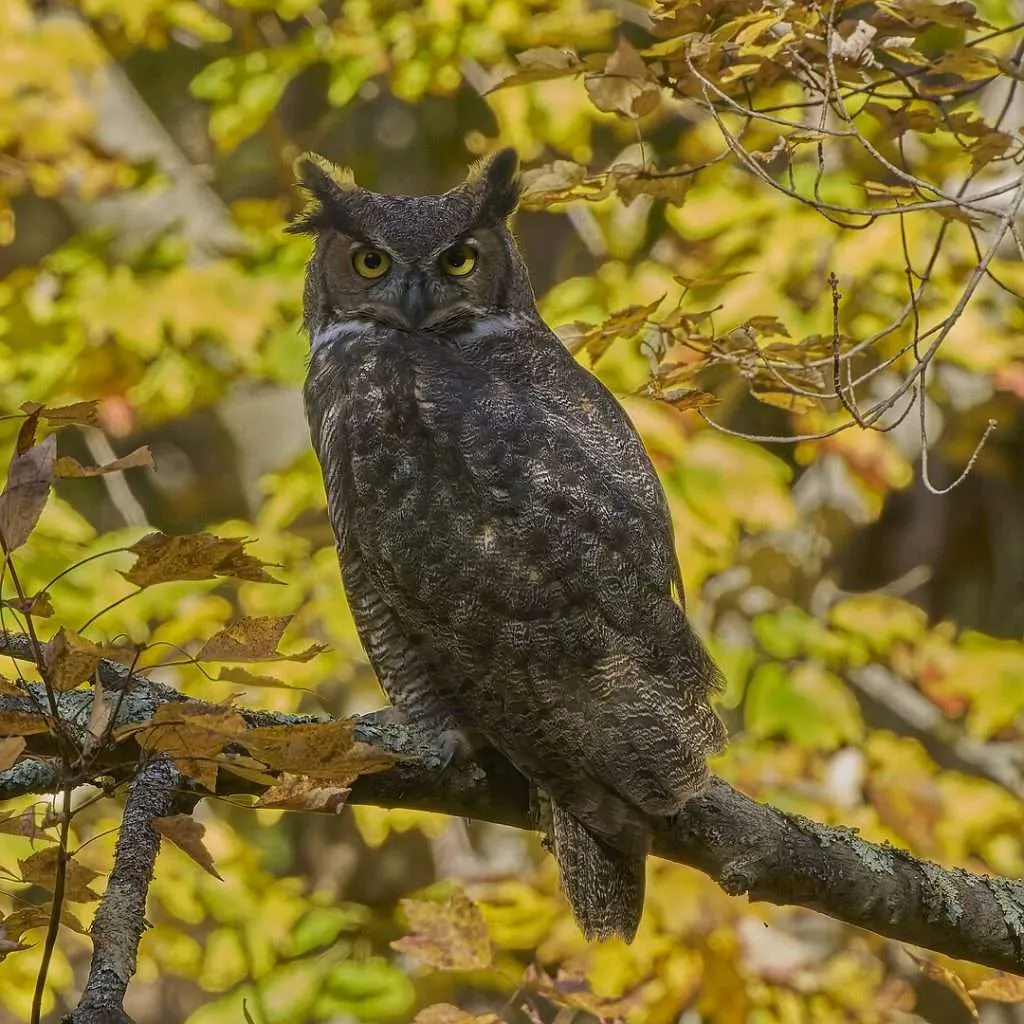
Other raptors, such as the Red-tailed Hawk (Buteo jamaicensis), are generalist predators, hunting rodents, rabbits, and small birds across open country. The Great Horned Owl (Bubo virginianus), a nocturnal apex predator, preys on a vast range of animals, from skunks to other owls.
The Scavengers: Nature's Clean-up Crew
Often overlooked but ecologically vital, the scavenger guild comprises birds that feed on carrion.
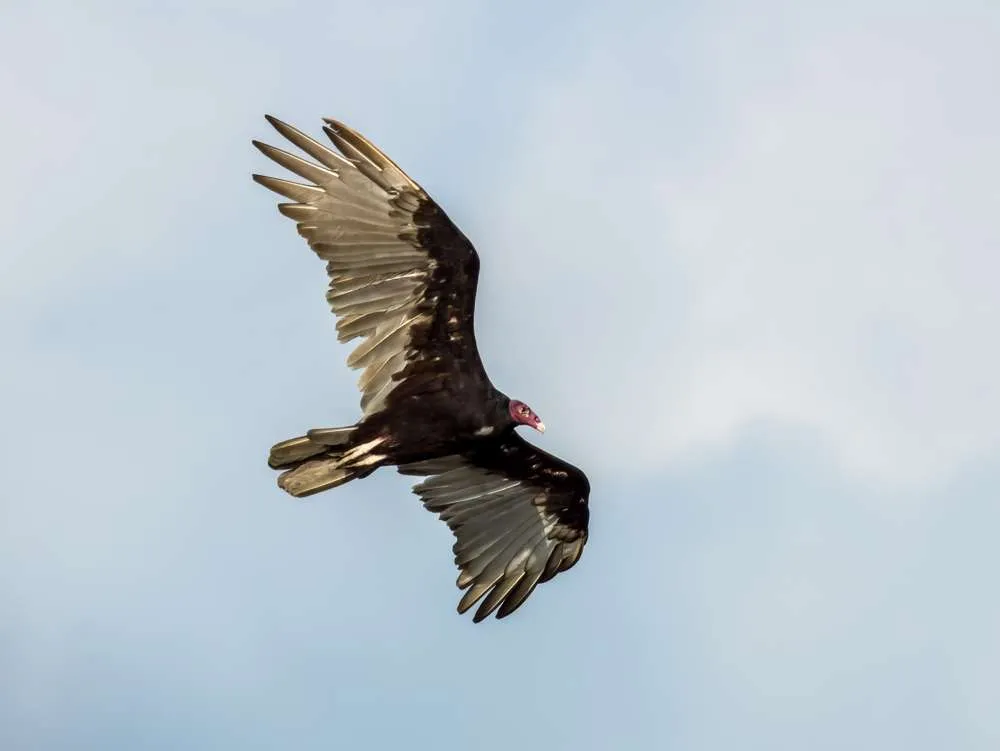
The Turkey Vulture (Cathartes aura) and Black Vulture (Coragyps atratus) are the primary avian scavengers in the U.S. Their keen sense of smell (Turkey Vulture) or sharp eyesight (Black Vulture) allows them to locate carcasses, and their featherless heads are an adaptation for delving into decaying flesh without fouling their plumage. They play an indispensable role in preventing disease spread and nutrient recycling.
The Importance of Understanding Guilds
Understanding bird feeding guilds is more than just an academic exercise. It offers crucial insights into:
- Ecosystem Health: Changes in guild composition or population sizes within a guild can signal broader environmental problems, such as habitat degradation, pesticide use impacting insect populations, or climate change affecting fruiting cycles.
- Conservation Strategies: Targeted conservation efforts can be developed by understanding the specific needs of guilds. Protecting wetlands benefits piscivores, while preserving native grasslands supports granivores and ground-foraging insectivores.
- Biodiversity Management: Promoting a diverse array of guilds within a habitat ensures a resilient ecosystem, as different species utilize different resources, reducing overall competition and increasing stability.
- Backyard Birding: Even in our backyards, recognizing guilds helps us provide appropriate food and habitat. Offering a variety of seeds (granivores), suet (insectivores/omnivores), and nectar feeders (nectarivores) can attract a greater diversity of species.
Attracting Specific Guilds to Your Yard
By understanding the feeding guilds of local bird species, you can tailor your backyard to attract the birds you want to see.
- For Granivores (Seed-eaters):
- Offer a variety of seeds. Black oil sunflower seeds are a favorite for a wide range of birds, including cardinals, finches, and chickadees.
- Use different feeder types. Hopper feeders and platform feeders are popular with many seed-eaters, while tube feeders with small perches are ideal for finches and siskins.
- Don't forget ground feeders like Mourning Doves and sparrows, who appreciate a little seed scattered on the ground or a low platform feeder.
- For Insectivores:
- The best way to attract insectivores is to plant native plants that support insect populations. This provides a natural food source.
- Offer suet cakes, especially in winter. Woodpeckers, nuthatches, and chickadees are big fans of the high-fat content.
- For Nectarivores (Hummingbirds):
- Set up hummingbird feeders filled with a simple sugar solution (four parts water to one part sugar). Be sure to change the solution regularly to prevent mold.
- Plant native flowers with tubular blossoms like bee balm, salvia, and petunias.
- For Frugivores (Fruit-eaters):
- Plant native trees and shrubs that produce berries and fruit, such as dogwood, serviceberry, and holly.
- Offer sliced fruit, like oranges and apples, on a platform feeder. This is a great way to attract species like orioles and tanagers.
- For Omnivores:
- Since they eat a little bit of everything, offering a diverse range of foods is key. A mix of seeds, suet, and fruit will attract a wide variety of species.
By thinking like a bird and considering the specific needs of different feeding guilds, you can turn your yard into a thriving haven for a wide array of feathered friends.
Wrapping Up
The intricate world of bird feeding guilds across the U.S. is a testament to the power of evolution and the remarkable adaptability of avian life. Each guild, with its unique set of adaptations and foraging strategies, contributes to the delicate balance of our ecosystems, reminding us that even the smallest feathered diner plays a vital role in the grand American wild. As we continue to monitor, study, and protect these diverse avian communities, we not only safeguard the future of birds but also the health and resilience of the landscapes they inhabit.
Unlocking the Secrets of Bird Identification: The 5 S's for Birdwatching
