

For decades, many Americans have taken the sight and sound of common backyard birds for granted. Yet, a landmark 2019 study published in the journal Science delivered a stunning and deeply troubling revelation: North America has lost nearly three billion birds since 1970. That figure represents a decline of almost 30% of the total avian population, signaling an ecological crisis unfolding quietly across our continent.
This is not a slow, steady attrition confined to a few rare species; it's a massive, sweeping loss affecting common birds found everywhere from deep forests to suburban feeders. The decline is a direct, quantifiable reflection of environmental stress, demanding immediate attention from scientists, policymakers, and the public. Understanding which bird groups are suffering the most—and why—is the crucial first step toward reversing this catastrophic trend.
Mapping the Losses: Which Bird Groups Are Hurting?
The decline is not uniform. While some groups, particularly waterfowl and raptors, have seen incredible recoveries due to conservation efforts (like the DDT ban), others are being decimated by modern pressures. The three-billion-bird loss is concentrated heavily in several specific avian groups.
1. Grassland Birds (The Greatest Loss)
No group has suffered more dramatically than the birds that rely on open fields and native prairies. Over 700 million grassland birds have been lost since 1970.
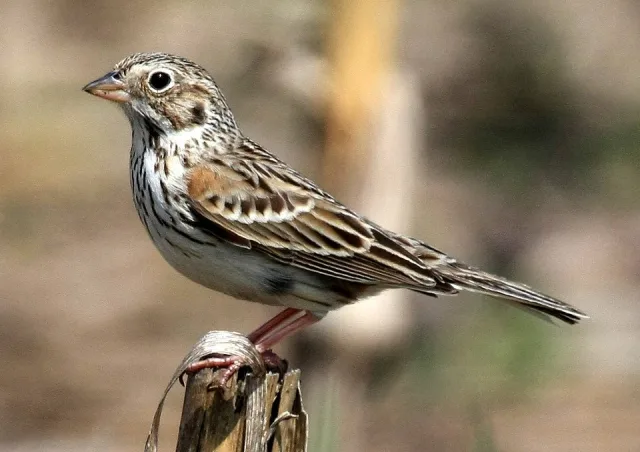
- Key Affected Species: Eastern Meadowlark, Vesper Sparrow, Grasshopper Sparrow, and Dickcissel.
- The Cause: The primary driver is the large-scale conversion of native grasslands into intensive, monoculture agriculture. Modern farming practices eliminate the complex mix of grasses, weeds, and insects these birds need for nesting and feeding. Furthermore, the use of pesticides and herbicides removes their vital insect food source, particularly during the critical chick-rearing period.
2. Forest and Boreal Birds (The Slow Fade)
Birds that breed in the vast boreal forests of Canada and the deep woods of the U.S. have seen significant drops, with losses exceeding one billion birds combined.
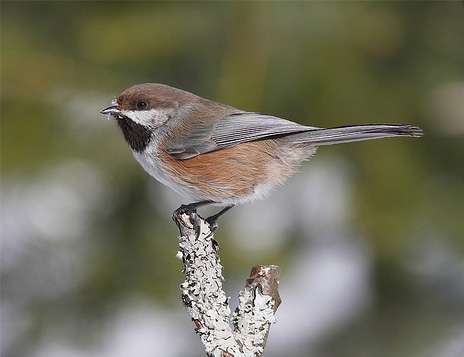
- Key Affected Species: Wood Thrush, Boreal Chickadee, and several species of warblers (like the Canada Warbler and Bay-breasted Warbler).
- The Cause: Habitat fragmentation is the major culprit. Logging, energy development, and road construction break up continuous forest canopies, making nests more vulnerable to predators (like raccoons and domestic pets) and changing the microclimate of the forest floor. The loss of older, mature stands of trees also removes key nesting and foraging structures.
3. Aerial Insectivores (The Unseen Crisis)
A particularly alarming decline affects birds that catch insects in flight. These populations have dropped by nearly 40%.

- Key Affected Species: Chimney Swift, Common Nighthawk, and the vireos and flycatchers (like the Olive-sided Flycatcher).
- The Cause: This decline points toward a major ecosystem problem: the "insect apocalypse." The widespread use of pesticides, particularly neonicotinoids, has decimated the population of flying insects—the essential protein source for these birds. Furthermore, the loss of old chimney stacks (for swifts) and open roosting areas (for nighthawks) adds to their nesting woes.
4. Coastal and Wetland Birds
While waterfowl have recovered, other wetland-dependent birds continue to struggle.

- Key Affected Species: Saltmarsh Sparrow (facing extinction due to rising sea levels), and many species of rails and sandpipers.
- The Cause: Coastal development, sea-level rise, and the draining and filling of wetlands eliminate the fragile, narrow zones these species require for nesting and stopovers during migration.
The Secondary, Direct Threats
While habitat loss and pesticide use are the systemic drivers, several direct threats posed by human activity account for hundreds of millions of preventable deaths annually:
1. Cats (The Silent Hunter)
Domestic cats, both outdoor pets and feral colonies, are estimated to kill 1.3 to 4 billion birds annually in the U.S. alone, making them the single largest human-related source of bird mortality. Their natural hunting instinct is devastating, especially to ground-nesting or low-foraging birds.
2. Window Collisions (The Invisible Killers)
Birds cannot perceive clear or reflective glass as a barrier. It is estimated that 365 to 988 million birds die each year in the U.S. from colliding with building windows, especially during migratory periods. Urban centers and large residential glass homes are particularly lethal.
3. Vehicles and Towers
Millions more die from collisions with vehicles, communication towers, and power lines, particularly during low-light conditions when migrants are active. Light pollution draws nocturnal migrants into dangerous urban airspace.
What You Can Do: A Roadmap for Citizen Conservation
Reversing a three-billion-bird decline requires action at every level, starting with individual choices. The solutions are often simple, affordable, and incredibly effective.
1. Protect Your Local Habitat
- Rethink Your Yard: Replace traditional turf grass (a biological desert) with native plants—trees, shrubs, and flowers native to your region. Native plants support native insects, providing essential protein for baby birds. Eliminate the use of chemical pesticides and herbicides.
- Embrace Messy: Leave dead leaves, brush piles, and seed heads in your garden over winter. These provide crucial cover and winter food for sparrows, towhees, and other ground-foraging birds.
2. Practice Responsible Pet Ownership
- Keep Cats Indoors: This is the single most effective action any pet owner can take. Indoor cats are safer, healthier, and are prevented from contributing to avian mortality.
- Cat Enclosures (Catios): If your cat must go outside, use a secure, netted outdoor enclosure (catio) to allow them fresh air and stimulation without the ability to hunt.
3. Make Your Windows Bird-Safe
- Apply Vertical Markers: To break up the reflection on large windows, apply external markers (like tempera paint, decals, or bird-safe UV-reflective tape) spaced no more than 2 inches (5 cm) apart. Birds need to see the pattern as a solid barrier.
- Install Screens: Exterior insect screens naturally break up reflections and soften the impact of a collision.
4. Support Bird-Friendly Coffee and Policy
- Buy Shade-Grown Coffee: Choose coffee certified as Bird-Friendly by the Smithsonian Migratory Bird Center. This coffee is grown on farms that maintain a canopy of trees, preserving habitat for migratory species that winter in Central and South America.
- Advocate Locally: Support local land trusts and conservation groups that protect and manage grasslands, forests, and wetlands in your region. Advocate for dark-sky ordinances in your city to reduce light pollution that disorients nocturnal migrants.
5. Participate in Citizen Science
- Use eBird: Submit your bird sightings to platforms like eBird. This data is vital for tracking population trends, identifying critical habitat, and informing research that guides conservation policy.
The three-billion-bird gap is a stark reminder of our intertwined fate with the natural world. Every choice, from the coffee we drink to the plants we put in our yard, has a direct consequence. By turning our yards into small oases, securing our pets, and advocating for nature, we can help ensure that the majestic spectacle of North American birdlife is preserved for generations to come.
A Flight to Well-Being: How Bird Watching Lifts the Human Spirit
