
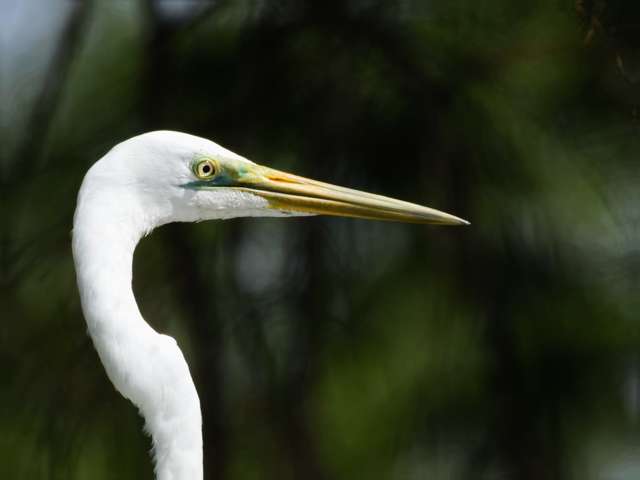
To the casual observer, a bird's bill might seem like little more than a mouth, a simple appendage for eating. But a closer look reveals a marvel of evolutionary engineering. A bird's bill, or beak, is a finely-tuned tool, shaped by millennia of adaptation to a specific diet and habitat.
It is the single most defining feature of a bird's lifestyle, an elegant solution to the perennial challenge of survival. In the diverse landscapes of the United States, from the soaring peaks of the Rockies to the sun-drenched deserts of the Southwest, different bird species sport a breathtaking array of bill shapes, each telling a unique story of how that bird finds food.
This article explores the remarkable relationship between bill shape and function, using common U.S. bird examples to illustrate nature’s perfect design.

The Seed Crackers: The Conical Bill
Perhaps the most familiar bill shape is the strong, conical bill, characteristic of birds that feed primarily on seeds. These bills are like built-in nutcrackers, designed to exert a tremendous amount of force to hull and crack open tough seeds and grains. The wide base provides a strong foundation, while the pointed tip allows for precise handling.
The Northern Cardinal (Cardinalis cardinalis) is a perfect example of this design. Its vibrant red plumage is matched by a thick, powerful bill that can easily crush the shells of sunflower seeds and other hard grains. The cardinal’s bill is an unmistakable visual clue to its diet.

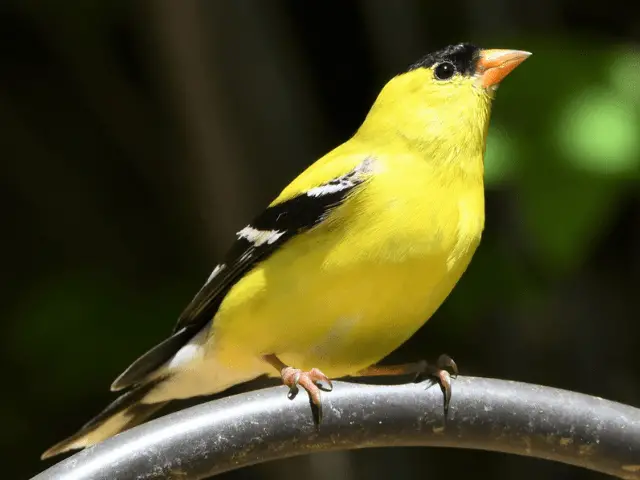
The American Goldfinch (Spinus tristis) and other finches also have conical bills, but they are more slender and pointed, perfectly suited for cracking smaller, thinner-shelled seeds like Nyjer (thistle). This specialization allows them to exploit a different niche than their larger-billed counterparts.
The House Sparrow (Passer domesticus), a common and widespread bird, also has this type of bill, enabling it to thrive on a diet of seeds, grains, and even discarded human food.

The Probers and Tweezer Bills: The Slender Bill
For birds that hunt insects, a different tool is required. The slender, pointed bill acts like a pair of tweezers, allowing for delicate and precise manipulation of small prey. These birds often forage by gleaning insects from leaves, twigs, and bark.
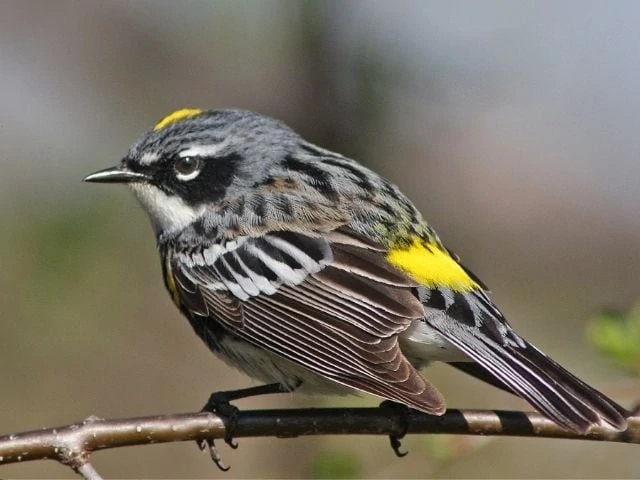
The Yellow-rumped Warbler (Setophaga coronata), a common sight during migration, has a thin, sharp bill that it uses to pluck insects from the foliage of trees and shrubs. Its bill is a perfect tool for catching tiny, scurrying bugs.
The American Robin (Turdus migratorius) is known for its classic foraging behavior: hopping across lawns, cocking its head, and then expertly pulling a worm from the soil. Its straight, pointed bill is ideal for this kind of precise probing.

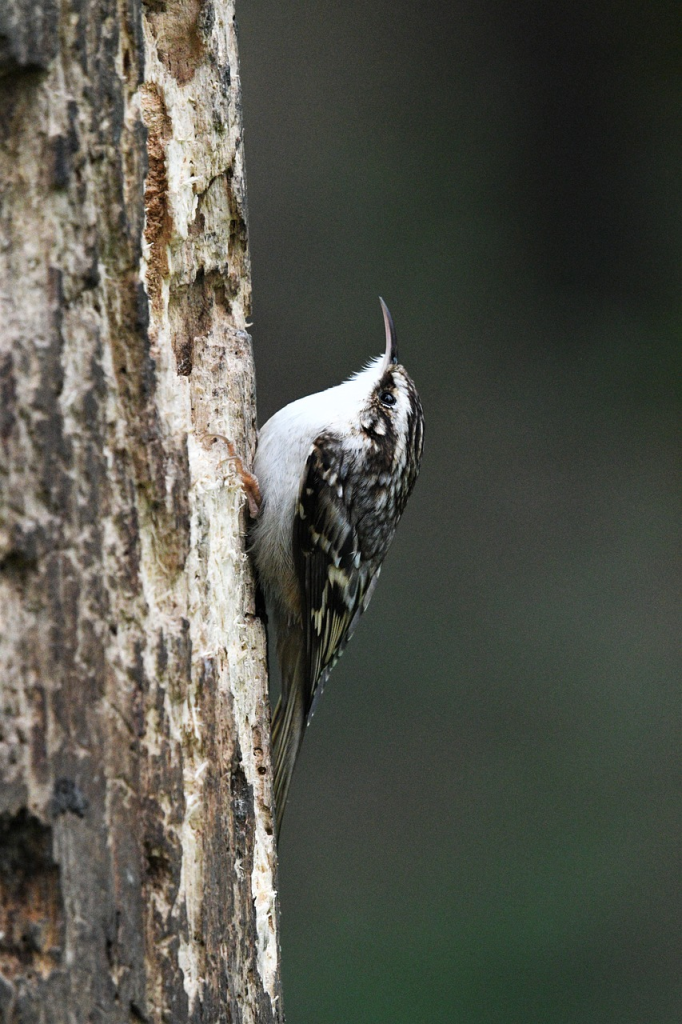
The Brown Creeper (Certhia americana) has a slender, decurved bill that it uses to probe into the crevices of tree bark, searching for hidden insects and larvae. Its unique foraging style, spiraling up a tree trunk, is perfectly matched to its specialized bill.
Find out more about birds with big bills here.
The Aerial Nets: The Short, Flat Bill
Some birds have taken insect-eating to the sky, and their bills have adapted accordingly. These bills are short, flat, and wide at the base, functioning like a net to scoop insects out of the air. These birds are known as aerial insectivores.
The Barn Swallow (Hirundo rustica), with its streamlined body and forked tail, has a wide, gaping mouth that it opens in flight to catch flying insects. The bill, though seemingly small, creates a large, efficient trap for airborne prey.

The Common Nighthawk (Chordeiles minor), a nocturnal forager, has an incredibly wide mouth that can swallow a surprising number of insects in a single pass. Its bill is almost vestigial in appearance, with the mouth extending nearly to its eyes, a design that maximizes its effectiveness as a bug-catcher.

The Hooks and Shears: The Bill of Prey
For raptors and other carnivorous birds, the bill is a weapon designed for tearing and ripping. These bills are strong, sharp, and have a prominent hook at the tip, allowing them to dismember their prey and tear flesh from bone.
The Bald Eagle (Haliaeetus leucocephalus), the national bird of the United States, has a massive, hooked bill that is ideal for tearing apart fish, its primary food source. The sheer power of its bill allows it to handle large prey with ease.

The Red-tailed Hawk (Buteo jamaicensis) and other hawks and owls also possess this hooked bill. Their diet of small mammals and reptiles requires a powerful, sharp tool to tear their meals into manageable pieces.

The Loggerhead Shrike (Lanius ludovicianus), a predatory songbird, has a hooked bill that allows it to impale its prey—insects, lizards, and even small birds—on thorns or barbed wire to be consumed later.

The Chisels and Drills: The Woodpecker Bill
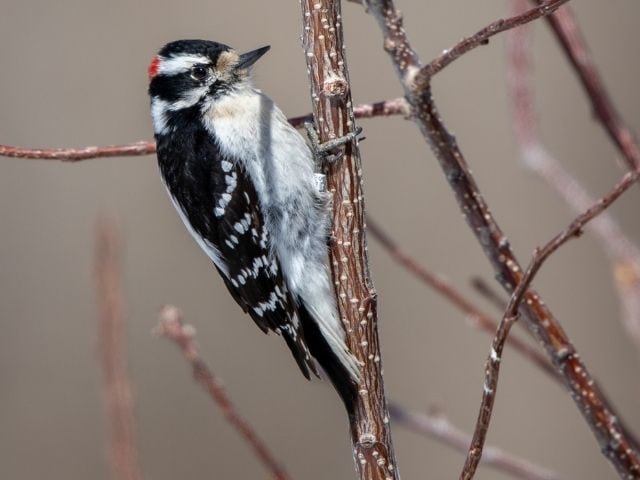
Woodpeckers have evolved a truly unique bill, a sturdy, chisel-shaped tool designed for one purpose: hammering into wood. Their bills are not just hard; they are reinforced to withstand the incredible forces of repeated, high-speed impact.
The Pileated Woodpecker (Dryocopus pileatus), one of the largest woodpeckers in North America, has a powerful, straight bill that it uses to excavate large, rectangular holes in trees in its search for carpenter ants and other insects.

The Downy Woodpecker (Dryobates pubescens), a much smaller cousin, has a similarly shaped bill, though on a much smaller scale, allowing it to drill into smaller branches and bark to find its food.
The Sippers and Siphons: The Tubular Bill
For birds that feed on nectar, the bill is a specialized drinking straw, designed to reach deep into flowers. These bills are long, slender, and often curved to match the shape of the blossoms they visit.
The Ruby-throated Hummingbird (Archilochus colubris), the only hummingbird species to breed in the eastern U.S., has a long, needle-like bill that allows it to sip nectar from a variety of deep, tubular flowers. Its bill works in conjunction with its remarkable tongue, which is fringed at the tip to lap up nectar at a furious rate.

The All-Purpose and Everything Else
Not all birds fit neatly into a single category. Some have general-purpose bills that allow them to adapt to a wide range of food sources.
The American Crow (Corvus brachyrhynchos) has a stout, sharp bill that can be used for everything from cracking open a nut to tearing at carrion. Its flexibility is a key reason for its intelligence and widespread success. In conclusion, a bird's bill is far more than just a beak. It is a perfect, living embodiment of the principle of form follows function.

Wrapping Up
From the crushing power of a cardinal's conical bill to the elegant precision of a hummingbird's needle-like bill, these tools of survival are a constant reminder of the incredible diversity and genius of the natural world. By simply observing the shape of a bird's bill, we can unlock a wealth of information about its diet, its habitat, and its unique place in the intricate web of life.
Read more about strange birds:
Spatuletail, Puffleg and Sylphs - Welcome to the Strange World of Hummingbirds
