
For any birder, the field guide is a crucial piece of gear, second only to a reliable pair of binoculars. On Amazon, a handful of essential guides dominate the landscape, each offering a unique philosophy on bird identification. Whether you prefer the realism of photographs or the clarity of artistic renderings, here is a detailed comparison of the best U.S. bird guides available today.
1. The Sibley Guide to Birds

Illustrations: Painted Art Coverage: Comprehensive North America or Regional (East/West) Ideal For: Intermediate to Advanced Birders, or as a primary home reference.
The Sibley Guide to Birds, authored and illustrated by David Sibley, is widely considered the modern gold standard. Sibley’s primary strength is the depth of detail in the illustrations. He draws every common plumage variation—male, female, juvenile, breeding, non-breeding, and various flight postures—often placing them all on a single page spread.
| Pros | Cons |
|---|---|
| Comprehensive Plumage: Shows the widest array of variation, including subtle differences often missed in the field. | Size and Weight: The full North American edition is large and heavy, making it less portable for long hikes. |
| Clear Layout: All essential information (multiple illustrations, text, and range map) is consistently on one page. | Taxonomic Organization: Birds are organized by evolutionary relation, which can be challenging for beginners to navigate quickly. |
| Best-in-Class Drawings: Illustrations are highly accurate, capturing the "jizz" (general impression, size, and shape) of the birds. |
Verdict: The Sibley Guide is the indispensable reference book for any serious birder. If you plan to carry it in the field, opt for the lighter, regional Eastern or Western editions.
2. National Geographic Field Guide to the Birds of North America
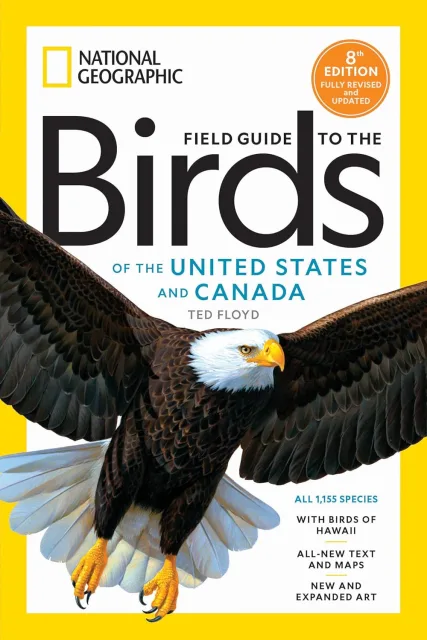
Illustrations: Painted Art (by multiple artists) Coverage: Comprehensive North America Ideal For: The All-Around Birder and Beginners, due to its portability.
The National Geographic guide (often referred to simply as the "Nat Geo" guide) remains a top seller for its combination of comprehensive coverage and manageability. Unlike Sibley or Peterson, Nat Geo often uses illustrations from multiple artists, resulting in a slightly less uniform style but allowing for broader expertise across bird families.
| Pros | Cons |
|---|---|
| Highly Portable: It packs an incredible amount of information into a compact, field-friendly size. | Multiple Artists: The use of various illustrators means the art style is less consistent than Sibley or Peterson. |
| Range Maps on Page: Range maps are placed directly next to the species accounts, minimizing page-flipping. | Less Detail: Generally provides fewer plumage variations per species than the Sibley guide. |
| Up-to-Date Taxonomy: National Geographic is known for frequent, timely updates to keep up with the latest scientific classifications. |
Verdict: The National Geographic guide is the ideal choice if you need a single, portable book that covers the entire continent and fits easily into a backpack or cargo pocket.
3. Peterson Field Guide to Birds
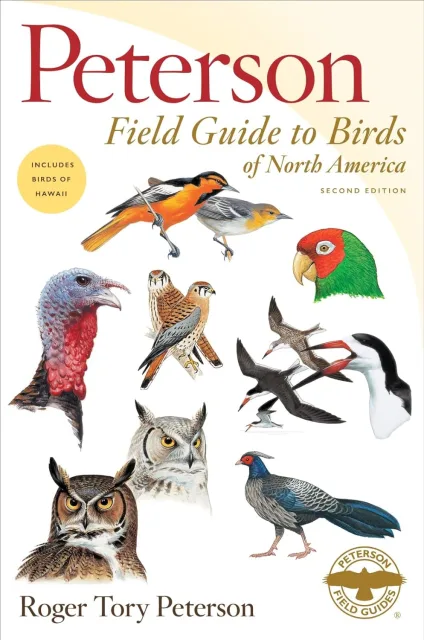
Illustrations: Painted Art (classic "patternistic" style) Coverage: Regional (Eastern/Central and Western) or Combined North America Ideal For: Beginners and Birders who appreciate a classic, organized approach.
Roger Tory Peterson pioneered the modern field guide layout, and his guides continue to be popular. The distinguishing feature of the Peterson system is the use of arrows and lines pointing to key identification marks—a method he called the "Peterson System." This makes it incredibly fast for a beginner to focus on the essential features for quick ID.
| Pros | Cons |
|---|---|
| Identification Focus: The use of arrows and bold lines immediately highlights diagnostic field marks. | Maps in Back: A common critique is that the range maps are often segregated in the back section of the book, requiring extra page turns. |
| Clarity: The illustrations are designed to be clear and direct, focusing on patterns rather than subtle texture. | Older Illustrations: While updated, some illustrations still retain the classic, slightly less lifelike "patternistic" look compared to Sibley's work. |
| Cross-Referenced Series: The Peterson series includes guides for other nature topics (trees, insects, etc.) with a consistent layout. |
Verdict: A classic choice that is highly effective for new birders. If you are learning the basics of quick identification, Peterson’s arrow system is invaluable.
Other Notable Guides
While the "Big Three" dominate, there are excellent alternatives specializing in photographic guides and unique formats:
- The Stokes Field Guide to the Birds of North America: This guide relies exclusively on full-color photographs rather than paintings. This appeals to many birders who prefer to see what the bird looks like in the "real world." However, photos can sometimes be less effective than illustrations at highlighting key field marks consistently.

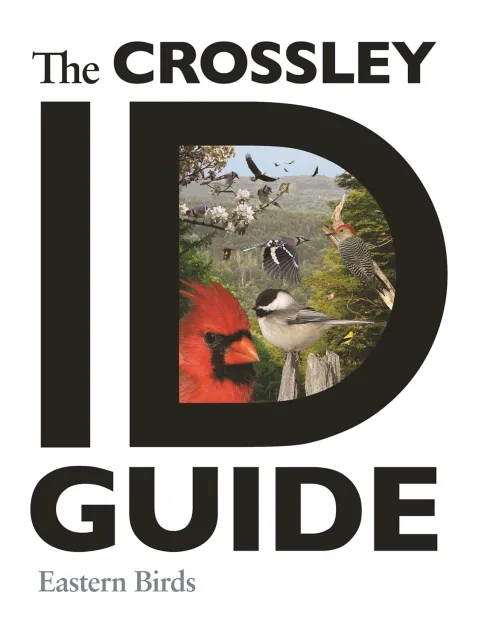
- The Crossley ID Guide: Eastern Birds (or Western): This guide takes an innovative, immersive approach. Each species is presented as a collage of multiple photographs, showing the bird in various postures and distances within a typical habitat scene. It’s an excellent tool for understanding how a bird appears in its environment, though it's less of a quick-reference tool.
The App Factor
It is impossible to discuss modern bird guides without mentioning the digital realm. Apps like the Merlin Bird ID (free from the Cornell Lab of Ornithology) and the paid digital versions of the Sibley Guide offer portability, photos, maps, and crucially, sound files—an impossible feature for a print guide.
Many birders today follow a hybrid approach: using the Merlin app for quick field identification (especially by sound) and relying on the printed Sibley or National Geographic guide at home for in-depth comparison, study, and reference.
