
For the dedicated ornithologist and the adventurous traveler, the planet offers sanctuaries of unparalleled avian biodiversity. These destinations are not merely places to see birds; they are ecological crossroads where rare endemics, staggering concentrations of migrants, and dazzling spectacles of flight converge. From high-altitude cloud forests to vast, remote wetlands, here are ten of the best birdwatching locations in the world, renowned for their accessibility, species diversity, and the sheer magic of their avian inhabitants.
1. The Amazon Rainforest, Ecuador (Tandayapa Valley)
Ecuador consistently ranks as the world's most biodiverse country per unit area, boasting over 1,600 bird species. The Tandayapa Valley and the surrounding Andean foothills are particularly accessible hotspots. The steep elevation gradient creates diverse microclimates, offering unparalleled viewing opportunities within short distances.
- Geography: Cloud forests, Chocó bioregion, and high-altitude páramo.
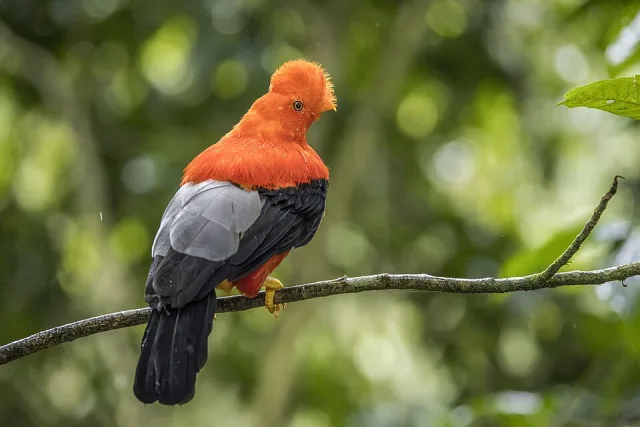
- Best Birds Seen: The region is famous for its stunning array of Hummingbirds (over 130 species in Ecuador), including the Booted Racket-tail and the iridescent Violet-tailed Sylph. Other targets include the flamboyant Andean Cock-of-the-rock, numerous colorful Tanagers (like the Golden-naped Tanager), and the elusive Giant Antpitta.
2. The Western Ghats, India
This chain of mountains running parallel to the western coast of the Indian peninsula is one of the world's eight "hottest hotspots" of biological diversity. The Ghats are older than the Himalayas, and their isolation has led to a high rate of endemism, making them essential for seeing species found nowhere else.
- Geography: Montane rainforests, high-altitude grasslands, and dense shola forest patches.
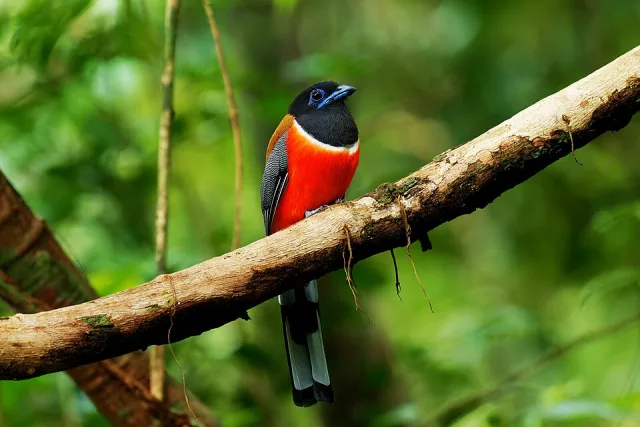
- Best Birds Seen: Key endemics include the striking Malabar Trogon, the rare Nilgiri Thrush, the elusive Wayanad Laughingthrush, and the brightly colored Malabar Whistling Thrush. The area is also excellent for raptors and species like the Sri Lanka Frogmouth in the southern section.

Malabar Trogon
3. The Pantanal, Brazil
Spanning parts of Brazil, Bolivia, and Paraguay, the Pantanal is the world's largest tropical wetland area. During the dry season (June-October), the receding waters concentrate fish, making feeding easy and creating astounding spectacles of sheer bird abundance that rival any location globally.
- Geography: Vast, seasonally flooded grasslands, gallery forests, and shallow water lagoons.
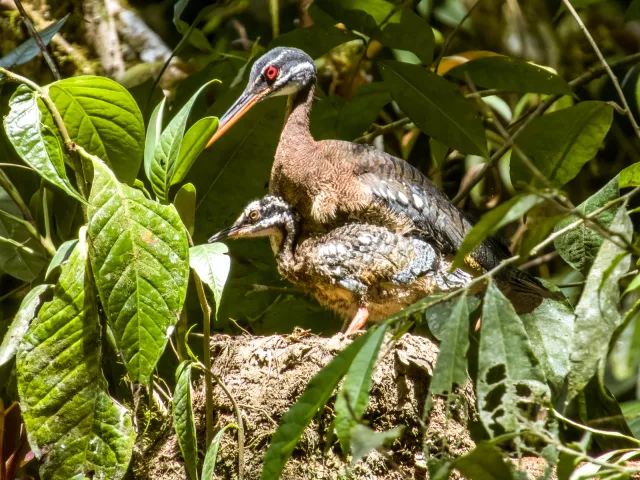
- Best Birds Seen: The sheer size of the birds is notable, including the majestic Hyacinth Macaw (the world's largest flying parrot), the enormous Jabiru Stork, and the brightly colored Toco Toucan. The Pantanal is also one of the best places in the world to see the elusive Sunbittern and numerous species of hawks and herons.

Sunbittern
4. The Serengeti and Ngorongoro Conservation Area, Tanzania
While often celebrated for its mammals, the Serengeti ecosystem is an avian powerhouse. The combination of open savanna, acacia woodlands, and massive lakes creates habitats for both African endemics and huge numbers of Palearctic migrants in the winter.
- Geography: Wide-open savanna, short-grass plains, and dense woodlands.
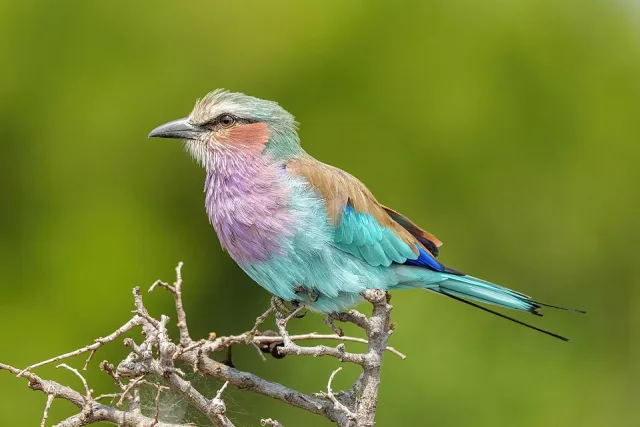
- Best Birds Seen: The immense raptor diversity includes the impressive Martial Eagle and the Bateleur. The endemic Fischer's Lovebird is common, alongside the incredible display of Ostrich, Kori Bustard (Africa's largest flying bird), and the brightly colored Lilac-breasted Roller. The rift lakes also host massive flocks of flamingos.
Lilac-breasted Roller
5. Extremadura Region, Spain
Extremadura, in southwestern Spain, is considered the premier birding destination in Europe. Its combination of vast, protected open spaces, historic dehesa woodlands (traditional oak parklands), and rocky massifs makes it a critical area for large, charismatic European species.
- Geography: Montane ranges, cork oak dehesa forest, and open steppes.
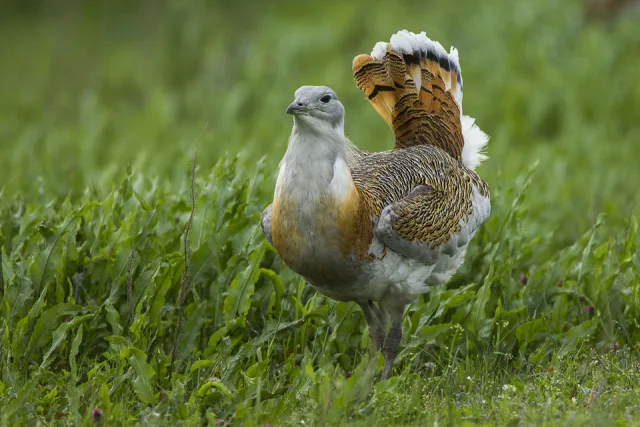
- Best Birds Seen: The area is a stronghold for many threatened European birds, including large raptors like the Spanish Imperial Eagle and the Eurasian Black Vulture (the largest European vulture). Other key targets are the immense Great Bustard, the colorful European Roller, and various species of larks and wheatears on the steppes.
The Great Escape: Why Birds Migrate and Why Staying Put Isn't an Option
6. Borneo (Sabah and Sarawak, Malaysia)
The island of Borneo is a unique biological realm, home to ancient rainforests that host a high degree of endemism. The best birding is often centered in the mountains and national parks, such as the area surrounding Mount Kinabalu (Sabah).
- Geography: Lowland tropical rainforests and high-elevation montane forests.
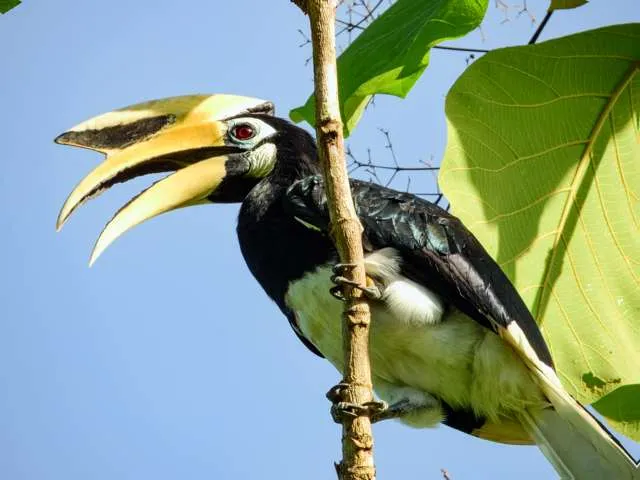
- Best Birds Seen: Borneo is famous for its Pittas (like the Banded Pitta), its ten species of Hornbills (including the massive Rhinoceros Hornbill), and a variety of spectacular endemics such as the Bornean Bristlehead and the unusual Black-crowned Pitta.
Planning Your Avian Expedition to Panama: From the Canal to the Quetzal
7. Papua New Guinea (PNG)
A highly challenging but immensely rewarding destination, PNG sits at the heart of the Australasian realm. The rugged terrain and political isolation have preserved unique avifauna, making it essential for seeing some of the world's most spectacular and sought-after birds.
- Geography: Remote tropical mountain forests, cloud forest, and lowland swamps.
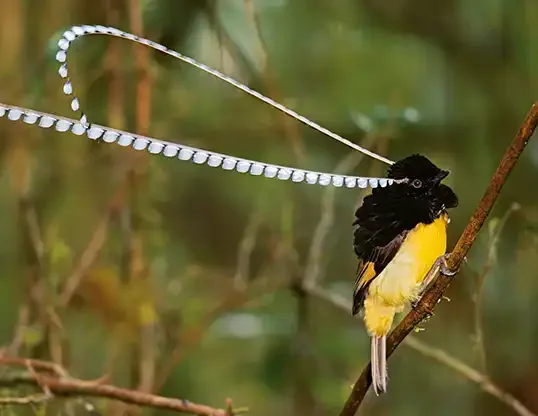
- Best Birds Seen: This is the best place on Earth to see the extraordinary Birds of Paradise, famous for their elaborate plumage and courtship rituals. Key targets include the Raggiana Bird-of-paradise, the King Bird-of-paradise, and various species of spectacular Bowerbirds and highly colored pigeons.
8. Cape May, New Jersey, USA
Cape May is the classic North American bird migration choke point. The geography of the Cape, a peninsula jutting into the Atlantic, concentrates millions of migrating birds seeking the shortest route across Delaware Bay, creating a spectacular bottleneck every autumn.
- Geography: Atlantic coastline, barrier islands, coastal marshes, and maritime forests.
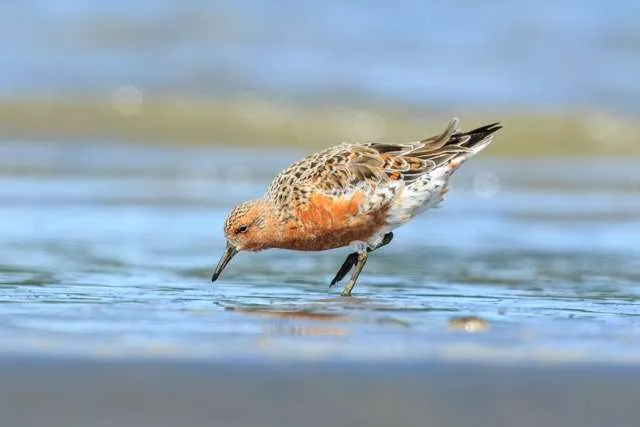
- Best Birds Seen: The location is renowned for its sheer volume of raptors, including Peregrine Falcons and Sharp-shinned Hawks, and for its concentration of Warblers and other neo-tropical migrants. During migration, massive numbers of shorebirds, gulls, and sea ducks also pass through. In particular the Red Knot can be seen here.

9. Cairns, Queensland, Australia
Cairns serves as the gateway to the World Heritage-listed Wet Tropics of Queensland, one of the oldest rainforests on Earth, where unique Australian endemics abound. Its proximity to both the rainforest and the coast offers incredible avian diversity in a compact area.
- Geography: Tropical rainforest, mangrove swamps, coastal mudflats, and mountainous hinterland.
- Best Birds Seen: The signature species is the imposing, flightless Southern Cassowary, often seen in the Daintree region. The area is famous for its colorful parrots and cockatoos, including the vibrant Eclectus Parrot and the huge Sulphur-crested Cockatoo. Other rainforest specialities include the spectacular Golden Bowerbird, the noisy Noisy Pitta, and the migratory Buff-breasted Paradise Kingfisher.
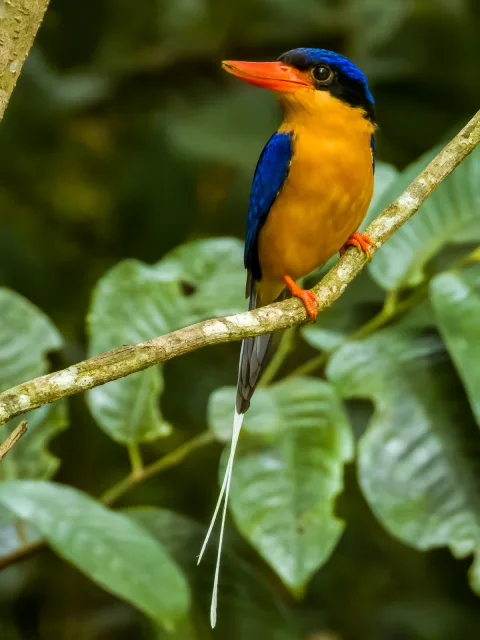
10. Alaska (Gambell and Pribilof Islands, USA)
These remote Alaskan outposts, particularly the Pribilof Islands (like St. Paul), are essential for dedicated birders seeking species that breed in the Arctic or are accidental Asian vagrants. Their remote location acts as a geographic magnet for birds that stray off course during migration.
- Geography: Treeless, rocky, volcanic tundra and massive sea cliffs.
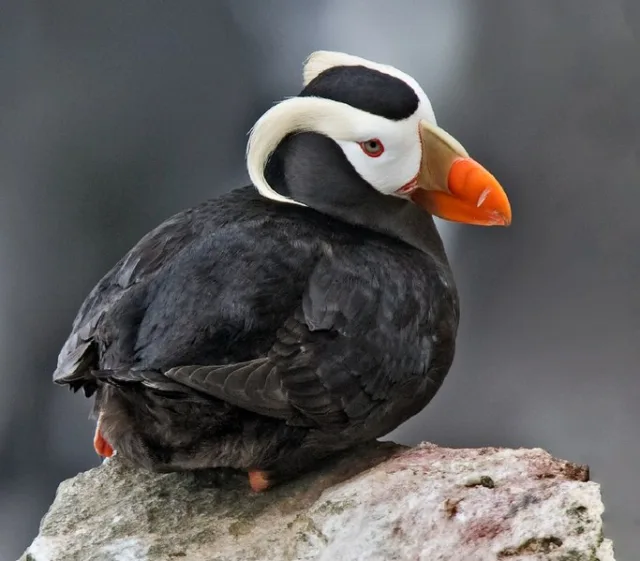
- Best Birds Seen: The islands are a breeding stronghold for millions of seabirds, including Horned Puffin, Tufted Puffin, and various species of Murrelets and Auklets. More sought after are the Asian vagrants, which can include the Siberian Accentor, Common Ringed Plover, and various extremely rare Asian flycatchers, making every visit a chance for a true rarity.
Wrapping Up
The world's premier birdwatching locations—from the cloud-shrouded Andean slopes of Ecuador to the arid savannas of Tanzania and the ancient rainforests near Cairns, Australia—are more than just tourist destinations; they are critical barometers of global ecological health. These ten hotspots, whether they host massive migrations (like Cape May, NJ) or rare, isolated endemics (like Borneo and Papua New Guinea), demonstrate the planet's vast and fragile biodiversity.
Each location underscores a unique conservation story: the success of protecting vast wetlands in the Brazilian Pantanal, the urgency of preserving ancient dehesa in Spain for the Great Bustard, and the necessity of maintaining coastal integrity for North American migrants. Ultimately, birding is an act of ecological stewardship. By dedicating travel and resources to these special places, birders contribute directly to the economic value of protected habitats, ensuring that these spectacular avian displays continue for generations to come, from the soaring Peregrine Falcon to the magnificent Oriental Pied Hornbill.
The Great Disappearing Act: Where Do All the Birds Go at Night?
