
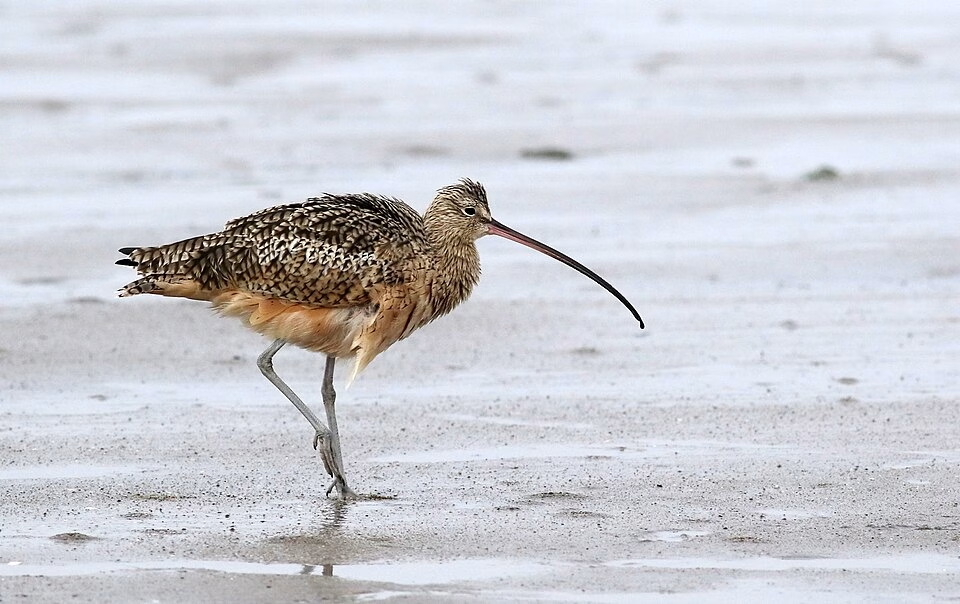
Utah, with its remarkably diverse landscapes, from the high peaks of the Wasatch Range to the stunning red rock deserts and vast wetlands, offers a veritable paradise for bird watchers. Over 460 different bird species have been recorded in the state, making it a premier destination for both casual observers and serious ornithologists. Whether you are seeking the majestic flight of a Bald Eagle over a mountain reservoir, the secretive movements of a Greater Sage-Grouse in the sagebrush steppe, or the vibrant flash of a Western Tanager in a riparian canyon, Utah's varied ecosystems provide a host of unique and accessible bird watching experiences throughout the year.
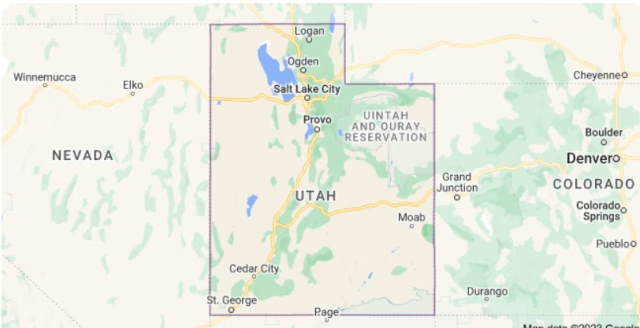
This article will explore some of Utah’s most rewarding bird watching locations, highlighting species to look for in each area and offering practical tips for maximizing your avian adventure in the Beehive State.
Bear River MBR
The Bear River Migratory Bird Refuge (MBR) is a critical wetland complex situated in Northern Utah, near Brigham City, where the Bear River completes its 350-mile journey and empties into the northeastern arm of the Great Salt Lake. This vast 74,000 to 80,000-acre refuge is the largest freshwater component of the Great Salt Lake ecosystem, creating a vital freshwater oasis surrounded by arid desert and the hyper-saline lake.
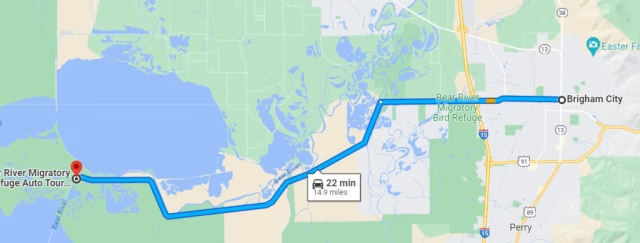
The geography is characterized by an intricate system of managed marshes, open water, mudflats, and uplands, carefully maintained using dikes and water control structures to provide diverse water depths for various waterbird needs. This unique location places the refuge at the convergence of the Pacific and Central Migratory Bird Flyways, establishing it as a globally important site in the Western Hemisphere Shorebird Reserve Network.
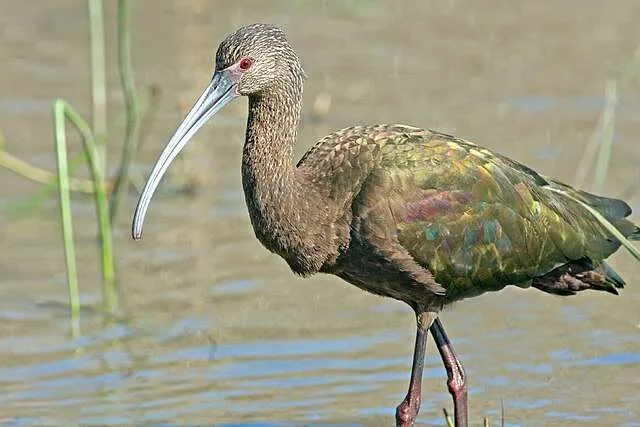
The bird watching opportunities at Bear River MBR are truly spectacular, drawing birders from around the world. Over 250 bird species utilize the refuge annually, with millions stopping to rest and feed during spring and fall migrations. Visitors can expect to see huge concentrations of waterfowl and shorebirds. Priority species include the White-faced Ibis (which nests in massive colonies here), American White Pelicans, Black-necked Stilts, American Avocets, Snowy Plovers, and tens of thousands of migrating Tundra Swans in the spring and fall. The primary way to experience the refuge is via the 12-mile Auto Tour Route, a one-way gravel drive that meanders through the heart of the wetlands, allowing for easy, year-round wildlife observation and photography directly from a vehicle.
Target Birds
Western and Clark's Grebe
Forster's Tern
American White Pelican
White-faced Ibis
Northern Harrier
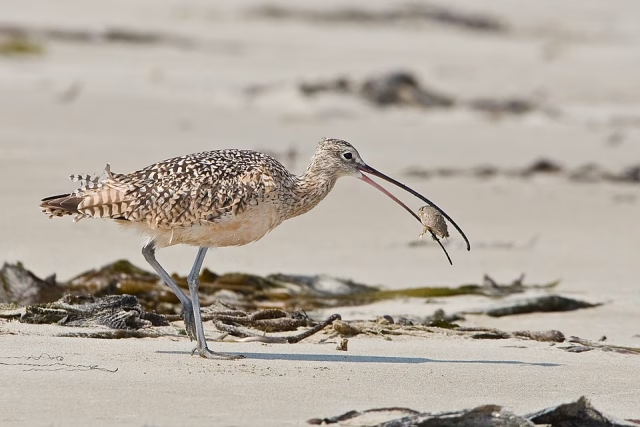
Long-billed Curlew
Shore Lark
The U.S. Fish and Wildlife Service has up to date information for visitors and should be consulted before starting a trip.
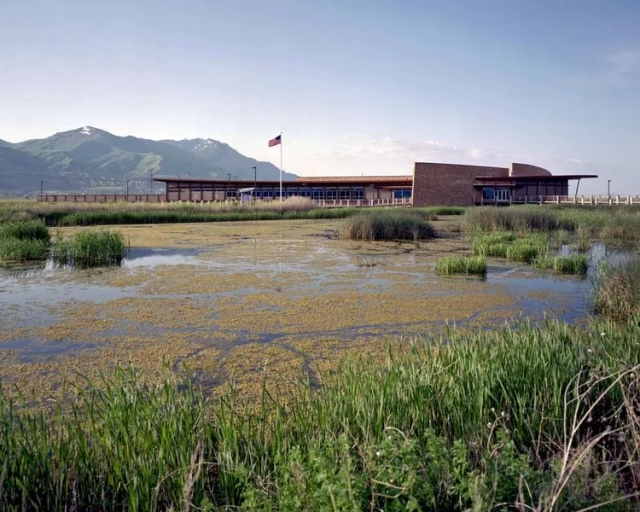
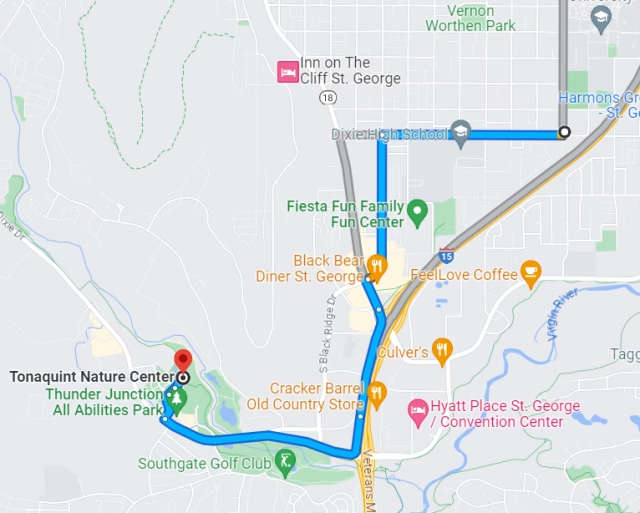
Tonaquint Nature Center
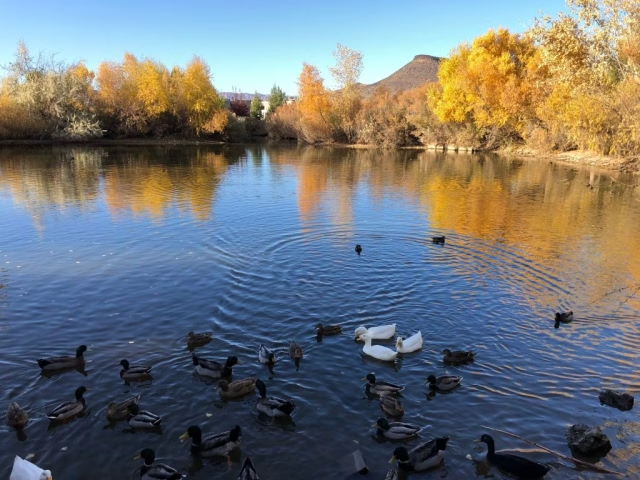
Located in the heart of St. George in southwestern Utah, the Tonaquint Nature Center is a vital, localized oasis at the confluence of three distinct North American biological zones: the Great Basin, the Colorado Plateau, and the Mojave Desert. This convergence gives the area a uniquely diverse landscape, but the center itself is defined by its crucial riparian habitat along the Santa Clara River. species.
Despite the arid surroundings of Washington County, Tonaquint features lush cottonwood/willow forests, tranquil walking trails, and a pond, all providing essential water, food, and cover for local wildlife. This urban refuge creates a stark, life-sustaining contrast to the nearby red rock canyons and desert scrub.
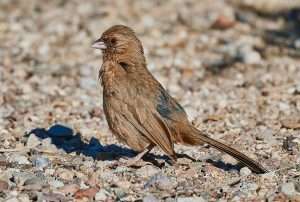
Tonaquint's geography makes it a premier spot for bird watchers, particularly for species tied to water and dense riverside vegetation. The combination of its pond and lush riparian corridor along the Santa Clara River attracts a wide variety of waterfowl, herons, and egrets. More notably, the center is a dependable location for southwestern specialties and desert-edge birds, including the secretive Crissal Thrasher and the handsome Abert's Towhee. During migration, the center acts as a crucial green-up, attracting various warblers, flycatchers, and sparrows, ensuring excellent birding opportunities year-round, whether observing resident birds or tracking migratory species.
Target Birds
Bullock's Oriole
Albert's Towhee
Lucy's Warbler
Black-chinned Hummingbird
Verdin
White-throated Swift
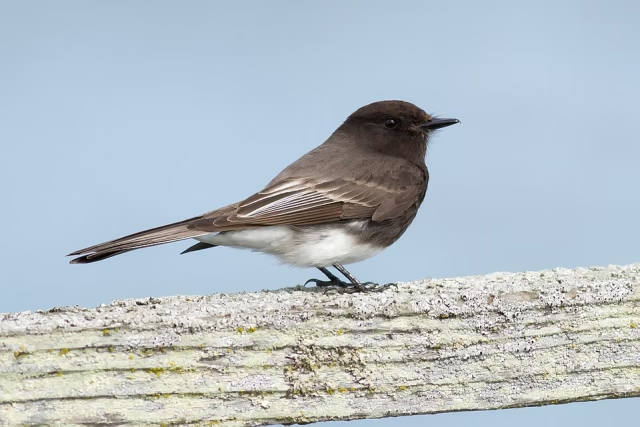
Black Phoebe
Blue Grosbeak
The Audubon webpage has information about this and other local hotspots in the area.
Lytle Ranch Preserve
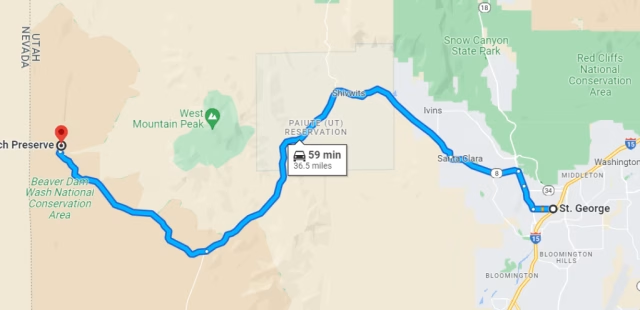
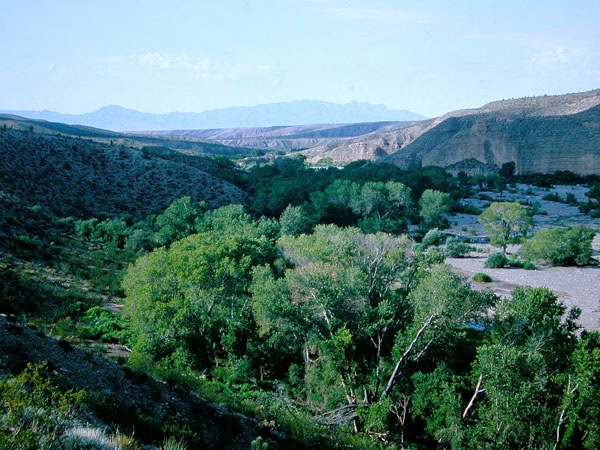
The Lytle Ranch Preserve offers one of Utah's most unique and geographically significant bird watching experiences, situated in the remote, extreme southwest corner of the state, approximately 36 miles west of St. George. This 600-acre oasis sits within the Beaver Dam Wash drainage at a low elevation of roughly 2,800 feet, where the boundaries of the Great Basin, Colorado Plateau, and Mojave Desert bio-regions spectacularly converge.
Its defining feature is the year-round surface water provided by the Beaver Dam Wash, a rarity in this arid environment. This permanent water source feeds a lush, mature riparian corridor—a "green island" of cottonwood and willow trees—creating a vital, biologically diverse habitat that stands in sharp contrast to the surrounding desert scrub, which is characterized by species like Joshua trees and creosote bush. This unique blend of Mojave Desert uplands and dense riparian lowlands makes the Preserve a critical stopover and nesting site.
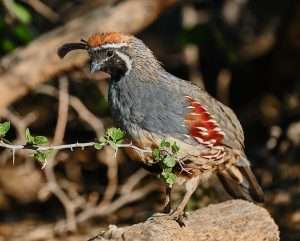
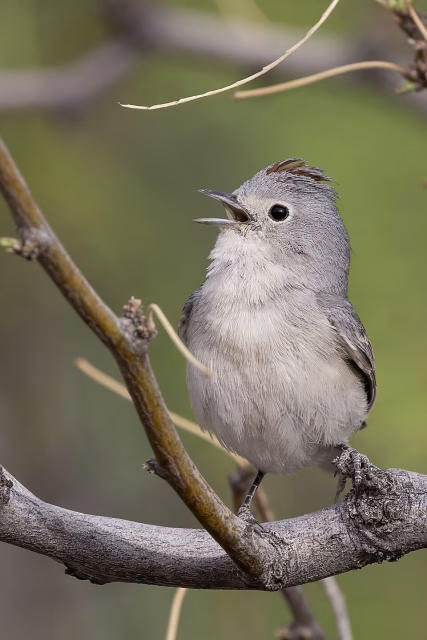
This rare geographical convergence transforms Lytle Ranch into one of Utah's premier migrant traps and a hotspot for specialty desert species. The Preserve has recorded over 275 bird species, making it the most reliable location in the state for finding southwest desert breeders that are rare or non-existent elsewhere in Utah. Year-round residents include the Gambel's Quail, Cactus Wren, and Verdin. During the critical spring and fall migration periods, the lush riparian area attracts a dazzling array of transient songbirds. Furthermore, the Preserve is the best place in Utah to observe key nesting species such as the bright Summer Tanager, the elusive Bell's Vireo, the tiny Lucy's Warbler, the iridescent Phainopepla, and the charismatic Brown-crested Flycatcher, providing birders with a special opportunity to add true Mojave specialists to their life list.
Target Birds
Bell's Vireo
Summer Tanager
Bewick's Wren
Say's Phoebe
Cooper's Hawk
Black-throated Sparrow
Lesser Nighthawk
Eastern Screech-Owl
The Utah Birds Website has specific direction details along with birding checklists.
Farmington Bay WMA
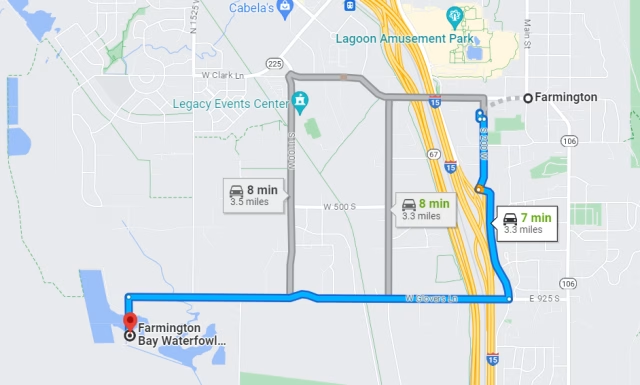
The Farmington Bay Waterfowl Management Area (WMA) is a critical piece of the Great Salt Lake ecosystem, situated on the lake's southeastern shore near the rapidly developing Wasatch Front. This extensive public sanctuary, managed by the Utah Division of Wildlife Resources, spans over 18,000 acres and offers a vital mix of habitats, including managed freshwater ponds, brackish marshes, mudflats, and uplands.
Despite its proximity to major urban areas like Salt Lake City, the WMA provides a large, protected area of wetlands fed by fresh water sources, which is essential for diluting the Great Salt Lake's high salinity and supporting diverse flora and fauna. The area's geography, characterized by a network of dikes and channels, allows for water level control, creating a perfect array of shallow and deep water habitats throughout the year.
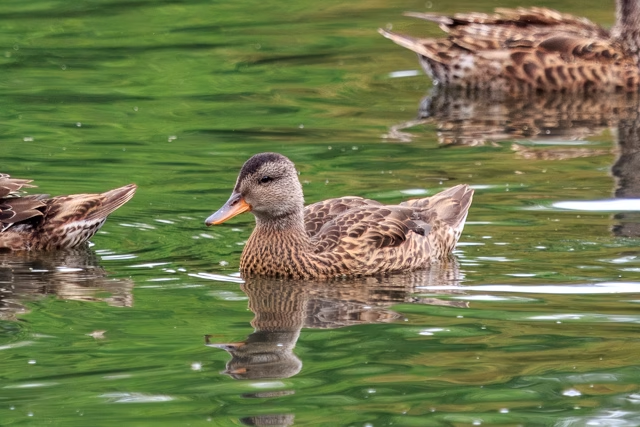
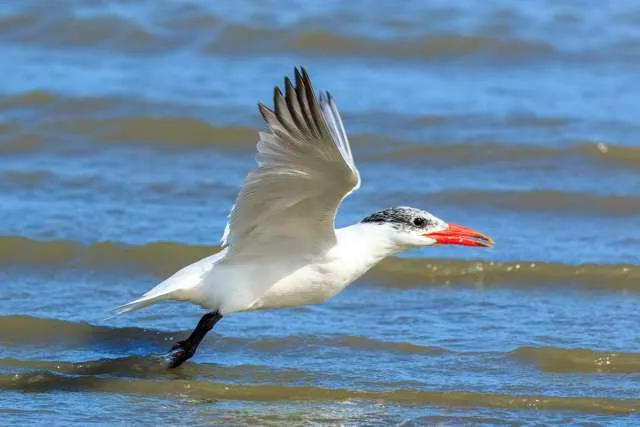
As a major stopover on the Pacific Flyway, Farmington Bay WMA offers phenomenal birdwatching opportunities across all seasons. Spring and fall bring spectacular migrations, with thousands of waterfowl like Northern Pintails, Gadwalls, and Tundra Swans darkening the skies. The breeding season sees American Avocets, Black-necked Stilts, and White-faced Ibis nesting in the mudflats and marshes. However, the WMA is perhaps best known for its incredible winter birding, when the open water attracts hundreds of Bald Eagles and raptors, which forage on carp and other fish, often easily viewed from the WMA's dikes and the scenic 1.6-mile nature trail near the Eccles Wildlife Education Center. More than 200 species have been recorded here, making it one of the most productive and accessible birding destinations in Northern Utah.
Target Birds
Redhead
Ruddy Duck
American Avocet
Caspian and Forster's Tern
Spotted Towhee
Sandhill Crane
Virginia Rail
- Sandhill Crane
The Davis website has access information and permit details.
Deseret Ranch
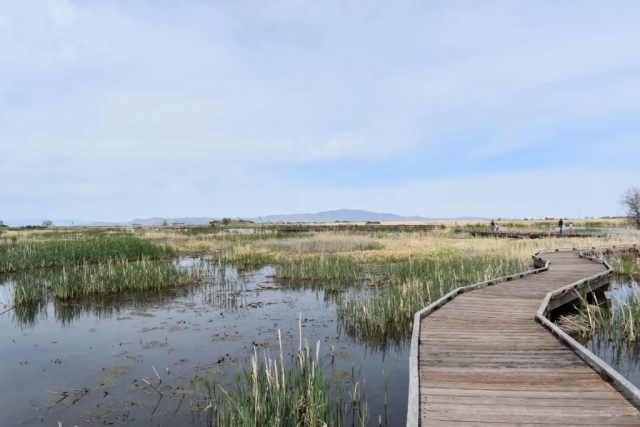
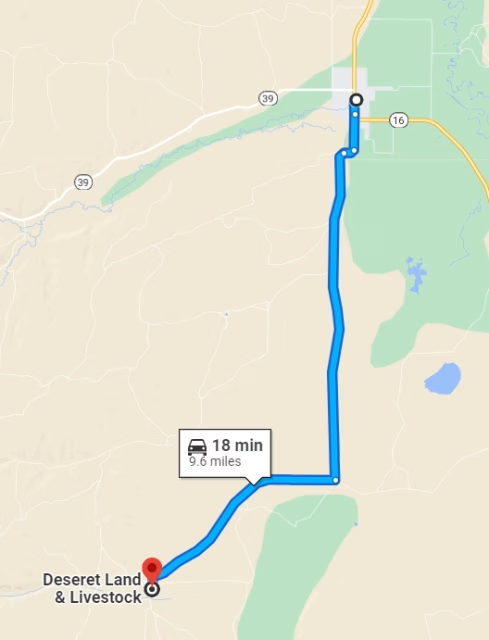
The Deseret Land and Livestock Ranch (often referred to simply as Deseret Ranch) is a colossal, privately-owned wilderness spanning over 200,000 acres across Rich, Morgan, Summit, and Weber counties in northeastern Utah. Geographically, it is characterized by rugged, mountainous terrain, deep canyons, and high-elevation valleys bordering the Wasatch-Cache National Forest and extending towards the Wyoming border.
Located in a cold climate zone, the ranch features diverse habitats, from juniper and sagebrush steppe on its eastern and lower-elevation portions to grasslands, thickets of brush, and pockets of aspen and fir trees in the higher, more rugged sections. This diverse, secluded geography creates an expansive ecological range, providing shelter and forage for numerous wildlife species, including the resident herds of elk and mule deer for which it is also well-known.
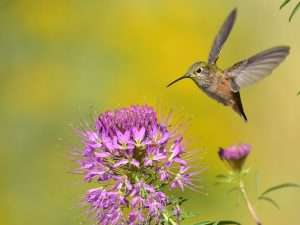
Due to its vast size and protected private status, Deseret Ranch serves as a vital sanctuary for an impressive array of Utah's avian species, recognized as a National Audubon Important Bird Area. While the ranch is a private working cattle operation, it offers limited, high-quality public access specifically for bird watching through guided tours managed by licensed outfitters. These curated excursions provide unparalleled opportunities to spot high-altitude raptors, montane forest dwellers, and sagebrush specialists that are challenging to find elsewhere. Common sightings can include the Golden Eagle, Peregrine Falcon, Broad-tailed Hummingbird, Gray Jay, and various species of warblers and sparrows, with experts often recording over 100 bird species in a single day, cementing its reputation as one of Utah’s most rewarding, albeit exclusive, birding locations.
Target Birds
Spotted Sandpiper
Sharp-shinned Hawk
Great Horned Owl
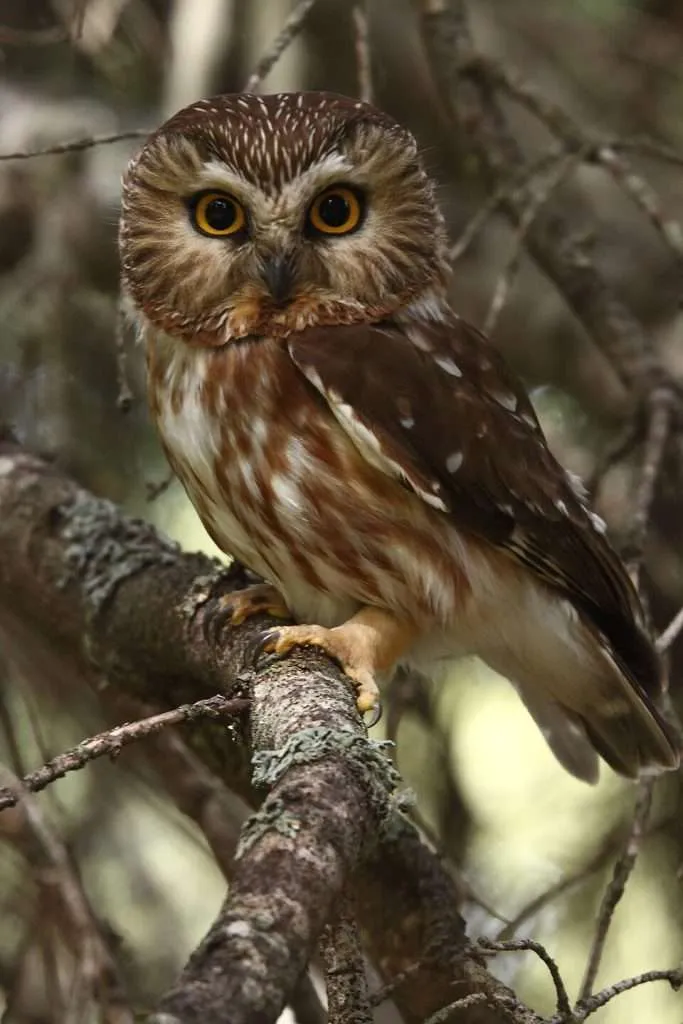
Northern Saw-whet Owl
Canvasback
Wilson's Phalarope
Golden Eagle
Brewer's Sparrow
The Go Utah Website is the place to start for an approved birding expedition to the area.
Fish Springs NWR
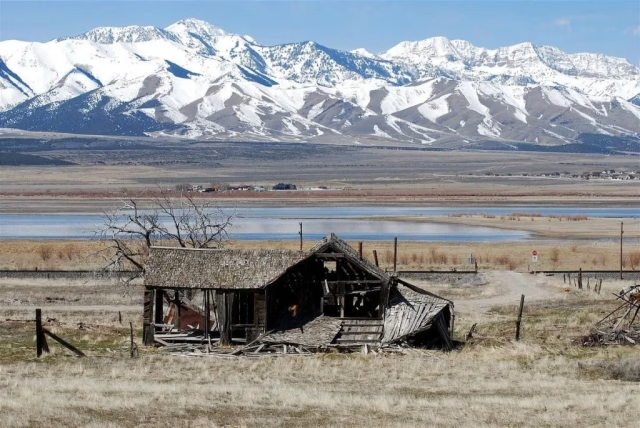
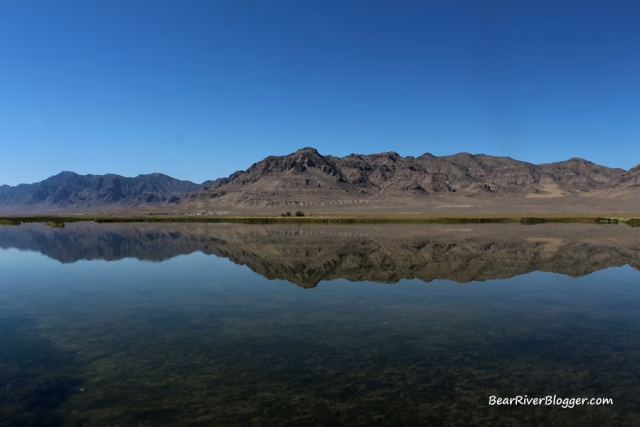
Deep within the Great Basin Desert of western Utah lies the remarkable Fish Springs National Wildlife Refuge (NWR), a true wetland oasis carved out of an otherwise stark and arid landscape. Located in remote Juab County at the southern end of the Great Salt Lake Desert, the refuge's geography is defined by a chain of natural, warm, and highly saline springs, which are a remnant of the ancient Pleistocene-era Lake Bonneville.
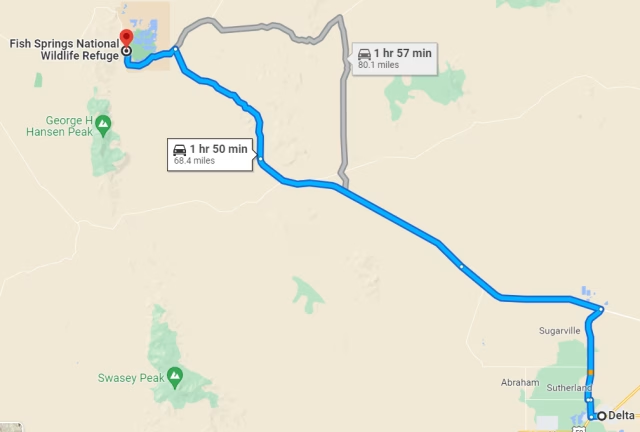
This year-round, reliable flow of groundwater sustains an expansive 10,000-acre marsh system within the nearly 18,000-acre refuge, creating a vibrant, critical stopping point on the Pacific Flyway. Access to this remote destination, once a crucial stop on the historic Pony Express Trail, requires a significant drive on unpaved roads, adding to its sense of splendid isolation.
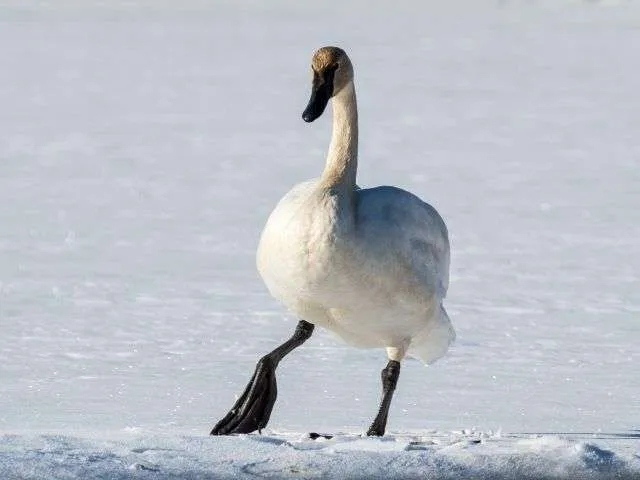
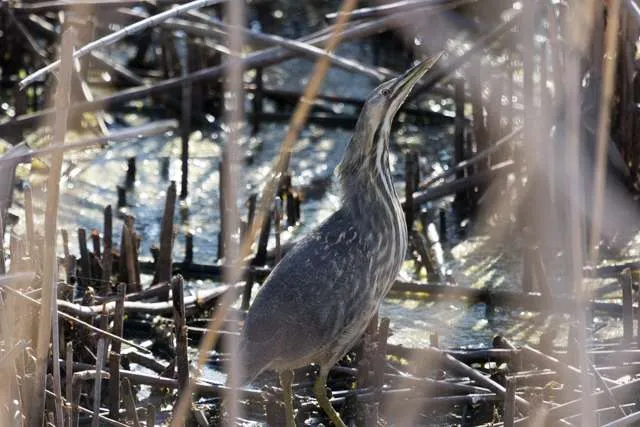
For the dedicated bird watcher, this isolation translates into exceptional viewing opportunities, as Fish Springs NWR is a magnet for migratory and desert species, with over 290 bird species recorded. The established, self-guided 11-mile auto tour route winds around the extensive dikes and water impoundments, offering close views of the marsh's inhabitants. During the spring and fall migrations, the refuge hosts peak numbers of shorebirds and waterfowl, including Tundra Swans, various ducks, and large concentrations of White-faced Ibis, American Avocets, and Black-necked Stilts. Furthermore, the diverse habitats support breeding colonies of Great Blue Herons and Black-crowned Night Herons, while the dense vegetation is one of the best places in Utah to spot the secretive American Bittern, making Fish Springs a unique and rewarding birding adventure any time of year.
Target Birds
Willet
American Bittern
Marsh Wren
Black-necked Grebe
Snowy Plover
Loggerhead Shrike
Prairie Falcon
The USFWS has background details about the refuge as well as visitor information.
Utah Lake SP
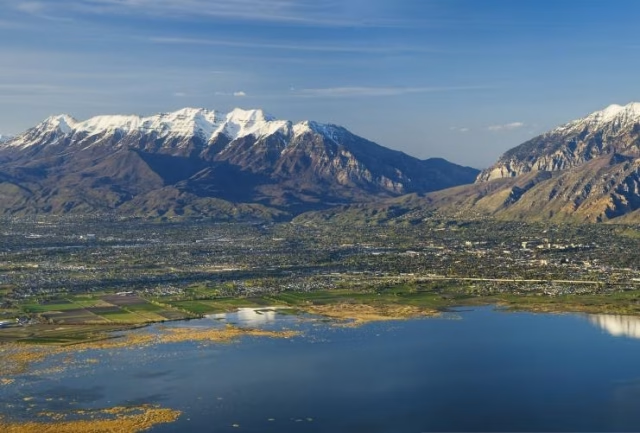
Utah Lake State Park is centrally located on the eastern shore of Utah Lake, the largest freshwater lake in the state, immediately west of the city of Provo and the Provo Municipal Airport in Utah County. Situated at an elevation of approximately 4,500 feet, the geography of the park is defined by the expansive, relatively shallow lake and the adjacent Provo River Delta, where the river empties into the lake. This meeting of fresh water and open lake creates vital, accessible riparian and wetland habitats, contrasting sharply with the high-desert valleys and the towering peaks of the nearby Wasatch Mountains.
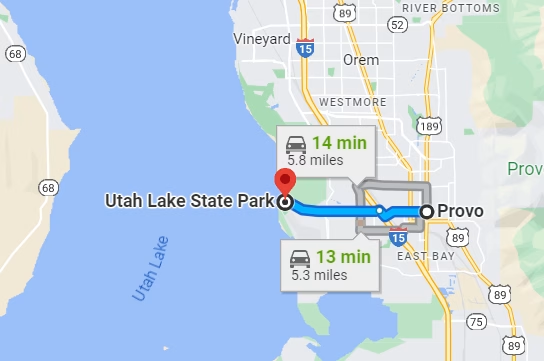
The park itself provides key facilities like jetties and managed grassy areas that serve as excellent vantage points for accessing the rich birdlife of the lake and its surrounding areas.
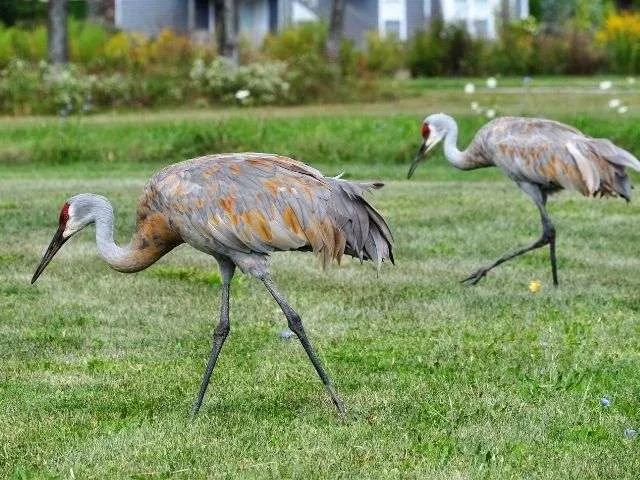
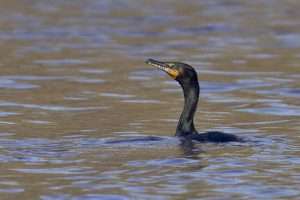
These geographic features make Utah Lake State Park an important year-round birding destination, acting as a crucial stopover and breeding area along the Pacific Flyway. Over 220 bird species have been documented using the Utah Lake ecosystem, offering excellent opportunities for observing waterfowl, shorebirds, and wading birds. Common sightings include migratory ducks like the Cinnamon Teal and Northern Shoveler, as well as resident species such as the Great Blue Heron, Double-crested Cormorant, and American White Pelican. Birders can walk along the jetties to scope the open water for grebes and gulls, or focus on the Provo River outlet and adjacent marshy areas, which are prime habitat for species like the Sandhill Crane and various raptors, including wintering Bald Eagles.
Target Birds
Osprey
Lesser Goldfinch
Willow Flycatcher
Cedar Waxwing
Western Tanager
Broad-tailed Hummingbird
Lark Sparrow
Utah Birds has a little information about the area and the birds seen here.
Quail Creek State Park
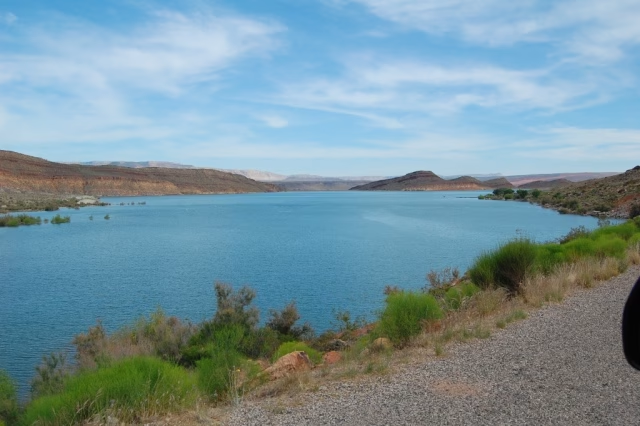
Situated in the stunning red rock country of southwestern Utah, Quail Creek State Park is a desert oasis offering a surprising wealth of birdwatching opportunities. Located just a short drive from St. George and near the town of Hurricane, the park sits at a relatively low elevation of approximately 3,300 feet.
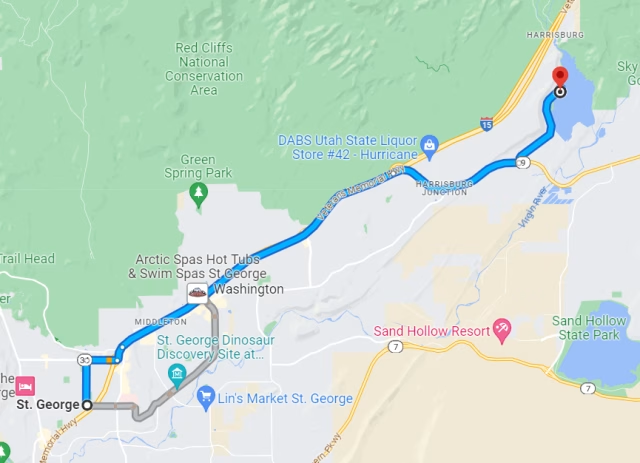
This location, at the transition point between the higher plateaus and the lower Mojave Desert-influenced areas, gives it a unique geographical advantage. The central feature is the 600-acre Quail Creek Reservoir, which is fed primarily by the Virgin River and boasts some of the warmest surface waters in the state. Surrounded by stark, beautiful red sandstone cliffs and desert scrub, the combination of an extensive body of water and mild winter climate creates an irresistible magnet for both resident and migratory birds.
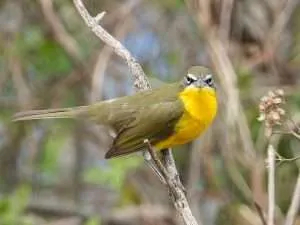
Quail Creek Reservoir is renowned among local birders, boasting a species list approaching 200 and often being cited as one of Utah's premier water birding sites, especially from late fall through spring. The consistent presence of open water and varied habitats—from the central lake to the riparian thickets near the creek inlet and the surrounding desert habitat—attracts a remarkable diversity of avian life. Birdwatchers frequently spot Bald Eagles and various hawks, an impressive variety of waterfowl including Eurasian Wigeon and three species of Merganser, and all four regularly occurring Loon species in Utah. The campground area and riparian zones are excellent for observing passerines like Yellow Warblers and Yellow-breasted Chats, while the dramatic red rock cliffs are home to species like the Canyon Wren and the occasional high-flying Peregrine Falcon.
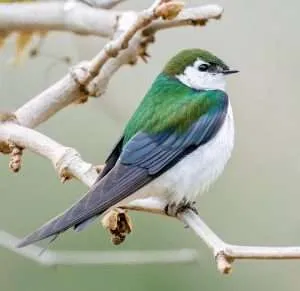
Target Birds
Great Northern Diver
Goosander
Rock Wren
Violet-green Swallow
Bufflehead
Virginia's Warbler
Utah.gov has a downloadable brochure about visiting the area.
Antelope Island State Park
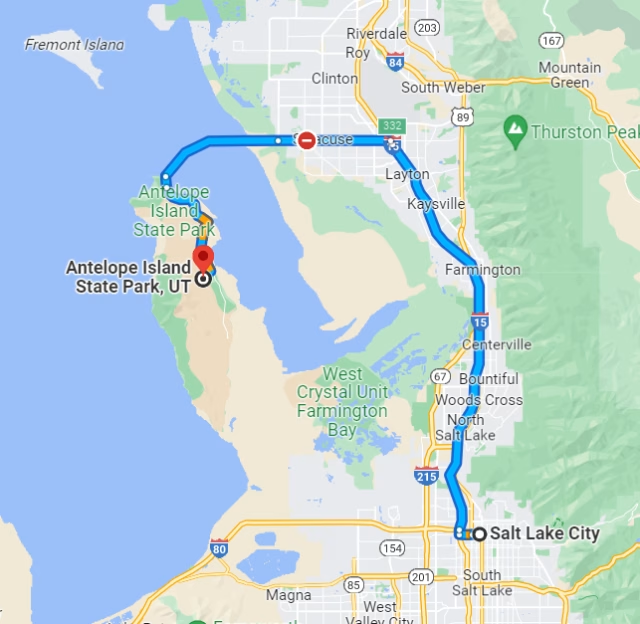
Antelope Island State Park is a geographically unique, 28,800-acre landmass situated in the southeastern portion of the Great Salt Lake, acting as the lake's largest island. Accessed via a seven-mile scenic causeway from the mainland, the park's topography features arid, rolling grasslands, shrub-steppe habitat, and a small, rugged mountain range (with Frary Peak reaching 6,596 feet) that provides higher-elevation chaparral and canyon environments.
Although surrounded by hypersaline water, the island’s interior is sustained by over 40 freshwater springs, creating critical riparian and oasis habitats, most notably at the historic Fielding Garr Ranch. This blend of saline shoreline, dry uplands, and fresh-water refuges makes the island a distinctive geological and biological tapestry.
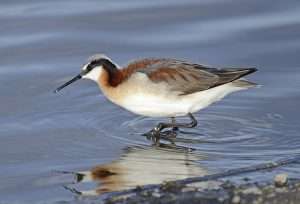
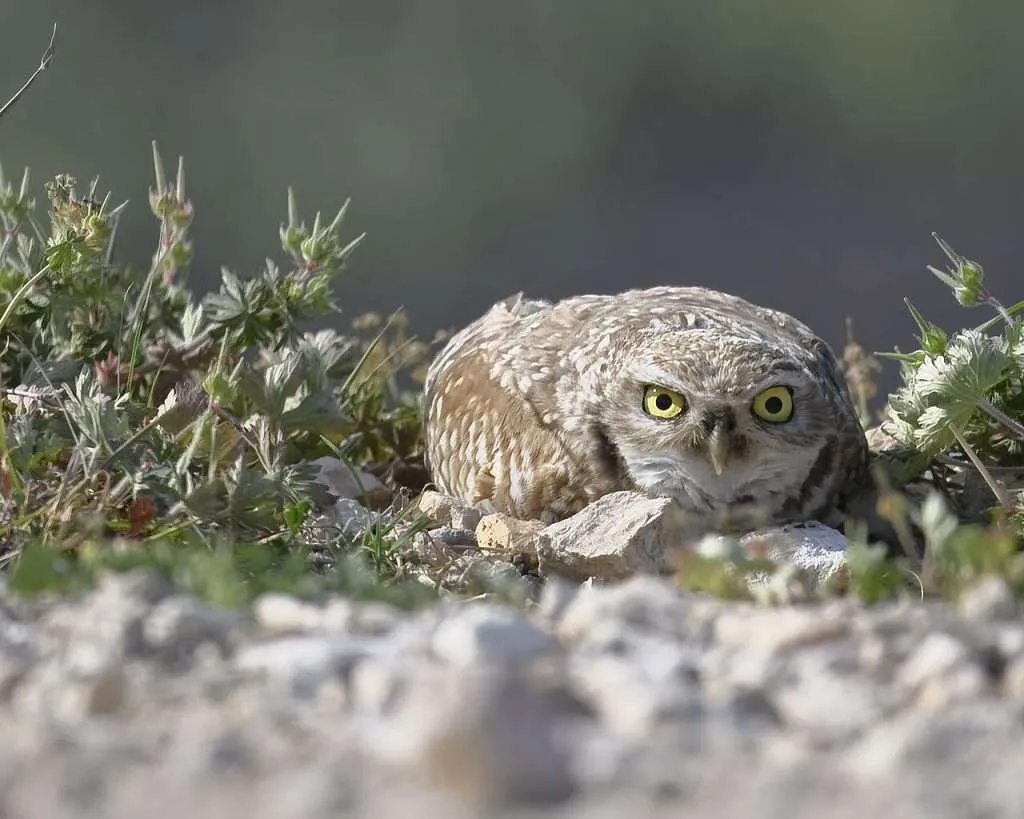
This varied geography translates into phenomenal, year-round bird watching opportunities, supporting over 260 recorded species. The seven-mile causeway itself is internationally renowned, especially during spring and fall migrations, when millions of birds—including massive staging concentrations of Wilson's Phalarope and Eared Grebe—flock to the shallow, brine shrimp-rich waters of the lake. On the island's interior, birders seek out upland residents such as the non-native Chukar, Horned Lark, and Sage Thrasher. The dense vegetation and freshwater springs at Fielding Garr Ranch act as a crucial 'migrant trap,' concentrating songbirds, while raptors like Northern Harriers and Golden Eagles are permanent fixtures, and the popular Burrowing Owl can be found nesting in the grasslands during the summer months.
Target Birds
Barn Owl
Western Wood-Peewee
Black-headed Grosbeak
Wilson's Warbler
Warbling Vireo
Swainson's Thrush
Olive-sided Flycatcher
Northern Waterthrush
- Sora
Audubon Utah has an article about this and other birding hotspots in Utah.
Wrapping Up
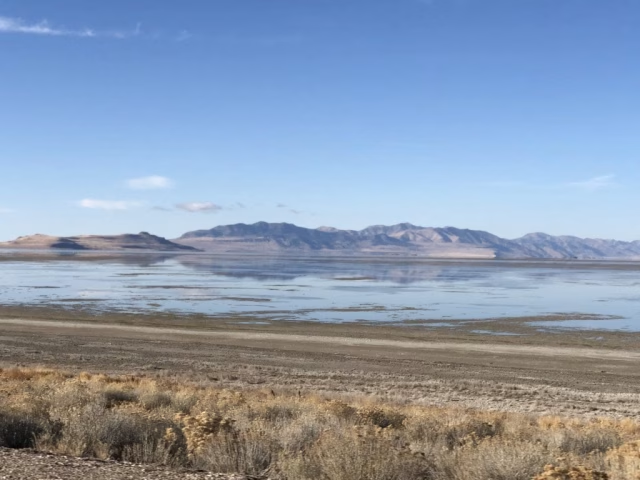
In conclusion, Utah's status as a premier birdwatching destination is firmly established by its extraordinary environmental diversity, which accommodates over 430 bird species. The state's unique position along major avian flyways, combined with a dramatic landscape that transitions rapidly from arid desert to alpine forest, provides a rich mosaic of habitats. While areas like the Bear River Migratory Bird Refuge are globally vital for immense concentrations of shorebirds and waterfowl, the numerous canyons, mountain passes, and riparian corridors offer year-round viewing of raptors, grouse, and montane songbirds. Ultimately, whether one seeks the spectacle of millions of migrating Eared Grebes at the Great Salt Lake or the intimate thrill of spotting a Black Swift in a mountain canyon, Utah offers a rewarding and endlessly varied experience for birders of all levels.
