

Familiarity might breed contempt in many aspects of life, and the world of birdwatching is no exception. While the thrill of spotting a rare vagrant or a lifer with vibrant plumage is undeniable, it often leads to a subtle yet pervasive undervaluing of the avian neighbors we see every day.
In the United States, this phenomenon is particularly evident in our interactions with common bird species. We might eagerly travel miles to glimpse an elusive warbler but barely register the Northern Cardinal singing in our backyard or the American Robin foraging on our lawn. This lack of appreciation not only diminishes our overall birdwatching experience but also overlooks the fascinating lives and ecological importance of these ubiquitous creatures.
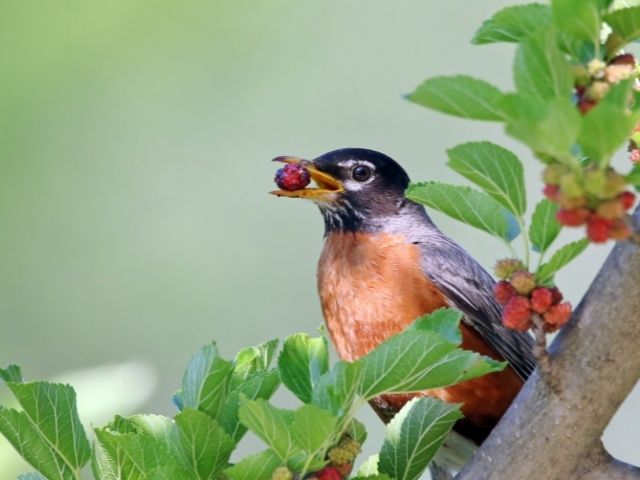
One of the most readily observed examples of this "familiarity contempt" is the American Robin (Turdus migratorius). This plump, cheerful bird with its rusty breast and melodic song is a fixture in parks, gardens, and suburban landscapes across North America. For many, the robin is simply "there," a commonplace sight that rarely elicits more than a passing glance. Yet, the robin's life is a testament to resilience and adaptation. They are skilled foragers, employing a characteristic run-and-stop method to hunt earthworms and insects. Their complex social behaviors, from territorial disputes to cooperative feeding of young, are often missed by casual observers. The sheer adaptability of the robin, allowing it to thrive in diverse habitats from forests to urban centers, is a remarkable ecological success story that deserves more than mere indifference.

Similarly, the Northern Cardinal (Cardinalis cardinalis) is another species often taken for granted. The male's brilliant scarlet plumage is a welcome splash of color, especially during drab winter months, and their clear, whistling songs are a familiar sound. Yet, their constant presence can lead to a lack of appreciation for their beauty and behavior. Cardinals exhibit strong pair bonds, often staying together year-round, and their intricate courtship rituals and devoted parental care are captivating to observe if one takes the time. Their role as seed dispersers also contributes to the health of their ecosystems. Dismissing the cardinal as "just another red bird" is to overlook the complexity and vibrancy they bring to our natural world.

Consider the ubiquitous House Sparrow (Passer domesticus) and European Starling (Sturnus vulgaris). These introduced species are often viewed with disdain due to their abundance and sometimes aggressive competition with native birds. While their impact on local ecosystems is a valid concern, this negative perception often overshadows their adaptability and survival strategies. House Sparrows, with their intricate social structures within flocks and their ability to exploit a wide range of food sources, have successfully colonized diverse environments globally.

European Starlings, known for their glossy, iridescent plumage in the breeding season and their remarkable flocking behavior (murmurations), are also highly intelligent and adaptable birds. While management of invasive species is sometimes necessary, understanding their biology and behavior can still be a source of fascination, rather than pure contempt.
Why Contempt?
The reasons behind this devaluation of common birds are multifaceted. Firstly, the human fascination with novelty plays a significant role. Rare or unusual sightings trigger excitement and a sense of accomplishment in birdwatchers. The effort and sometimes expense involved in finding these birds further enhance their perceived value. Conversely, common birds require no special effort to observe, leading to a perception that they are less interesting or significant.

Secondly, overexposure can lead to a form of sensory fatigue. We see and hear these common birds so frequently that they fade into the background of our awareness. Just as we might tune out familiar sounds or sights in our daily lives, we can become desensitized to the presence of common avian species.
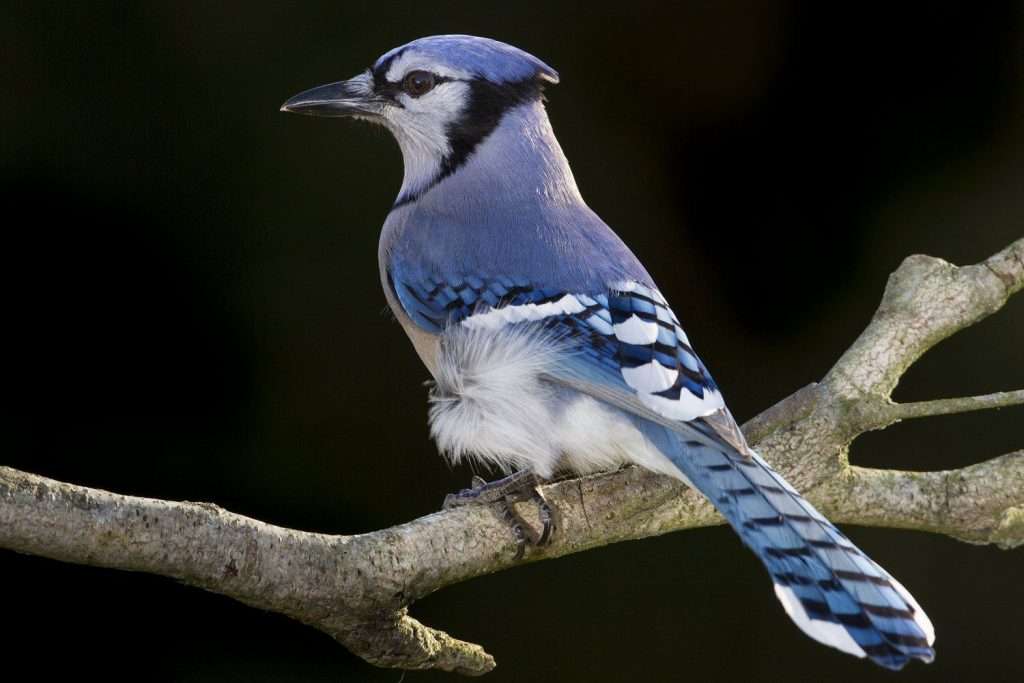
Thirdly, the focus on identification and listing in birdwatching culture can inadvertently contribute to this problem. The emphasis on adding new species to one's life list or identifying challenging birds can overshadow the simple joy of observing the behavior and appreciating the beauty of even the most familiar species.
However, cultivating a deeper appreciation for common birds can significantly enrich our birdwatching experience and foster a greater connection with the natural world around us. By shifting our focus from rarity to observation, we can discover the hidden complexities and beauty in the lives of these often-overlooked creatures.
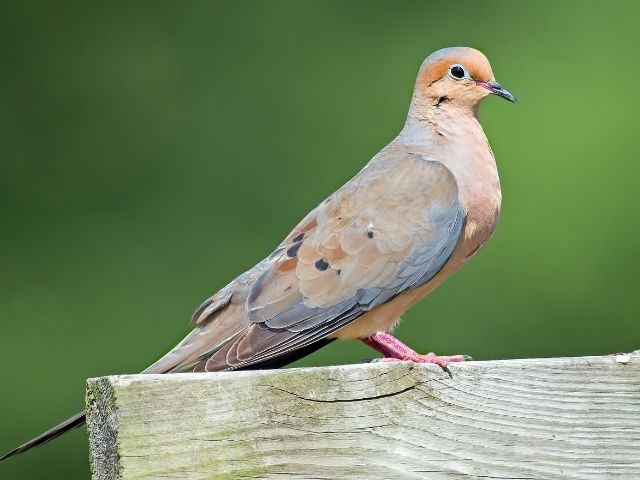
Taking the time to truly watch a Mourning Dove (Zenaida macroura) can reveal its gentle nature, its graceful flight, and the intricate details of its soft plumage. Observing a flock of American Crows (Corvus brachyrhynchos) can showcase their intelligence, their complex social interactions, and their remarkable adaptability. Even the seemingly simple House Finch (Haemorhous mexicanus), with the male's rosy breast and its cheerful, warbling song, has a fascinating history of its spread across North America and exhibits interesting variations in plumage and song.

Furthermore, appreciating common birds can foster a stronger sense of environmental awareness. These are the species most closely connected to our daily lives and the habitats we share. Noticing changes in their populations or behaviors can provide valuable insights into the health of our local ecosystems. Understanding their ecological roles, from pollination and seed dispersal to insect control, highlights their importance in maintaining biodiversity.
Wrapping Up
While the allure of rare birds is understandable, allowing familiarity to breed contempt for common bird species diminishes our overall birdwatching experience and blinds us to the fascinating lives and ecological importance of these ubiquitous creatures. By consciously shifting our focus towards observation, appreciating their beauty, understanding their behaviors, and recognizing their ecological roles, we can cultivate a deeper connection with the natural world right outside our doorstep.
The Northern Cardinal singing its heart out in the oak tree, the American Robin diligently searching for worms, and even the seemingly ordinary House Sparrow have stories to tell and beauty to offer, if only we take the time to truly see them. Let us move beyond the pursuit of the rare and rediscover the wonder in the common, enriching our appreciation for the diverse avian life that surrounds us every day in the United States.
