
Nestled on the southern edge of Lawrence, Kansas, the Baker University Wetlands & Discovery Center is far more than a local nature preserve; it is a vital ecological engine and a celebrated destination for birdwatching. Spanning 927 acres along the Wakarusa River floodplain, the wetlands stand as a testament to successful restoration, having been transformed from historically drained farmland back into a mosaic of wetlands, wet prairies, and woodlands.
This unique combination of habitats, situated at the eastern edge of the Central Flyway Migration Corridor, makes the Baker Wetlands a crucial stopover point, a seasonal sanctuary, and a rewarding place for birders of all experience levels.
The Restoration Story: A Vital Sanctuary
The history of the Baker Wetlands is a classic conservation narrative. The land, once part of the Haskell Boarding School, was extensively drained and cultivated in the early 20th century, effectively erasing the original wet meadow ecosystem. In the late 1960s, Baker University acquired the land for educational and research purposes.
Under the guidance of dedicated biologists, a multi-decade effort began to reverse the drainage projects. By plugging drainage culverts and installing water control structures, managers successfully rehydrated the area, allowing native wetland vegetation to return. This restoration proved hugely successful, quickly attracting the water-dependent wildlife that had been missing for decades. Today, the 927-acre complex boasts an astounding level of biodiversity, including over 280 documented bird species.
Birdwatching Opportunities: Trails and Access

One of the greatest assets of the Baker Wetlands is its accessibility, making the birding experience enjoyable and productive without requiring a deep trek into the wilderness.
Extensive Trail System: The property offers more than 11 miles of trails, which are open daily from sunrise to sunset. These trails traverse the different habitats, following elevated levees and winding through prairie and woodland edges.
The Discovery Center: The modern Discovery Center serves as the central hub, offering exhibits on the area's history and ecosystem, and providing an excellent starting point.
Boardwalks and Observation: For the best, least-disturbing views of the wetland pools, several shorter boardwalk trails allow visitors to walk directly over the marshy areas without sinking into the mud. The presence of observation blinds and kiosks further aids in viewing.
The Central Flyway Advantage: Being a stopover site on the Central Flyway means that birding is fantastic during both the Spring (March–May) and Fall (September–November) migrations, when the resident population swells with thousands of transient birds resting and feeding.
Avian Highlights: Who to Watch For
The diversity of birds at Baker Wetlands is a direct reflection of its varied habitat, ranging from open water to dense prairie.
1. Waterfowl and Shorebirds (Migration/Winter)
The restored marsh and open water pools are magnets for migratory waterfowl. Birders frequently record large numbers of:
Dabbling Ducks: Species like Mallards, Northern Shovelers, Blue-winged Teal, and Northern Pintails are common, particularly in the spring and fall.
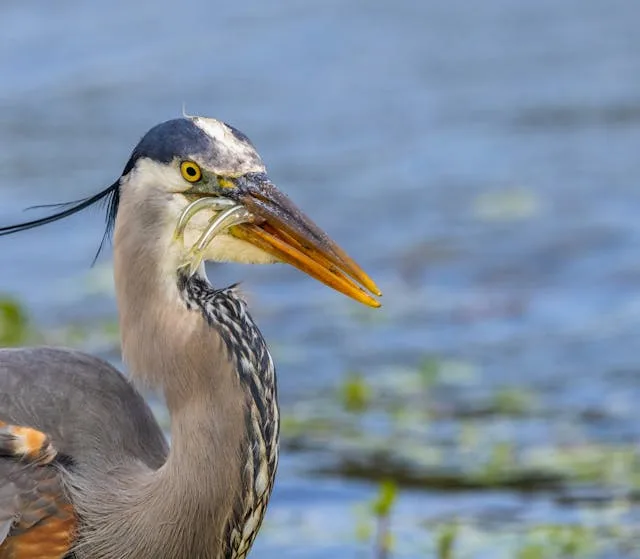
Wading Birds: The tall grasses and shallow edges host Great Egrets and Great Blue Herons in the warmer months. Rarer sightings can include American Bittern and the striking White-faced Ibis during migration.

Great Blue Heron Shorebirds: As water levels fluctuate and mudflats are exposed, various Sandpipers, Yellowlegs, and Wilson's Phalaropes stop to refuel.
2. Raptors (Year-Round/Winter)
The wetlands' abundance of smaller birds and rodents attracts top-tier predators. Northern Harriers are often seen gliding low over the prairie grass, hunting. During the winter months, when larger lakes may be frozen, the open water at Baker can attract the majestic Bald Eagle.

3. Grassland Species (Breeding Season)
The unplowed, restored wet prairie sections of the wetlands are crucial habitat for species that have declined significantly across the Midwest:
Dickcissel: Often referred to as the "prairie canary" for its bright yellow chest and distinctive song.
Eastern and Western Meadowlarks: Both species are present, adding their flute-like songs to the summer soundscape.
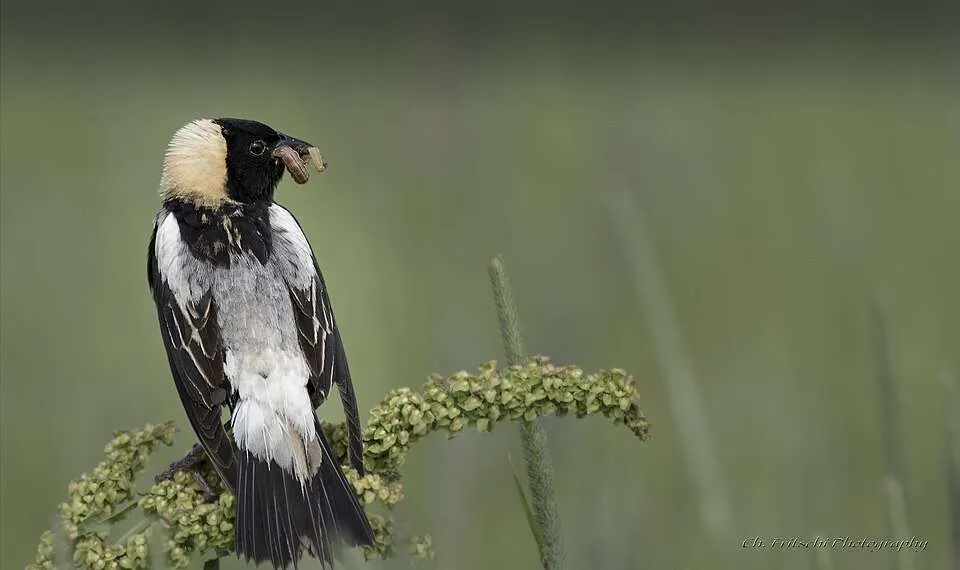
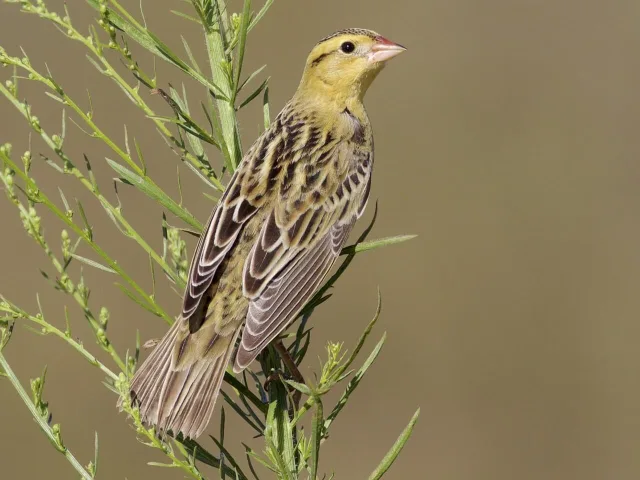
Bobolink: Migrating through, these birds are a treat to spot as the males display their unique black, white, and yellow plumage.
4. Passerines and Songbirds
The wooded edges and shrub thickets along the Wakarusa River attract a wide range of songbirds, especially during migration:
Warblers: Numerous species of colorful warblers pass through in the spring, using the dense cover for rest.
Black-Capped Chickadees and Tufted Titmice are year-round residents, while the colorful Northern Cardinal is a common sight in the underbrush.
The Baker Wetlands, through dedicated conservation and management, has earned its reputation as one of Kansas's most diverse and rewarding birding locations. It provides a peaceful, accessible window into the incredible ecological drama that unfolds yearly along North America's great migration route.
