
For most birders, the word "lifer" conjures images of remote, exotic locations. It speaks of grueling hikes, long travel days, and the thrill of spotting a rare species in a distant, specialized habitat—a Great Gray Owl in a remote northern bog, a Resplendent Quetzal high in a Central American cloud forest, or a Black-capped Vireo deep in a thorny scrubland. These major expeditions are certainly the foundation of many a birder’s logbook and an undeniable source of excitement.
But in the rush to fill out the global or even national list, many overlook the simplest, most intimate, and often most surprising pleasure: the backyard lifer.
A backyard lifer is any species you add to your life list without leaving the confines of your own property. It’s a sudden, unexpected gift from the sky, a reminder that the world of avian migration and movement is constantly swirling just outside your window.
The Ecology of the Unexpected
The reason backyard lifers are so satisfying lies in the element of chance. They disrupt the rigid structure of birding where success often correlates directly with effort and planning. They are the result of three ecological factors: vagrants, weather systems, and habitat changes.
The Wandering Vagrant
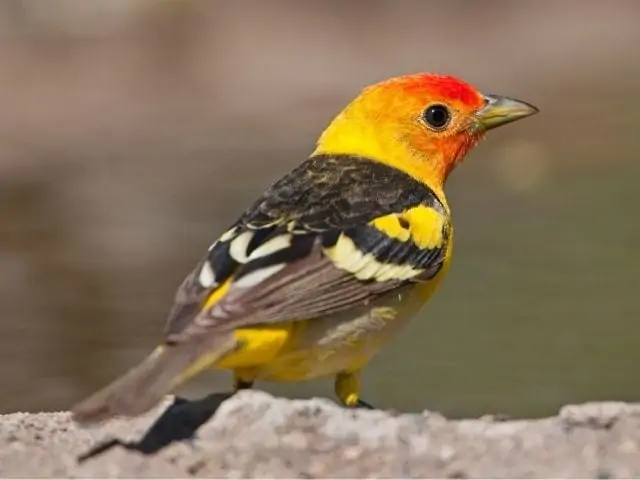
Sometimes, a bird simply gets lost. Juvenile birds, in particular, may miscalculate their migratory routes, leading them hundreds or even thousands of miles off course. A Yellow-billed Cuckoo that should be heading south down the Mississippi Flyway might end up in a West Coast garden, or a Western Tanager that missed its coastal marker might suddenly land in a suburban feeder in the Northeast.
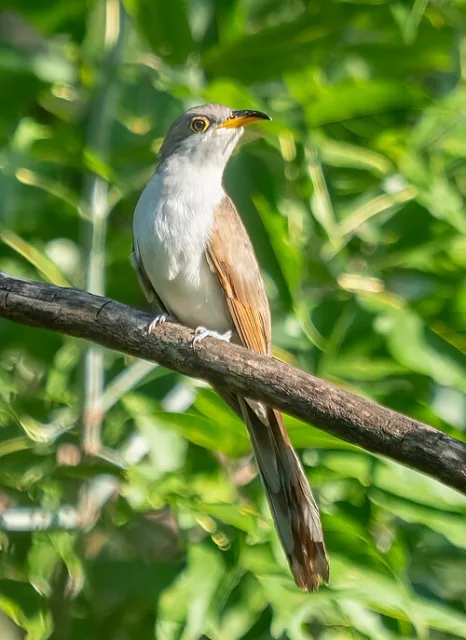
These vagrant sightings are incredibly thrilling because they are statistically unlikely. They represent a unique moment in the bird's life—and yours—a momentary intersection of a navigational error with your precise location. Finding such a bird is a badge of honor, proving that even a small, cultivated backyard can function as a crucial stopover point for a weary traveler.
The Role of Weather
Weather is perhaps the greatest unpredictable catalyst for backyard lifers. Major storm systems can create a phenomenon known as "fallout," forcing large numbers of migrating birds to suddenly land to rest and refuel. A heavy band of rain or an unexpected snowstorm can transform a regular spring morning into an identification frenzy as exhausted warblers, thrushes, and grosbeaks seek immediate shelter in the nearest trees and shrubs.
These are the moments when birds that typically fly high over your yard—perhaps a rarely seen species of rail or a species of shorebird driven inland—are forced to touch down. It pays to be vigilant immediately following severe weather. The minute the storm breaks, the feeders and shrubs become emergency rooms for hungry, rain-soaked birds.
Subtle Habitat Magnetism
Even if you live in a dense urban area, your backyard is not a sterile environment. It is a carefully managed micro-habitat that, even unintentionally, can be a magnet for passing birds. A strategically placed water source, a patch of native berries, or a dense stand of evergreens can provide essential resources that are scarce in the surrounding concrete landscape.
A backyard lifer might simply be a bird whose range is expanding, or a common bird from a neighboring habitat that has finally decided your patch of green is safe enough for a visit. Perhaps you planted a native oak tree years ago, and today it’s finally mature enough to host the kind of insects that attract an uncommon woodpecker or titmouse. The lifer here is the reward for patience and responsible gardening.
The Intimacy of the Backyard Sighting
Beyond the scientific thrill, the backyard lifer holds a unique emotional value that a distant sighting often lacks.
Ease of Study: When a rare bird visits your yard, you have the unparalleled luxury of time and comfort. You can observe the bird for hours, confirming subtle field marks, noting its feeding behavior, and listening to its vocalizations without the pressure of a crowded viewing spot or the fading light of a remote park. This level of intimacy transforms the sighting from a fleeting tick on a checklist into a genuine learning experience.
The Shared Moment: Backyard birding is often a solitary, meditative activity. But the backyard lifer is a joyous communal event. It’s the excitement of the frantic call or text to a fellow birder down the street, the rush to set up a camera, or the shared moment of disbelief with a non-birding family member. This is birding at its most relaxed and accessible.
A Lesson in Humility: The backyard lifer reminds us that we don’t control nature. We can plan trips and hire guides, but some of the greatest rewards in birding arrive unbidden, proving that the most important resource isn't a plane ticket—it's local awareness and simple patience.
So, before booking that next flight to a far-off destination, take a moment to look at what you’ve built right outside your door. Clean the feeders, fill the birdbath, and listen closely to the rustling of the leaves. Your next favorite bird, your next cherished lifer, might be quietly perched right there, waiting for you to notice.
