
The awful decline of North American bird populations—nearly three billion birds lost since 1970—serves as a stark reminder of the environmental pressures facing our feathered friends. While the challenges are immense, the solutions are increasingly found not just in vast national refuges, but in the collective action of individuals and communities across the United States.
A new era of bird conservation is emerging, one that focuses on building essential habitats from the ground up, linking science with daily life, and empowering every citizen to become a critical partner. Programs like the Habitat Patch Program, alongside major initiatives in citizen science and policy advocacy, are proving that the most powerful tools for reversing these trends are often right outside our windows.
The Power of the Patch: Transforming Yards into Habitats
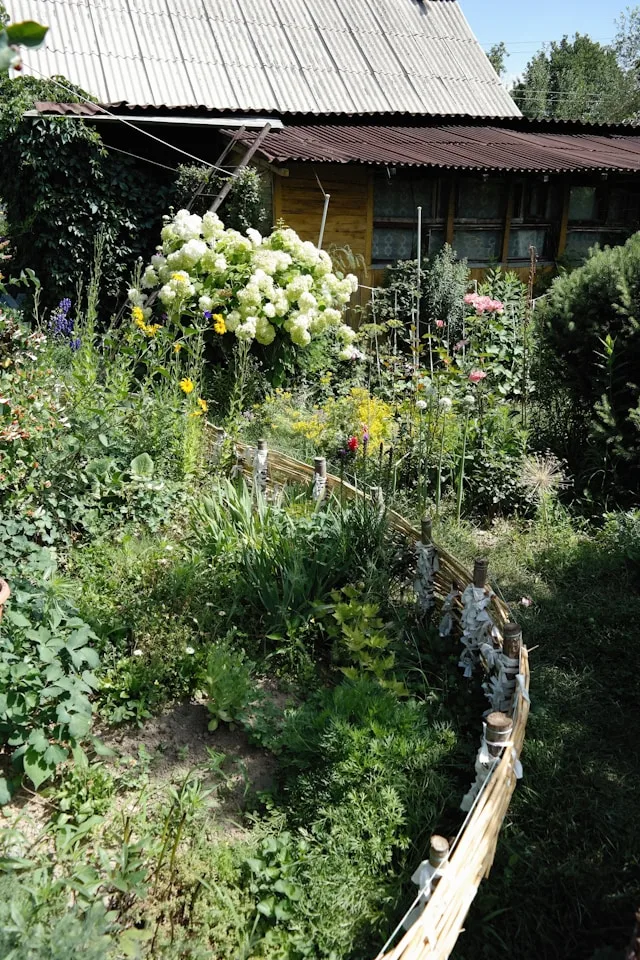
For most migratory and resident birds, the landscape outside of protected areas—the suburban yards, city parks, and corporate campuses—is less a safe haven and more a patchwork of ecological hazards. This fragmented environment lacks the native plants that provide the specific insects, berries, and nesting materials essential for survival.
This is where local-level initiatives, often spearheaded by chapters of organizations like the Audubon Society, make a profound difference. The Habitat Patch Program, for instance (such as the one offered by the Golden Eagle Audubon in Southwest Idaho), encourages homeowners, renters, and community groups to transform their outdoor spaces into certified, bird-friendly micro-habitats.
The core philosophy of the Habitat Patch Program is built on simple, yet powerful, ecological principles:
Native Plants are the Foundation: Replacing non-native ornamental grass and plants with species indigenous to the local ecosystem is the most critical step. These native plants host the caterpillars and other insects that are vital, high-protein food sources—especially for nesting birds who feed their young almost exclusively on insects. A single clutch of chickadees can require thousands of caterpillars to fledge.
Reducing Toxins: Participants commit to the drastic reduction or elimination of pesticides and herbicides. Since birds often eat the insects and seeds that have been contaminated, reducing chemical use protects the entire food chain.
Providing Water and Shelter: A reliable, clean water source (like a birdbath) and strategic placement of cover (shrubs, brush piles, or dense native plantings) offer essential rest stops and refuge from predators.
Mitigating Hazards: This component often involves simple but crucial steps, such as placing decals or screens on windows to reduce fatal bird collisions, and keeping domestic cats indoors or in safe outdoor enclosures.
The Simple Joy of the Backyard 'Lifer': Why Your Next Favorite Bird Might Be Right Outside.
The success of a Habitat Patch program lies in its cumulative effect. As neighboring patches are created, they form a mosaic of urban oases that provide critical resources for birds navigating the built environment. These patches function as habitat corridors, allowing birds to safely move, feed, and breed in areas previously rendered unsuitable by human development. Achieving certification—often Silver, Gold, or Apartment/Patio levels—is not merely symbolic; it signifies a tangible contribution to local biodiversity and migratory success.
From Backyard Birding to Global Data: The Role of Citizen Science
Beyond habitat creation, the conservation movement is heavily reliant on citizen science, transforming casual birdwatchers into frontline ecological data collectors. These programs provide the high-resolution, long-term data necessary for scientists to understand population trends and guide effective conservation policy.

One of the most impactful tools in this movement is eBird, a platform run by the Cornell Lab of Ornithology. By simply recording bird sightings with location and effort data, millions of birders contribute to a massive, global database. This data helps identify crucial stopover points, track the spread of avian diseases, and map the effects of climate change on migration timing and species ranges. The sheer scale of eBird’s data provides a level of detail that professional scientists alone could never achieve.
Other key citizen science initiatives include:
The Christmas Bird Count (CBC): Organized by the National Audubon Society, the CBC is the longest-running citizen science project in the world. Volunteers conduct annual, structured bird counts in designated 15-mile circles across the Western Hemisphere, providing a vital snapshot of mid-winter bird populations.
Project FeederWatch: Also run by the Cornell Lab, this winter survey asks participants to watch and record birds visiting their feeders, offering insight into bird health, local abundance, and movements.
By participating, citizens directly contribute to the scientific foundation for major conservation frameworks, including the North American Bird Conservation Initiative (NABCI) and the Migratory Bird Joint Ventures. These partnerships between federal agencies, state organizations, and non-profits use the data to prioritize conservation funding and on-the-ground action.
How to Get Involved: Your Path to Action
The good news is that getting involved in U.S. bird conservation doesn't require a science degree or a large property; it simply requires intentional action.
1. Start in Your Own Space (The Habitat Patch)
Audit Your Yard: Take stock of your current landscaping. Are your plants native or ornamental? Do you use pesticides?
Plant Local: Research your local Audubon or Native Plant Society chapter to find recommended native plants for your region. Focus on Keystone Species—the native plants that support the highest number of insect species.
Get Certified: Look for a local Habitat Patch Program or a similar certification from the National Wildlife Federation's Certified Wildlife Habitat program. This provides structure, advice, and a community of like-minded conservationists.
Build a Water Feature: A simple dish of clean water or a small pond can be a lifesaver for birds, especially during dry periods.
Feathers of Fortune: The Fascinating World of Birds with Plumes
2. Become a Citizen Scientist
Download the App: Install the eBird app and learn how to submit your bird checklists. Every observation, even of common species, is valuable data.
Join a Count: Look up local chapters of the National Audubon Society and sign up for the annual Christmas Bird Count or spring migration counts in your area.
Monitor Your Feeders: Participate in Project FeederWatch from November to April to contribute valuable data on wintering bird populations.
3. Support Major Conservation Organizations
Donate and Join: Organizations like the National Audubon Society, American Bird Conservancy (ABC), and Ducks Unlimited are major forces in habitat protection and policy advocacy. Membership often provides educational resources and a direct line to conservation news.
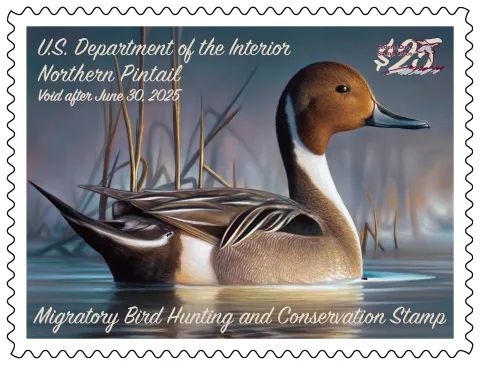
Buy a Duck Stamp: The Federal Migratory Bird Hunting and Conservation Stamp (commonly known as the Duck Stamp) is one of the most successful conservation funding mechanisms in U.S. history. Over 98% of the purchase price goes directly to acquiring and protecting wetland habitat for the National Wildlife Refuge System. Anyone can and should buy one.

Advocate Locally and Nationally: Support legislation that protects migratory birds and funds conservation efforts, such as the Migratory Bird Treaty Act and the Neotropical Migratory Bird Conservation Act.
The fate of North America's bird populations rests on a continental scale effort, and that effort begins at the individual level. By turning a manicured lawn into a vibrant Habitat Patch, and by logging daily sightings as a citizen scientist, you become an indispensable part of the solution. This collective action ensures that the skies of the United States remain filled with the extraordinary diversity of life that defines its wild places.
