
The allure of bird watching, for many, begins as a simple pastime—a quiet moment in the backyard watching a sparrow or a flicker. But for the avid birder, it evolves into something far more profound, a pursuit driven by a complex tapestry of psychological motivations.
This isn't just a hobby; it’s a deep, often obsessive, engagement with the natural world, fueled by a unique blend of curiosity, competition, and a primal connection to nature. Understanding the psychology behind this passion reveals why some people dedicate countless hours, resources, and even their sanity to the pursuit of feathered creatures.
The Psychology
Hunter Gatherers
One of the most fundamental drivers is the hunter-gatherer instinct. While we've long since moved past hunting for survival, the thrill of the chase remains embedded in our psyche. Bird watching taps directly into this primal urge. The "hunt" is for a rare sighting, an elusive species, or a "lifer"—a bird seen for the very first time.
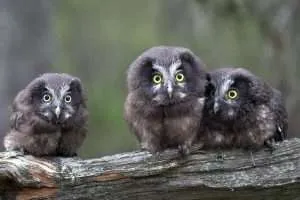
The “gather” is the collection of these sightings, meticulously documented in life lists, eBird checklists, and personal journals. This psychological loop of search and discovery provides a steady stream of dopamine, rewarding the birder for their persistence and skill. The feeling of finally spotting a Boreal Owl (Aegolius funereus) after hours of searching in a cold, dark forest is a powerful, almost euphoric, experience that reinforces the behavior and fuels the desire for the next great find.
Collectors
Another key psychological element is the sense of mastery and expertise. In a world that often feels chaotic and uncontrollable, bird watching offers a domain where skill, knowledge, and experience directly translate to success. Learning to identify birds by sight and sound, mastering the use of optics and field guides, and understanding avian behavior all contribute to a feeling of competence.
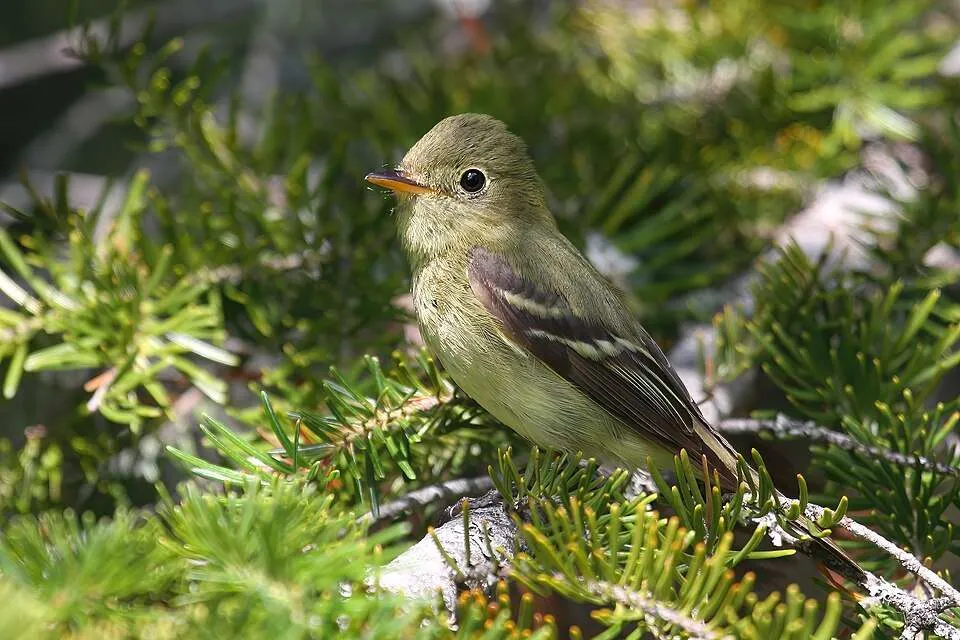
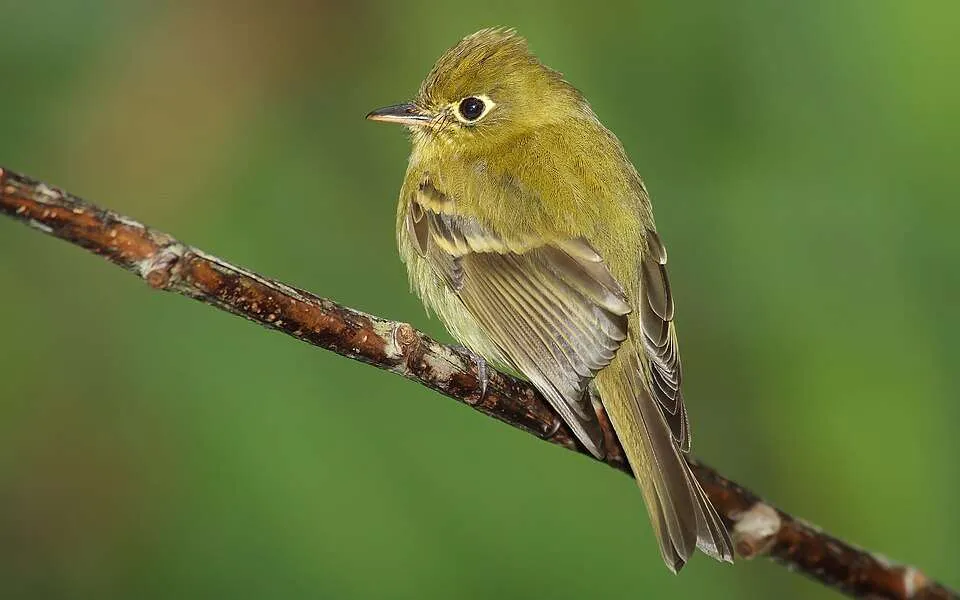
This is a journey of continuous learning. A birder might start by distinguishing a Robin from a Cardinal, but they'll soon move on to differentiating subtle subspecies, identifying birds by their faintest calls, or predicting migration patterns. The sense of achievement in correctly identifying a tricky Empidonax Flycatcher or a distant shorebird is a powerful ego boost, validating the years of accumulated knowledge.
The collection impulse is also a significant psychological force. Humans are natural collectors, whether it's stamps, coins, or baseball cards. For the birder, the currency of the collection is the "life list"—a comprehensive record of every bird species they have ever seen. This list becomes a personal scorecard, a tangible representation of their dedication and a source of pride. The chase for a new species, especially a rare one, is often referred to as "listing." This can become a competitive pursuit, with birders vying to have the longest list for a specific state, county, or even the entire world. The competitive drive, whether with others or simply with oneself, adds a layer of motivation and excitement, turning a peaceful hobby into a thrilling sport.
Read here about how technology can help modern birders.
A Sense of Community
Beyond the individual motivations, bird watching provides a deep sense of community and social connection. Birders often form tight-knit groups, sharing sightings, organizing trips, and participating in events like the Christmas Bird Count or the Great Backyard Bird Count. This shared passion creates a bond that transcends age, background, and social status. The camaraderie built on a shared experience—like the collective gasp when a rare bird is spotted or the mutual commiseration after a missed sighting—is a powerful psychological reward.
Social media and online platforms have amplified this, with communities dedicated to sharing photos, asking for identification help, and celebrating each other's finds. The feeling of being part of a larger tribe, united by a love for birds, is a strong motivator.
Furthermore, bird watching provides a critical escape from the stress of modern life. It forces individuals to slow down, observe their surroundings, and be present in the moment. The act of waiting patiently for a bird to appear, listening intently to its song, or simply watching its behavior is a form of active mindfulness. It pulls people away from the constant barrage of screens and obligations, offering a peaceful sanctuary in nature. The repetitive, focused task of scanning a field or a forest for movement is deeply calming and provides a mental reset. This therapeutic aspect is often an unconscious benefit, but it's a key reason many people find themselves returning to the hobby again and again.

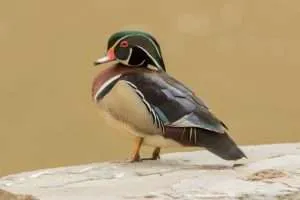
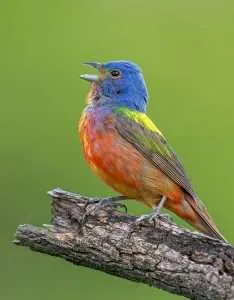
The aesthetics and beauty of birds themselves also play a profound role. The vibrant plumage of a Painted Bunting (Passorina ciris), the elegant flight of an Osprey (Pandion haliaetus), or the intricate patterns on a Wood Duck (Aix sponsa) are inherently captivating. Birders are often drawn to the artistry of nature, finding joy in the colors, shapes, and movements of their subjects. This appreciation for natural beauty is a powerful motivator, turning each sighting into a work of art. The pursuit of the perfect photograph or the best view of a particular bird is driven by this aesthetic appreciation.
A Sense of Purpose
Finally, bird watching can serve as a conduit for a deeper connection to the natural world and conservation. As birders learn more about birds, they inevitably learn about their habitats, their migration patterns, and the threats they face. This knowledge often leads to a sense of stewardship. Birders are often at the forefront of conservation efforts, advocating for habitat protection, participating in citizen science projects, and raising awareness about environmental issues. The psychological reward here is a sense of purpose—the feeling that their passion is contributing to something larger than themselves.
Wrapping Up
In conclusion, the psychology of avid bird watching is a multifaceted blend of ancient instincts, personal fulfillment, and social connection. It's a journey fueled by the primal thrill of the hunt, the intellectual satisfaction of mastery, the joy of collecting, the peace of mindfulness, and the beauty of the natural world. For the dedicated birder, each sighting is more than just a checkmark on a list; it's a profound experience that satisfies a deep and complex set of psychological needs, making the pursuit of birds a lifelong and deeply rewarding passion.
