
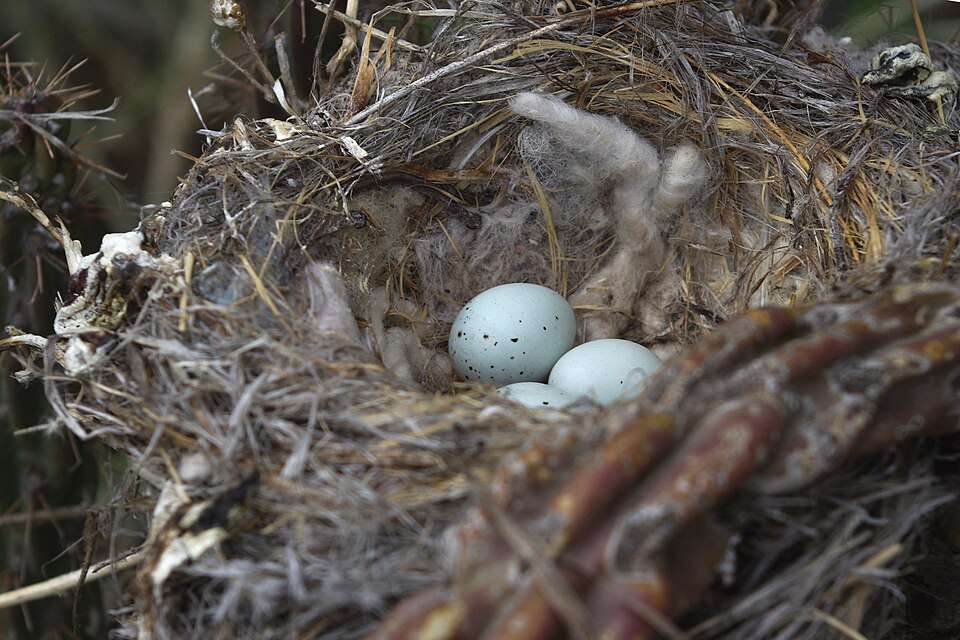
The egg, a triumph of biological engineering, functions as a perfectly self-contained life support system. Within its porous, calcium-rich shell, a single fertilized cell multiplies, differentiates, and develops, transforming into a complex, fully formed bird ready for independent (or semi-independent) life. The final act of this embryonic drama—the process of hatching—is a meticulously coordinated sequence of physiological and physical feats, representing one of the most intense and exhausting struggles a bird will ever face. This 1000-plus word analysis delves into the stages of emergence, from preparatory internal pipping to the final escape, utilizing common U.S. avian species to illustrate the diversity of the process.
Phase I: Incubation, Development, and the Crucial Shift
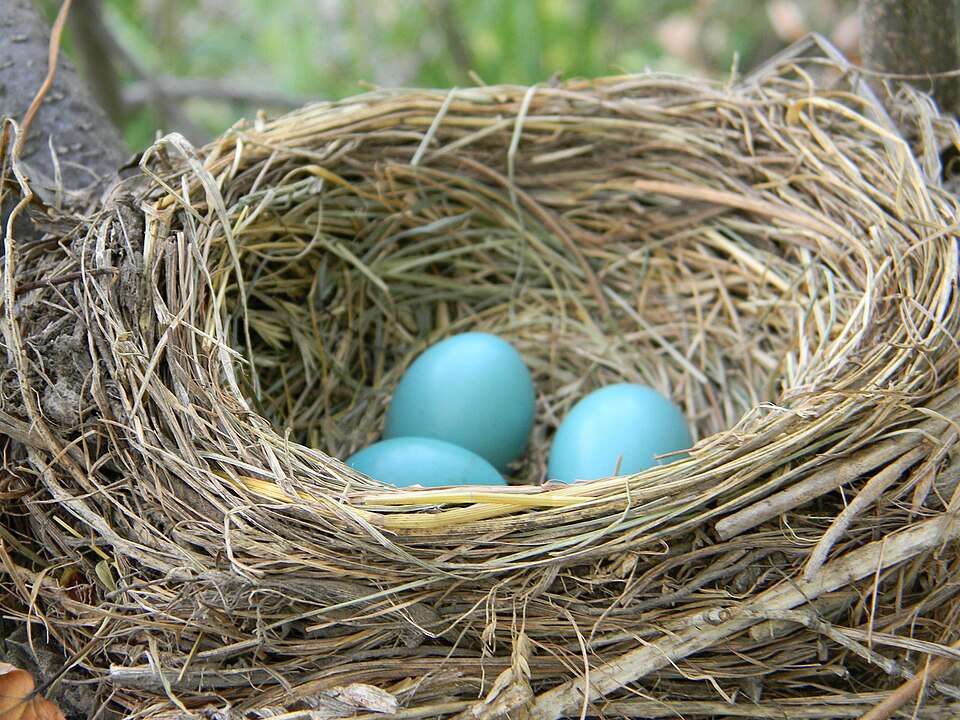
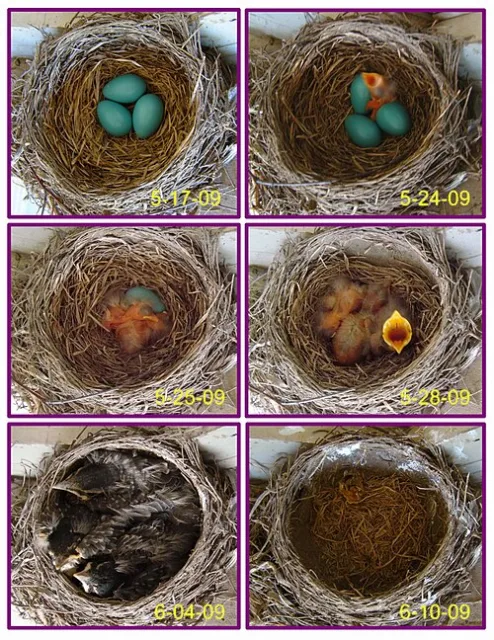
Before the physical struggle of hatching begins, the embryo must complete its entire developmental trajectory, a period known as incubation. The duration varies wildly depending on species—ranging from a brief 11-14 days for small passerines like the American Robin (Turdus migratorius) to nearly 40 days for large waterfowl like the Canada Goose (Branta canadensis).
Throughout this period, the parent bird maintains optimal temperature and humidity, frequently turning the egg (a process called "primping") to ensure uniform heat distribution and prevent the embryo from sticking to the shell membranes.
The Physiological Preparation
The final days of incubation are marked by critical physiological shifts that ready the chick for terrestrial life:
- Nutrient Absorption and Yolk Retraction: The yolk sac, which has provided all the necessary lipids and proteins, begins to retract into the abdominal cavity. This internalized yolk sac provides a crucial energy reserve for the first few days post-hatch, especially vital for altricial (helpless) chicks like those of the American Robin, which must await parental feeding.
- Allantois Regression: The allantois, a membrane responsible for respiration (gas exchange through the porous shell) and waste disposal, begins to dry up and lose function. This signals the imminent transition from chorioallantoic (egg-based) respiration to pulmonary (lung-based) respiration.
- Hatching Muscle and Egg Tooth Development: The embryo develops specialized tools for breaking out. The egg tooth is a sharp, temporary keratinous cap located on the upper mandible, used to pierce the shell. Beneath the skin of the neck, the pipping muscle develops; this is a powerful, temporary muscle used to drive the egg tooth against the shell. This muscle atrophies shortly after hatching, having served its sole purpose.
Phase II: Internal Pipping—The First Breath
Internal pipping marks the true start of the hatching process and is arguably the most dangerous stage, as it involves an irreversible commitment to independent breathing. This stage typically occurs 24 to 72 hours before the chick fully emerges.
The egg contains a large, blunt end where a natural air sac forms due to water loss through the shell’s pores. Using its pipping muscle to flex its neck and the sharp egg tooth as a chisel, the chick breaks through the inner shell membrane, entering this air cell.
Pulmonary Respiration Commences
This action is transformational: the chick takes its first full breath of air into its lungs. This switch to pulmonary respiration is a massive physiological change, triggering the final development and activation of the circulatory system necessary for life outside the shell. The immediate increase in blood oxygenation provides the massive burst of energy required for the physical labor that is about to follow. Simultaneously, the change in blood chemistry (specifically, the buildup of carbon dioxide, which cannot be as efficiently expelled through the shrunken allantois) increases muscular contraction intensity, helping to drive the powerful, rhythmic movements required to break the shell.
For the Northern Bobwhite Quail (Colinus virginianus), a highly precocial bird common across the Eastern U.S., internal pipping must lead immediately to external pipping because these chicks are large and require rapid movement and communication with their siblings and mother to synchronize the hatch.
Phase III: External Pipping—The Breach
External pipping is the point of no return: the chick breaks the outer, calcified shell. This is a violent, exhausting process that requires immense strength and coordination.
- The Initial Pip: The chick, positioned with its head tucked under its right wing—the most effective anatomical position for leverage—repeatedly rams the egg tooth against the shell. For a small bird like a Carolina Chickadee (Poecide carolinensis), this first break, or ‘pip,’ might be barely visible, a tiny star-shaped crack. For a larger species, it might be a distinct hole.
- Rest and Recovery: The process of hatching is not a continuous struggle; it is a series of intense efforts interspersed with vital rest periods. These breaks—which can last for hours—are critical for the chick to recover from muscular fatigue and to continue regulating its new circulatory and respiratory system. The presence of the parent is crucial here, as they must maintain high temperature and humidity to prevent the exposed membranes from drying out and trapping the chick.
- The Role of Humidity: If the environment is too dry (a common problem in artificial incubation), the delicate chorioallantoic membrane (the sticky membrane lining the shell) will dry out and shrink-wrap the chick, making the “zipping” process impossible—a condition known as “shrink-wrap death.”
Phase IV: Zipping and Emergence
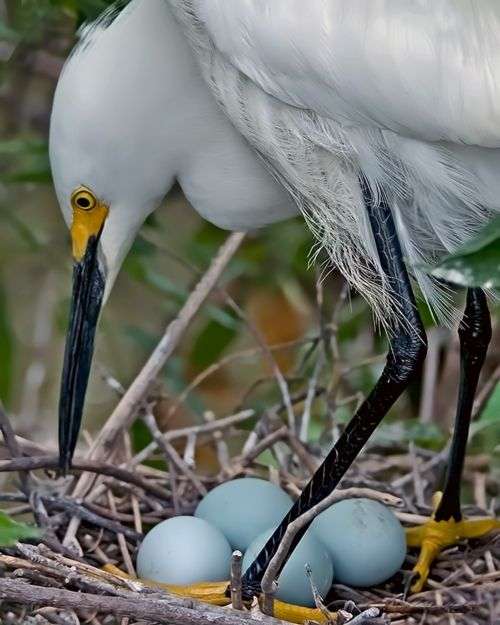
The zipping stage is the final, defining sequence of hatching, wherein the initial pip hole is extended into a circular cut, allowing the cap of the egg to be pushed off.
- The Zip: Using the initial pip as a starting point, the chick begins to turn slowly within the shell, perhaps only a quarter turn every hour. With each turn, the pipping muscle fires, driving the egg tooth against the shell just adjacent to the previous break. This creates a line of fracture—the “zip”—that moves circumferentially around the egg. For larger eggs, like that of a Bald Eagle (Haliaeetus leucocephalus) (incubation around 35 days), this zipping process can take more than 12 hours.
- The Cap: Once the zip is 75% to 90% complete, the large end of the shell forms a distinct, hinged ‘cap’ or lid. The chick executes the final, strongest physical action: a powerful, full-body extension and kick against the remaining membrane and shell. This effort shears the cap off, allowing the chick to push the two halves of the shell apart and emerge.
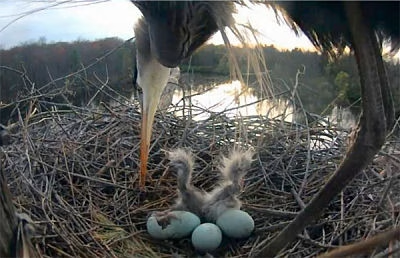
- Asynchronous Hatching: In many U.S. raptors, like the Bald Eagle, hatching is asynchronous. The eggs are laid and incubation begins several days apart. As a result, the chicks hatch days apart, leading to a significant size difference between the oldest and youngest nestlings. This is an adaptation known as ‘brood reduction,’ ensuring that in times of scarcity, the largest (oldest) chick survives, even if the youngest does not.
Post-Hatch Differences: Altricial vs. Precocial Chicks
The condition of the newly hatched chick depends entirely on the species’ developmental strategy:
Altricial (Helpless) Chicks

Most U.S. songbirds—including American Robins, House Finches (Haemorhous mexicanus), and various warblers—produce altricial chicks.
- Appearance: They are naked (or nearly so), blind, and completely helpless.
- Energy Use: The chick uses most of its energy for breaking out. Post-hatch, its priority is rapid growth. The internalized yolk sac and constant parental feeding support immediate, exponential weight gain.
- Incubation Time: Short (e.g., Robin: 13-14 days). The trade-off is rapid development in the safer environment of the nest, maximizing parental effort.
Precocial (Independent) Chicks

Waterfowl, gamebirds, and shorebirds—including the Canada Goose, Wild Turkey (Meleagris gallopavo), and Killdeer (Charadrius vociferus)—produce precocial chicks.
- Appearance: They are covered in downy feathers, have open eyes, and possess well-developed motor skills.
- Energy Use: Because they need to be mobile almost immediately after drying, the hatching effort is far more protracted and energy-intensive. They carry a large yolk reserve, providing fuel for walking, foraging, and temperature regulation during their first week.
- Incubation Time: Long (e.g., Canada Goose: 28-30 days). The trade-off is a longer, high-risk incubation period in exchange for a low-risk, immediately mobile chick. The Killdeer chick, for instance, must be capable of running and hiding from predators within hours of drying off.
In summary, the hatching of a bird chick is not a sudden event, but a complex, multi-day process involving a shift from aquatic to pulmonary respiration, the development and use of specialized tools (the egg tooth and pipping muscle), and immense physical exertion. Whether a tiny, naked Robin chick or a sturdy, down-covered Quail, the moment of emergence represents the successful culmination of millions of years of evolutionary refinement.
