
For a U.S. birder, a trip to the United Kingdom can be a surprising experience. Stepping into a quiet British woodland, one might be greeted by the melodious song of a Blackbird or the cheerful chatter of a Chaffinch. While these birds are charming in their own right, a keen eye will notice a striking difference: the overall palette is far more subdued.
Compared to the kaleidoscopic riot of colors in a South American rainforest, or even the vibrant hues of some of our own North American species, UK birds seem, for lack of a better word, dull.
This difference is not a coincidence or a matter of chance. It is a powerful and elegant illustration of the forces of evolution at work, a perfect example of how climate, diet, and a fierce competition for mates have shaped the avian world. The answer to why so many UK birds are brown and grey while their tropical counterparts are ablaze with color lies in the fundamental trade-offs between survival and showing off.
The Temperate Camouflage Imperative
In the United Kingdom, as in much of the temperate United States, the climate is defined by distinct and dramatic seasonal changes. A lush green summer gives way to an autumn of rust-colored leaves, followed by a long, often grey, winter. For a bird that lives year-round in this environment, survival depends on an ability to blend in.
Predation
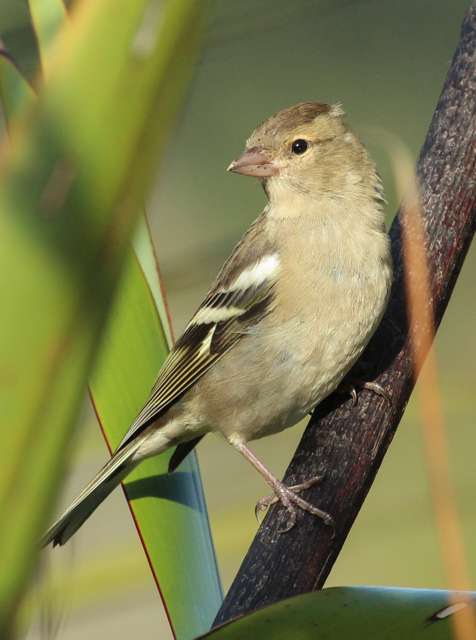
The primary reason for muted coloration is camouflage. A brightly colored bird is a dinner bell for a predator. Birds of prey, like the European Sparrowhawk, are constantly on the hunt. For a small bird like a Dunnock or a female House Sparrow, a non-descript brown or grey plumage is a lifeline. It allows them to blend into the drab winter landscape, hide in the undergrowth, and avoid detection. This evolutionary pressure for camouflage is a powerful driver of plumage, especially for females who are responsible for nesting and raising young.
Energy and Climate
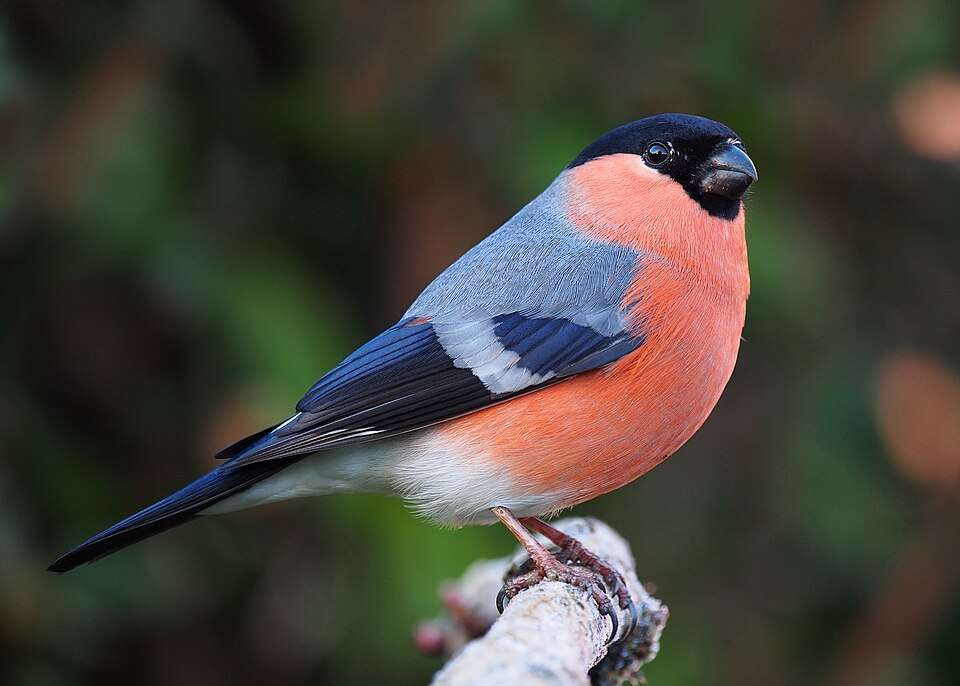
In temperate zones, a bird’s energy budget is tight. The short days and cold temperatures of winter mean that every calorie counts. Producing the brilliant, carotenoid-based colors found in many tropical birds is an energetically expensive process. A Northern Cardinal in the U.S. or a Bullfinch in the UK, while colorful, must work hard to find the seeds and berries with the pigments necessary to maintain their plumage. The year-round abundance of food in a rainforest, on the other hand, means that a bird's energy budget is far more relaxed, allowing it to "afford" the production of elaborate, colorful feathers.
The Tropical Showcase: A Different Game of Survival
Contrast this with the environment of a South American rainforest. The climate is stable, with consistent warmth and a year-round abundance of food. The sheer density and variety of plant and insect life mean that food is rarely a limiting factor. This relaxed energy budget frees up birds to invest heavily in visual signals for a different kind of competition: mating.
Sexual Selection
In the tropics, the primary evolutionary pressure is not escaping a predator but finding a mate in a hyper-competitive, species-rich environment. This leads to a phenomenon called sexual selection, where one sex (almost always the male) evolves increasingly elaborate and exaggerated traits to attract a mate.
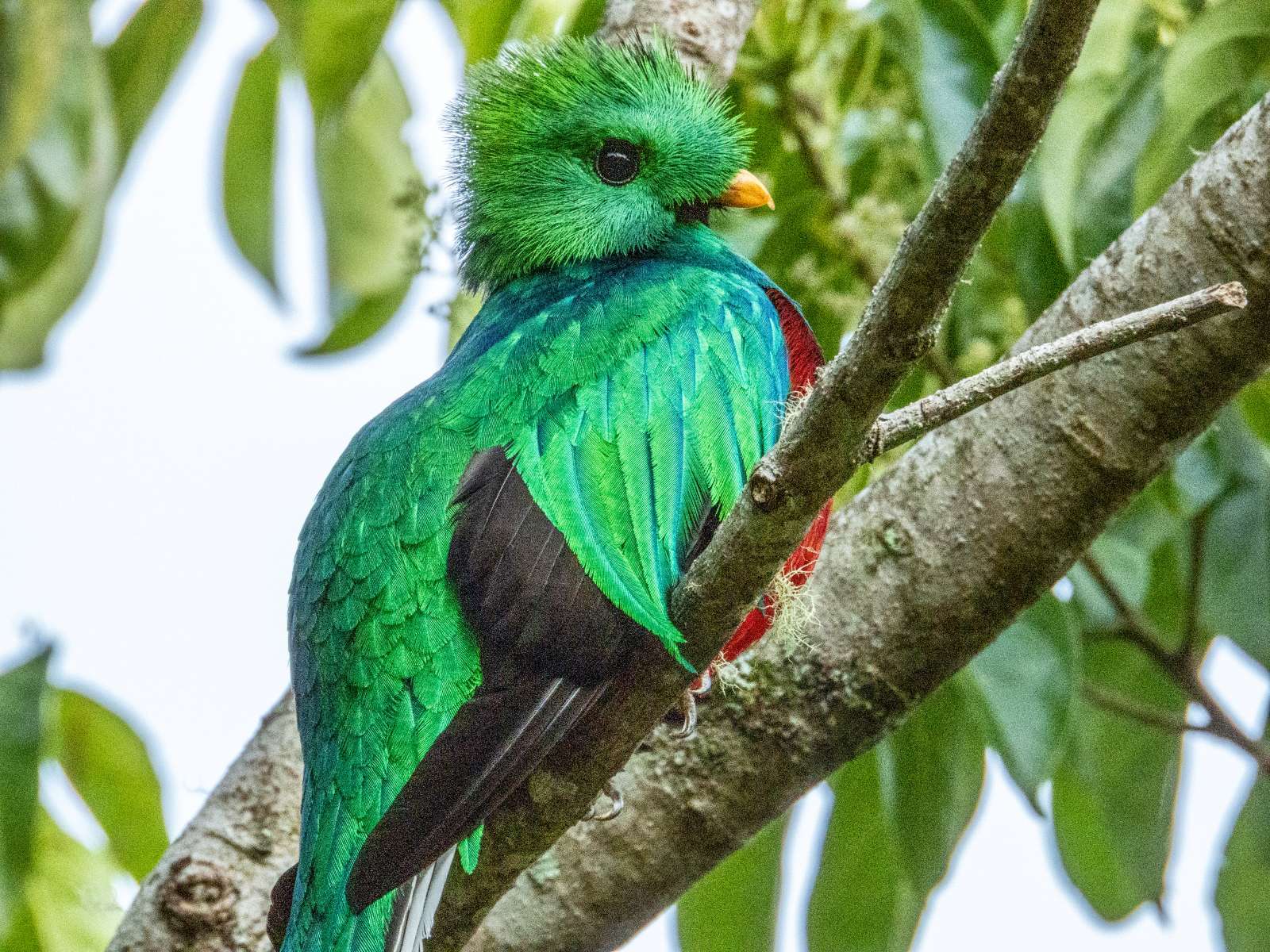
Think of the Resplendent Quetzal of Central and South America, with its stunning iridescent green plumage and impossibly long tail feathers. This bird's colors are not about camouflage; they are about catching the eye of a potential mate and signaling health and genetic fitness. The male who can produce the most brilliant feathers and the most elaborate display is often the one who gets to reproduce.
Many tropical birds, such as the King Vulture or various tanagers, get their stunning colors from carotenoids. The rich variety of fruits and flowers in the rainforest provides a constant source of these pigments, allowing birds to maintain their vibrant hues year-round.
Structural Color
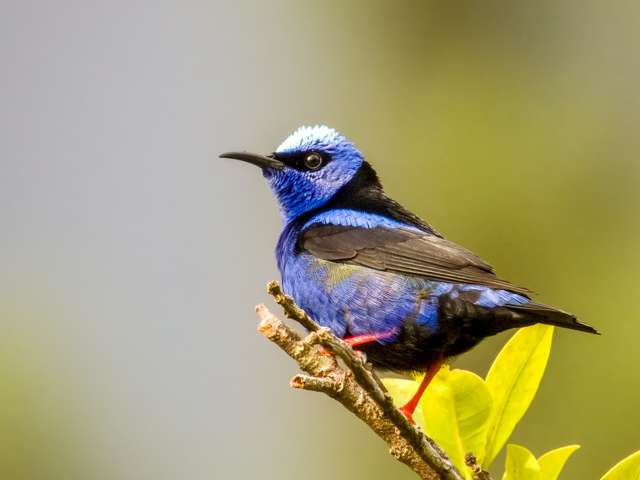
The high humidity and consistent lighting of the rainforest are ideal for the development of structural color, which relies on the way light interacts with the microscopic structure of a feather. This process creates the dazzling, iridescent blues, greens, and purples that change with the angle of light. A Red-legged Honeycreeper in a rainforest canopy is a perfect example. Its color is not a pigment but a physical property of its feathers, and the stable environment allows it to showcase this brilliant optical illusion without concern for seasonal changes.
The U.S. Middle Ground: A Tale of Both Worlds
For a U.S. birder, our native birds offer a fascinating middle ground that helps bridge the understanding between the UK's muted palette and the tropics' vibrant one. We see both extremes and the compromises in between.
Seasonal Dimorphism
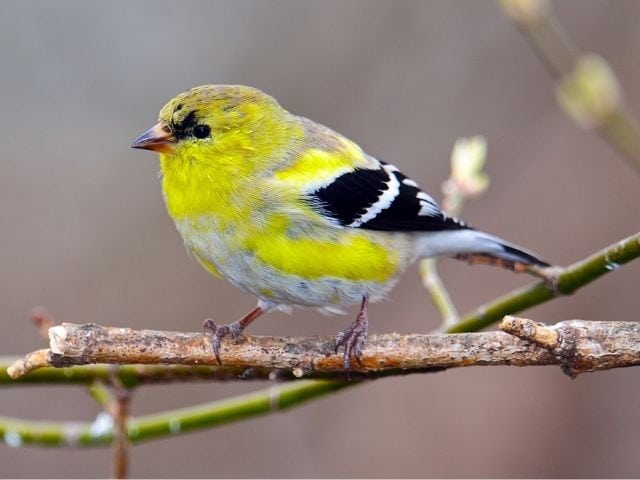
Many U.S. birds, such as the American Goldfinch, are masters of seasonal plumage changes. In the spring, males erupt in a brilliant yellow, advertising their breeding condition. But as the breeding season ends, they molt into a drab olive-green, blending seamlessly into the winter landscape. This is a compromise: they are colorful when they need to be (to attract a mate) and dull when they need to be (to survive the winter).
Sexual Dimorphism and Camouflage
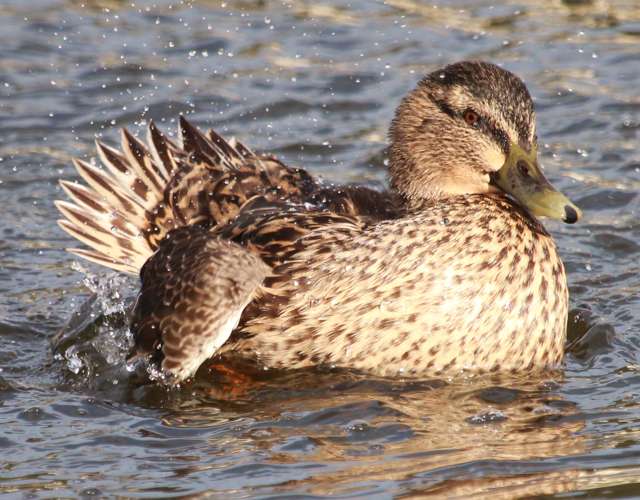
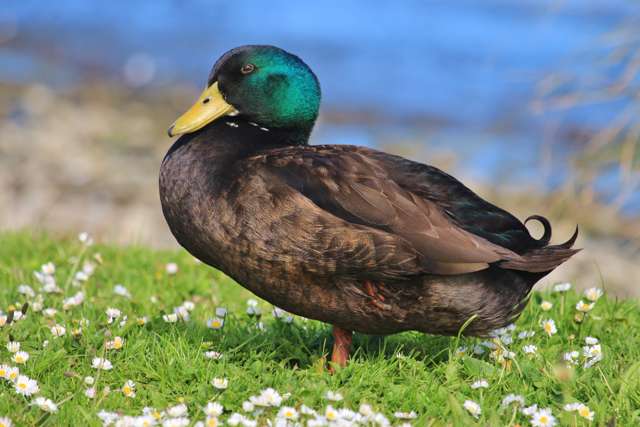
The Northern Cardinal is a classic example of this. The male is a brilliant, unmissable red, but his mate is a muted reddish-brown. The male's color is a product of sexual selection—he needs to be seen. The female, however, needs to be camouflaged on the nest. Her subdued color is a matter of life and death, an adaptation to protect her young from predators. This same pattern is seen in Mallard Ducks, where the male has a dazzling green head and the female is a mottled brown.
Wrapping Up
The stark difference in coloration between birds in the UK and birds in South American rainforests is not a coincidence. It is a powerful lesson in natural selection. In temperate regions, like the UK and much of the U.S., the primary evolutionary pressures are survival through a harsh winter and avoiding predation. This has led to the dominance of melanin-based pigments and the strategic use of camouflage.
In the tropics, with their stable climate and abundant resources, the primary pressure is sexual selection, which has led to a dazzling array of colors from carotenoids and structural light-scattering. The U.S. offers a beautiful microcosm of this global pattern, with our birds showcasing a blend of both survival strategies. For a bird watcher, it is a reminder that every color, every pattern, and every subtle shade is not just beautiful to look at; it is a story of evolution, survival, and the endless dance between a bird and its world.
For another surprising bird read, look at our extreme climates post.
