
The United States landscape transforms dramatically with the arrival of winter. As the deciduous trees shed their leaves and a blanket of snow may cover the ground, a unique opportunity for birdwatching emerges. For the birder, this season offers unparalleled viewing experiences. With less foliage to obstruct your view, locating and observing avian life becomes significantly easier. Furthermore, winter concentrates bird populations, especially around reliable food and water sources, making your backyard a potential hotspot for both common residents and intriguing seasonal visitors.
Attracting Birds: Your Yard as a Winter Oasis
In the cold, birds face a constant battle for survival. Food is scarce, water sources freeze, and shelter from the elements is critical. By transforming your yard into a reliable winter oasis, you not only help these feathered friends but also guarantee yourself front-row seats to their fascinating behaviors.
Feeder Fundamentals: The Menu for Survival
The single most effective way to attract winter birds is by providing high-calorie, nutritious food. The harsh temperatures demand that birds consume far more energy than in summer just to maintain their body heat.
- Black-Oil Sunflower Seeds: Often considered the all-around favorite, these seeds have thin shells, making them easy for smaller birds like Chickadees, Titmice, and Finches to crack. Their high-fat content provides essential energy.
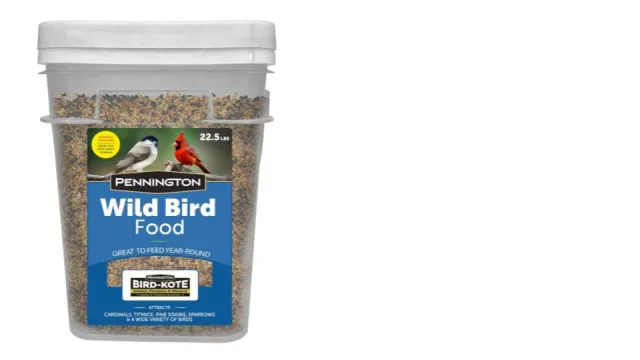
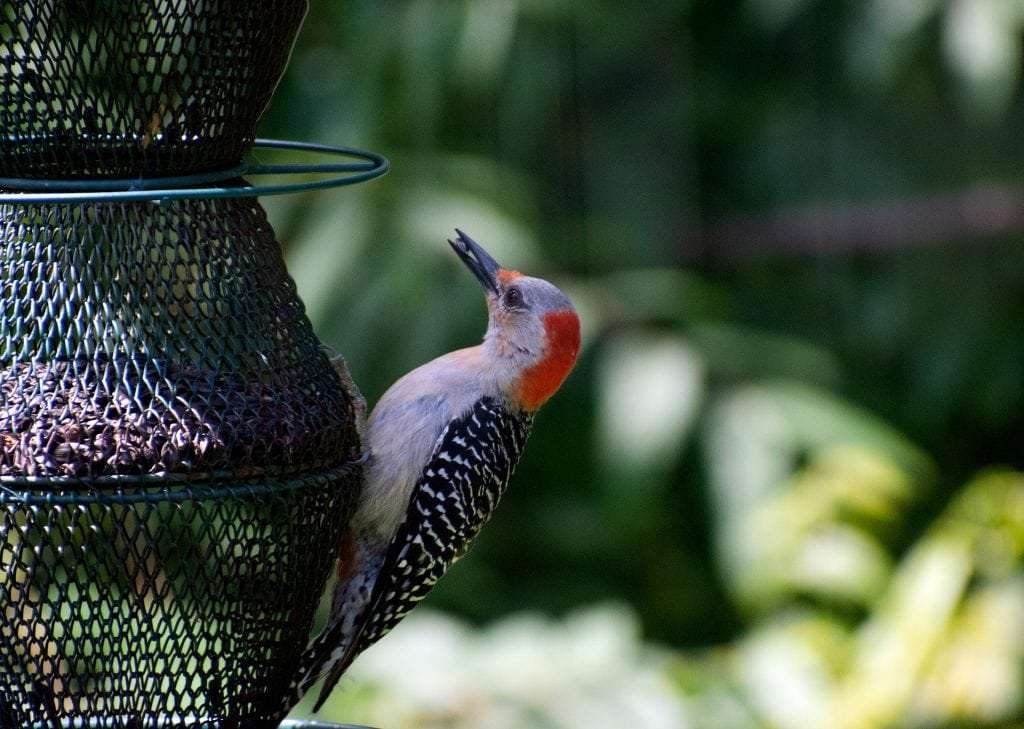
- Suet: This is a powerhouse of fat, typically made from rendered beef fat, and is absolutely indispensable in winter. It's a favorite of Woodpeckers (Downy, Hairy, and Red-bellied), Nuthatches, and Wrens. Offer it in specialized cage feeders.
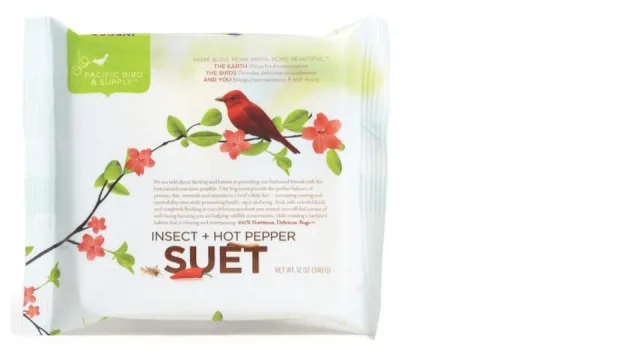
- Nyjer (Thistle) Seed: While expensive, this tiny black seed is the preferred food for various Finches, notably the beautiful American Goldfinch (in its drabber winter plumage) and Pine Siskins. It requires a special, fine-mesh thistle feeder.
- Peanuts and Peanut Butter: High in fat and protein, these attract a wide variety of birds, including Jays, Woodpeckers, and Nuthatches. Offer shelled peanuts in a wire mesh feeder.
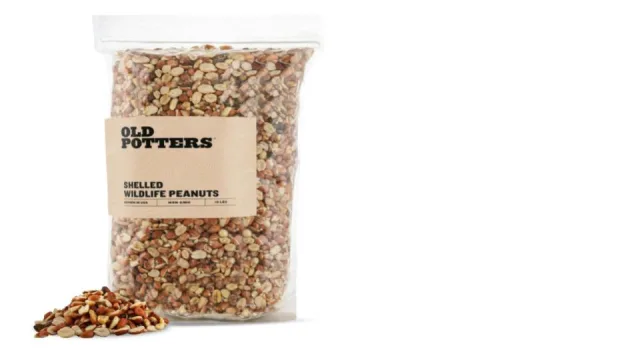
Pro-Tip on Placement: Place feeders at varying heights—one on a post, another hanging from a tree, and a tray feeder on the ground. Also, ensure they are within a few feet of natural shelter (bushes or evergreen trees) to give birds a quick escape route from predators like hawks.
The Crucial Element: Fresh Water
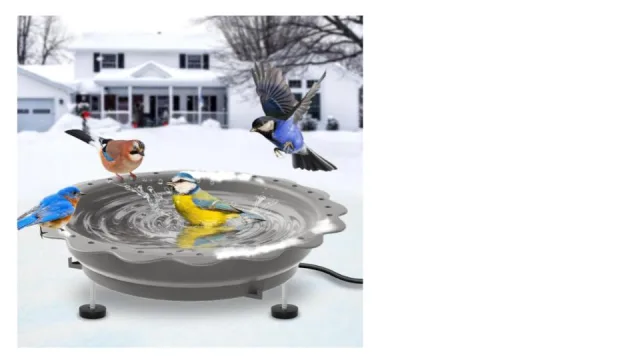
While food is important, a reliable source of unfrozen water can be an even stronger magnet. Birds need water for drinking and for keeping their feathers in good insulating condition, which requires bathing even in the coldest weather.
- Heated Bird Baths: An inexpensive electric heating element or a bird bath with a built-in heater is a game-changer. Keeping a small patch of water open will attract birds from a wide area, especially when natural sources like ponds and streams are completely iced over.
- Maintenance: Clean your bird bath regularly to prevent the spread of disease, and refresh the water daily.
Essential Shelter and Roosting Sites
Birds don't just need food and water; they need refuge from the cold wind and predators.
- Keep it Messy: Resist the urge to aggressively clean up your yard. Leaving a few piles of leaf litter, standing seed-heads from perennials, and brush piles provides crucial natural foraging spots and shelter.
- Natural Shelters: Dense evergreen trees and shrubs (like cedars, pines, or junipers) offer excellent protection from wind and snow.
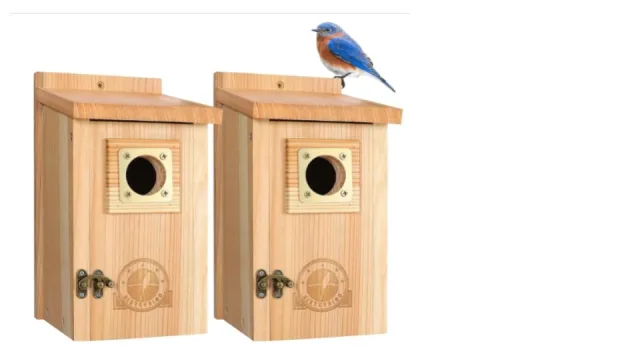
- Roosting Boxes: While birdhouses are generally for nesting, special roosting boxes with a wider internal space and a lower entry hole can provide communal overnight shelter for small species like Chickadees and Nuthatches, helping them conserve body heat.
Identifying Your Guests: Who’s Hiding in the Branches?
Winter birding is less about quantity and more about quality, as the species you do see are often more conspicuous and easier to study. Knowing your local residents and potential winter migrants is key to successful identification.
Common Backyard Residents
These birds are often seen year-round but stand out brilliantly against a snowy backdrop:
- Northern Cardinal: The male’s brilliant red plumage is instantly recognizable. Listen for their sharp, characteristic chip calls. They are ground foragers but will readily visit platform feeders.
- Blue Jay: A large, striking blue, black, and white bird known for its loud, raucous calls. They are partial to peanuts and often "cache" (store) food for later.
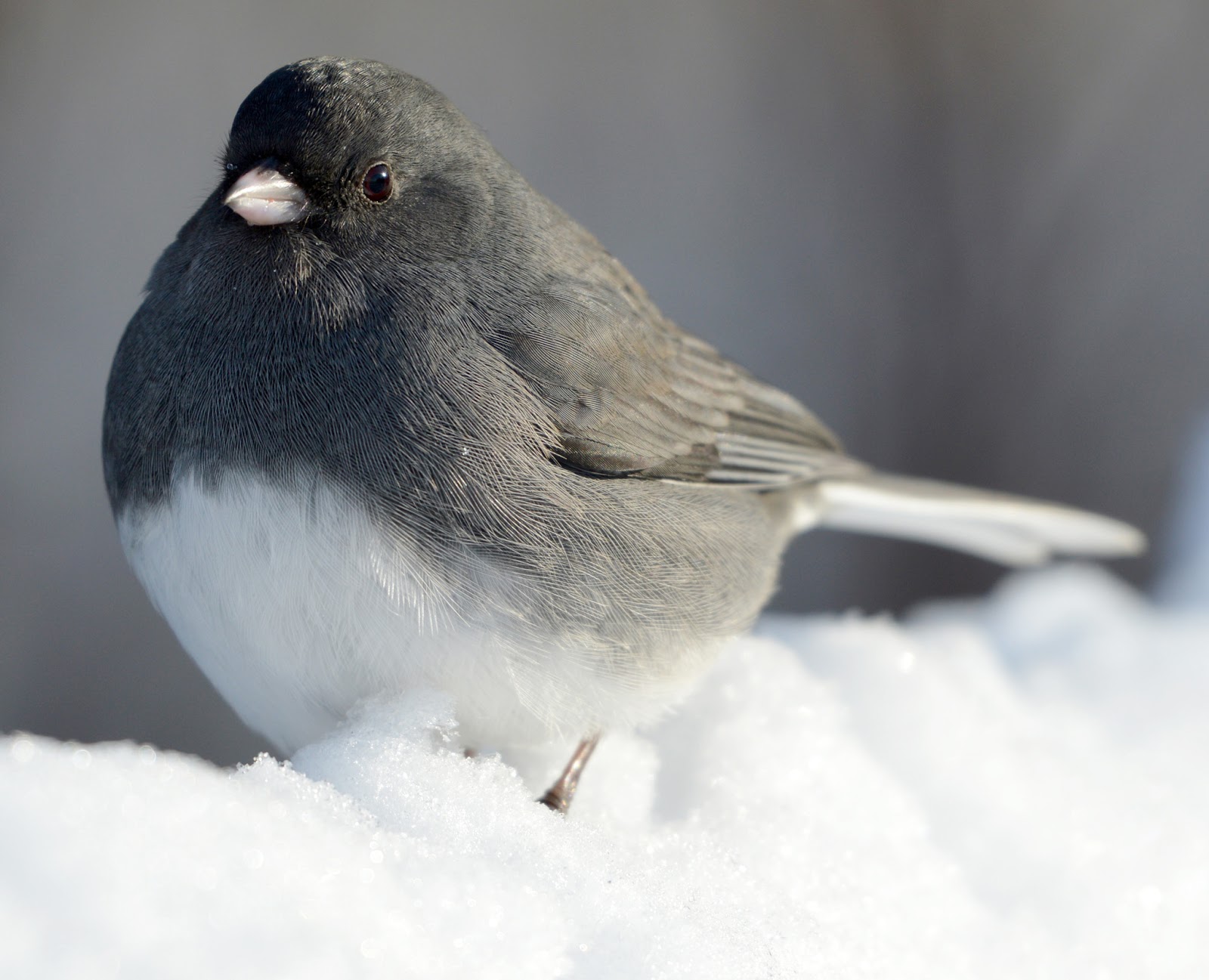
- Dark-eyed Junco: Affectionately nicknamed "snowbirds," these small sparrows typically show up in large numbers when the weather turns cold. Their coloration varies by region (Slate-colored Juncos in the East are gray with a white belly; Oregon Juncos in the West have a dark hood), but their white outer tail feathers, which flash as they fly, are a key ID mark. They primarily feed on the ground beneath feeders.
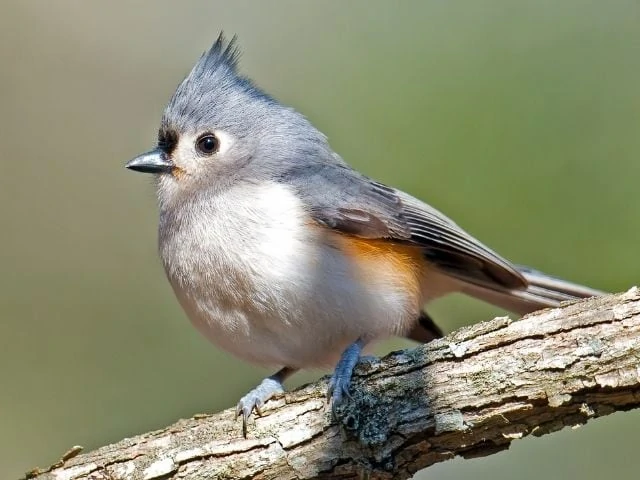
- Tufted Titmouse & Black-capped Chickadee: These small, acrobatic birds are often seen together in mixed-species foraging flocks. The Titmouse is gray with a prominent gray crest and a rusty flank wash, while the Chickadee is recognized by its black cap and bib. Both are bold and will quickly grab a sunflower seed to eat at a nearby perch.
Woodpecker Wonders
Winter is prime time to observe woodpeckers, as they rely heavily on trees and suet feeders.
- Downy Woodpecker: The smallest and most common woodpecker in the U.S., it has a black-and-white patterned back and a tiny bill. The male has a small red patch on the back of its head.
- Red-bellied Woodpecker: Larger than the Downy, this bird has a zebra-striped back and a pale red wash on its belly (often hard to see) and a distinct red cap that extends down the neck on the male.
The Intriguing Winter Migrants
Keep a keen eye out for species that spend the summer further north but migrate into the U.S. in winter:
- American Tree Sparrow: A winter visitor distinguished by its rusty-red cap and a single dark spot in the center of its otherwise plain gray chest. They often join junco flocks on the ground.

- Pine Siskin & Common Redpoll: These nomadic, streaky finches often arrive in large, erratic "irruptions" in search of food. Siskins are heavily streaked with subtle yellow wing flashes, while Redpolls have a diagnostic red forehead patch. They favor nyjer and thistle seeds.
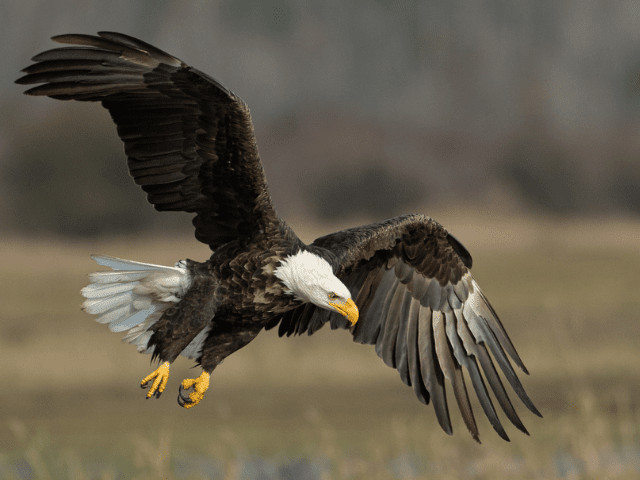
- Raptors (Owls and Hawks): With the leaves gone, large birds of prey are easier to spot perched high in trees. Winter is an excellent time to look for Bald Eagles congregating near open water, and it’s the season for potential visits from the legendary Snowy Owl in northern and sometimes even mid-latitudes, often seen perched on prominent structures in open areas.

Bald Eagle
Essential Winter Birding Gear and Tips
To make your cold-weather adventures safe and successful, a few key items and strategies are vital.
- Warm Layers: Dress for warmth. Start with a moisture-wicking base layer (avoid cotton!), add an insulating layer (fleece or down), and top it with a windproof/waterproof outer shell. Insulated boots, warm gloves or mittens, and a hat are essential.
- Optics: A good pair of binoculars (8x or 10x magnification is standard) is a must. A spotting scope can be invaluable for identifying ducks, geese, and distant raptors near bodies of water.
- Field Guide/App: A physical field guide for North America or a bird identification app like Merlin Bird ID (free from the Cornell Lab of Ornithology) will help confirm your sightings.
- Patience and Time: Birds are most active in the early morning hours and again right before dusk, as they maximize daylight foraging time. Choose a sheltered spot and remain still and quiet—birds are more likely to approach a stationary, muted observer.
Winter birding provides a tranquil, yet exciting way to connect with the natural world during the quietest time of the year. By providing food, water, and shelter, you become a steward of your local ecosystem and are rewarded with the beauty and resilience of your cold-weather visitors.
