

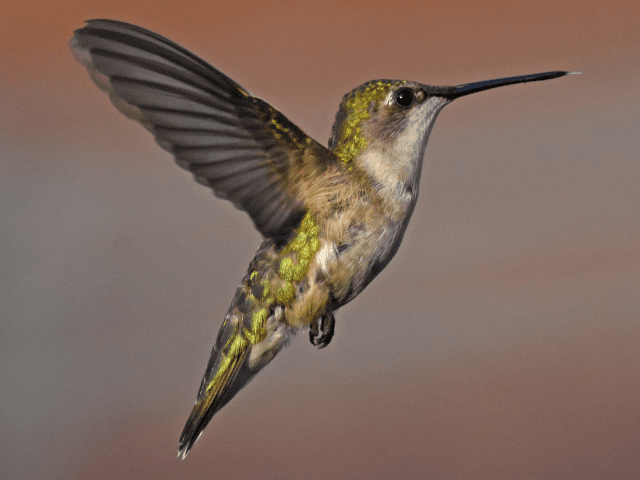
The return of the Ruby-throated Hummingbird (Archilochus colubris) is one of the most anticipated events of the North American spring. These dazzling, iridescent jewels, the only hummingbird species to breed east of the Mississippi River, undertake an astonishing 500-mile non-stop flight across the Gulf of Mexico from their Central American wintering grounds.
They typically arrive along the U.S. Gulf Coast in early to mid-March, pushing northward into the Mid-Atlantic and Midwest states by early to mid-April, and reaching their northern limits in Canada by early May. Their arrival is a race against time, as they must replenish the massive energy reserves depleted during their migration and establish territories for the breeding season.
For the dedicated bird enthusiast, success in attracting these magnificent, high-metabolism visitors is not about waiting until April; it’s about preparation that must begin now, transforming your yard into the irresistible, high-octane fueling station they desperately need upon arrival.
Timing is Everything: The Feeder First-Responder Protocol

The single most critical action you can take right now is to prepare for the early bird—specifically, the adult males, who are the first to arrive and claim the prime territories.
1. Know Your Arrival Date and Deploy Early
Hummingbirds are creatures of habit with astonishing navigational memory. They will often return to the exact same feeder or garden location year after year. To intercept these first exhausted migrants, you must have your feeders ready two weeks before the historical first-sighting date for your specific region.
- Gulf Coast (TX, LA, MS, AL, FL Panhandle): Deploy feeders by late February to early March.
- Mid-South/Mid-Atlantic (KY, TN, NC, VA): Deploy feeders by late March to early April.
- Northern States/New England/Upper Midwest (NY, MA, MI, WI): Deploy feeders by mid- to late April.
Being the first reliable food source in the neighborhood gives your yard a distinct advantage in attracting and retaining the earliest, most dominant males, which will, in turn, attract females later.
2. Prepare Your Nectar Supply and Feeder
The formula for hummingbird nectar is simple, cheap, and essential. Never use store-bought mixes with red dyes, honey, or artificial sweeteners, as these can be harmful.

- The Gold Standard Recipe: Mix one part plain white granulated sugar with four parts water (1:4 ratio). Bring the mixture to a boil for one to two minutes to sterilize it and ensure the sugar is completely dissolved.
- Storage and Freshness: Allow the mixture to cool completely before filling your feeder. Store any excess in a clean, airtight container in the refrigerator for up to two weeks.
- Feeder Sanitation: Prepare your feeders by performing a deep clean now. Use a solution of one part white vinegar to four parts water to scrub away any residual mold or bacteria from last season. Hummingbirds are susceptible to fungal infections from spoiled nectar. A clean feeder, especially one with bright red accents (the only red color necessary!), is crucial to their health and attraction.
In the early spring, when temperatures are cooler, you can get away with changing the nectar every five to seven days. However, as the weather warms, this must be done every two to three days, or immediately if the solution appears cloudy.
The Floral Strategy: Planting the Welcome Bouquet
While feeders are a convenient and necessary stopgap for the earliest arrivals, a sustainable habitat requires a diverse and rich supply of natural nectar. Hummingbirds instinctively prefer native, tubular, red or orange flowers because their shape and color advertise high nectar content. Your action plan now is to plan and plant, focusing on early-blooming species.
3. Prioritize Early-Season Native Blooms
Hummingbirds will rely on the very first flowers they find. Focus your immediate gardening efforts on species that bloom just as the migrants arrive.
| Plant Name | Color | Bloom Time | Notes |
| Coral Honeysuckle (Lonicera sempervirens) | Red/Orange | Early Spring | A native vine, excellent for vertical gardens and providing protective cover. |
| Red Buckeye (Aesculus pavia) | Red | Early to Mid-Spring | A small, native tree with magnificent red, tubular flower clusters. |
| Eastern Red Columbine (Aquilegia canadensis) | Red/Yellow | Late Spring | A delightful, delicate perennial that tolerates partial shade. |
| Bleeding Heart (Dicentra spectabilis) | Pink/Red | Early Spring | A shade-tolerant favorite that provides a valuable, early-season nectar source. |
Purchase seeds or bare-root stock now to get these plants into the ground or containers as soon as the soil is workable. Grouping similar plants together in large masses makes the nectar source more visible and appealing from the air.
4. Plant for Season-Long Sustenance
While the first arrivals need those early spring blooms, a successful breeding season requires a reliable food source throughout the summer. Plan now for your summer garden by ordering seeds or researching nursery availability for mid- and late-season favorites.
- Mid-Season: Bee Balm (Monarda didyma), Cardinal Flower (Lobelia cardinalis), and various native Salvias (Salvia spp.).
- Late-Season: Ensure you have late bloomers like Trumpet Creeper (Campsis radicans) and Jewelweed (Impatiens capensis) to fuel the huge caloric demands of the fall migration.
Remember: Native plants are superior to exotic cultivars. Research has shown that native species often produce significantly more high-quality nectar, offering a much better return on investment for the busy hummingbird.

Habitat and Safety: Beyond Food
A great food source is the primary draw, but a true hummingbird haven provides crucial habitat elements that encourage them to stay, breed, and raise their young.
5. Create Safe Perching and Cover
Hummingbirds spend most of their time perched, not flying. They need safe lookout posts to watch for predators and defend their territory.
- Leave the High Perches: Ensure there are tall, bare branches on nearby deciduous trees or high wires. Males use these to conduct their impressive, territorial dive displays.
- Provide Protective Cover: Place your feeders near dense shrubs or small evergreen trees. These offer a quick escape route and a sheltered place to rest and preen their feathers.
- Minimize Pesticides: This is non-negotiable. While hummingbirds are famous for nectar, insects and spiders are vital sources of protein, especially for nestlings. Using pesticides eliminates their protein-rich prey. Encourage an insect-rich environment.
6. Address Water and Safety Concerns
Hummingbirds drink and bathe, but a traditional bird bath is too deep.
- The Water Feature: They prefer fine mists or running water. Consider installing a misting system or a small fountain with a very shallow edge. They will often fly right through a sprinkler spray.
- Window Strike Prevention: Hummingbirds are frequent victims of window strikes. They can mistake a window reflection for a continuation of the sky or garden. Apply bird-friendly window film, decals, or string deterrents in a tight 2" x 4" vertical pattern to break up the reflection. If placing a feeder near a window for viewing, ensure it is either right up against the glass (less than three feet away) or more than 30 feet away.
7. Strategic Feeder Placement
To maximize the number of birds you attract, placement is crucial.
- Shade the Nectar: Hang feeders in partial shade. Direct sun causes the nectar to ferment rapidly, which is dangerous for the birds.
- Space is King: Hummingbirds are intensely territorial. Placing multiple feeders too close together will result in one dominant bird chasing all others away. Hang multiple feeders (three or more) out of sight from one another (e.g., front yard, back deck, side garden) to allow multiple males and females to feed peacefully.
- The Familiar Spot: If you had a successful spot last year, use it again. Their memory is exceptional, and they will check the old "restaurant" first.
By acting now to secure your feeder setup, plant early-blooming native flowers, and commit to a pesticide-free, bird-safe habitat, you will be more than ready to welcome the return of the Ruby-throated Hummingbird this spring, ensuring they have the vital resources they need to thrive after their legendary journey.
