
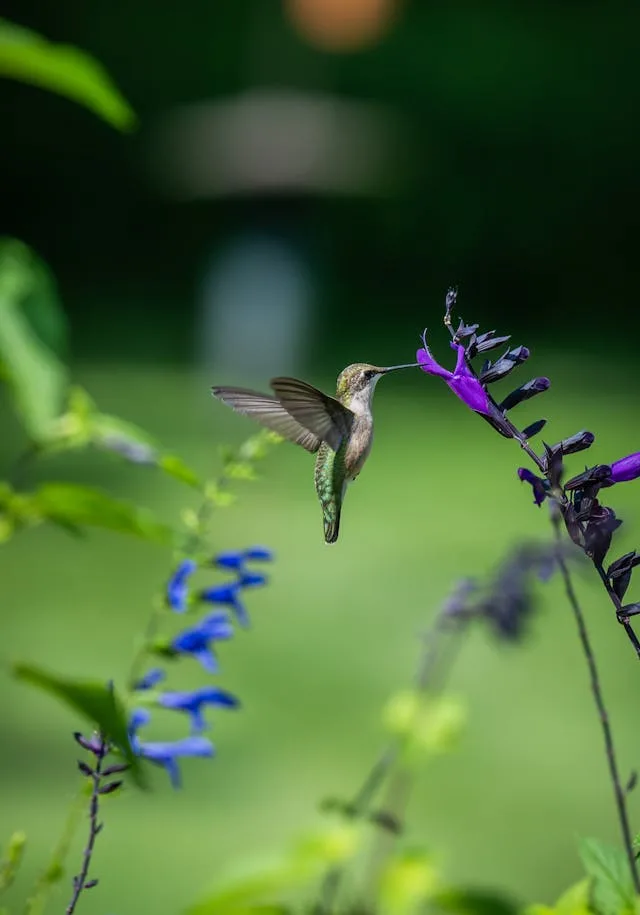
As the leaves fall and the first frosts signal winter's approach, it might seem counterintuitive to start thinking about hummingbirds. Yet, the secret to a garden teeming with these iridescent, buzzing jewels next spring lies in the preparations you make right now. Attracting hummingbirds isn't just about hanging a feeder; it's about creating a complex, three-season ecosystem that provides reliable nectar, protein, water, and shelter—everything a tiny, high-metabolism bird needs to survive its incredible migratory journey.
A successful hummingbird garden is a strategic blend of plant selection, thoughtful placement, and careful maintenance. By planning and planting in the fall and early winter, you guarantee a vibrant, established food source ready for their arrival in the spring.
1. Timing is Everything: Prepare Now for Spring Arrival
Hummingbirds are driven by instinct and energy demands. The two most common species in the U.S., the Ruby-throated Hummingbird (East) and the Rufous Hummingbird (West), begin their northward migration in late winter and early spring, respectively. They rely on predictable food sources along their routes.
- Fall Planting (The Secret Weapon): The crucial step is planting perennials and woody shrubs in the fall. This gives their roots time to establish over the winter, resulting in healthier, larger plants that bloom earlier and more vigorously than spring-planted annuals.
- Early Spring Bloom: When hummingbirds arrive—often before the last frost—they need nectar immediately. Fall planting ensures flowers like early Columbine and Honeysuckle are ready to meet their needs.
- Feeder Readiness: Clean and prepare your feeders now. Purchase fresh sugar and be ready to hang feeders approximately two weeks before the historical arrival date for your area (e.g., late February for the Gulf Coast; late March/early April for the Mid-Atlantic).
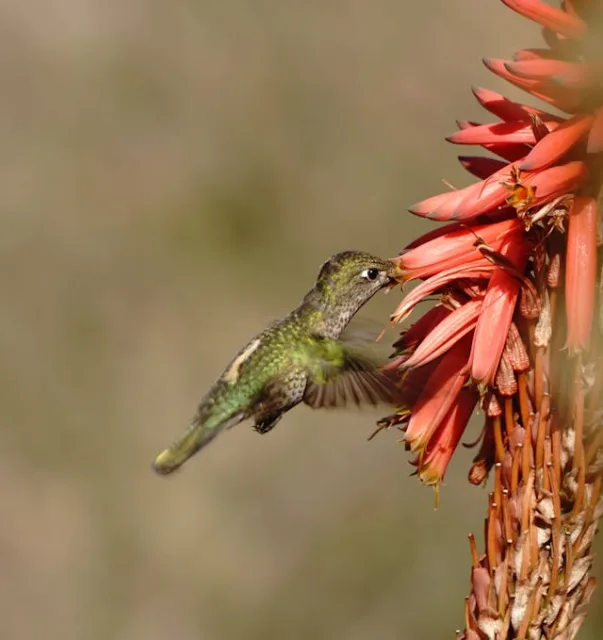
2. The Nectar Corridor: Planting the Right Flowers
Hummingbirds prefer flowers that are rich in nectar and structured specifically for their long, probing beaks. They are attracted to the color red not because they see it better, but because many of their preferred flowers (and few insect-pollinated flowers) happen to be red, creating an easy visual cue.
Essential Perennials (Plant in Fall for Spring Bloom)
These should form the backbone of your hummingbird garden, offering reliable food year after year:
- Eastern U.S.:
- Cardinal Flower (Lobelia cardinalis): Intense red, tubular flowers; a hummingbird magnet. Thrives in moist soil.
- Red Bee Balm (Monarda didyma): Provides a large volume of nectar. Plant in clusters.
- Wild Columbine (Aquilegia canadensis): Provides crucial early spring nectar.
- Western U.S. & Southwest:
- Penstemon (Beardtongue): Many species are tubular and red/pink, attracting the Rufous and Anna's.
- Scarlet Gilia (Ipomopsis rubra): Tall, striking red spire; a desert favorite.
- Fuchsia Species (Fuchsia spp.): Excellent pendulous flowers, especially in mild climates.
Annual Powerhouses (Plant in Spring for Continuous Bloom)
Annuals offer continuous feeding during the peak summer and early fall migration periods:
- Cypress Vine (Ipomoea quamoclit): A quick-growing vine with small, bright red, tubular flowers.
- Petunia and Nicotiana (Flowering Tobacco): Select red and pink varieties with long tubes.
- Zinnias: While open-faced, hummingbirds will use the nectar, and the flowers attract small insects for protein.
Crucial Shrubs and Vines (Plant in Fall for Structure)
These add vertical layers and robust, long-lasting nectar sources:
- Trumpet Honeysuckle (Lonicera sempervirens): Unlike invasive exotic honeysuckles, the native red Trumpet Honeysuckle is a magnet and provides excellent vertical structure.
- Trumpet Creeper (Campsis radicans): A very vigorous native vine with large, orange/red trumpet flowers. Use only in areas where you can control its spread.
3. The Protein Power-Up: Bugs are Essential
A common mistake is focusing only on sugar water and nectar. Hummingbirds are omnivores; they need small insects, spiders, and gnats to acquire the protein necessary for growth, egg production, and muscle repair, especially during migration.
- Avoid Pesticides: Do not use broad-spectrum pesticides or insecticides in your garden. The tiny insects that live on the leaves and flowers are a vital food source for hummingbirds.
- Misting and Water Sources: Hummingbirds are attracted to fine water mist, often hovering and flying through it to drink and bathe. The mist also attracts tiny flying insects. Use a mister nozzle on a hose or a very shallow bubbling fountain. They rarely use deep bird baths.
- Beneficial Neglect: Let a corner of your garden stay a little wild. The hummingbirds will glean insects from natural spider webs and dense foliage.

4. Feeder Finesse: The Art of Sugar Water
Feeders are excellent supplements, particularly during migration and drought, but they must be maintained meticulously.
Recipe and Color
- Solution: Use a 4:1 ratio of water to white granulated sugar (e.g., 4 cups water to 1 cup sugar). Never use artificial sweeteners, honey, or brown sugar, as these can be harmful.
- Color: Do not use red dye. The red plastic on the feeder port is enough to attract them. The solution itself should be clear.
- Placement: Hang feeders near existing flowering plants and place them in areas that offer protection from predators (like cats) and shelter from the wind. Placing a feeder near a window allows for optimal viewing but can be dangerous; use window decals to prevent collisions.
Maintenance (The Most Important Rule)
- Cleanliness is Life: Sugar water ferments quickly, especially in heat, growing mold and turning cloudy. This can be lethal to hummingbirds.
- Schedule: Change the solution every 2-3 days in warm weather (over 70°F) and at least once a week in cooler weather.
- Cleaning: Use a mild vinegar solution and a specialized bottle brush to thoroughly scrub the entire feeder and ports every time you refill it. Black mold is a serious threat and indicates the feeder is not being cleaned frequently enough.
5. Shelter and Perches: Creating a Safe Haven
Hummingbirds are fiercely territorial but also need safe, high perches for resting, preening, and surveillance.
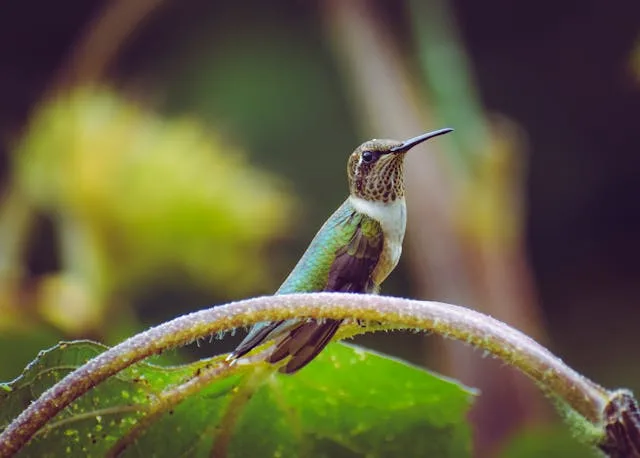
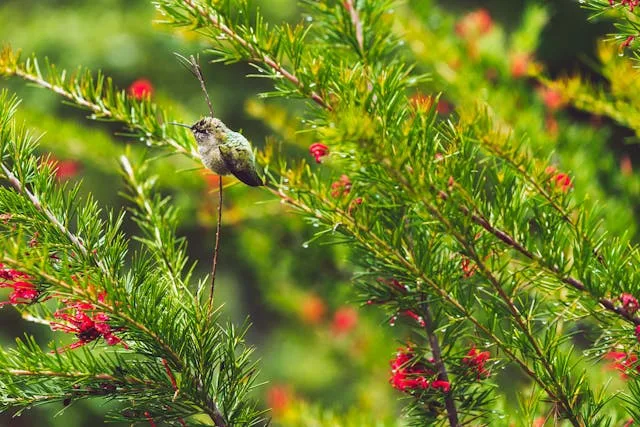
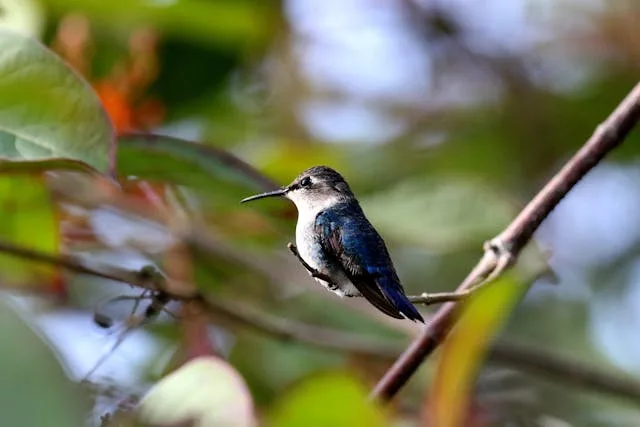
- Perching Spots: Ensure there are tall, thin dead branches or bare twigs near your feeders and flowers. Hummingbirds use these exposed perches to survey their territory and rest their tiny bodies between feeding bouts.
- Nesting Material (Fall & Winter Prep): Female hummingbirds will often use soft materials like spider silk, lichen, and soft plant fluff to build their tiny, camouflaged nests. By letting these native materials remain in your garden over the winter, you provide future nesting resources. Shrubs like native junipers or pines offer excellent, dense, sheltered nesting sites.
- Security: Plant dense shrubs nearby to serve as emergency cover from rain, cold, and aerial predators (like jays or mockingbirds).
The Year-Round Strategy
A true hummingbird paradise is a result of long-term planning. By using the quiet months of fall and winter to plant natives, choose your feeder locations, and commit to a rigorous cleaning schedule, you are setting the stage for a spectacular spring migration. When those first tiny jewels arrive, exhausted and hungry, they will quickly learn that your garden is not just a pit stop, but a reliable, life-sustaining oasis.
