

Few backyard birds possess the irresistible charm and endless energy of the chickadee. Known for their distinctive, cheerful calls—the very source of their common name, a quick-fire “chick-a-dee-dee-dee”—these tiny, acrobatic songbirds are year-round residents across much of the United States. Attracting a "banditry" (the delightful collective noun for a flock of chickadees) to your garden offers constant entertainment, especially during the quiet winter months.
In the U.S., you’re most likely to encounter one of the four most widespread species: the Black-capped Chickadee (Poecile atricapillus), the Carolina Chickadee (Poecile carolinensis), the Mountain Chickadee (Poecile gambeli), or the Chestnut-backed Chickadee (Poecile rufescens). The Black-capped dominates the northern half of the country, while the Carolina reigns supreme in the South and Mid-Atlantic. In a fascinating zone of overlap, primarily across the mid-Atlantic states, the two species hybridize, making identification a fun, if sometimes tricky, challenge! The Mountain Chickadee is a resident of coniferous forests in the West, recognizable by its white "eyebrow," and the Chestnut-backed is found along the Pacific Coast, sporting its namesake reddish-brown back.
Regardless of the species native to your region, the fundamental strategies for drawing these curious and relatively tame birds to your outdoor space remain consistent: provide the essential resources of food, water, shelter, and nesting sites. By transforming your garden into a four-star chickadee habitat, you'll ensure these beloved bandits become permanent, lively fixtures.
The Chickadee Buffet: Food Strategies
Chickadees are opportunistic foragers with voracious appetites, particularly during the harsh seasons. They are primarily insectivores in the warmer months, relying on a protein-rich diet of insect eggs, larvae, spiders, and, notably, caterpillars—a vital food source for their nestlings. In winter, their diet shifts to seeds, berries, and nuts. To cater to both phases of their annual cycle, a comprehensive feeding strategy is required.
Natural Foraging and Native Plants

The single most effective long-term method for supporting chickadees is to cultivate a garden rich in native plants that host the insects they need. Ornithologists, such as Dr. Doug Tallamy, have highlighted the critical relationship between native oak, birch, willow, and cherry trees and local insect populations, especially caterpillars. A single nesting pair of chickadees may need to find thousands of caterpillars to successfully fledge a clutch of chicks.
- Plant Native Trees and Shrubs: These provide the natural host plants for the insects chickadees consume. Tiers of native plantings—from canopy trees to understory shrubs—also offer safe foraging spots and vital shelter.
- Embrace the Mess: Resist the urge to use insecticides, which eliminate their primary food source. Additionally, leave the seed heads of perennial flowers like Coneflower, Black-eyed Susan, and Bee Balm standing through the fall and winter, as chickadees will eagerly glean seeds directly from them.
Feeder Favorites
Chickadees are arguably the most enthusiastic and common visitors to bird feeders. They practice a behavior called "caching," where they take one seed at a time, fly away to hide it in bark crevices or under moss, and then return for the next. Their remarkable memory allows them to recall thousands of these individual cache locations.

- Black Oil Sunflower Seed: This is the undisputed champion seed for chickadees. The high fat content and thin shells make them an easy target. Hulled sunflower hearts are even better, as they offer pure energy without the effort of cracking the shell.
- Suet: Essential, especially in winter, to provide high-calorie fat. Chickadees prefer suet offered in wire cages, and they particularly enjoy peanut butter or nut-flavored suet cakes. You can also smear peanut butter directly onto tree trunks.
- Peanuts: Offer shelled peanuts or peanut hearts in feeders, as their small beaks struggle with the hard shell of in-shell peanuts.
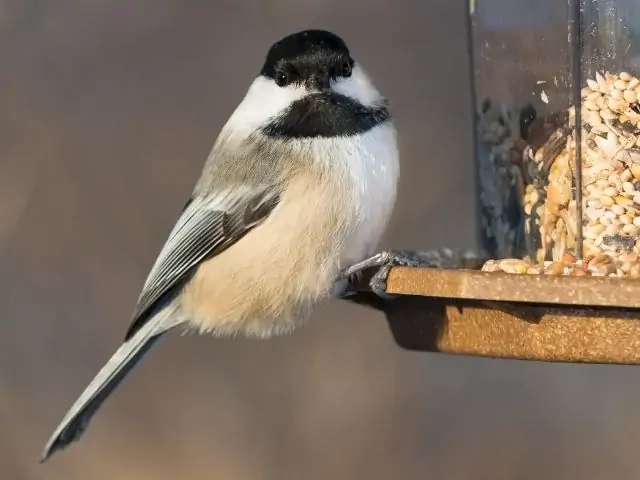
- Feeder Style: Chickadees are adaptable, but they prefer tube feeders or small, hanging cage feeders that allow them to cling while feeding, mimicking their natural foraging posture. Placing feeders near protective cover (trees or dense shrubs) ensures they have a quick escape route from predators.
The Essential Oasis: Water Provision
Like all birds, chickadees need a reliable source of clean, fresh water for drinking and bathing, especially since they are non-migratory and remain in your garden year-round.
- Shallow Bird Baths: Chickadees prefer water that is no more than 1-2 inches deep. Baths with gently sloping edges or the addition of small rocks create safe, shallow access points.
- Moving Water: Chickadees, being inherently curious, are highly attracted to the sight and sound of moving water. A dripper, bubbler, or small fountain in your bird bath will significantly increase its appeal.
- Winter Water: In colder regions of the U.S., a heated bird bath is a literal lifesaver. Access to liquid water for drinking and bathing (to maintain feather health for insulation) is crucial when natural sources freeze.
A Safe Harbor: Shelter and Roosting
Chickadees are small birds, making them highly vulnerable to predators and severe weather. Providing multi-layered shelter is as important as providing food.
- Dense Foliage: Plant a variety of evergreen trees (like pine or spruce) and dense, deciduous shrubs. This layered approach offers crucial hiding places from hawks and house cats, and provides insulation from rain, snow, and wind.
- Brush Piles: An often-overlooked feature, a simple brush pile in a corner of your garden can provide quick, low-to-the-ground shelter and an alternative to natural thickets.
- Roost Boxes: While they often roost in natural cavities, small, insulated roost boxes can be a welcome addition, particularly in winter. Chickadees sometimes huddle together in these boxes to share body warmth and enter a state of torpor on extremely cold nights to conserve energy.
Home Sweet Home: Nesting Sites

Chickadees are cavity-nesting birds, meaning they raise their young inside a protected hole. They will use old woodpecker holes or excavate their own nests in soft, rotting wood.
- Leave Snags: If safe to do so, leave standing dead trees (snags) or partially dead branches. These are vital nesting and roosting habitat.
- Install Nest Boxes: Chickadees readily accept man-made nest boxes. The crucial element is the size of the entrance hole: 1-1/8 inches in diameter. This small size deters larger, more aggressive birds, such as starlings and house sparrows, from taking over the cavity.
- Placement: Mount the nest box 6 to 15 feet high on a post or tree in a quiet, partially shaded area.
- Nesting Material: Chickadees build their nests out of moss, bark, and line them with soft materials. Leaving out natural items like clean pet fur (untreated with flea/tick chemicals) or cottonwood fluff can encourage their nesting efforts.
The Power of the Pish: Advanced Attraction Tactics
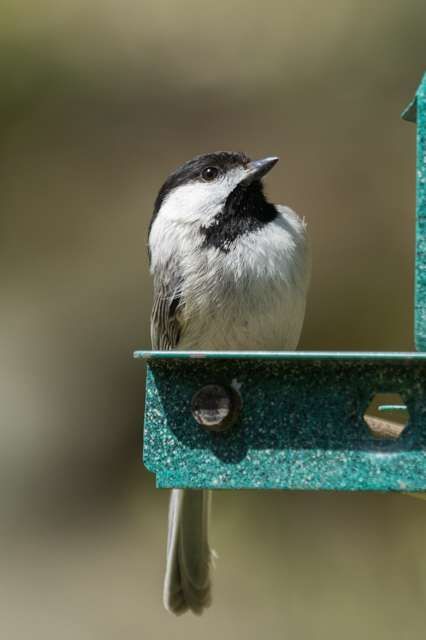
Chickadees are famously curious and are often the first birds to investigate an unusual sound. This trait is key to a few final, successful tips for attracting them:
- Pishing: Birders often use a technique called "pishing"—making sharp, hissing, or kissing sounds—to draw small songbirds closer. Chickadees are highly responsive and will often fly in to investigate, drawing other mixed-flock members (nuthatches, titmice, kinglets) with them.
- Flocking Dynamics: In the non-breeding season, chickadees form mixed-species foraging flocks, often acting as the "leaders" that other birds follow. By attracting other small songbirds with a diverse feeding station, you increase the likelihood of a chickadee flock establishing your garden as its territory.
- Avoid Pesticides and Herbicides: By minimizing chemical use, you not only ensure a bug-rich food supply but also protect the birds from secondary poisoning. A truly chickadee-friendly garden is an organic, wildlife-friendly garden.
Wrapping Up
Attracting chickadees is a rewarding endeavor that connects you directly to the vibrant, resilient world of U.S. native birds. By providing the basics of food and water, enriching your garden with protective native plants, and securing safe nesting cavities, you are not just offering a handout, but creating a crucial, sustainable habitat. The year-round presence of these tiny, black-capped jewels and their signature call will transform your garden into a lively, enchanting sanctuary.
