
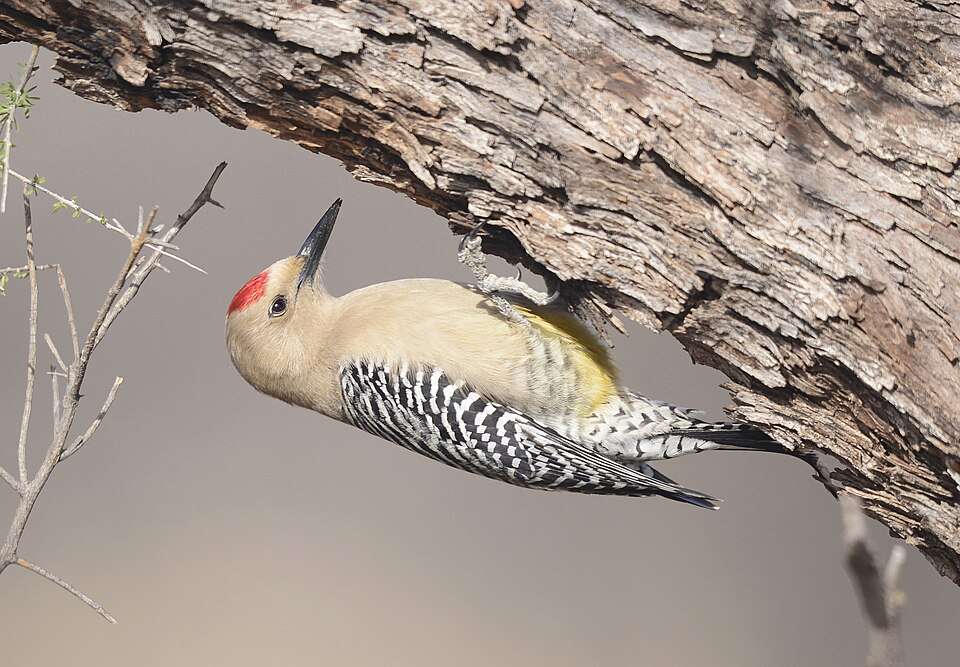
Woodpeckers are the drummers of the avian world, instantly recognizable by their bold markings, distinctive flight, and the rapid, resonant sound of their bills on wood. Far from being merely destructive—a common misconception—woodpeckers are vital members of the ecosystem, controlling insect populations and, crucially, excavating the cavities that countless other bird and mammal species rely on for nesting and shelter. Attracting these unique birds to your U.S. garden enriches biodiversity and offers year-round entertainment.
The success of a woodpecker habitat relies on offering a reliable supply of food, water, and appropriate nesting/roosting sites that mimic their natural forest environment. By making a few strategic, nature-friendly adjustments, you can invite species like the striking Downy Woodpecker (Dryobates pubescens), the robust Hairy Woodpecker (Dryobates villosus), the clownish Northern Flicker (Colaptes auratus), and the magnificent Pileated Woodpecker (Dryocopus pileatus) right to your backyard.
1. The Buffet: Specialized Food Sources
Woodpeckers have unique dietary needs, relying heavily on insects found beneath bark and sap. While they won't typically visit a standard seed feeder, specialized offerings will draw them in quickly.
Suet: The Energy Powerhouse

Suet is the single most effective food for attracting woodpeckers. This rendered animal fat provides the high-calorie energy they need, especially during cold winters and the demanding nesting season.
- Offerings: Use plain suet or suet mixed with peanut butter, cornmeal, or dried insects. Avoid suet that contains large amounts of cracked corn or large seeds, as these are better suited for ground feeders.
- Placement: Hang suet cages or blocks from trees or specialized posts. Woodpeckers prefer to feed upright, so a tail-prop suet feeder—which provides a flat surface beneath the feeder for them to brace with their stiff tail feathers—is ideal. Place feeders near large tree trunks, which makes the food feel more natural and safe.
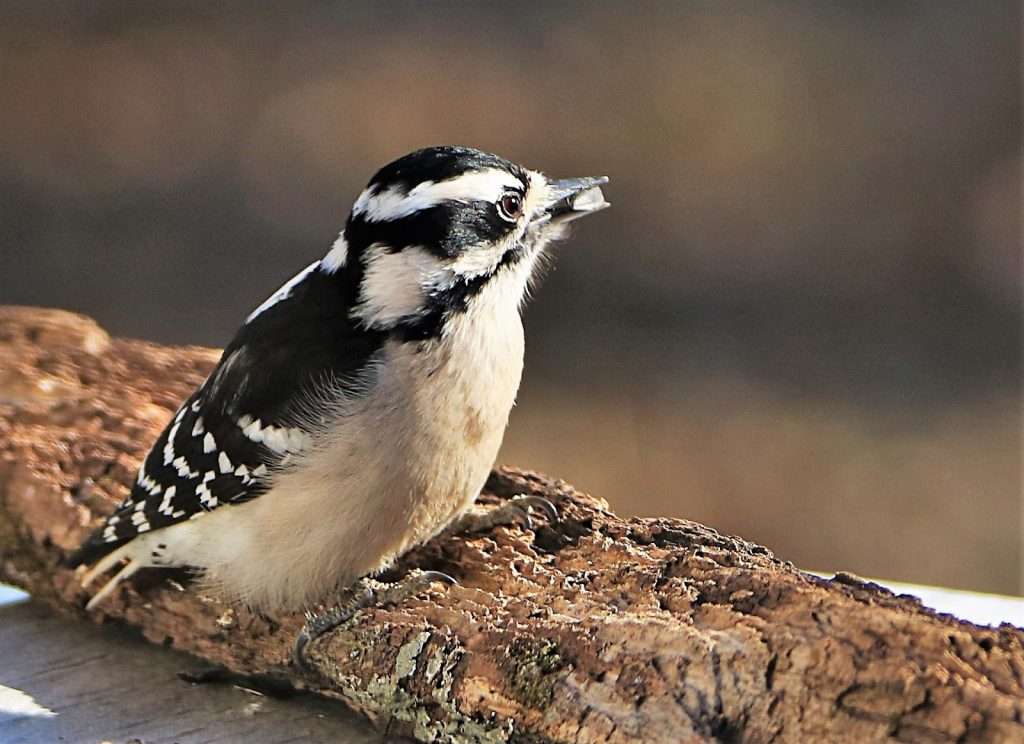
- Species Spotlight: Downy and Hairy Woodpeckers are frequent suet visitors across the continent, often feeding side-by-side (the Hairy is noticeably larger and has a longer bill).
The Sap Trap: Attracting Sapsuckers

Sapsuckers—specifically the Yellow-bellied Sapsucker (Sphyrapicus varius) in the East and related species in the West—are woodpeckers that drill rows of small, precise holes into tree bark to feed on sap and the insects trapped within it.
- Strategy: While you don't want to encourage damage to valued ornamental trees, planting native fruit trees (like apple, pear, or cherry) or certain species of birch or willow can attract them. They often return to the same trees year after year.
- Note: Sapsucker damage rarely kills a healthy mature tree, but if a tree is severely girdled (ringed with holes), you may need to apply a physical wrap to the area during the sapsucker season.
Natural Foraging: Ants and Grubs
The Northern Flicker is an atypical woodpecker that primarily forages on the ground, often seen hopping across lawns to find its favorite food: ants.
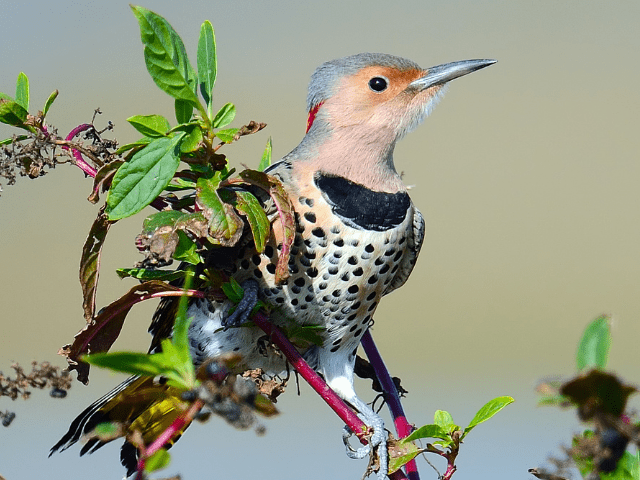
- Strategy: Maintain areas of bare or short-mowed lawn bordered by long grass. This environment encourages ants and allows the Flicker easy access to dig for them with its specialized barbed tongue.
- Insects: Woodpeckers feed heavily on the wood-boring beetle larvae and other grubs found in dead wood. Maintaining leaf litter and avoiding broad-spectrum pesticides ensures a healthy insect population for all woodpeckers.
2. Nesting and Roosting: Providing Safe Havens
Unlike many birds that build open nests, all woodpeckers are primary cavity excavators—meaning they chip out their own nest holes. These holes are essential, as they are later used by owls, bluebirds, squirrels, and other wildlife.
Snags and Dead Wood (The MVP)
The single most important step in attracting woodpeckers is leaving dead wood on your property.
- Standing Snags: If a dead tree trunk (a snag) poses no immediate risk to structures or people, leave it standing. The soft, decaying wood is easy for a woodpeckers to drill into for nesting and provides rich feeding grounds for grubs.
- Log Piles: Create a log pile in an out-of-the-way corner. As the logs decay, they become a haven for insects, attracting Flickers and Pileated Woodpeckers to forage.

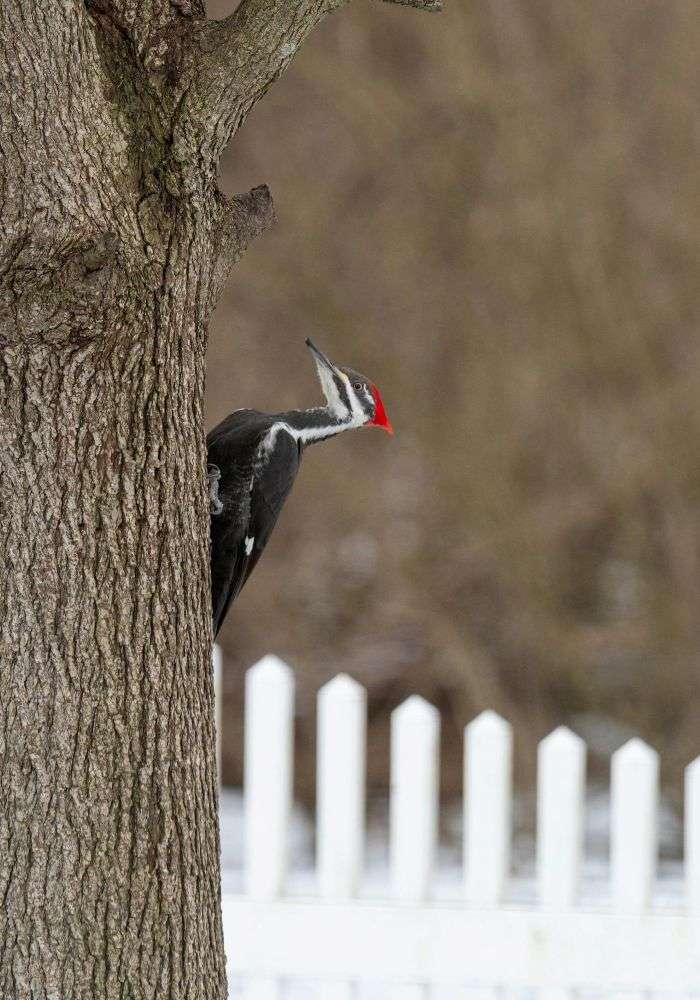
Pileated Woodpecker
Woodpecker Houses (Nesting Boxes)
While they prefer to excavate their own holes, woodpeckers will sometimes use pre-made boxes, especially the Downy and Hairy species.
- Design: Woodpecker boxes should be made of thick lumber and filled halfway with coarse wood shavings. They require a small, specific-sized hole.
- Excavation Incentive: Drill some small starter holes near the main entrance to give the bird a head start and encourage them to "customize" the cavity.
- Species Spotlight: The large, impressive Pileated Woodpecker requires a massive tree trunk (over 18 inches in diameter) to nest. If you have a large dead tree, they may bore their signature, rectangular holes into it, which are instantly recognizable.
Roosting Cavities
Woodpeckers don't just use cavities for nesting; they also use them as roosting spots to stay warm and protected at night, especially during the cold winter months. A male may excavate several shallow roosting cavities near his territory, changing spots nightly.
3. Tree Protection and Ethical Woodpeckering
A common concern is woodpeckers damaging healthy trees or the siding of homes. Understanding the behavior can mitigate these issues.
Why They Drum (and How to Redirect It)
Drumming is not always about feeding; it's often about communication.
- Territory: Loud drumming on metal chimneys, gutters, or hollow wood siding is often an aggressive territorial display used to attract a mate or warn rivals. The louder the surface, the better!
- Solution: If a woodpecker is damaging your home's siding, cover the area with netting, hanging aluminum foil strips, or plastic owls (moving them frequently). More effectively, install a dedicated drumming post—a dead, barkless log mounted near the problem area—to give them a safer, more acceptable alternative.
Tree Damage vs. Necessity
If a woodpecker is seriously damaging a healthy, live tree, it's usually a sign the tree is already infested with wood-boring insects. They are acting as natural pest controllers, removing harmful larvae.
- Mitigation: For sapsucker damage on valuable trees, apply a mesh wrap or burlap around the affected area during the spring and early summer to discourage feeding while the tree heals.
4. Creating a Year-Round Woodpecker Sanctuary
Attracting and keeping woodpeckers is a long-term commitment to habitat maintenance.
- Water: Provide a clean, shallow water source. While they are not avid bathers, they need fresh water for drinking.
- No Chemicals: Never use pesticides that target grubs or ants. Your goal is to increase the insect population, not eliminate it.
- Patience: Woodpeckers are often less numerous than songbirds and may take longer to discover your offerings. Once they find a reliable, safe food and shelter source, they tend to be site-faithful and will return year after year.
By providing the necessary fat, protein, and sturdy shelter, you can transform your garden into a dynamic, drumming habitat where these fascinating and ecologically vital birds can thrive, offering you a front-row seat to their incredible life cycle.
