
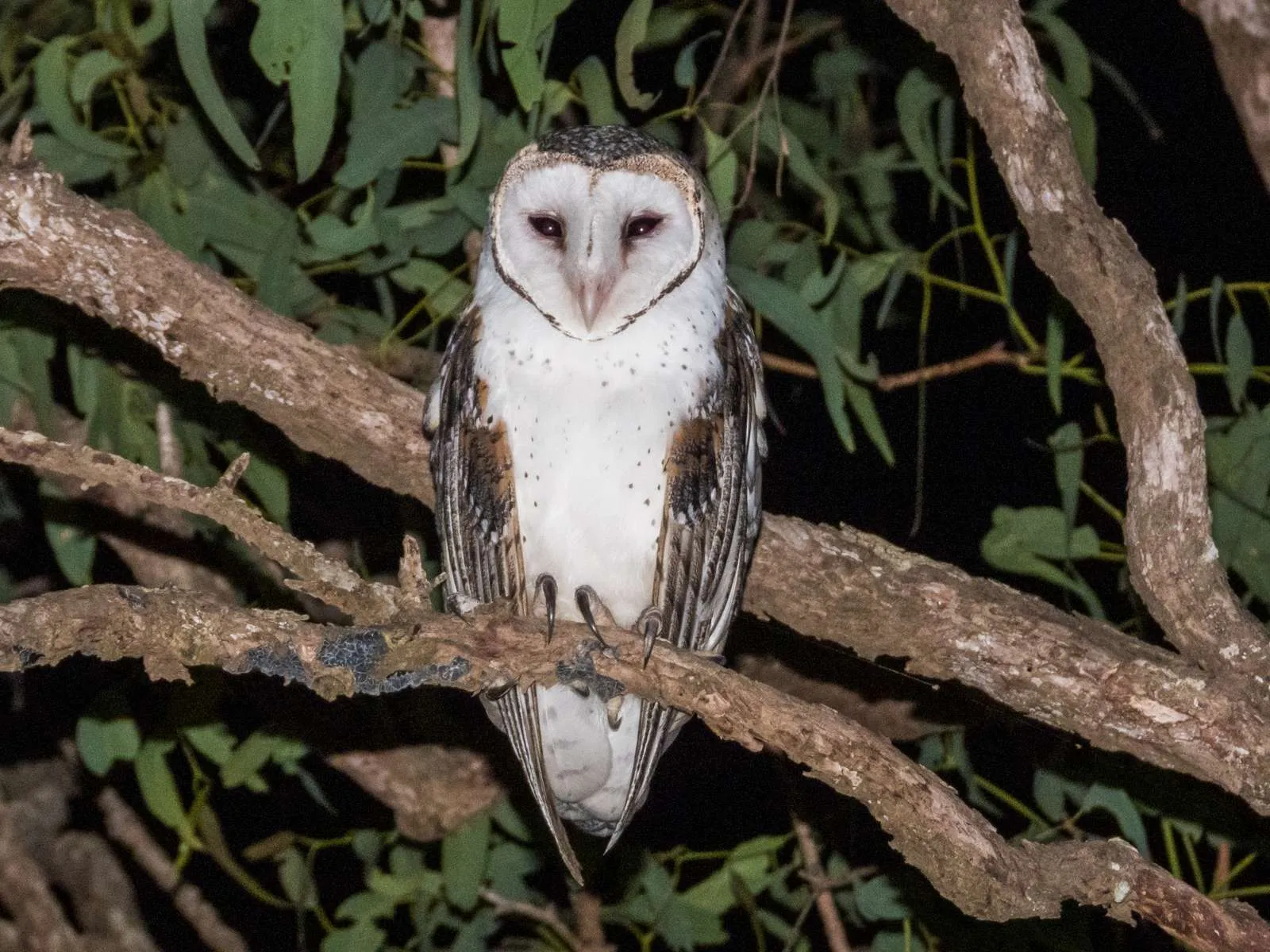
Attracting owls to your property is an exercise in creating a rich, natural habitat that offers three essentials: shelter, safety, and supper. Unlike feeding songbirds with seed, you can’t simply hang a feeder for an owl; you have to foster an ecosystem where they can thrive naturally. The presence of these silent, nocturnal hunters adds a layer of magic and ecological balance to any U.S. garden or backyard, transforming a regular yard into a haven for wildlife.
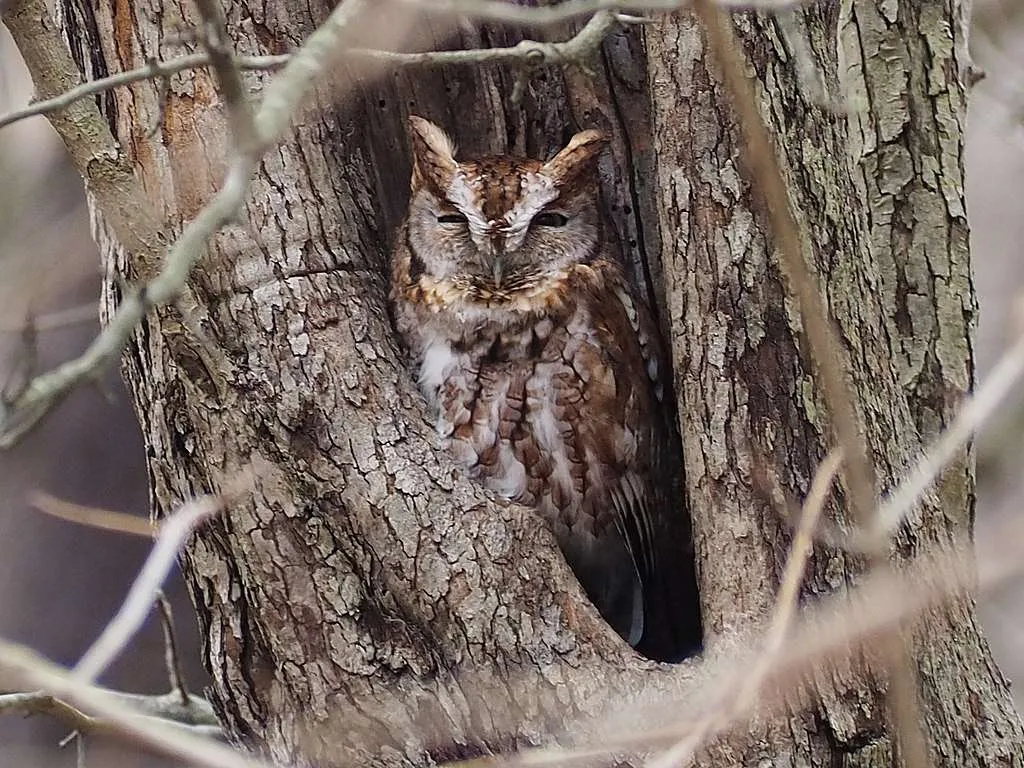
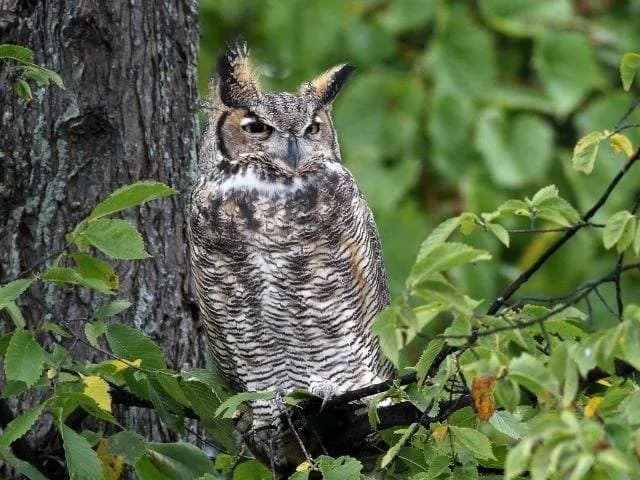
The most common North American species you're likely to attract are the Eastern Screech-Owl (Megascops asio), the Western Screech-Owl (Megascops kennicottii), and the Great Horned Owl (Bubo virginianus), with the smaller Barred Owl (Strix varia) being a possibility in forested and suburban areas.
Why Attract Owls? The Benefits of a Nocturnal Neighbor
Beyond the sheer wonder of seeing one of these magnificent birds, hosting an owl provides tangible, ecological benefits to your property:
1. Superior, Natural Pest Control
This is the primary reason most people want owls. Owls are highly efficient, all-natural predators that specialize in the pests that plague gardens and homes.
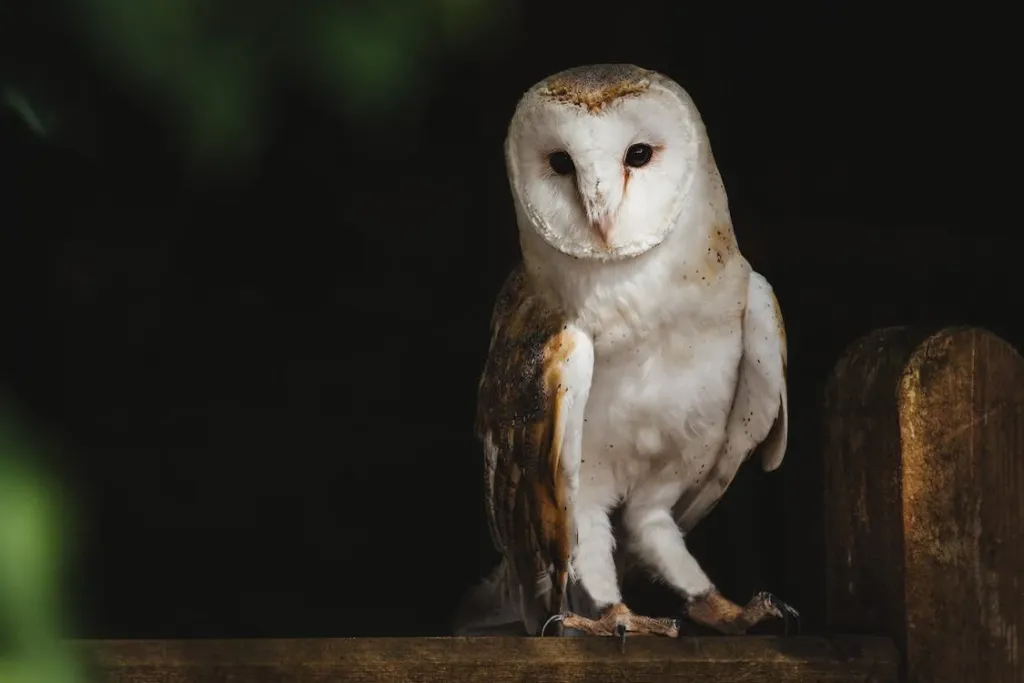
- Rodent Management: A single family of Barn Owls (Tyto alba), one of the best rodent hunters, can consume hundreds of mice, rats, and voles over a nesting season. Unlike domestic cats, owls hunt silently and primarily at night when rodents are most active.

Barn Owl - Insect Control: Smaller species, particularly the Screech-Owls, heavily rely on large insects such as moths, beetles, and crickets, helping keep nocturnal pest populations in check.
- Reduced Chemicals: By relying on owls, you drastically reduce or eliminate the need for harmful rodenticides and poisons that can contaminate the food chain and inadvertently harm the very animals you want to attract.
2. Indicator of a Healthy Ecosystem
The presence of a nesting or roosting owl signals that your habitat is healthy, diverse, and intact. Owls require specific types of trees, clean water, and a robust population of prey, meaning your land is supporting a fully functional food web.
3. Quiet Spectacle and Educational Value
Hearing the haunting, echoing hoot of a Great Horned Owl or the trilling whinny of a Screech-Owl at night adds a unique, wild quality to your home. Observing their stealthy hunting or discovering an owl pellet (a tightly compressed ball of undigested fur and bones) offers fantastic educational opportunities for children and nature enthusiasts.
The Habitat Strategy: Creating a Welcome Mat
Attracting owls requires focusing on three key habitat components that cater to their unique needs as nocturnal, cavity-nesting hunters.
1. Shelter and Roosting Spots (The Importance of Trees)
Owls are secretive and need dense cover to hide from predators (like larger owls and hawks) during the day.
- Mature Trees: The foundation of an owl habitat is the presence of mature, tall trees, especially evergreens (pines, cedars) or deciduous trees with dense summer canopy. These provide secure roosting spots.
- "Snags" (Dead Trees): If safe to do so, leave standing dead trees. These snags are vital because woodpeckers often create cavities in them, which Screech-Owls and Kestrels later take over for nesting.
- Natural Cavities: Owls are primarily cavity nesters. They rely on holes formed naturally, by woodpeckers, or from broken branches. If you don't have natural cavities, you can install specialized nest boxes.
2. Nest Boxes: Targeted Housing
Owl boxes can be highly effective, especially for smaller species and Barn Owls, as they provide a safe, predetermined space away from predators.
- Screech-Owl Boxes: These boxes have an entrance hole around 3 inches and are best placed 10-20 feet high on a tree trunk, with the opening facing east or north to avoid direct sun.
- Barn Owl Boxes: Barn Owls prefer large, open spaces for hunting and often nest in the rafters of abandoned buildings, barns, or specialized large boxes mounted very high (15-30 feet) on poles or tall trees facing an open field.
- Installation Tip: Fill the bottom of the box with a few inches of wood shavings or chips, as owls do not build their own nests.
3. Hunting Grounds: The Buffet of Prey
An owl will only stay where food is plentiful. You can't attract owls without first attracting their food source.
- Dense Ground Cover: Maintain areas of tall grass, dense brush piles, and ground cover. This habitat attracts and shelters the mice, voles, and insects that owls feed on.
- Pond or Water Feature: While owls don't typically bathe in water, a healthy pond attracts amphibians, insects, and small rodents, increasing the prey density.
- Nocturnal Lights: Turn off unnecessary outdoor lighting. Dark, quiet gardens encourage nocturnal prey activity, making hunting easier for the owls.
- Avoid Traps and Poisons: This is critical. Using rat poison (rodenticides) can kill owls via secondary poisoning. When an owl eats a poisoned rodent, the toxins accumulate in the owl's system, leading to its death. A bird-friendly garden is a poison-free garden.
Species-Specific Attraction Strategies
The best approach depends on which owl species is native to your region.
Critical Safety and Ethical Considerations

While encouraging owls is rewarding, it requires responsibility.
1. Protect Young Owls (Owlets)
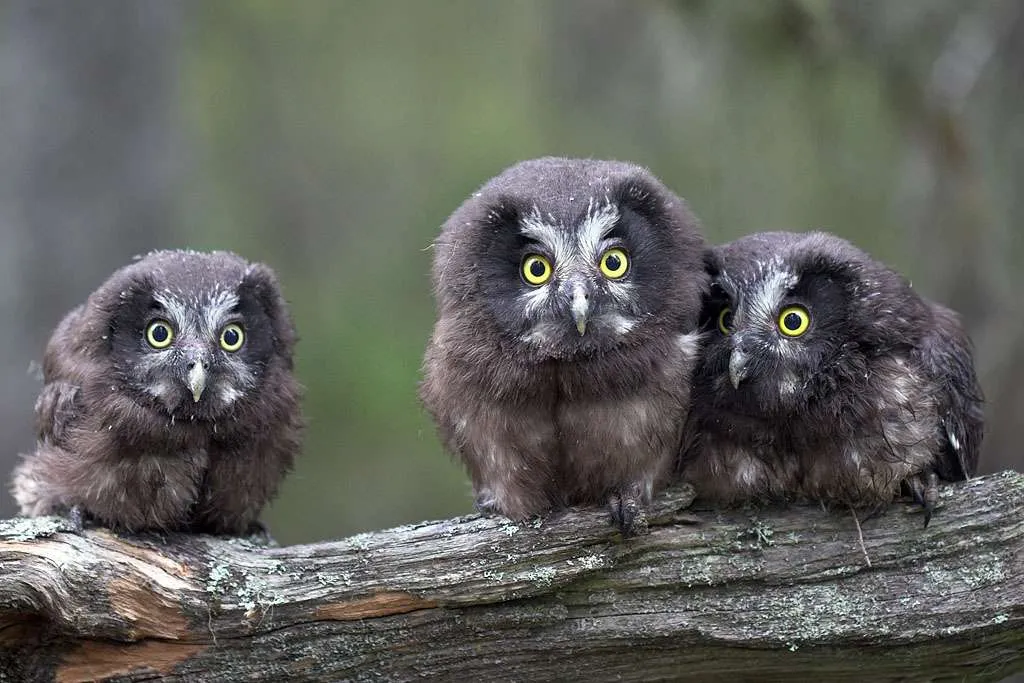
If you find a young owl (owlet) on the ground, do not immediately assume it is abandoned. Owlets often "branch" (leave the nest to explore nearby branches) before they can fly well.
- If the owl looks healthy but is on the ground, the best course is usually to leave it alone; the parents are likely nearby.
- If it is in immediate danger (e.g., in a road), you may be able to gently place it back on a low branch or in a nearby tree crotch, ensuring minimal handling.
2. Respect Their Space
Never disturb a nesting or roosting owl. Human intrusion can cause the adults to abandon a nest or a clutch of eggs. Observe owls from a safe, quiet distance, preferably with binoculars. They are highly sensitive to disturbance during daylight hours.
3. Call Playback and "Hooting"
While you can try to attract an owl by playing a recording of its call (a technique called "call playback"), use it sparingly and ethically. Overuse causes stress by making the owl believe a rival is constantly challenging its territory, wasting its energy.
Creating a habitat for owls is a long-term investment in your property's ecological health. It requires patience and a commitment to maintaining a robust, poison-free ecosystem. The reward—the sight of a silent shadow descending from a branch or the comforting sound of a hooting chorus—is a connection to the wild heart of North America that is truly unparalleled.
