

The Summer 2025 birding season (June 1–July 31) across the American Birding Association’s (ABA) Atlantic Region proved to be an exciting period, marked by a gradual influx of casual visitors and a few truly exceptional rarities. Despite warmer-than-average, drought-like conditions reported in some areas, the region's dedicated birders managed to document a wide array of notable species.
Vagrants and Accidental Visitors
While the season didn't feature a massive movement of southern species, several casual and accidental visitors created local buzz.
Tufted Puffin: Perhaps the most significant sighting was a Tufted Puffin, a species exceptionally rare for the entire region, that appeared at a large seabird breeding colony in St. Pierre et Miquelon. This represents only the second record for the region.
Whistling-Ducks and Wading Birds: The tropical trend continued with multiple sightings of Black-bellied Whistling-Duck. Further south in the region, a Black-necked Stilt in Prince Edward Island provided only the third overall record for the province.

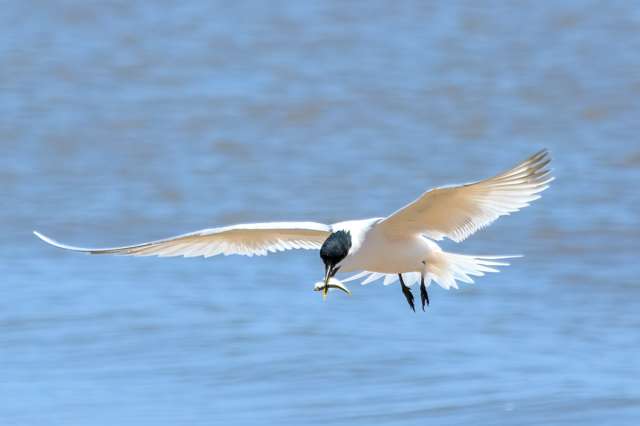
Waders and Gulls: Accidental visitors among the shorebirds and gulls included a Curlew Sandpiper in Newfoundland and Labrador, a Royal Tern in New Brunswick, and a Sandwich Tern also in Newfoundland and Labrador. Notable gull sightings included a Black-headed Gull and a Little Gull in New Brunswick, and multiple Franklin’s Gulls in Nova Scotia.
October's Ornithological Odyssey: Unpacking the U.S. Rare Bird Roundup for 2025
Passerine and Other Highlights
The season also yielded a few unusual records among other avian groups:
Western Kingbird: A sighting of a Western Kingbird was a notable find among the passerines, offering a western flavor to the Atlantic report.

Black-billed Cuckoo: Intriguingly, Black-billed Cuckoos were reported across all areas within the region, with six reported on insular Newfoundland, where they are typically considered a casual summer visitor.
Hummingbirds: Three Ruby-throated Hummingbirds, which are casual visitors to St. Pierre et Miquelon, were documented this season.

Weather and Conservation Context
The summer period was characterized by exceptional temperatures and humidity for much of the region, coupled with a significant reduction in rainfall that led to drought or near-drought conditions. These environmental factors undoubtedly played a role in the movement and distribution of species. While the focus of this report is on sightings, these weather patterns underscore the importance of ongoing conservation efforts as bird populations adapt to changing climate conditions.
