
Arkansas, the "Natural State," is often celebrated for its rugged Ozark and Ouachita Mountains. Yet, its eastern third is dominated by a completely different landscape: the Arkansas Delta. This region is a flat, fertile plain created by the historic flooding of the Mississippi and Arkansas Rivers. While much of the original bottomland hardwood forest was cleared for agriculture—earning the state the unfortunate distinction of having lost more forest cover than any other in the South—the remaining pockets of pristine wilderness are, paradoxically, what make the Delta one of the most compelling birding destinations in the United States.
It is a land of massive rice fields, floodplains, and cypress swamps that serves as a vital artery in the Mississippi Flyway, attracting millions of waterfowl and fostering a rich diversity of resident species.
Waterfowl Heaven: The Central Flyway's Winter Anchor
The combination of the Delta’s geography and its agricultural practices creates a paradise for waterfowl, particularly during the winter months. The region’s numerous managed wetlands, National Wildlife Refuges (NWRs), and seasonally flooded rice fields provide essential feeding and resting grounds.
The two powerhouse locations for waterfowl viewing are the Cache River National Wildlife Refuge and White River National Wildlife Refuge. The White River NWR, one of the oldest in the nation, spans over 160,000 acres of contiguous bottomland hardwood forest—one of the largest remaining tracts of this habitat type. This refuge and its neighbor, the Cache River NWR, are designated as Wetlands of International Importance (Ramsar sites) due to their role in sustaining the migratory populations.
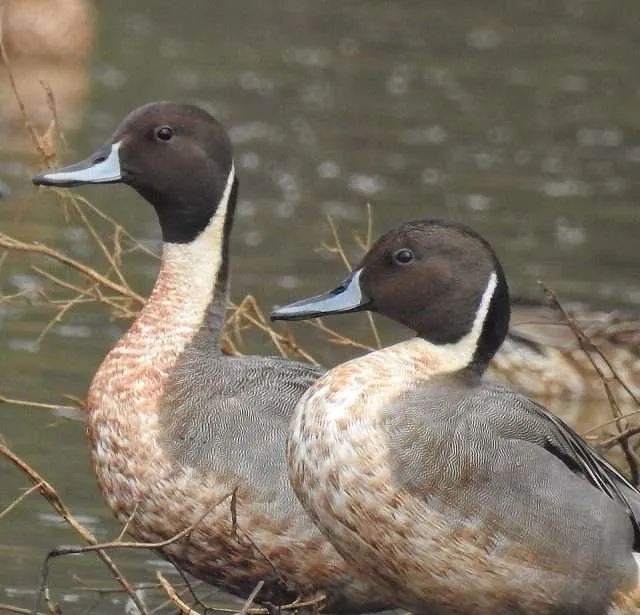
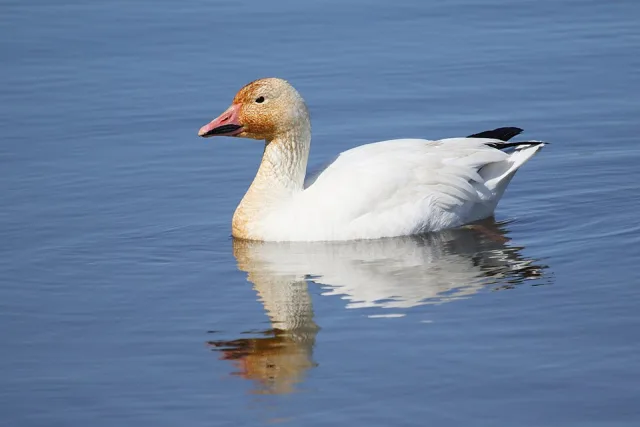
During the peak winter season (November to February), these refuges host immense concentrations of ducks. Birders can expect to see huge flocks of Mallards, Gadwalls, Northern Pintails, and American Wigeons. Snow Geese and Greater White-fronted Geese also gather in breathtaking numbers, darkening the sky during their dawn and dusk flights. The refuges offer auto tours and viewing platforms, providing accessible ways to witness this spectacular density of birdlife. For the serious birder, the flooded timber areas are also key for observing shy species like the Wood Duck and the occasional Hooded Merganser.
The Songbird & Shorebird Sanctuaries
While famous for waterfowl, the Delta’s preserved forests and mudflats offer spectacular opportunities for other types of birds. The protected bottomland hardwood forests are a haven for neotropical migrants in the spring and fall. These forests, dominated by water oaks, swamp white oaks, and various hickories, provide complex foraging layers for warblers, vireos, and tanagers moving north or south.
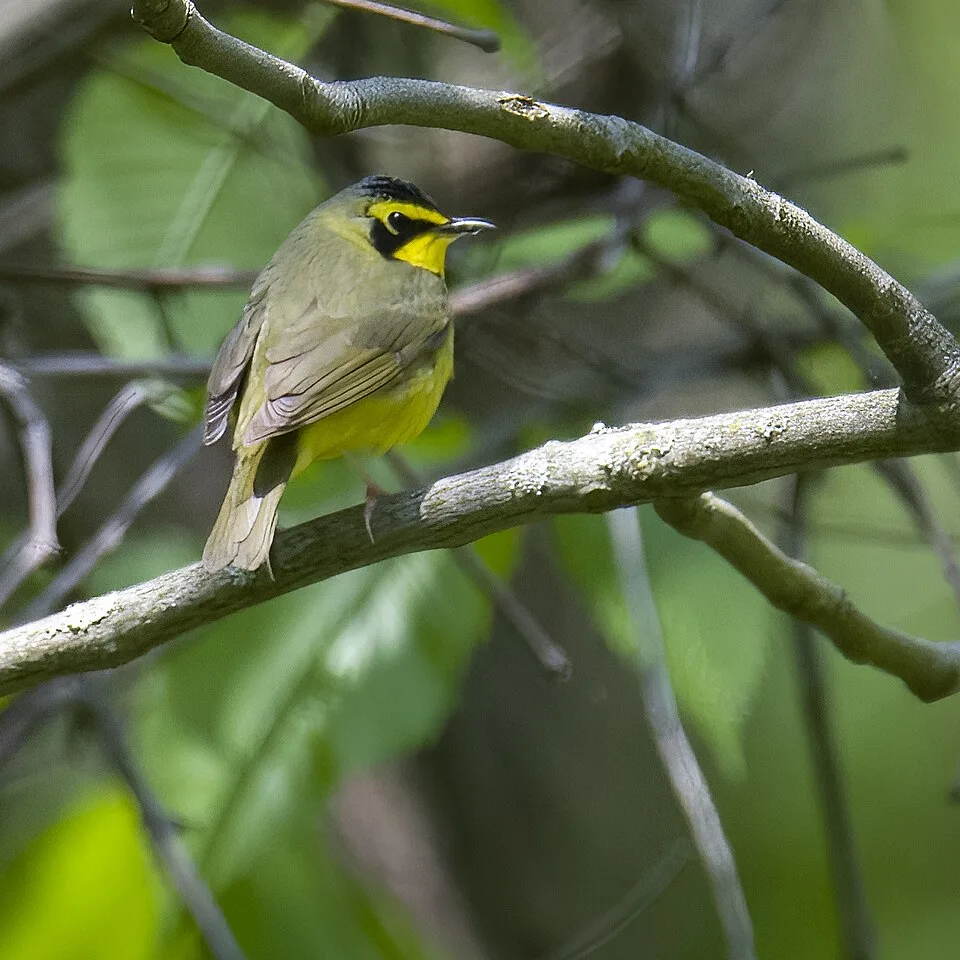
The Village Creek State Park on Crowley’s Ridge—a unique geological formation rising from the flat Delta plain—provides an elevated, drier habitat that attracts a different mix of forest birds. Here, you can find species common to the Appalachian region, such as the Worm-eating Warbler and Kentucky Warbler, alongside more typical southern species like the Prothonotary Warbler, which nests in cavities over the water in the swamps below.

The extensive rice and aquaculture farms also play a crucial role for shorebirds. When these fields are seasonally drained, they create vast, shallow mudflats that attract migrating species like Pectoral Sandpipers, Greater Yellowlegs, and Least Sandpipers. Monitoring these agricultural habitats is essential for tracking the health of the entire flyway.
The Lord God Bird: A Profile of the Elusive Ivory-Billed Woodpecker
The Legend of the Lord God Bird: The Ivory-Billed Woodpecker
No discussion of Arkansas Delta birding is complete without addressing the legend of the Ivory-billed Woodpecker (Campephilus principalis). This species, often called the "Lord God Bird" due to its magnificent size and striking appearance, was declared extinct in the 20th century, largely due to the massive deforestation of its preferred habitat: old-growth bottomland hardwood forests.
However, the Cache River and White River NWRs became the epicenter of intense national interest in 2004 when a team of researchers announced a credible sighting of the bird in the Cache River NWR. This triggered one of the most exhaustive searches in ornithological history, utilizing audio monitoring, motion-sensing cameras, and dozens of experienced field researchers.
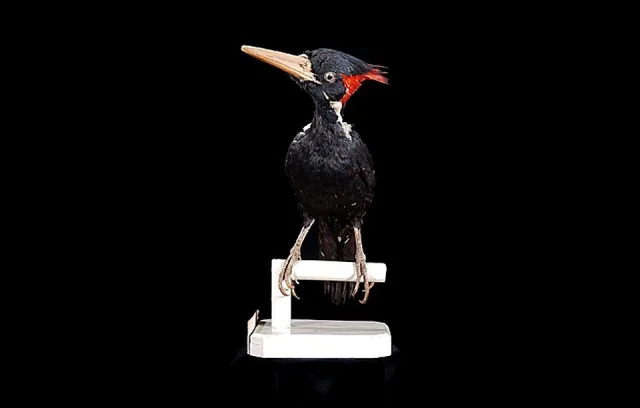
While the scientific community remains divided on the evidence—and the U.S. Fish and Wildlife Service officially declared the species extinct in 2023—the possibility of the Ivory-bill's continued existence transformed the Delta. The search galvanized conservation efforts, dramatically increasing funding and protection for the bottomland forests that remain.
The Legacy of the Search
Even without a confirmed, photographable sighting, the search for the Ivory-bill left a powerful legacy:
Conservation Focus: It drew global attention to the fragility of the bottomland hardwood ecosystem, leading to the acquisition and protection of tens of thousands of additional acres of forest.
Habitat Preservation: The focus shifted to maintaining and restoring the large tracts of old-growth forest, which benefits all species, including Pileated Woodpeckers (often mistaken for the Ivory-bill), Swallow-tailed Kites, and the entire population of migratory waterfowl.
Birding Culture: It cemented the Delta’s reputation as a place of mystery and deep wilderness, inspiring a generation of birders to appreciate the critical importance of these few remaining untouched ecosystems.
Birding Beyond the Delta: Diversity in the Natural State
While the Delta is the state's main birding attraction, Arkansas offers great variety elsewhere.

Ozark Mountains: The mountain regions provide excellent habitat for forest birds like the Black-throated Green Warbler, Cerulean Warbler, and various species of owls and woodpeckers, far different from the Delta species.
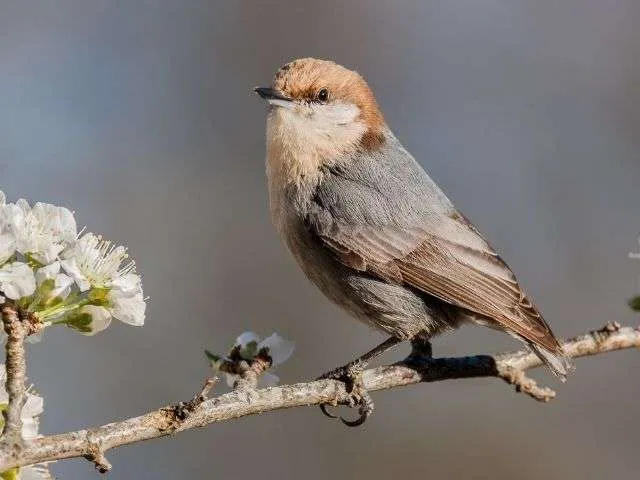
Ouachita Mountains: These mountains are home to species like the Brown-headed Nuthatch and the federally protected Red-cockaded Woodpecker in its managed pine forests.
Urban Birding: Even central Arkansas, around Little Rock, offers excellent birding along the Arkansas River corridor and in parks that act as urban green spaces for migrants.
In conclusion, Arkansas birding is defined by its contrasts—the vast, watery landscape of the Delta where millions of ducks settle for the winter, and the deep, silent swamps where the phantom of the Ivory-billed Woodpecker still lingers. It is a region of essential ecological importance, offering the bird enthusiast both spectacular seasonal abundance and the powerful, enduring thrill of searching for one of ornithology's greatest mysteries.
