
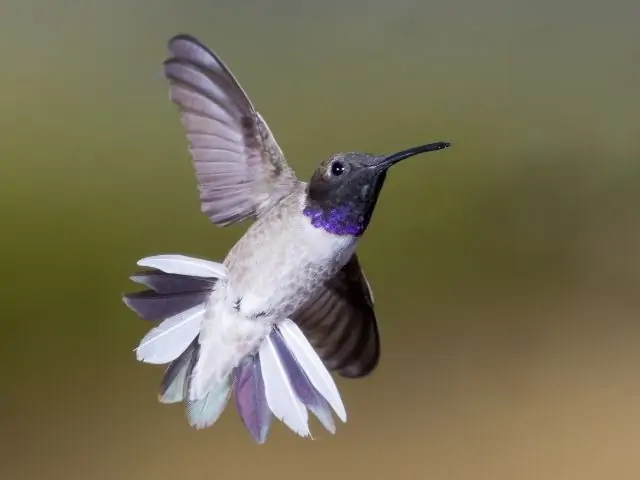
Arizona, the land of the Saguaro and the rugged Sky Islands, holds a secret: it is the Hummingbird Capital of the United States. While the entire country boasts around 20 species, Arizona is a transient home or permanent residence to an astonishing number of them—historically, up to 18 species have been recorded, with over a dozen appearing regularly each year. This remarkable diversity is fueled by the state’s complex geography, which provides a tapestry of habitats, from the scorching Sonoran desert floor to the lush, cool canyons of the isolated mountain ranges.
For the dedicated birder or the casual nature lover, encountering these iridescent jewels is one of Arizona's most rewarding experiences.
The Annual Migration and Timing the Spectacle
Hummingbird activity in Arizona is not static; it is a seasonal performance dictated by migratory patterns, peaking in two distinct windows.

- Spring/Summer Breeding (March – September): This is when the majority of species arrive from Mexico to breed in Arizona’s canyons and riparian areas. The deserts bloom, and the mountain flowers provide a rich, continuous nectar source.
- Late Summer/Fall Migration (July – October): Often cited as the peak of hummingbird diversity, this period sees the arrival of transient Rufous Hummingbirds from their breeding grounds in the Pacific Northwest, mixing with post-breeding residents and rare Mexican vagrants drawn by the bounty of late-season blooms and feeders.
Crucially, Anna’s Hummingbirds and some Broad-billed Hummingbirds are year-round residents in the southern part of the state, ensuring that the feeders are never truly quiet.
The Magnificent Seven: Arizona’s Regular Hummingbirds
Seven species form the core of Arizona’s hummingbird population, often dominating backyard feeders and natural flower gardens.
1. The Desert Specialist: Costa's Hummingbird (Calypte costae)
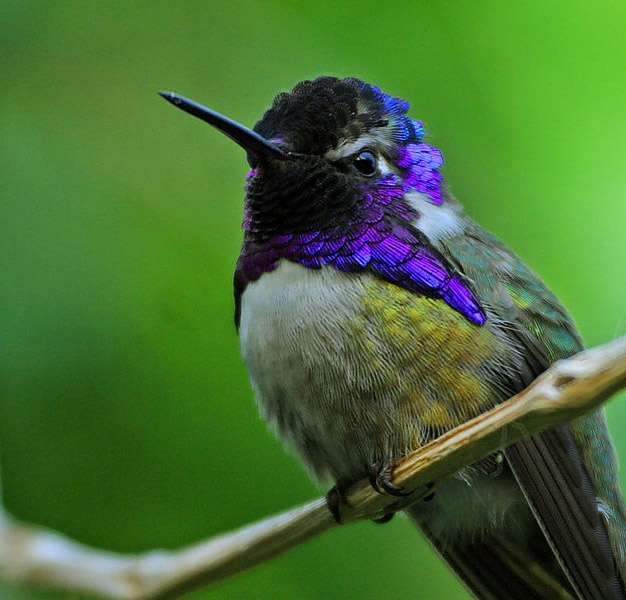
A true desert dweller, the male Costa’s is easily identified by its spectacular purple gorget (throat patch) that flares out like a handlebar mustache and crown. They favor the dry, arid washes of the Sonoran and Mojave Deserts, often nesting in plants like Ocotillo and Chuparosa. Their breeding season is early, often starting in January and peaking in the cooler spring months.
2. The Year-Round Resident: Anna's Hummingbird (Calypte anna)

Once considered a coastal species, the Anna’s has adapted well to Arizona’s urban and suburban environments and is the most widespread year-round resident in the southern and central parts of the state. The male’s brilliant rose-pink gorget and crown make it instantly recognizable, especially during its dramatic, high-speed courtship dive.
3. The Adaptable Breeder: Black-chinned Hummingbird (Archilochus alexandri)

A common summer resident and breeder, the Black-chinned is highly adaptable, found in a wide range of habitats from desert scrub to riparian cottonwood forests. The male has a black throat with a narrow, iridescent violet band below it—a beautiful flash of color often missed unless the light is just right.
4. The Triller: Broad-tailed Hummingbird (Selasphorus platycercus)

Found in the higher-elevation Sky Islands and montane forests, the male Broad-tailed is known for the loud, metallic, cricket-like trill produced by its wing feathers during flight—an unmistakable sound of the mountain canyons. They are common summer breeders in the oak and pine woodlands.
5. The Fiery Migrant: Rufous Hummingbird (Selasphorus rufus)

Perhaps the feistiest of all hummingbirds, the Rufous is famous for its epic migration from Mexico to the Pacific Northwest and Alaska. Arizona sees this copper-colored powerhouse primarily during its late-summer and fall southbound migration, where it aggressively defends prime feeding spots to fuel its long journey.
6. The Green Signature: Broad-billed Hummingbird (Cynanthus latirostris)
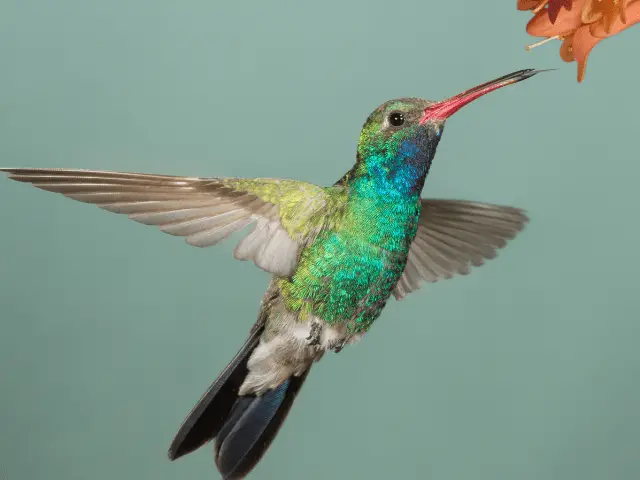
With a metallic green body and a striking, coral-red bill tipped in black, the Broad-billed is a signature species of the riparian corridors in southeastern Arizona. While some overwinter, they are most common during the breeding season, often seen nesting low over water in willows or sycamores.
7. The North American Miniature: Calliope Hummingbird (Selasphorus calliope)

The smallest bird in North America, the Calliope is a spring and fall migrant through Arizona, primarily using the higher mountain passes. The male's gorget features striking, elongated magenta streaks that stand out like individual rays of light, making it a highly sought-after but quick-moving traveler.
The Rarest Jewels: Arizona's Specialty Hummingbirds
Southeastern Arizona’s isolated "sky island" mountains—the Huachucas, Chiricahuas, and Santa Ritas—act as ecological magnets, drawing in species rarely or never seen elsewhere in the U.S. These are the true prizes for the dedicated birder:
- Rivoli's Hummingbird (Eugenes fulgens): Formerly known as the Magnificent Hummingbird, this is the largest of Arizona’s hummingbirds. The male is a striking study in contrasts, featuring a velvety black body, an emerald-green gorget, and a violet crown, found in the cool, shaded mountain canyons.

- Blue-throated Mountain-gem (Lampornis clemenciae): Another large species, the male boasts a sapphire-blue gorget and prominent white stripes above and below the eye. They are denizens of the deep, moist canyons near permanent streams, often found at high-elevation feeders.
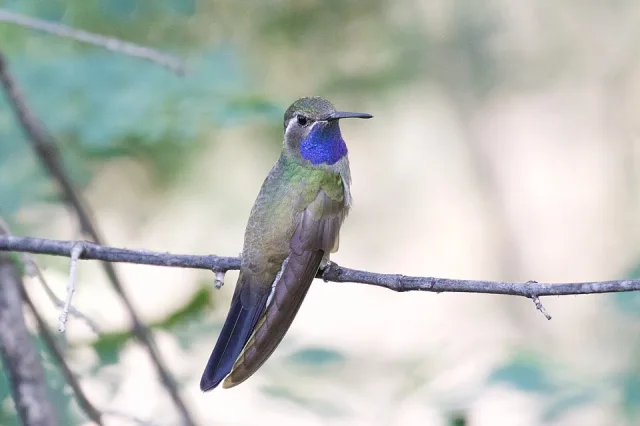
- Violet-crowned Hummingbird (Leucolia violiceps): A stunning, white-bellied species with an iridescent violet-blue crown and a bright red bill, the Violet-crowned is a highly localized breeder. The riparian areas around Patagonia are considered the most reliable locations for this bird in the United States.
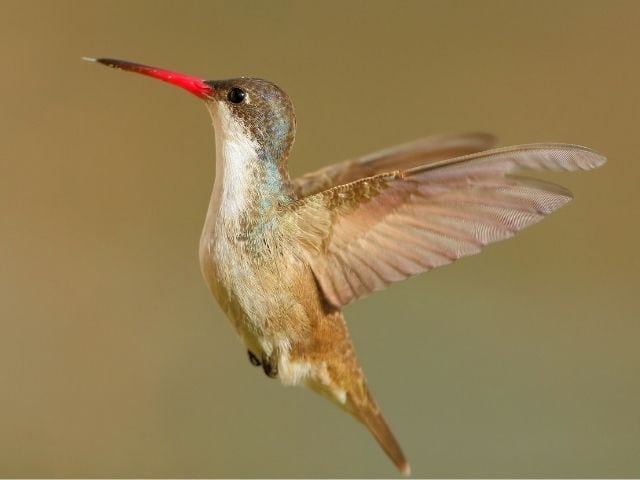
- Lucifer Hummingbird (Calothorax lucifer): A rare and localized specialty with a deeply curved bill and an elongated, magenta gorget. Its preference for desert canyons makes it one of the most challenging and exciting finds, primarily seen in the Huachuca Mountains.

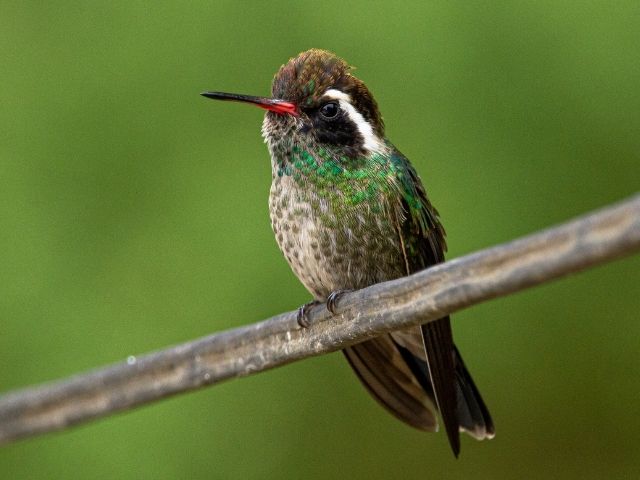
- White-eared Hummingbird (Basilinna leucotis): A scarce summer visitor from Mexico, this is an irregular but highly anticipated guest. Its bold, white facial stripe gives it a masked appearance, making it easily distinguishable.
Where to Find Hummingbird Heaven
To maximize your chances of seeing this astounding diversity, focus on the "Hummingbird Hotspots" of Southeastern Arizona:
| Location | Description | Key Species |
| Madera Canyon | Located in the Santa Rita Mountains, famous for the feeders at Santa Rita Lodge and local B&Bs, which attract great diversity. | Rivoli's, Blue-throated Mountain-gem, Broad-billed. |
| Ramsey Canyon Preserve | A Nature Conservancy preserve in the Huachuca Mountains, known as the "Hummingbird Capital" for its cool, wet canyon habitat. | White-eared (irregular), Blue-throated Mountain-gem, Broad-billed. |
| Paton Center for Hummingbirds | A world-famous backyard sanctuary in Patagonia, maintained by the Tucson Audubon Society. | Violet-crowned Hummingbird (most reliable spot), Broad-billed, Anna's. |
| Ash Canyon Bird Sanctuary | Located in the Huachuca foothills, this sanctuary's feeders are a prime spot for specialty species. | Lucifer Hummingbird, White-eared (irregular), Plain-capped Starthroat (rare vagrant). |
Arizona is more than a desert; it is a vital, floral-rich corridor on the migratory path of some of the world's most beautiful avifauna. These tiny, tireless travelers offer a fleeting glimpse of iridescent color and unmatched energy, making the Arizona sky islands a jewel box that every bird lover should open.
