

Arizona. The name conjures images of towering Saguaro cactus, sun-blasted rock, and vast, shimmering heat. It may seem an unlikely place for an avian spectacle, but this rugged, arid landscape—particularly the Sonoran Desert—is a world-renowned birding destination. The surprising biodiversity is a testament to the desert's complex habitats, which range from scorching lowlands to life-giving riparian corridors and the cool, isolated "sky island" mountains of the southeast.
The state hosts over 500 bird species, many of which are specialty species found nowhere else in the United States. For the dedicated birder, Arizona is not just a destination; it's a pilgrimage.
The Desert Icons: Architects of Survival
The most famous birds of the Arizona desert are masters of adaptation, having evolved unique strategies to thrive in the heat and scarcity of the arid environment.
The Roadrunner and the Quail
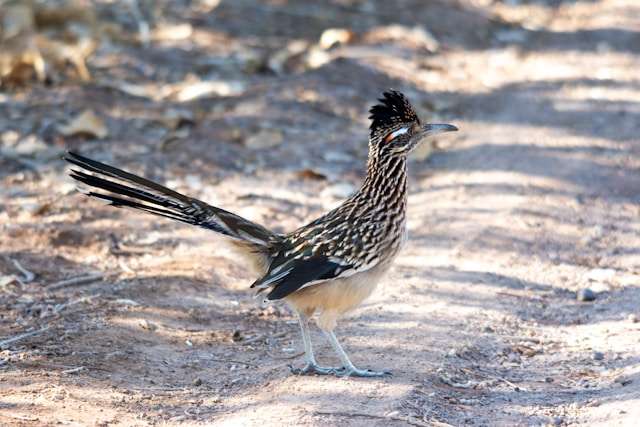
No bird is more iconic of the American Southwest than the Greater Roadrunner (Geococcyx californianus). This large, shaggy member of the cuckoo family rarely flies, preferring to race across the ground at speeds up to 15 mph. It is an opportunistic predator, taking insects, scorpions, lizards, and even small rattlesnakes, which it dispatches by repeatedly slamming them against a rock. Its ability to enter a state of torpor on cold nights and its specialized gland for excreting excess salt help it conserve water, a true desert survivalist.

Sharing the desert floor is the Gambel's Quail (Callipepla gambelii). Instantly recognizable by the male's black, comma-shaped topknot, these plump, social birds move in coveys. They are typically found near cover, such as dense shrubs or cactus thickets, and are a common sight in desert parks and even urban backyards, foraging for seeds, fruit, and insects.
The Cactus Dwellers: Woodpeckers and Wrens

The mighty Saguaro cactus is the single most important structure in the Sonoran Desert ecosystem. It is an apartment building for birds, and the Gila Woodpecker (Melanerpes uropygialis) is its primary architect. The Gila Woodpecker excavates nest cavities between the outer skin and the woody ribs of the cactus. When the woodpeckers abandon these holes, they become vital nesting sites for secondary cavity nesters, most notably the tiny, nocturnal Elf Owl—the world’s smallest owl.

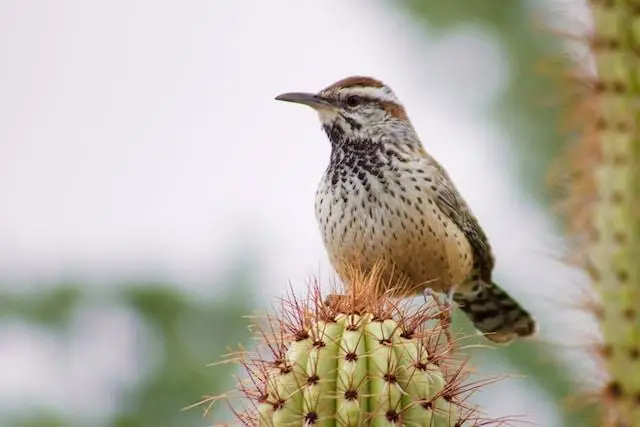
The Cactus Wren (Campylorhynchus brunneicapillus) is the largest wren in the U.S. and the official state bird of Arizona. It builds large, conspicuous football-shaped nests in the safety of spiny cholla or prickly pear cactus. Bold and noisy, its loud, monotonous, chugging call is the quintessential sound of the Sonoran Desert.
The Colorful Gems: Phainopepla and Pyrrhuloxia
Two striking songbirds add splashes of color to the monochromatic desert scrub:
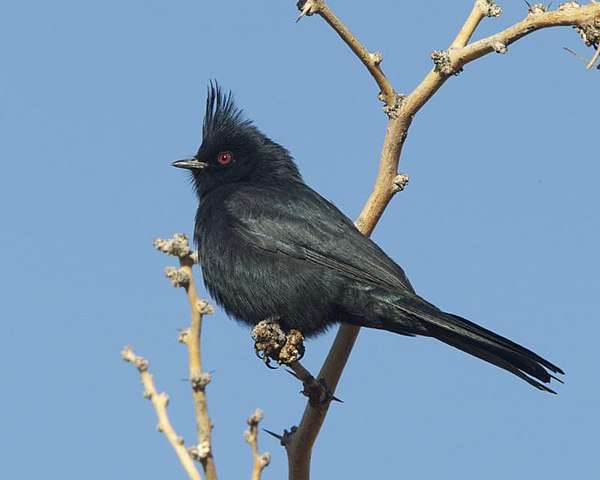
- Phainopepla (Phainopepla nitens): The glossy, crested black male is often mistaken for a black cardinal. Its survival is tied almost entirely to the desert mistletoe, whose berries form the bulk of its diet. The Phainopepla plays a critical ecological role, as it disperses the sticky seeds of the mistletoe to new host plants via its digestive system.
- Pyrrhuloxia (Cardinalis sinuatus): A close relative of the Northern Cardinal, the male Pyrrhuloxia is a soft gray with rosy-red highlights on its face, chest, and crest, and is distinguished by a thick, yellowish, parrot-like bill. It's often found in dense mesquite and thorny scrub.
Top Birding Hotspots: Where to Find the Action
While desert birds can be seen virtually anywhere in the Sonoran lowlands (even in metro Phoenix parks), the true birding adventure lies in Arizona's unique geographical areas.
1. Southeastern Arizona's "Sky Islands"
The mountain ranges of southeastern Arizona—the Chiricahuas, Huachucas, and Santa Ritas—are ecological "sky islands." These cooler, wetter mountains rise abruptly from the surrounding hot desert, creating distinct habitat zones from desert scrub to pine-fir forests. This isolation and elevation change attract an astonishing diversity of species, including many Mexican specialties that creep just across the border.
- Chiricahua Mountains (Cave Creek Canyon): A global birding mecca, this area is the most reliable place in the U.S. to find the stunning, iridescent Elegant Trogon and numerous Mexican rarities like the Mexican Jay and Sulphur-bellied Flycatcher.
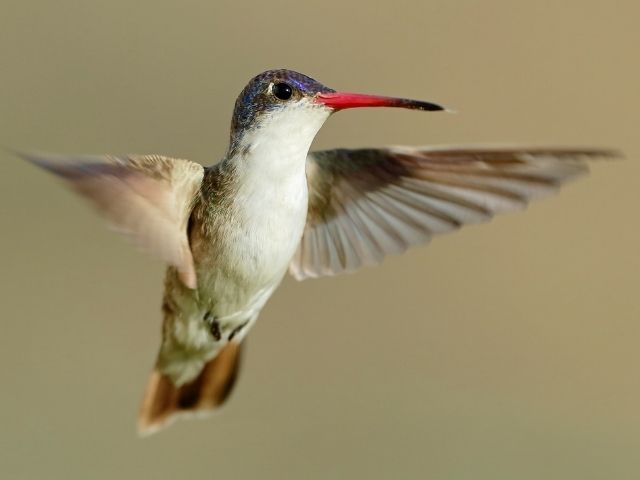
- Santa Rita Mountains (Madera Canyon): Famous for its year-round feeding stations that attract the largest diversity of hummingbirds in the state, including Violet-crowned, Broad-billed, and the giant Rivoli's Hummingbird. Hikers also seek the Arizona Woodpecker and Greater Pewee.

2. Riparian Oases: The Green Lifelines
The ribbon of green along the state's rivers and creeks, known as riparian areas, acts as a migratory highway and a breeding haven in the desert.
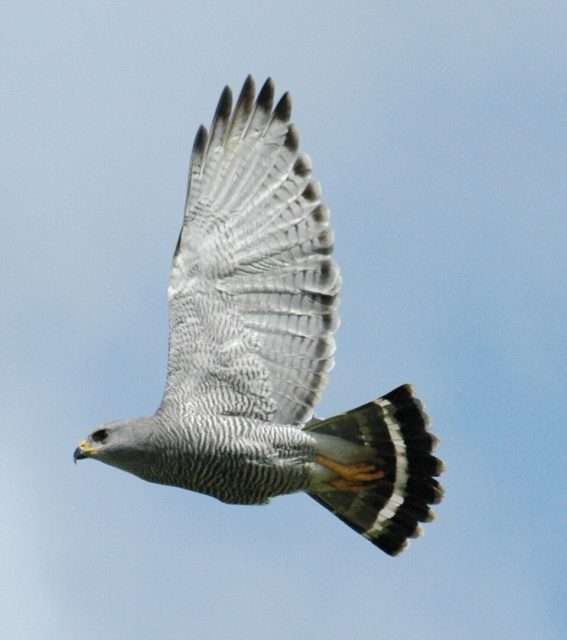
- San Pedro Riparian National Conservation Area (San Pedro River): This north-flowing river corridor is an Audubon-designated Important Bird Area (IBA). It is a vital stopover for hundreds of species of migrants and a breeding ground for birds like the colorful Vermilion Flycatcher and the scarce Gray Hawk and Green Kingfisher.
- Patagonia-Sonoita Creek Preserve: A world-famous oasis near the Mexican border, this area is essential for rarities and holds the largest concentration of breeding Violet-crowned Hummingbirds in the U.S.
3. Sonoran Desert Lowlands
For seeing the core desert species like the Roadrunner and the Cactus Wren, the open Sonoran Desert is the place to be.
- Saguaro National Park (Tucson): Offers easy driving and hiking access to prime Saguaro forest habitat, perfect for spotting the Gila Woodpecker, Gilded Flicker, and Elf Owl (at dusk).

- Arizona-Sonora Desert Museum: Not just a museum, this world-class facility is a living zoo that features local desert flora and fauna in their natural setting, including walk-through aviaries and excellent exhibits on desert birds.
Timing Your Trip: The Seasons of Avian Activity
Arizona offers excellent birding year-round, but your preferred quarry determines the best time to visit:
- Spring (March–May): The Migratory Burst. This is the peak season. The weather is moderate, and Neotropical migrants—including specialty warblers, flycatchers, and the Elegant Trogon—return from Mexico to breed in the Sky Islands.
- Summer (June–August): The Hummingbird Rush. While the low deserts are dangerously hot, the high-elevation Sky Islands are alive. The Monsoon season (July-August) triggers new growth and a spike in insect life, leading to the highest diversity of Hummingbirds and specialized breeding sparrows like the Five-striped Sparrow in the southeastern grasslands.
- Fall/Winter (September–February): Raptor and Waterfowl. Cooler temperatures bring a huge influx of wintering birds from the north, including various sparrows, raptors like the Northern Harrier, and huge concentrations of Sandhill Cranes at places like Whitewater Draw Wildlife Area (October–March).
Whether you seek the elusive, tiny Elf Owl or the common, loud call of the Curve-billed Thrasher, Arizona’s diverse desert landscapes promise a birding adventure unmatched in North America.
