
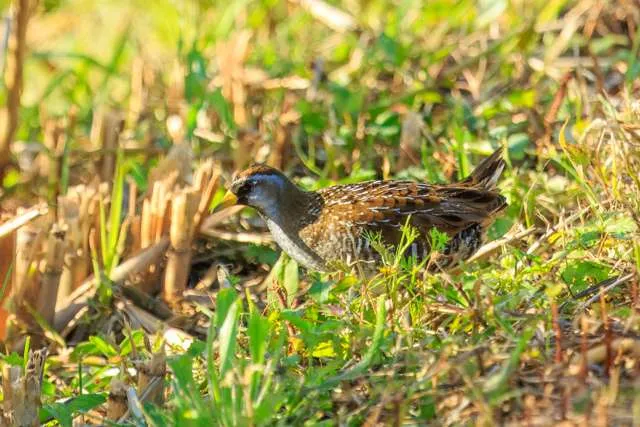
Arizona is a true birder's paradise, offering an unparalleled diversity of habitats that attract an astonishing variety of avian life. Far from just a desert landscape, the state's unique geography—from the riparian corridors of the Sonoran Desert to the high-elevation "sky islands" and lush pine forests—creates a meeting point for species from Mexico, the Rocky Mountains, and the desert southwest. This rich tapestry of ecosystems makes Arizona a premier destination for both casual observers and serious enthusiasts. Whether you're hoping to spot a charismatic Elegant Trogon, a vibrant Vermilion Flycatcher, or the iconic Cactus Wren, Arizona provides a one-of-a-kind birdwatching experience.
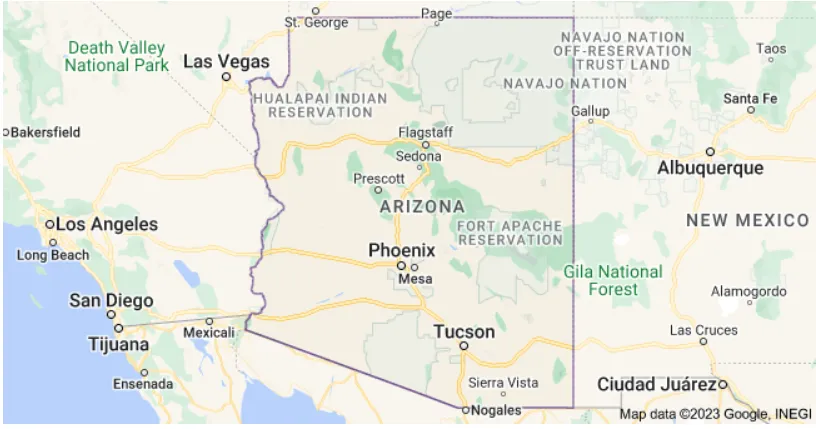
Patagonia Lake State Park
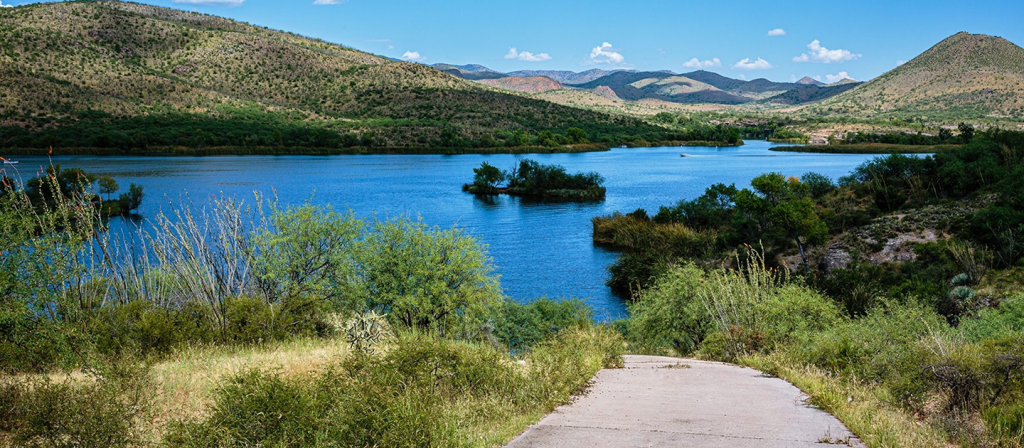
Patagonia Lake State Park, located in the rolling hills of southeastern Arizona, is a remarkable birding destination that beautifully blends two distinct ecosystems: the high desert and a vibrant riparian corridor. The park's main feature is a 265-acre, man-made reservoir that was created by damming Sonoita Creek.
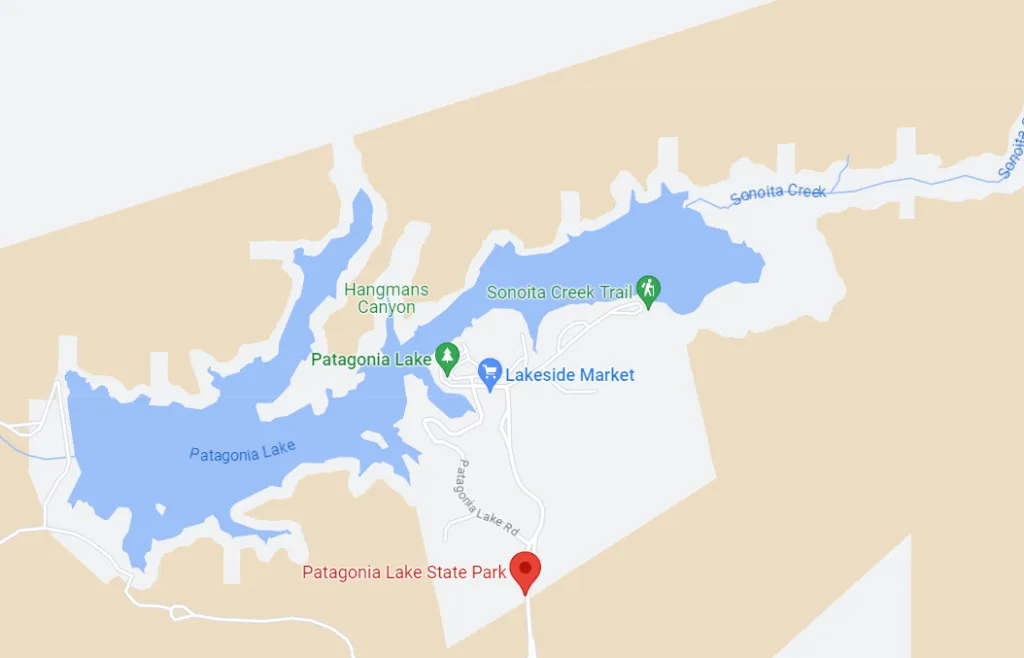
This unique geography provides an essential oasis in a semi-arid region, attracting a wide variety of wildlife. The park itself is nestled within a landscape of mesquite thickets, desert scrub, and grasslands, which transitions to lush streamside habitats with cottonwood, willow, and sycamore trees along Sonoita Creek. This diverse mix of habitats ensures that the park is a magnet for a broad range of bird species throughout the year.
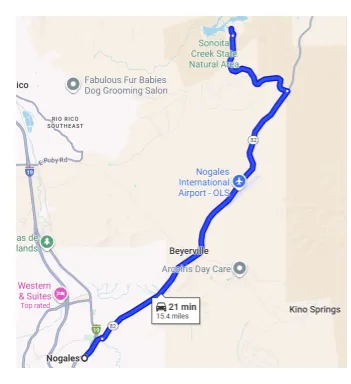
The birdwatching possibilities at Patagonia Lake State Park are exceptional, drawing birders from all over the country. The park is a designated Important Bird Area, with over 300 species documented in the surrounding region. The lake itself is a prime spot for waterfowl and shorebirds, particularly during the winter months, when you can find species like Bufflehead, Northern Pintail, and a variety of gulls and grebes. The most exciting opportunities, however, lie in the park's riparian areas and adjacent Sonoita Creek State Natural Area.
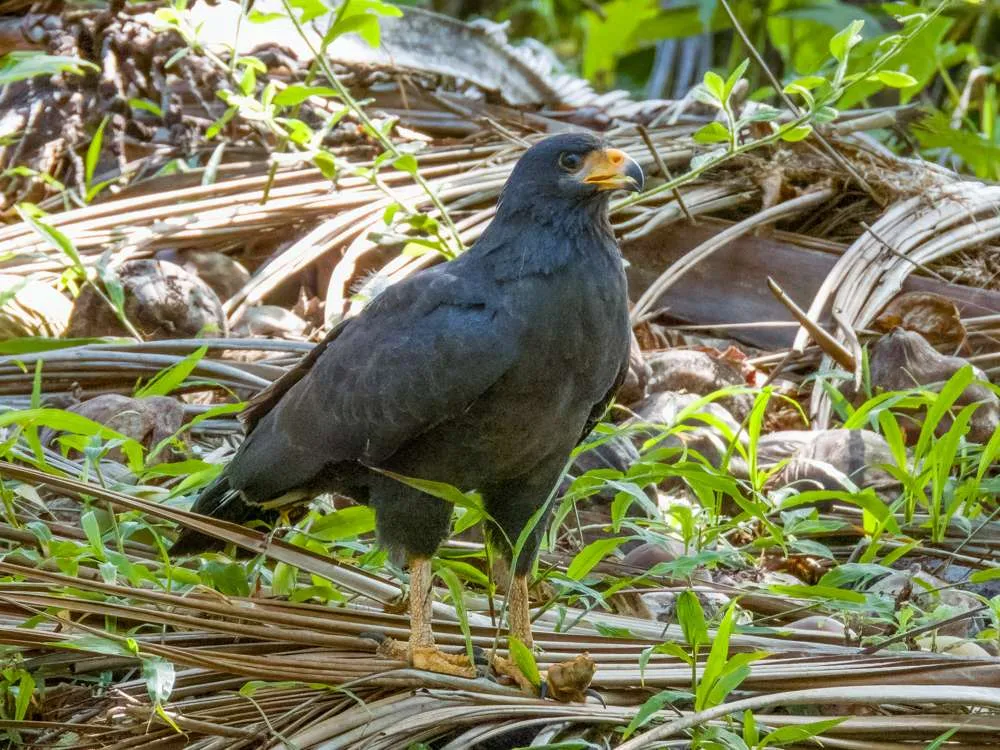
Here, birders can search for specialty species that are rare elsewhere in the U.S., such as the charismatic Elegant Trogon, Gray Hawk, and Common Black Hawk. The park's trails, especially the birding trail that follows Sonoita Creek, offer a chance to spot other regional favorites like the Vermilion Flycatcher, Inca Dove, and several species of hummingbirds, making it a must-visit location for any serious birder.
Target Birds
Black-bellied Whistling Duck
Mexican Duck
Greater Roadrunner
Black-chinned and Broad-billed Hummingbird
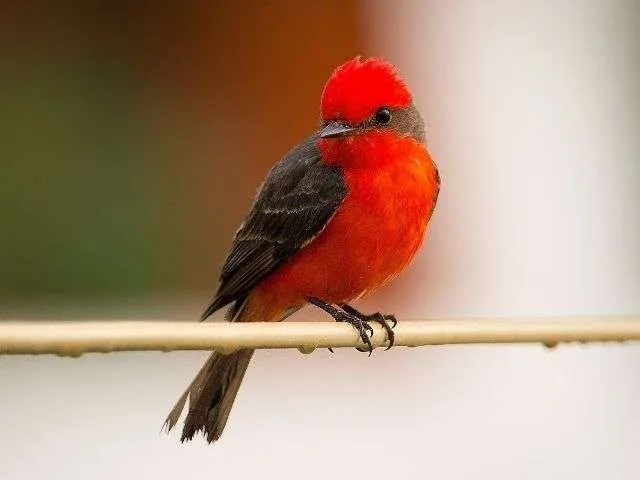
Vermilion Flycatcher
Grey Hawk
Dusky-capped Flycatcher
The Arizona State Parks website has lots of information for visitors from camping to boating and of course, birding.
Boyce Thompson Arboretum State Park
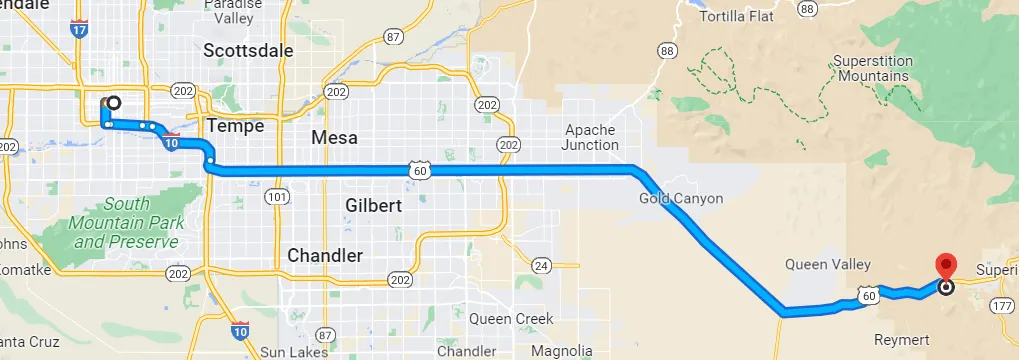
Located approximately an hour's drive east of Phoenix, near the town of Superior, Boyce Thompson Arboretum State Park is a unique blend of managed botanical gardens and natural Sonoran Desert. The park's geography is defined by the dramatic backdrop of Picketpost Mountain and the riparian corridor of Queen Creek, which runs through the property.
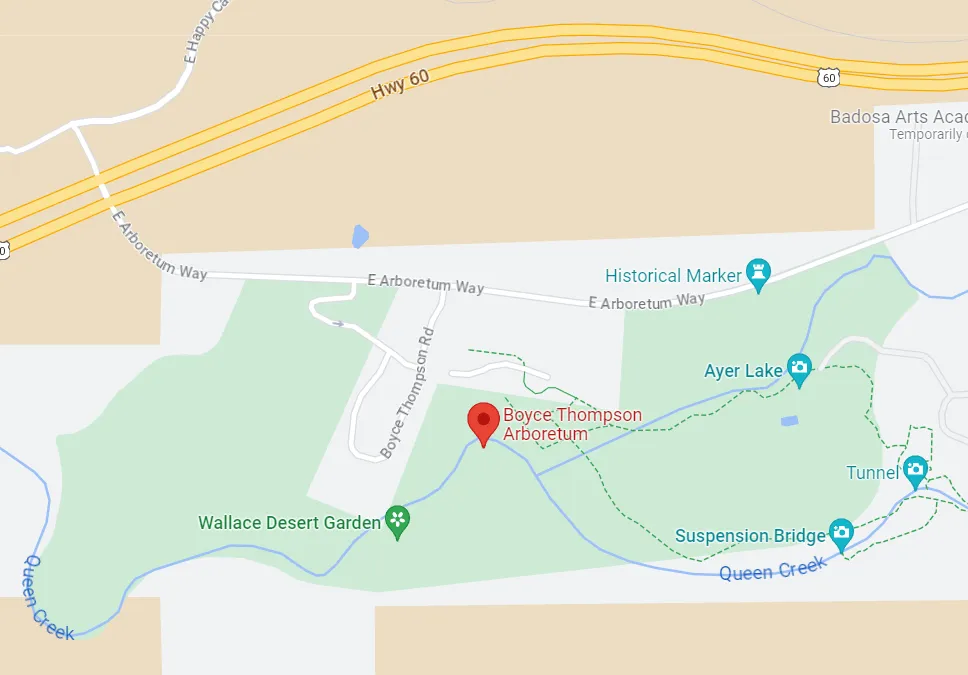
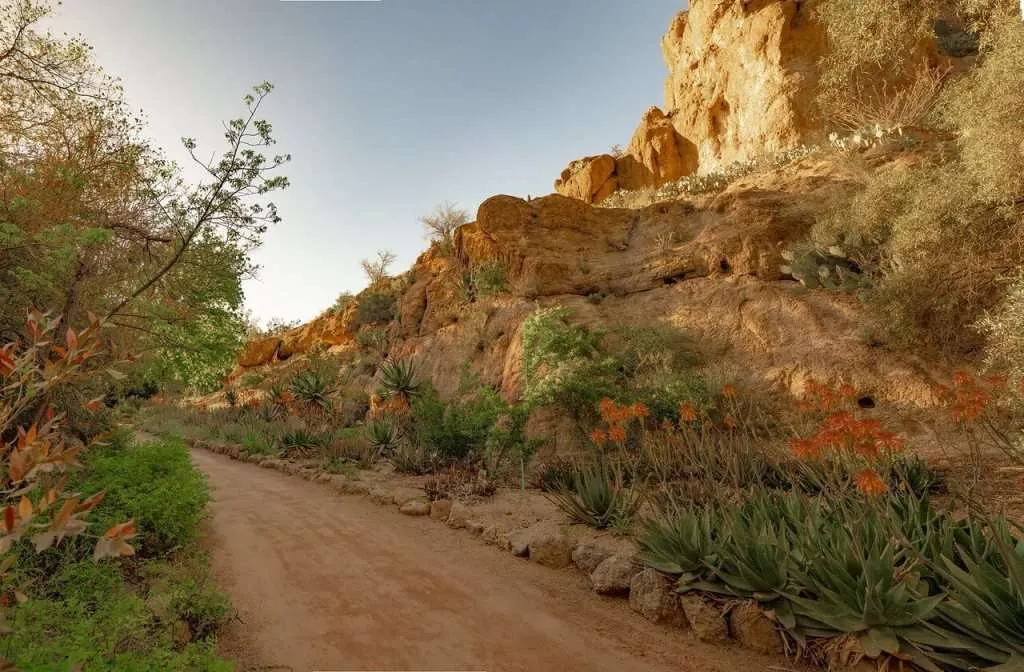
This convergence of a desert upland, a streamside forest, and a diverse collection of arid-land plants from around the world creates an oasis in the otherwise rugged, dry landscape. The park's well-maintained trails wind through distinct habitats, from cactus gardens and eucalyptus groves to native mesquite bosques, providing a variety of environments within a relatively small area.
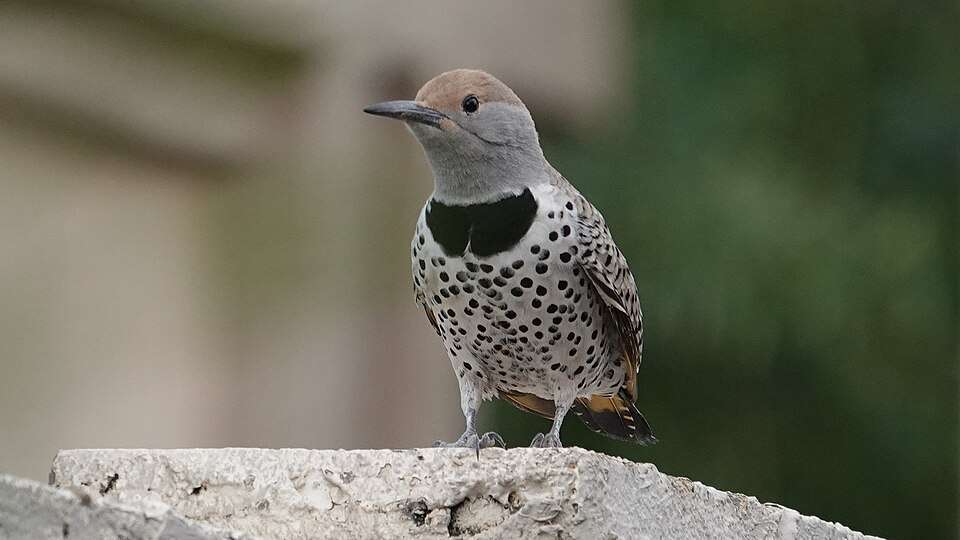
This unique geographical positioning and varied habitat make Boyce Thompson Arboretum a phenomenal birdwatching destination, recognized as an Important Bird Area by the National Audubon Society. The park is a magnet for both resident and migratory birds, with over 275 species having been sighted here. Birding possibilities change with the seasons, but highlights include the resident desert specialists like the Gilded Flicker, Cactus Wren, and Curve-billed Thrasher.
During migration, the arboretum becomes a vital stopover, attracting a remarkable number of warblers, flycatchers, and sparrows. The riparian areas along Queen Creek are especially productive, offering sightings of species like the Common Black-Hawk, while the extensive hummingbird and butterfly gardens are perfect for spotting multiple hummingbird species, including the Broad-billed and Anna's. The park also hosts guided bird walks, making it an excellent location for both seasoned birders and those new to the hobby.
Target Birds
Gambel's Quail
White-winged Dove
Gila Woodpecker
Verdin
Cactus Wren
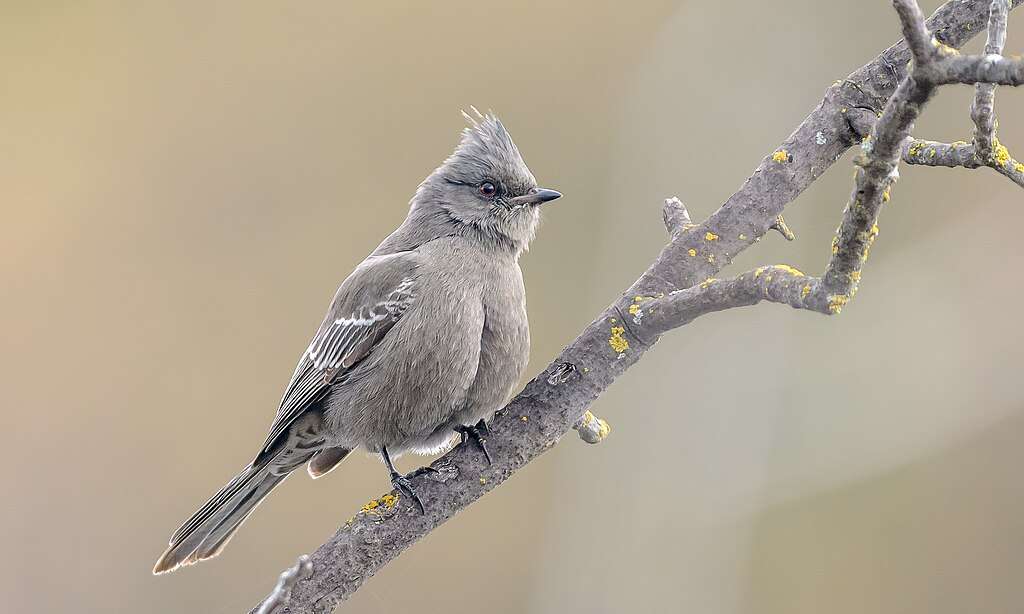
Phainopepla
The Bryce Thompson Arboretum has a dedicated website with extensive information about the history of the area and current programs.
Fountain Hills Park
Fountain Hills, Arizona, presents a unique birdwatching locale where the Sonoran Desert meets a surprising urban oasis. Located on the northeastern edge of the Phoenix metropolitan area, the town is nestled between the rugged McDowell Mountains to the west and the Verde River valley to the east.
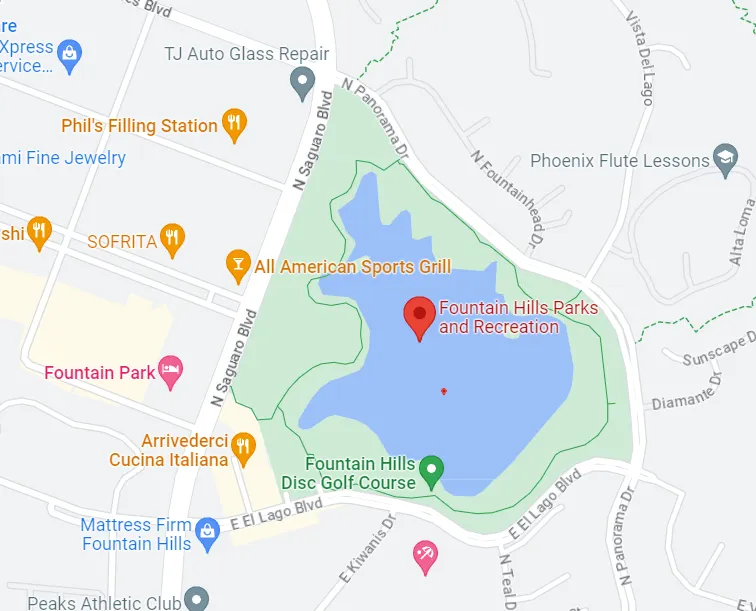
The centerpiece of this community is the man-made, 28-acre Fountain Lake and the surrounding Fountain Park, a landscape that attracts a diverse range of birds not typically found in the arid desert. The geography here, a blend of planned urban development, native desert, and a substantial body of water, creates a valuable and accessible habitat for both resident and migratory species.

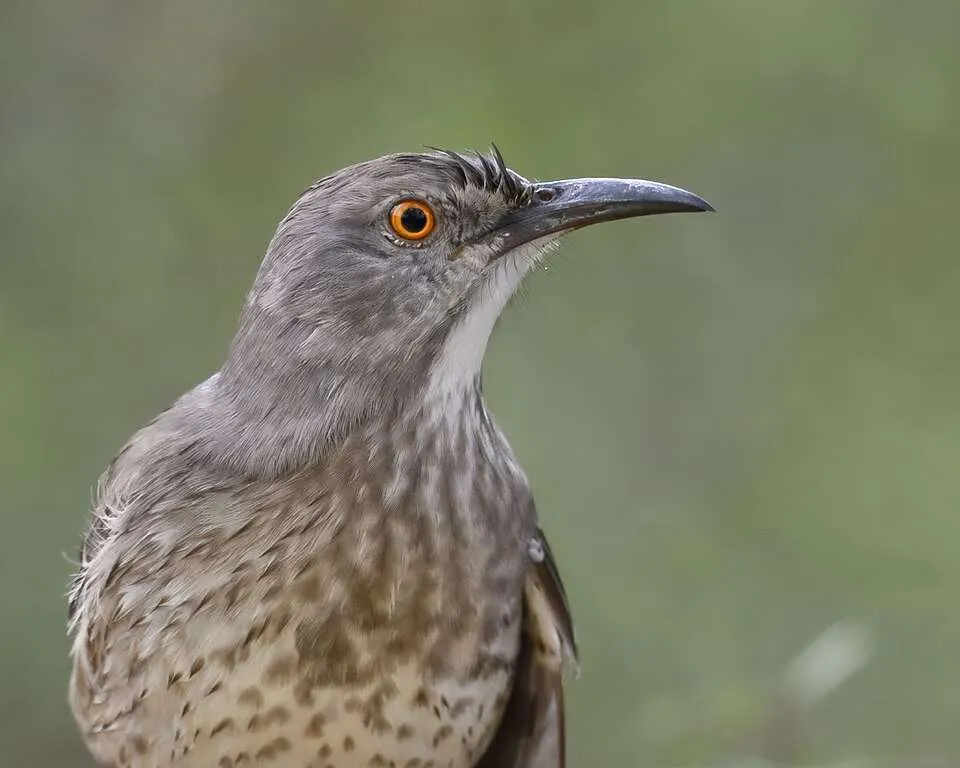
The birding possibilities at Fountain Hills Park are exceptional due to this confluence of habitats. The lake itself is a magnet for water-loving birds, especially during the late fall and winter when the area becomes a critical stopover for waterfowl. Visitors can expect to see a variety of ducks, grebes, cormorants, and herons. The surrounding park's trees and grassy areas provide a different kind of habitat, attracting classic Sonoran Desert species such as the charismatic Cactus Wren, Gila Woodpecker, and Curve-billed Thrasher.

Even more exciting, Fountain Hills is known for occasional sightings of majestic raptors like Bald Eagles and Harris's Hawks, which are drawn to the park's ample prey and open spaces. With over 150 species reported at this eBird hotspot, Fountain Hills offers an accessible and productive birdwatching experience for everyone from the casual observer to the dedicated birder.
Target Birds
White-winged Dove
Neotropic Cormorant
Curve-billed Thrasher
Blue Grosbeak
Bronzed Cowbird
Ruddy Duck
Rufous Hummingbird

The Fountain Hills Lake website has family friendly activity information but it also has trail maps.
Desert Botanical Gardens
Located in Phoenix's Papago Park, the Desert Botanical Garden is an unexpected urban oasis for birdwatchers. The garden's geography is defined by the unique red sandstone buttes of Papago Park, providing a dramatic backdrop to a meticulously curated collection of arid plants.
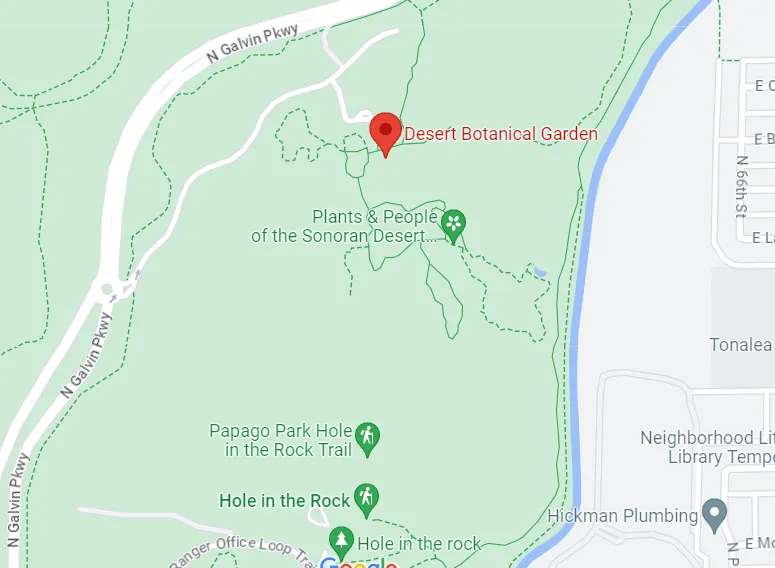
Spanning 140 acres, with 55 under cultivation, the garden's five thematic trails showcase diverse desert habitats from around the world, including the local Sonoran Desert. This unique location—nestled within a major city but surrounded by the natural desert—creates a crucial corridor for both resident and migratory birds, offering a safe and predictable haven amid the sprawling urban landscape.
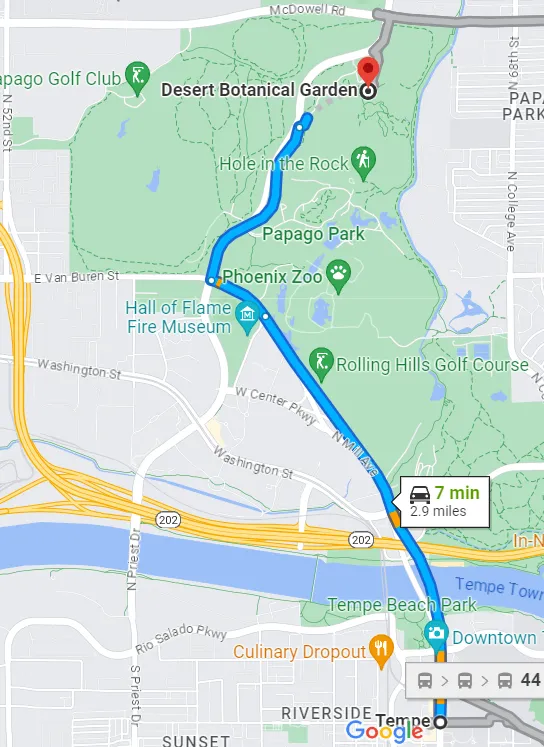
The Desert Botanical Garden's birdwatching possibilities are excellent, largely due to its concentrated and varied habitats. The different trails, which include a mesquite bosque, a riparian area with a pond, and a wildflower trail, attract a wide array of species. Visitors can easily spot iconic Sonoran Desert birds like the Gila Woodpecker, Cactus Wren, and Gambel's Quail, often at very close distances.
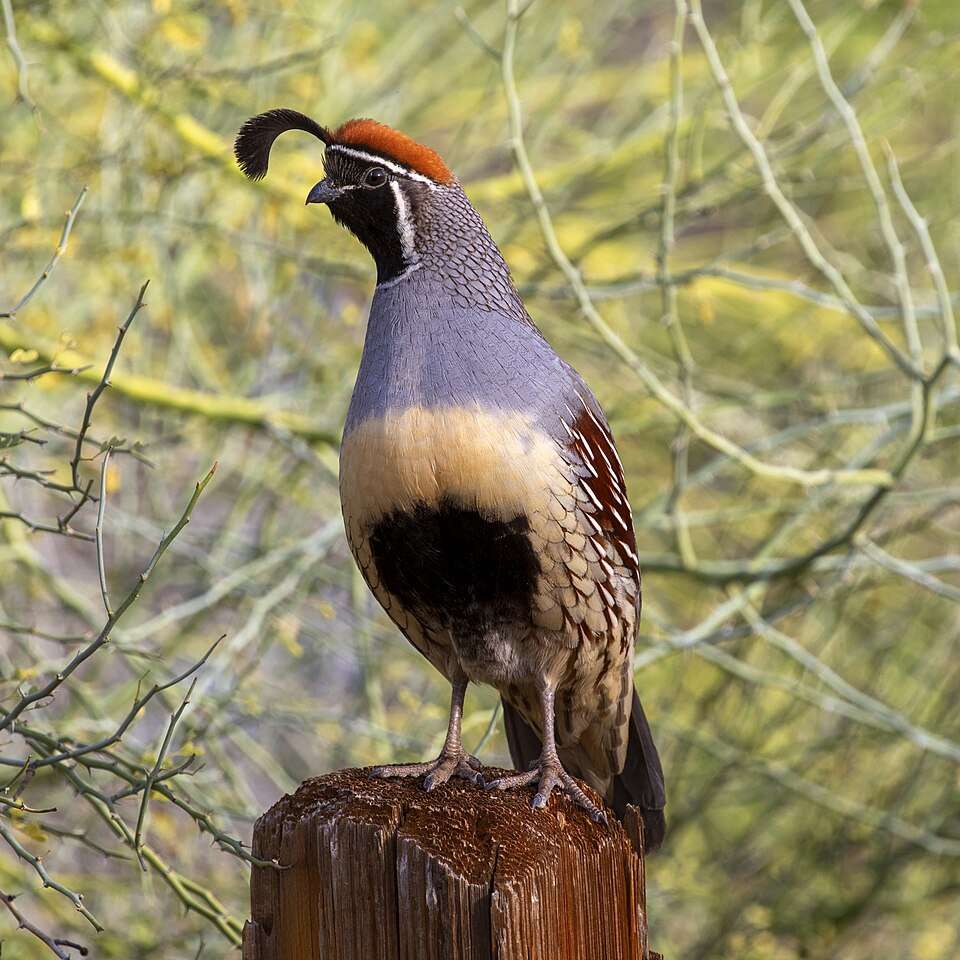
The presence of water features, particularly the pond, acts as a magnet for birds, while the diverse flora attracts hummingbirds and other insect-eating species. The garden even hosts weekly bird walks, led by knowledgeable volunteers, making it an ideal spot for both novice and experienced birders to explore and discover the surprising avian life that thrives in the heart of the desert.
Target Birds
Brown-crested and Ash-throated Flycatcher
Lesser Goldfinch
Albert's Towhee
White-throated Swift
Costa's Hummingbird
Western Screech-Owl
Ladder-backed Woodpecker
Rio Salado Audubon Center
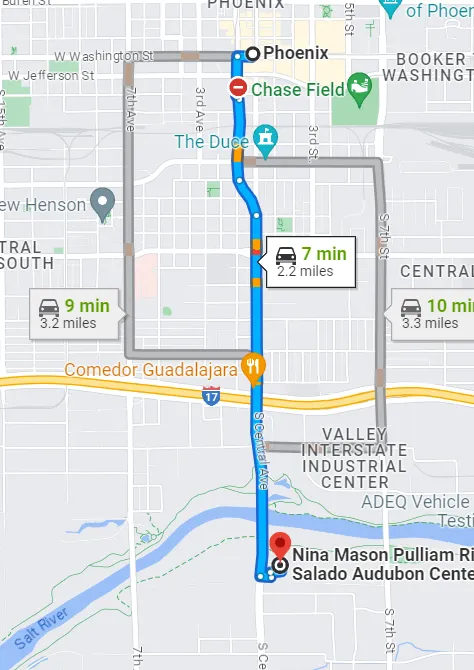
The Nina Mason Pulliam Rio Salado Audubon Center is a remarkable urban oasis, strategically located just a few miles south of downtown Phoenix. Its geography is a testament to successful habitat restoration, as it sits within the 600-acre Rio Salado Habitat Restoration Area, a space that was once a landfill and is now a vibrant riparian corridor along the historic Salt River.

The center acts as a gateway to this unique landscape, which features a lush mix of mesquite bosque, cottonwood and willow trees, as well as man-made wetlands and ponds. This unexpected pocket of green in the middle of a major city provides a critical resource for wildlife, demonstrating how a restored natural environment can thrive in an urban setting.
This restored riparian habitat creates an exceptional environment for birdwatching, attracting a stunning array of species. The center's location along a major flyway means it is a magnet for migratory birds, with over 200 species recorded in the area. Birders can expect to see resident desert birds like the Abert's Towhee, Gambel's Quail, and Greater Roadrunner, as well as water-loving species such as the Great Blue Heron, Green Heron, and various ducks.
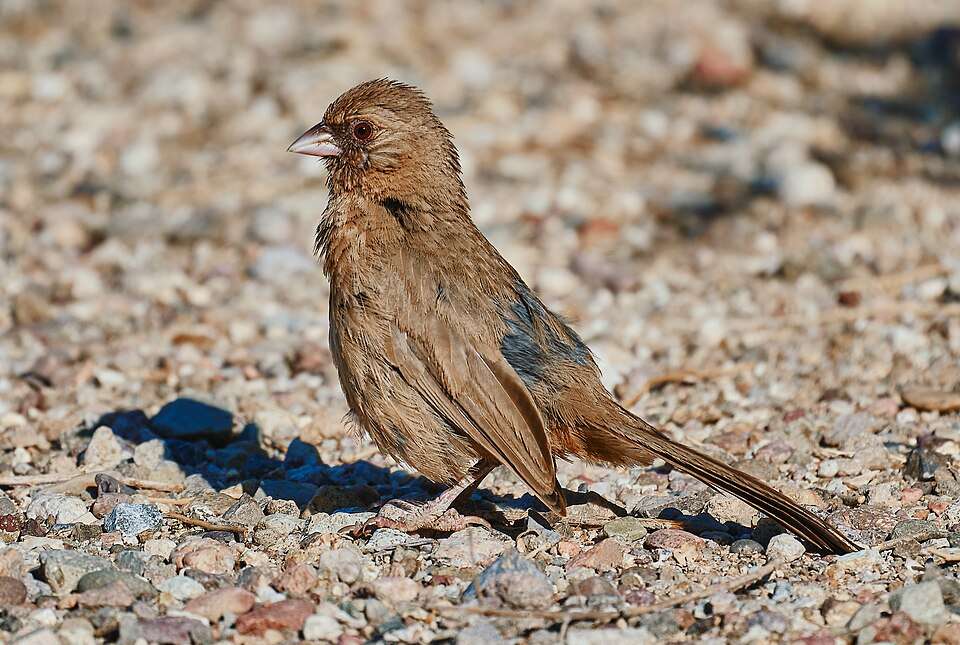
The presence of dense vegetation also makes it an excellent spot for songbirds, including warblers, vireos, and flycatchers, particularly during the spring and fall migrations. The center offers an interpretive trail and connects to sixteen miles of hiking and biking trails, allowing birders to explore diverse micro-habitats and maximize their chances of spotting a wide variety of birds.
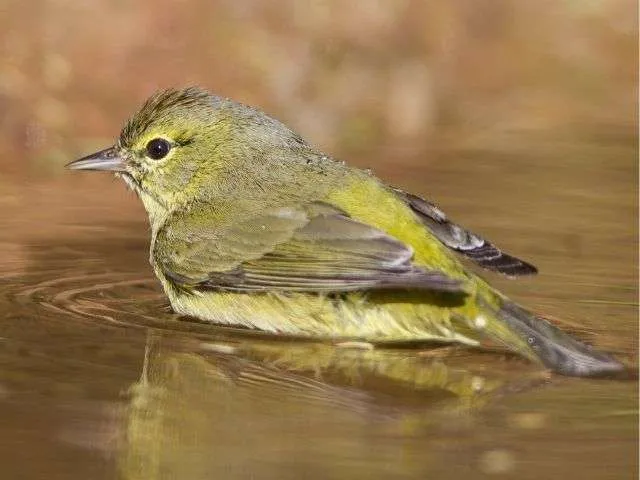
Target Birds
Black-crowned Night Heron
Gila Woodpecker
Black Phoebe
Black-tailed Gnatcatcher
Peregrine Falcon
Orange-crowned Warbler
Lesser Nighthawk

The Rio Salado Audubon Center has an extensive program for education and conservation in the area.
Sweetwater Wetlands
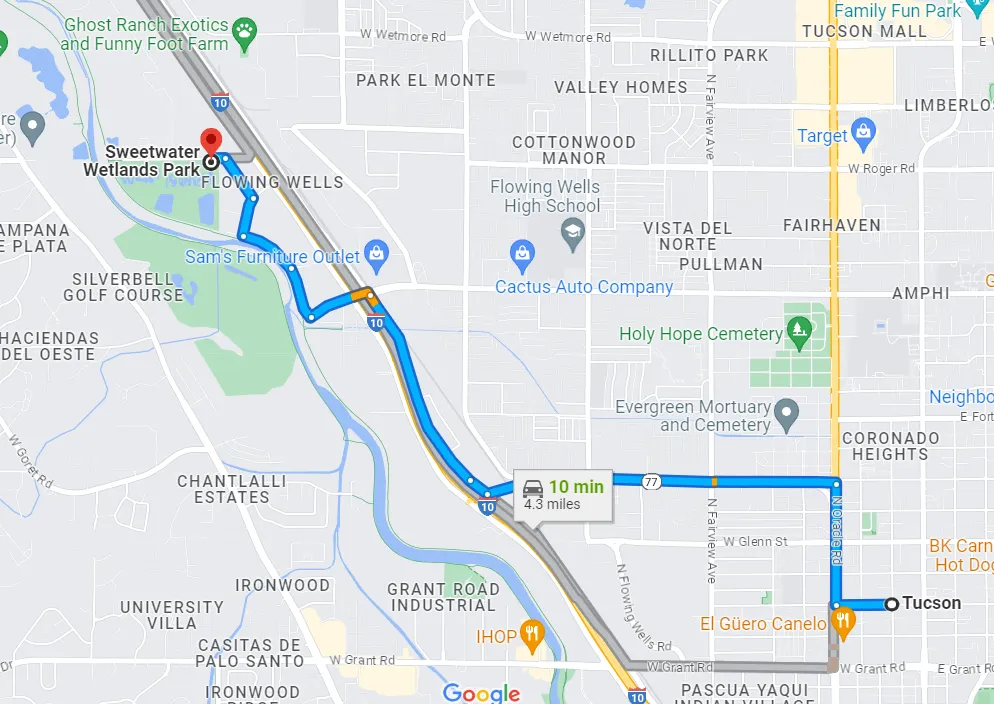
Situated within the city limits of Tucson, Sweetwater Wetlands is a unique and surprisingly productive birding site that serves as an excellent example of a successful human-made habitat. This urban oasis is located just west of I-10, near the Santa Cruz River, and is a crucial part of the City of Tucson's reclaimed water system.
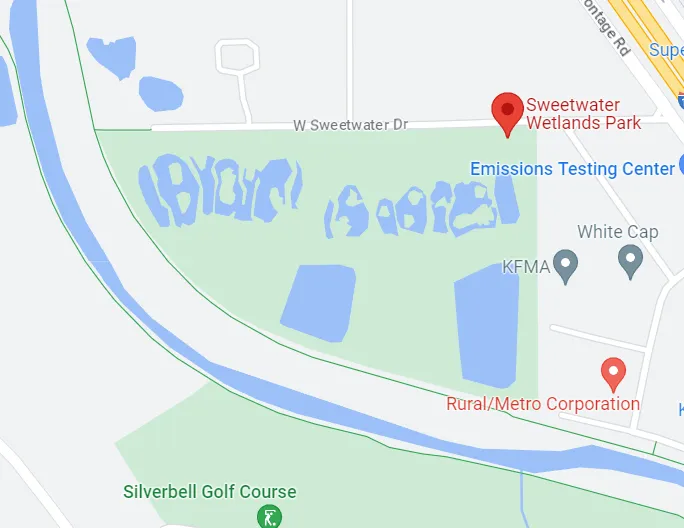
Far from a natural landscape, the wetlands were created to filter treated wastewater through a series of ponds and marshes before it's used for other purposes, such as watering city parks and golf courses. The geography of the site, with its well-maintained trails, shallow ponds, and dense stands of cattails, bulrushes, and cottonwood trees, has recreated a vibrant riparian ecosystem that was once common along the Santa Cruz River but had largely disappeared. This restored habitat, though constructed, provides a vital refuge for an incredible array of wildlife in the heart of the Sonoran Desert.
The birding possibilities at Sweetwater Wetlands are exceptional and offer a rewarding experience for all levels of birders. Over 300 species have been recorded here, a testament to the site's ability to attract both resident and migratory birds. The open water and marshy areas are a magnet for waterfowl and wading birds, with species like Cinnamon Teal, Northern Shoveler, and Pied-billed Grebe being common sights in the cooler months.
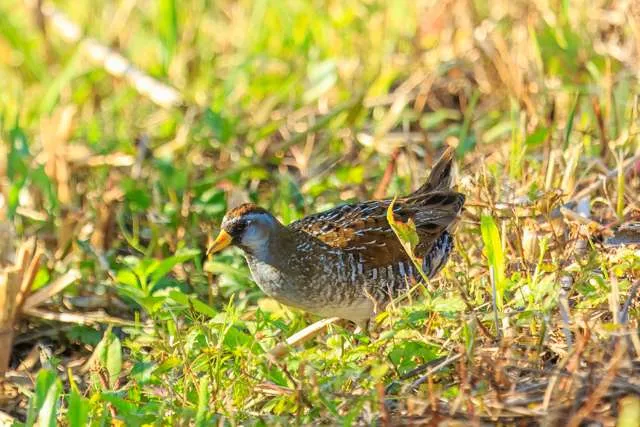
Rails and secretive birds like the Sora and Virginia Rail can be found skulking in the dense vegetation. The stands of willows and cottonwoods provide a haven for a variety of songbirds, including the vibrant Vermilion Flycatcher and a host of warblers, while raptors like the Harris's Hawk often patrol the skies overhead. For a beginner, Sweetwater Wetlands is an ideal place to learn, offering easy access, a compact layout, and a high volume of birds, while experienced birders can seek out rarities and add to their life lists.

Target Birds
Greater Roadrunner
Bell's Vireo
Verdin
Tropical Kingbird
Green Heron
Sand Martin
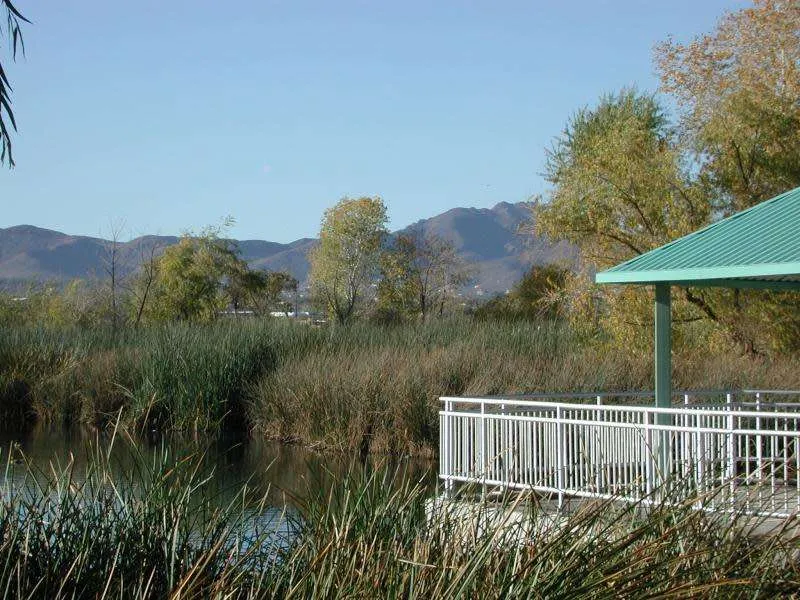
The Visit Tucson website has information about accessing the wetlands.
Cave Creek Regional Park
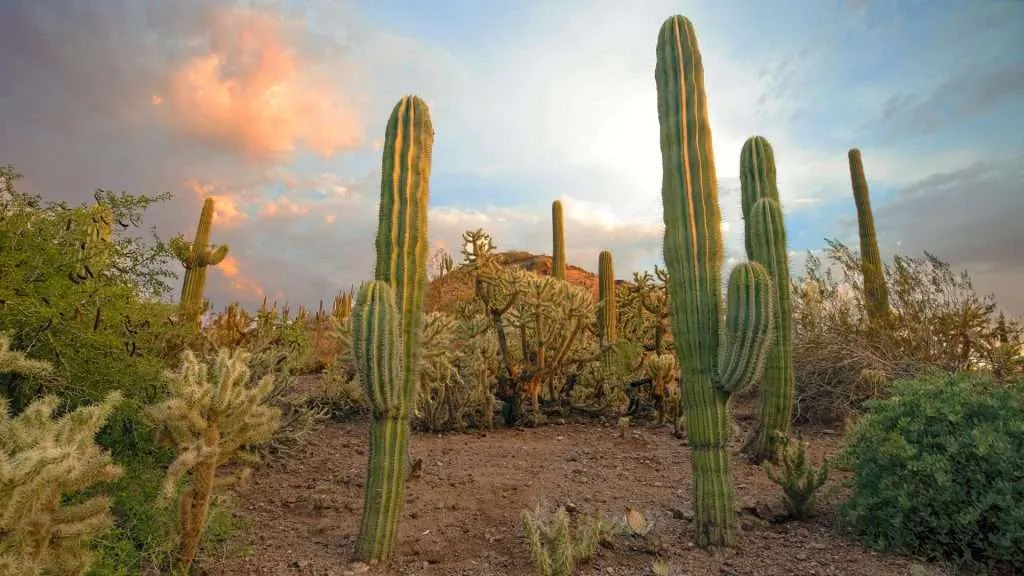
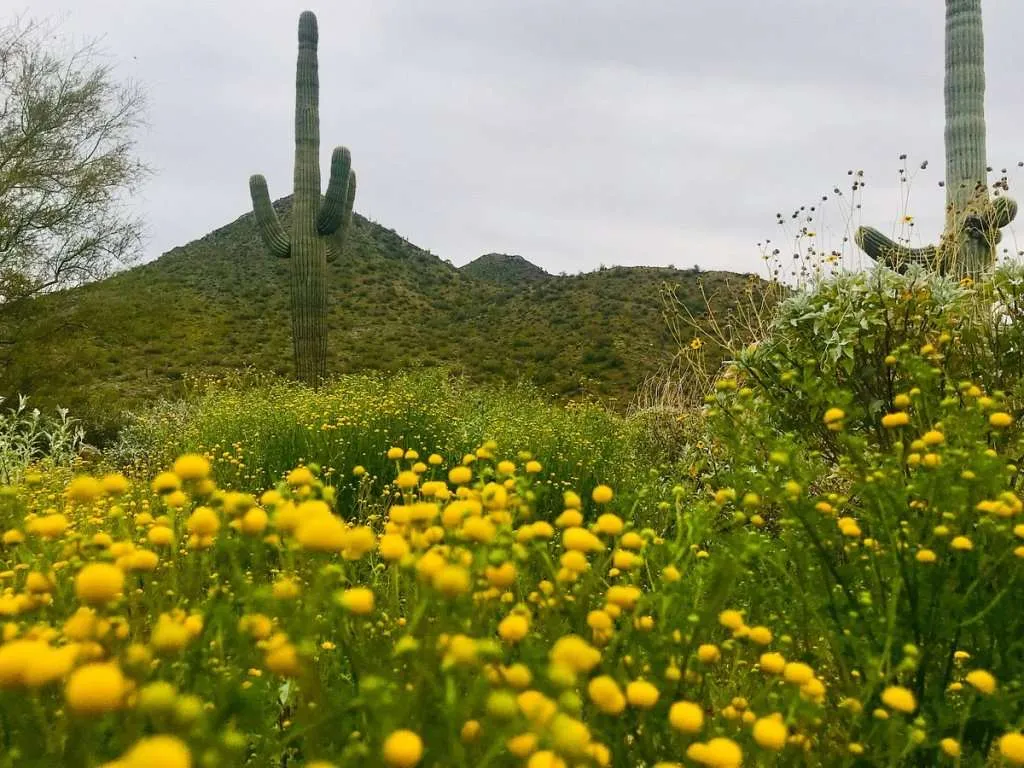
Located just north of Phoenix in the Sonoran Desert, Cave Creek Regional Park provides a stunning example of the area's unique geography. The park spans nearly 3,000 acres, with elevations ranging from 2,000 to 3,060 feet. This rise in elevation, combined with the presence of Cave Creek—a small stream that flows through the landscape—creates a rich mix of habitats.
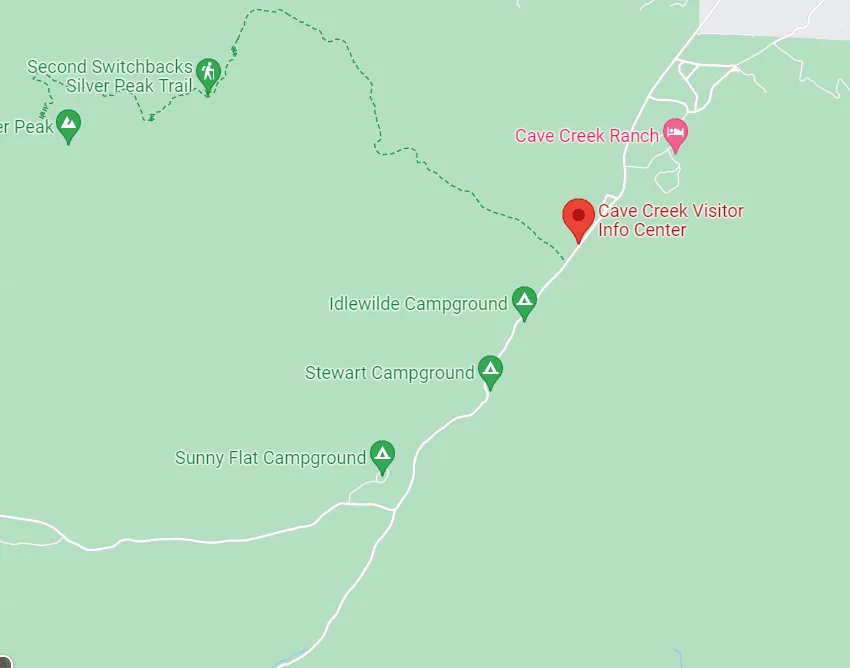
The geography is defined by classic desert flora, including towering saguaro cacti, alongside mesquite trees and other riparian vegetation that thrive near the water source. This convergence of desert and riparian ecosystems makes the park a unique and accessible spot to experience the diversity of the Sonoran Desert.
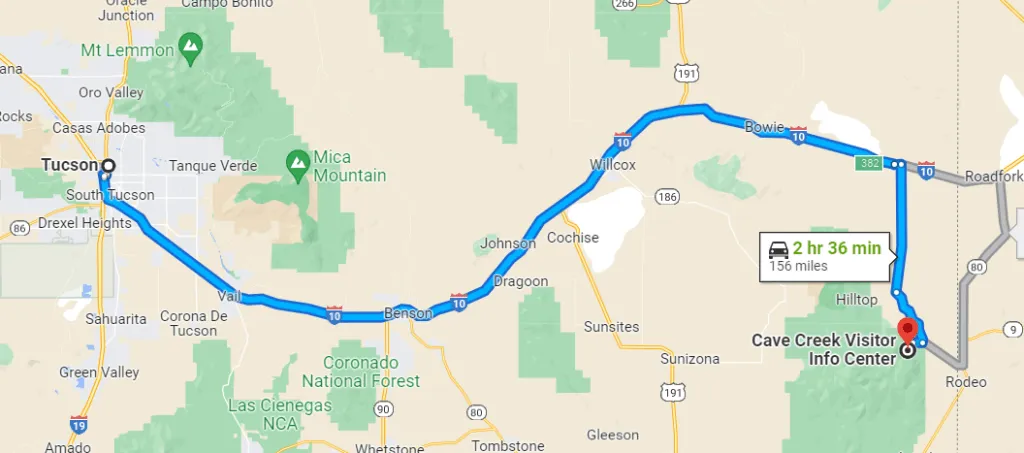
For birdwatchers, Cave Creek Regional Park is a rewarding destination, offering excellent opportunities to see a variety of desert and riparian species. Visitors can expect to find iconic Arizona birds like the Cactus Wren, Gila Woodpecker, and Gambel's Quail, which are well-adapted to the arid environment. The presence of water along the creek attracts a different set of birds, including the vibrant Vermilion Flycatcher and various species of sparrows and finches.
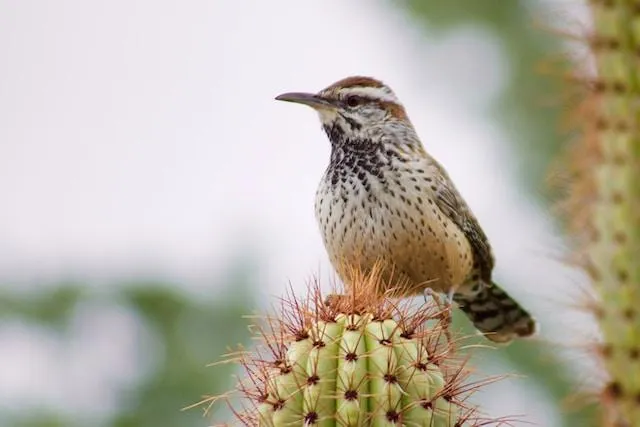
The park also hosts a monthly bird walk, which is a great way for both beginners and experienced birders to learn about the local avian life and discover the park's best viewing spots. With its well-maintained trails and diverse landscape, Cave Creek Regional Park is a prime location for an immersive and fruitful birding experience just a short drive from the Phoenix metropolitan area.
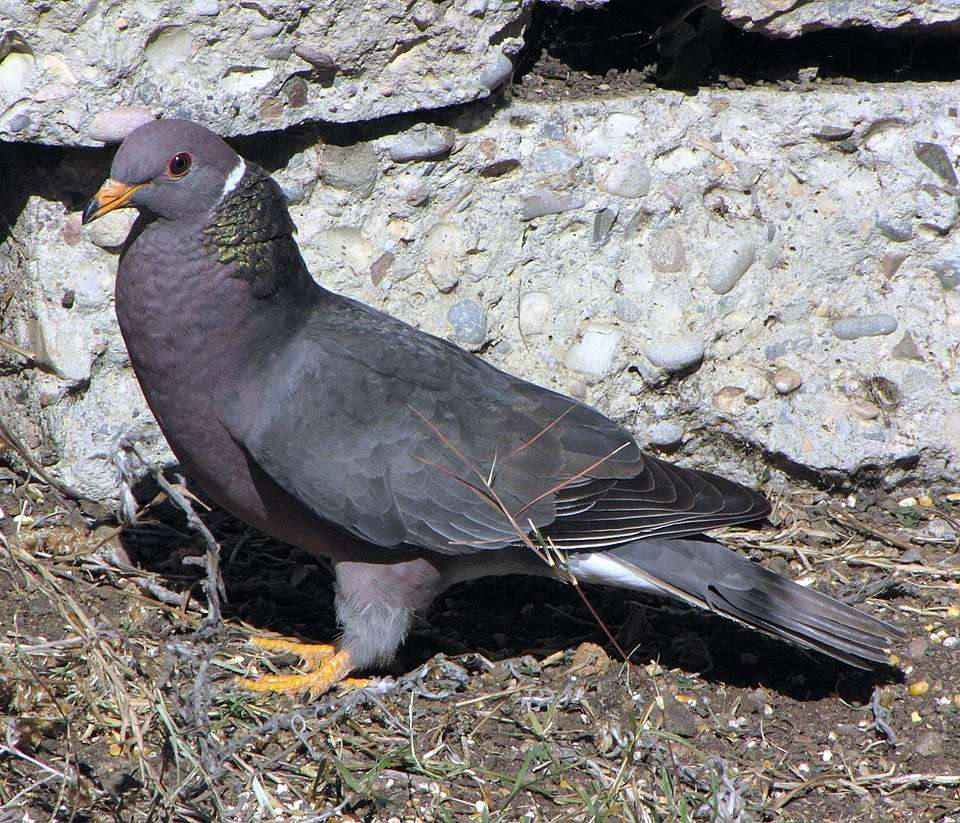
Target Birds
Mexican Whip-poor-will
Whiskered Screech-Owl
Band-tailed Pigeon
Bridled and Juniper Titmouse
Bewick's Wren
Western Wood-Pewee
The Maricopa County Parks and Recreation website has access details and opening times for the Visitor Center.
McDowell Sonoran Conservancy
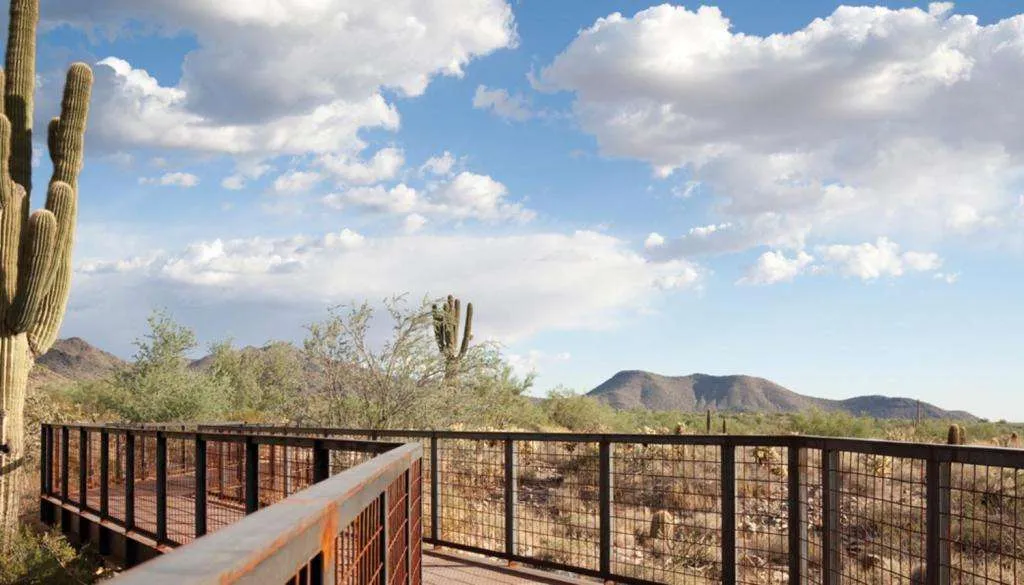
The McDowell Sonoran Preserve, located in northern Scottsdale, Arizona, is a vast, permanently protected urban preserve encompassing over 30,000 acres of pristine Sonoran Desert habitat. This unique geography, with elevations ranging from 1,690 to over 4,000 feet, creates a diverse landscape of rocky mountains, deep washes, and sloping desert foothills. 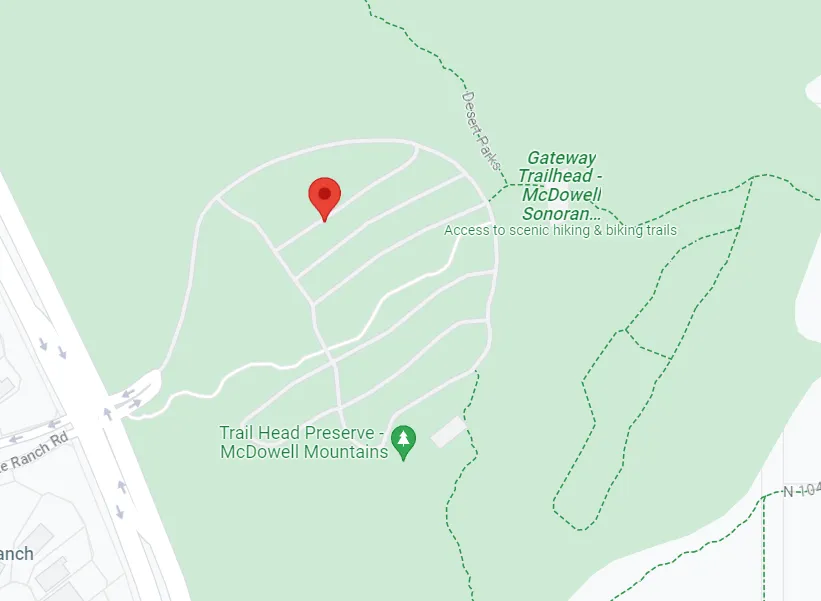
The Preserve acts as a crucial wildlife corridor, connecting with the Tonto National Forest to the north and other protected lands, which is vital for the survival of many desert species. The varied topography and interconnectedness of these areas contribute to the rich biodiversity found within the Preserve.

For birdwatchers, the McDowell Sonoran Preserve is a remarkable destination, providing habitat for at least 190 species of birds. The diverse landscape supports common desert birds as well as specialized species and those experiencing global population declines. Enthusiasts can hope to spot iconic desert birds like the Gila Woodpecker, Cactus Wren, and Greater Roadrunner.
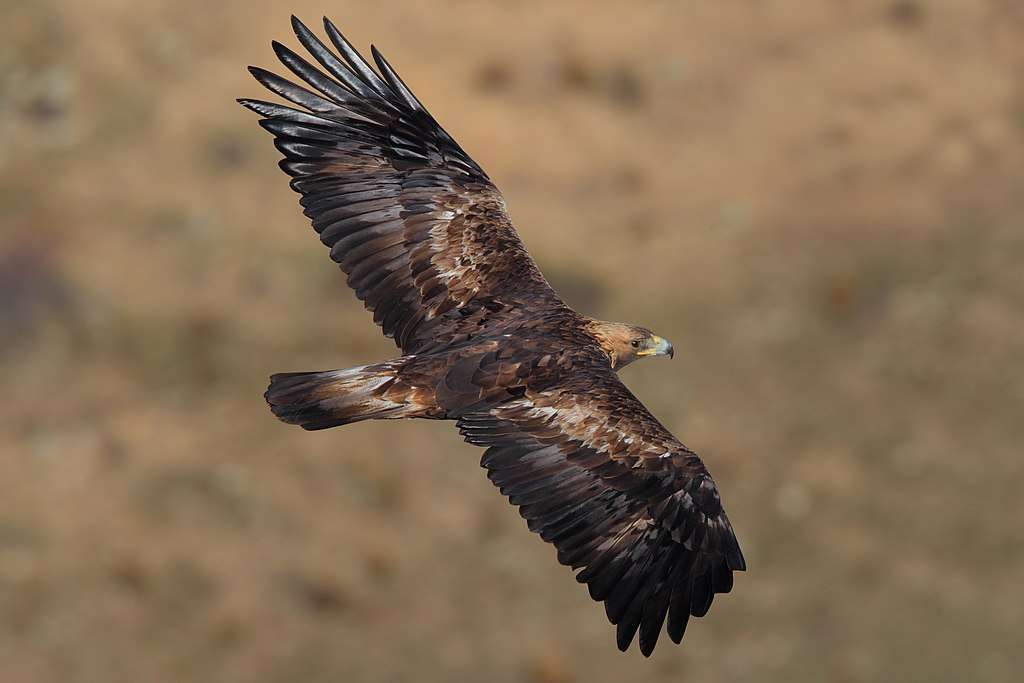
The Preserve is also home to sensitive species such as Golden Eagles and Peregrine Falcons. The extensive network of trails, including the popular Granite Loop Trail, allows visitors to explore different habitats and observe a wide range of avian life, making it a valuable resource for both casual observers and serious birders.
Target Birds
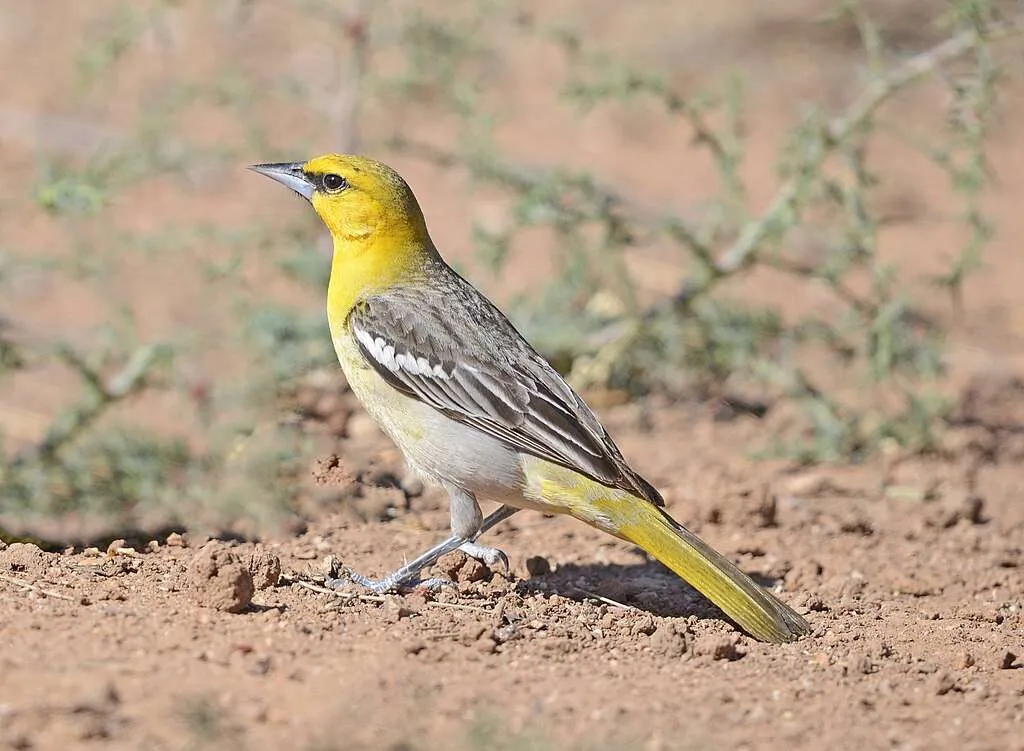
Rosy-faced Lovebird
Bullock's Oriole
Lucy's Warbler
Vermilion Flycatcher
Brewer's Sparrow
Plumbeous Vireo
The website for the Conservancy has extensive details about the area and the trails within it.
Granite Basin at Prescott National Forest
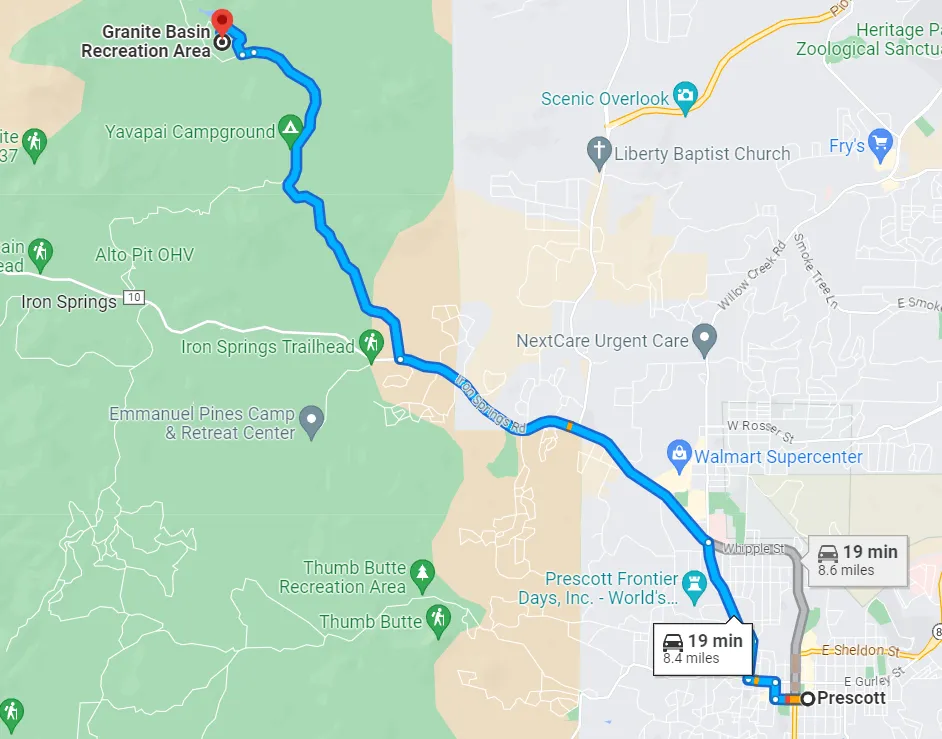
Situated northwest of the city of Prescott, the Granite Basin Recreation Area is a gem within the vast Prescott National Forest. The landscape is defined by its namesake: stunning, rugged granite boulders and outcrops, which form the base of the prominent Granite Mountain Wilderness Area.
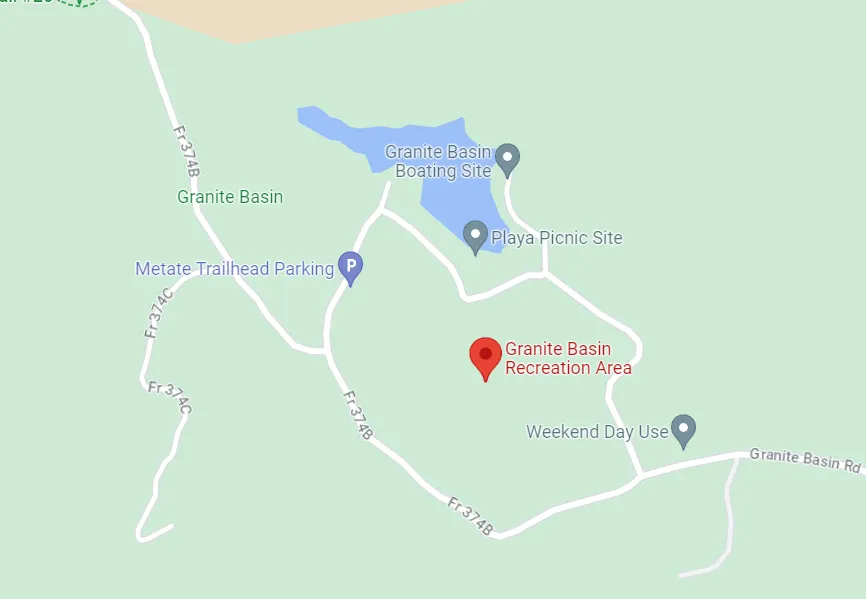
The Basin's lower elevation, with its pinyon-juniper woodlands and ponderosa pine forests, creates a diverse habitat that contrasts with the surrounding chaparral and desert environments. At the heart of the recreation area is a small, serene lake, Granite Basin Lake, which acts as a magnet for both wildlife and human visitors. This unique combination of rugged rock formations, varying forest types, and a central water source makes the area a perfect microcosm of Arizona's diverse geography.
For birdwatchers, the variety of habitats at Granite Basin translates to an exciting range of species to observe. The pinyon-juniper woodlands are excellent for spotting resident species like Woodhouse's Scrub-Jay, and various woodpeckers like Northern Flicker and Acorn Woodpecker are common sights. The riparian area around Granite Basin Lake draws in a different set of birds, particularly during migration, including various waterfowl and raptors.
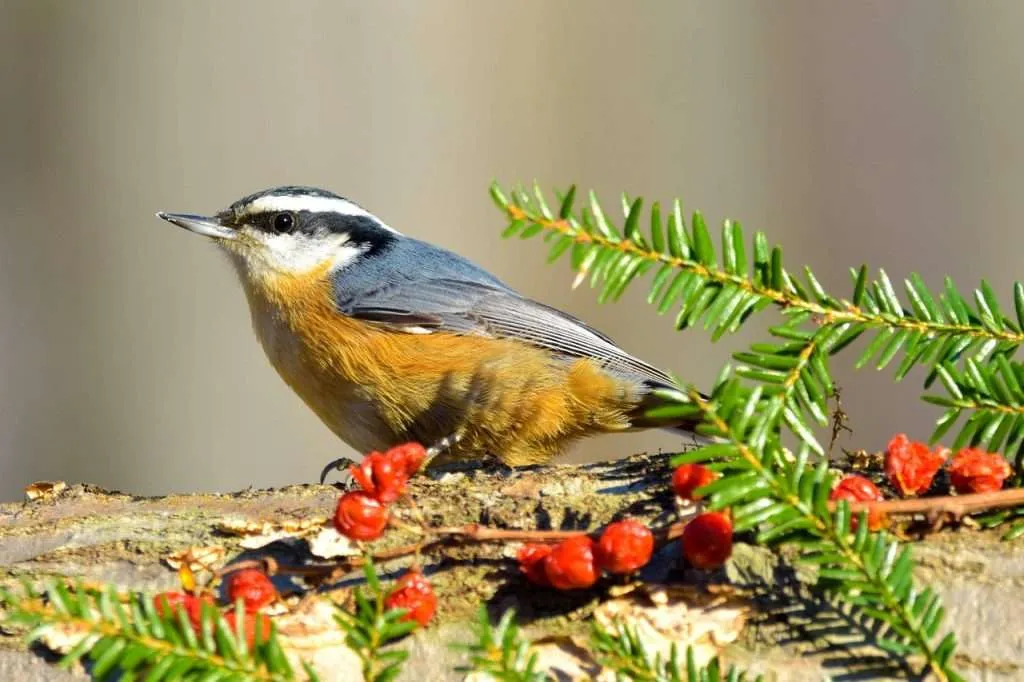
The rugged terrain of Granite Mountain is a key nesting ground for the Peregrine Falcon, and a seasonal closure is in place to protect these magnificent birds. The area is a fantastic place to witness the transition of species from lower to higher elevations, with "high-elevation" birds like Steller's Jays and Red-breasted Nuthatches sometimes found in the basin, especially during dry periods. This makes Granite Basin a dynamic and rewarding location for birding, offering a glimpse into the rich avian tapestry of central Arizona.
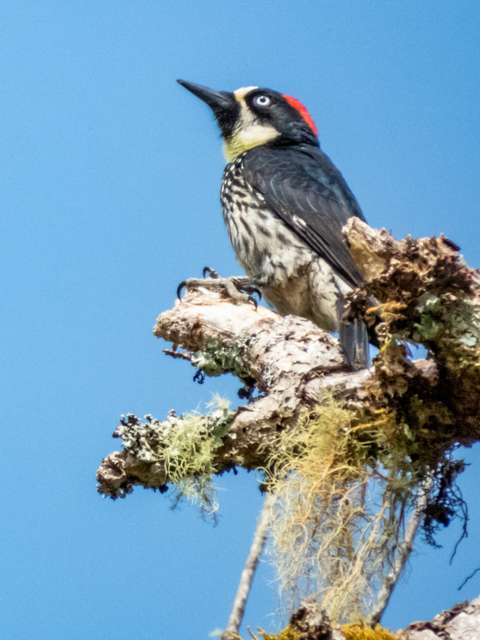
Target Birds
Acorn Woodpecker
Gray Flycatcher
Black-headed Grosbeak
Lazuli Bunting
Pygmy Nuthatch
- Bushtit
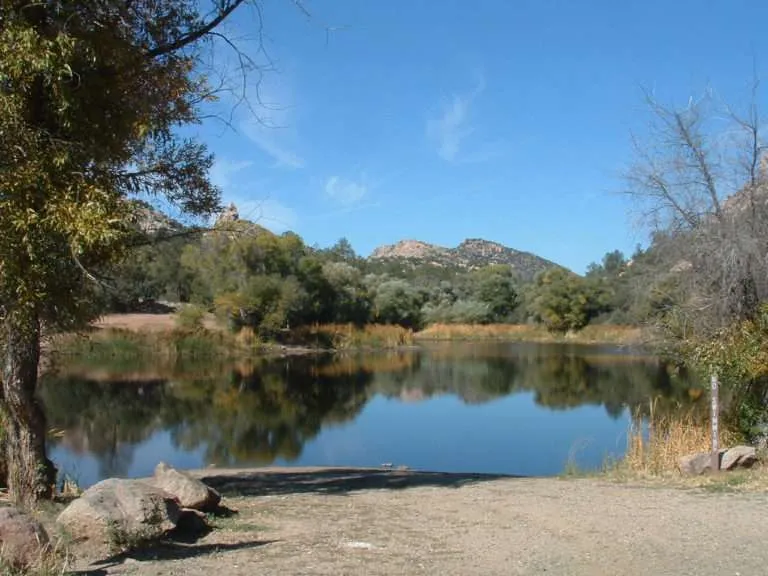
The Forest Service has updates about the status of the recreation area and park as well as general visitor information.
Wrapping Up
Arizona is a true birder's paradise, offering an unparalleled diversity of habitats that attract an astonishing variety of avian life. Far from just a desert landscape, the state's unique geography—from the riparian corridors of the Sonoran Desert to the high-elevation "sky islands" and lush pine forests—creates a meeting point for species from Mexico, the Rocky Mountains, and the desert southwest. This rich tapestry of ecosystems makes Arizona a premier destination for both casual observers and serious enthusiasts. Whether you're hoping to spot a charismatic Peregrine Falcon, a vibrant Vermilion Flycatcher, or the iconic Cactus Wren, Arizona provides a one-of-a-kind birdwatching experience.
Read about the birds commonly seen in Arizona.
Birds Of Arizona: 15 Birds Resident In The Grand Canyon State
