
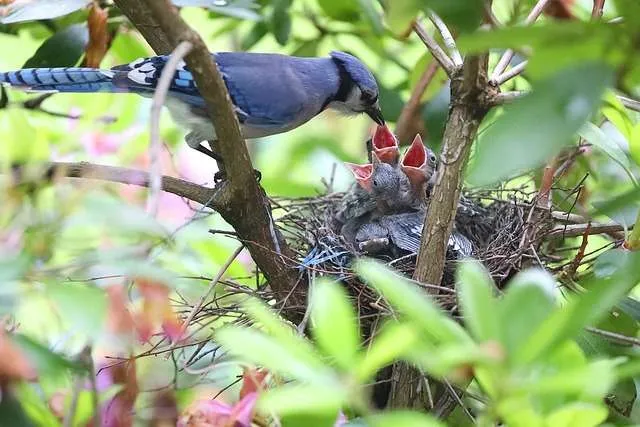
The bird's nest is more than just a cozy bowl of twigs; it is one of the oldest and most sophisticated examples of natural civil engineering and material science. Constructed without hands, tools, or written plans, these structures are precisely engineered solutions to complex problems: balancing stability against flexibility, maximizing insulation against ventilation, and achieving perfect camouflage against ease of access.
From the sturdy, masonry-like platforms of eagles to the delicate, woven cups of hummingbirds, every nest is a testament to inherent biological knowledge applied to specific environmental and physical laws. Studying nest architecture reveals how birds master structural integrity, material selection, and adaptive design to ensure the survival of their offspring—the ultimate biological imperative.
Structural Integrity: The Physics of the Cup
Most small songbird nests conform to a basic cup shape, which is the most mechanically stable and thermally efficient structure for raising chicks.
A. The Woven Matrix (Tensile Strength)
The structural integrity of a woven nest relies on tensile strength—the resistance of a material to breaking under tension (pulling forces).
- The Foundation: The outer layer is typically composed of coarse, stiff materials like twigs and larger sticks (in the case of the American Robin or Northern Cardinal). These materials provide the necessary rigidity and bulk, forming a basket-like cage.
- The Bonding Agent: Birds introduce flexible materials like spider silk, mud, moss, and saliva to bind the structure. Spider silk, in particular, is a natural miracle material that provides incredible tensile strength and allows the nest to expand slightly as the chicks grow without tearing apart.
- The Blue-gray Gnatcatcher's Masterpiece: The tiny nest of the Blue-gray Gnatcatcher (Polioptila caerulea) is a perfect example. It is a deep, narrow cup built high in a fork of a tree. The entire exterior is glued together with copious amounts of spider webbing and lichen. This results in a structure that perfectly mimics a natural tree knot, offering exceptional camouflage while also providing enough flexibility to resist high winds.
B. Cantilevered Structures (Load Distribution)
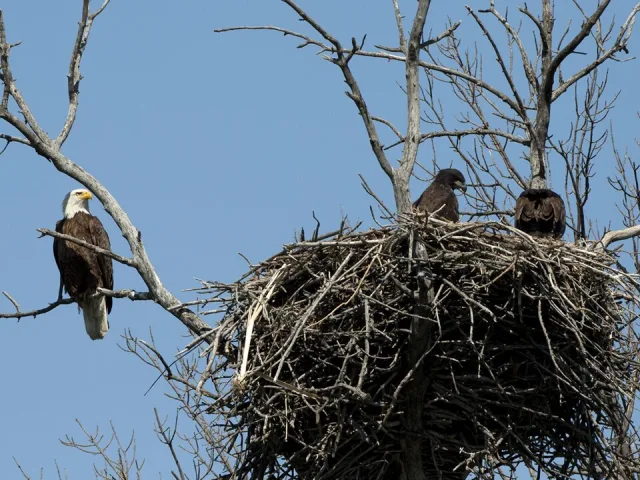
Larger birds, particularly raptors, build massive nests known as aeries. These structures often use the principle of cantilevered engineering, where the nest extends outward from a support (a cliff edge or a large tree crotch) and is stabilized by strategic weight distribution and interweaving.
- The Bald Eagle's Aerie: Eagle nests, which can weigh up to a ton and be over ten feet deep, are built year after year upon the same foundation. They use large, dead sticks as trusses and beams, creating a rigid, crisscrossing framework that disperses the weight of the nest, the adults, and the growing young over a wide area of supporting branches.
Material Science: Insulation, Drainage, and Flexibility
A crucial element of nest engineering is the judicious selection of materials for specific functions, creating a layered structure that optimizes internal conditions.
A. The Layered System
A typical songbird nest is a multi-layer composite material engineered to manage heat and moisture:
- Outer Shell: Coarse, rigid materials (twigs, bark) for structural support and defense.
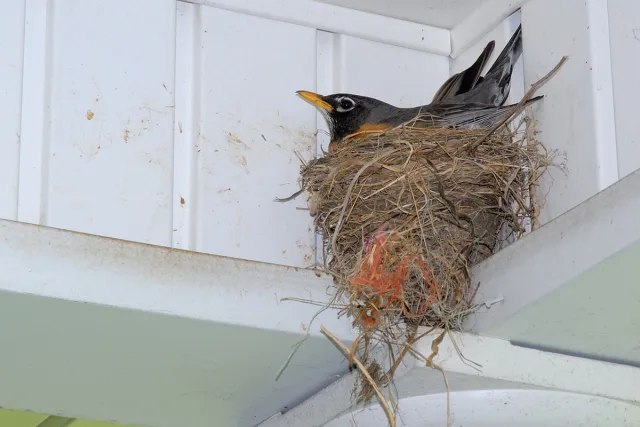
- Middle Layer (Insulation/Buffer): Mud, decaying leaves, moss, or thick plant fibers. This layer acts as a thermal buffer, regulating temperature and providing drainage by absorbing excess moisture. The American Robin is famous for incorporating a mud cup into its middle layer, which hardens like primitive cement to provide structural rigidity and moisture protection.
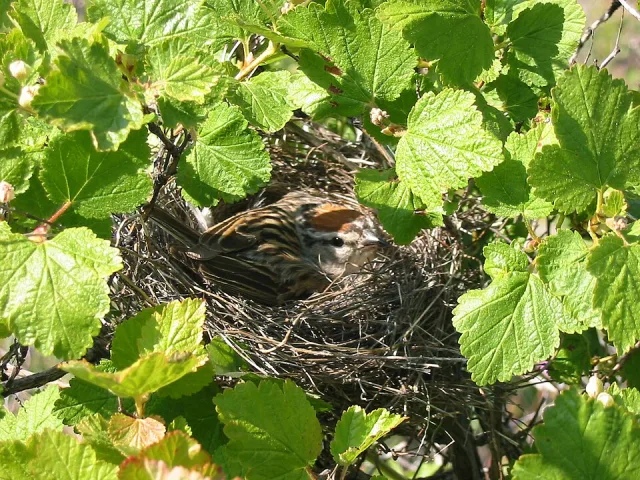
- Inner Lining (Insulation/Comfort): Fine, soft materials like animal hair, feathers, fine grass, and cottonwood fluff. This layer minimizes heat loss, maximizes comfort for the chicks, and prevents abrasion. The Chipping Sparrow is known for its liberal use of horse or deer hair in the final lining.
B. The Tailorbird's Sutures
While not strictly U.S.-based, the Tailorbirds of Asia offer a striking example of natural material manipulation. They use their bills as a needle to pierce the edges of large living leaves, then use spider silk or cotton thread to suture (stitch) the edges of the leaf together, creating a hanging, protected pouch for the nest cup. This is a masterclass in using live, flexible architecture for defense.
Adaptive Design: Location and Camouflage
Nest placement is an exercise in risk management, balancing the need for protection from predators against the demands of the local climate.
A. The Suspension Bridge (Flexible Attachment)
Many species choose attachment methods that provide dynamic stability against the elements.
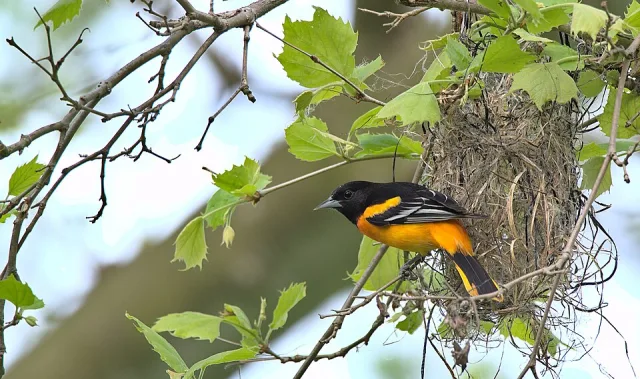
- The Baltimore Oriole's Hanging Nest: The Baltimore Oriole is the undisputed master of this technique in the U.S. East. Its nest is a spectacular, woven hanging pouch or sock, suspended from the very tips of slender branches, usually high in a tall deciduous tree (often an elm or maple). This location serves three brilliant purposes:
- Predator Defense: The flexibility of the thin branch tips prevents climbing predators like squirrels and raccoons from reaching the nest without being noticed.
- Wind Resistance: The nest acts like a hammock or a suspension bridge, swaying with the wind rather than fighting it, preventing structural collapse in storms.
- Shade: The dense leaf canopy provides essential shade, preventing the highly insulated, deep pouch from overheating.
B. The Cavity Excavator (Thermal Stability and Defense)
Birds like the Woodpeckers and Nuthatches (which often use abandoned woodpecker cavities) use existing wood as their primary structural material.
- The Downy Woodpecker: The woodpecker’s excavated cavity is essentially a thermos flask. The thick wooden walls provide superb insulation, keeping the chicks warm in cold weather and cool in extreme heat, offering the highest level of thermal stability available. The small entrance hole limits the size of potential predators, turning the nest into a defensible bunker.
Bio-Inspired Engineering
The precision and material efficiency displayed in bird nests are now actively studied by human engineers—a field known as bio-mimicry.
- Self-Assembly and Composites: Researchers are looking at how birds select and combine different materials (rigid sticks, flexible silk, mud binder) to form durable, lightweight, self-assembling structures.
- Thermal Management: The layered approach of insulating the inner layer while allowing the outer shell to shed rain is influencing the design of sustainable, low-energy housing and advanced composite materials.
The bird's nest is far more than a simple structure; it is a genetically encoded algorithm executed perfectly every breeding season. It represents a continuous, evolutionary refinement of engineering principles that maximize energy conservation, structural resilience, and thermal regulation—all built with the most basic, found materials, proving that some of the greatest architects in the world have feathers, not blueprints.
