
In the quiet dawn of the late 19th century, before the existence of high-powered binoculars or digital field guides, a young man from Brookville, Indiana, was already laying the groundwork for what we now recognize as modern ornithology. Amos Butler was more than just an observer; he was a pioneer whose obsession with avian life helped transform bird-watching from a niche Victorian hobby into a rigorous scientific discipline and a powerful conservation movement.
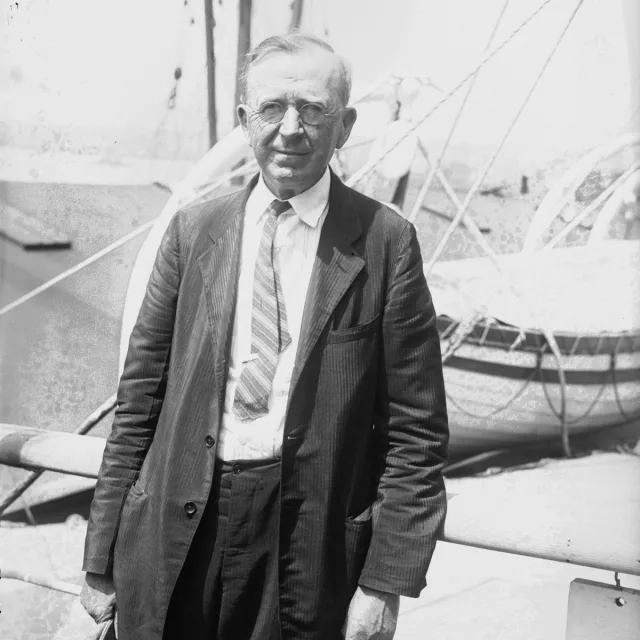
For birders today, Butler remains a "hero of the brush and the field." His life’s work serves as a reminder that the birds we cherish in our backyards and national parks were once part of a landscape undergoing rapid, often violent, change.
The Early Days in Indiana
Amos Butler’s journey began in the Whitewater Valley, a region once teeming with species that have since become icons of conservation history. In his early years, Butler meticulously documented the Passenger Pigeon, a bird that once moved in flocks so dense they blotted out the sun for days. Butler was one of the few naturalists to record their behavior with such precision before their tragic slide into extinction.
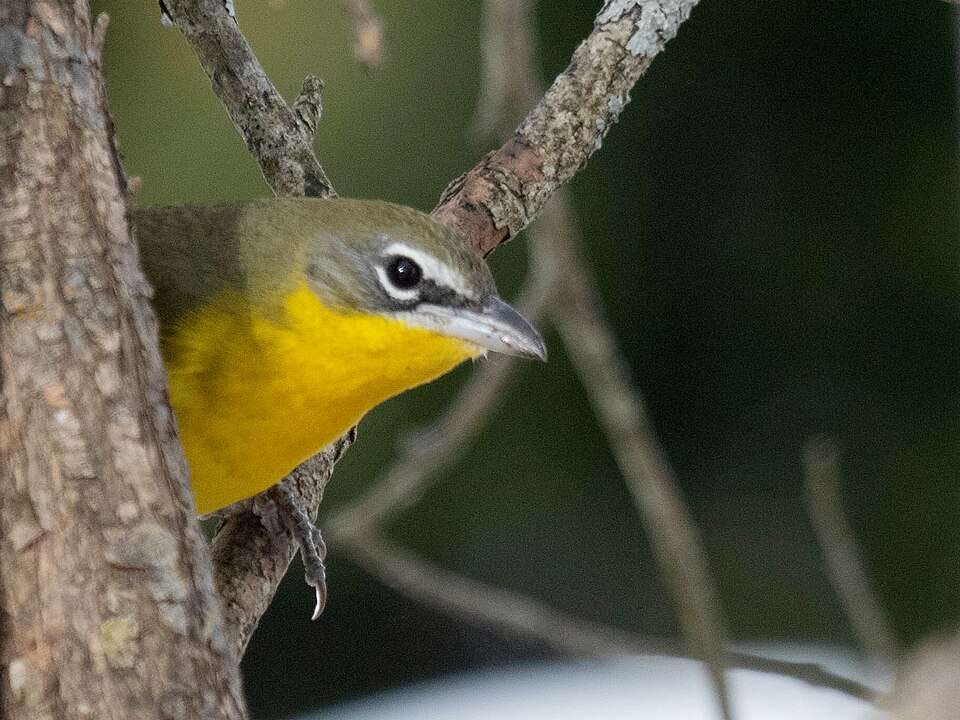
His fascination wasn't limited to the giants of the sky. He spent countless hours in the undergrowth, tracking the movements of the Northern Cardinal—Indiana’s future state bird—and the elusive Yellow-breasted Chat. At a time when "birding" often involved a shotgun rather than a sketchpad, Butler advocated for a different approach: the study of the living bird in its natural habitat.
A Legacy in Print: "The Birds of Indiana"
In 1897, Butler published his magnum opus, The Birds of Indiana. This wasn't merely a list of names; it was a comprehensive biological census. In its pages, he described the haunting, flute-like melody of the Wood Thrush and the intricate nesting habits of the Prothonotary Warbler, which he affectionately noted for its brilliant "swamp candle" yellow glow in the forested wetlands.
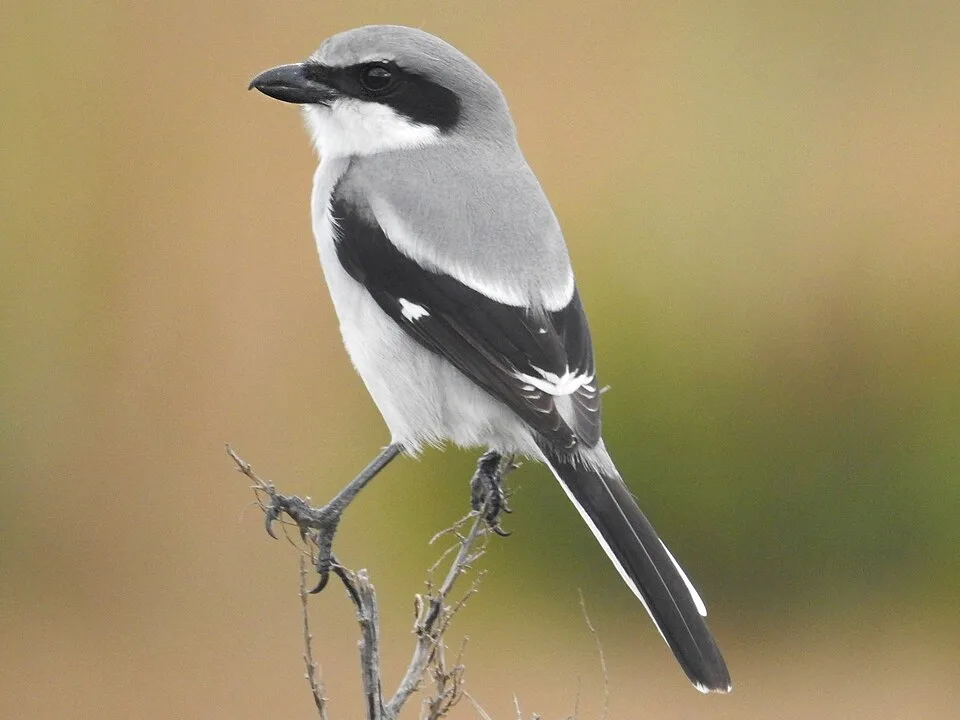
Butler’s writing brought a level of detail to species that many Americans took for granted. He wrote extensively about the Loggerhead Shrike, a songbird with the heart of a raptor, and the Dickcissel, a bird of the open grasslands whose rhythmic calls define the Midwestern summer. Through his eyes, the Eastern Bluebird wasn't just a flash of color on a fence post; it was a biological indicator of the health of the land.
The Father of the Indiana Audubon Society

Perhaps Butler’s greatest contribution was his role in founding the Indiana Audubon Society in 1898. He recognized that if the birds were to survive the pressures of industrialization, they needed more than just admirers—they needed advocates.
Under his leadership, the focus shifted toward protecting the migratory paths of the "neotropical migrants"—the travelers that journey from Central and South America to the United States every spring. Butler was captivated by the Scarlet Tanager, with its blood-red body and jet-black wings, and the Indigo Bunting, which seemed to capture the very essence of the summer sky. He understood that protecting a bird like the Cerulean Warbler required looking beyond local borders and seeing the environment as a connected, global web.
The Conservationist’s Keen Eye
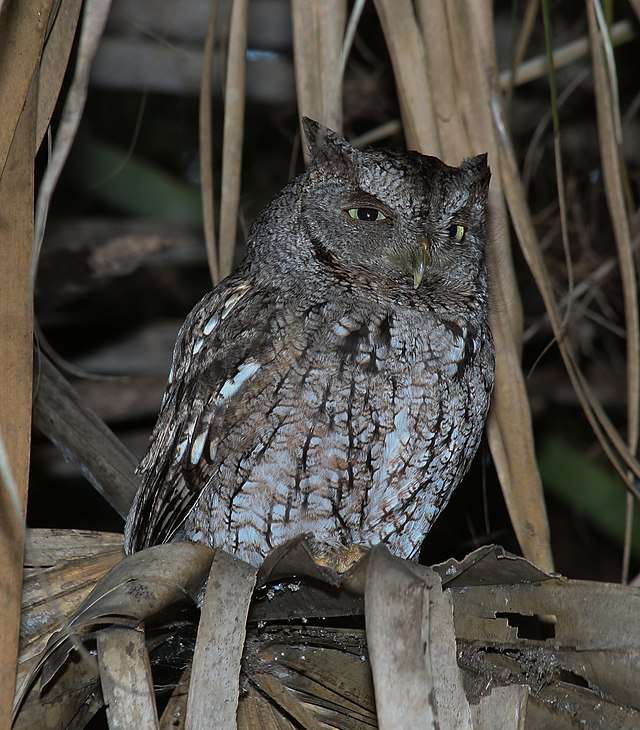
Butler was also deeply concerned with the birds of prey. During a period when hawks and owls were often viewed as "vermin" to be eradicated, Butler defended their role in the ecosystem. He spoke of the Red-tailed Hawk's vital role in controlling rodent populations and the quiet, nocturnal mastery of the Eastern Screech-Owl.
He was also a witness to the decline of the Carolina Parakeet, the only parrot native to the eastern United States. His records of their presence in the river bottoms of the Midwest are some of the most poignant reminders of what has been lost.
Why Amos Butler Matters Today

Today, as we walk through a park with our smartphones ready to log a sighting of a Chestnut-sided Warbler or a Black-throated Green Warbler, we are standing on the shoulders of Amos Butler. He helped transition the world of ornithology from "collecting" to "conserving."
He taught us to appreciate the subtle beauty of the Chipping Sparrow and the bold, brassy personality of the Blue Jay. He was one of the first to truly understand that birds like the Sandhill Crane—which still migrate through the marshes of the Midwest in staggering numbers—are living links to our prehistoric past.
The Birds That Define His Legacy

To walk in Butler's footsteps is to look for the species he loved most. If you find yourself in the woods this spring, look for these birds and remember the man who fought to ensure they would still be there:
The Baltimore Oriole: Butler marveled at their intricate, hanging nests and their startling orange plumage.
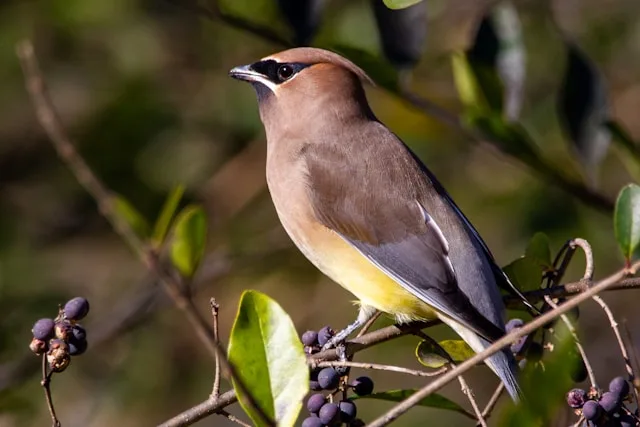
The Cedar Waxwing: He documented their social behavior and their reliance on the berry-producing shrubs of the Indiana landscape.
The American Woodcock: He was fascinated by their "sky dance" displays in the damp soil of the early spring meadows.
The Bobolink: A bird of the hayfields that Butler feared would lose its home to changing agricultural practices.
The Pileated Woodpecker: The "log-cock" of the deep woods, whose powerful drumming Butler considered the heartbeat of the forest.
Amos Butler was a man of his time, yet he saw far into the future. He knew that the sight of a Ruby-throated Hummingbird hovering over a jewelweed blossom was a miracle worth protecting. His life is a testament to the fact that one person, armed with a notebook and a deep love for the natural world, can change the way an entire nation sees its skies.
The next time you see a Common Grackle iridescent in the sun or hear the lonely cry of a Killdeer across a field, tip your hat to Amos Butler. He saw them first, he loved them well, and he made sure they’d be here for us to see, too.
