

Perched on telephone wires, hovering over open fields, or darting through the sky in pursuit of prey, the American Kestrel (Falco sparverius) is a familiar yet remarkable sight across much of the Americas. Despite its small size, this raptor is a bold and skilled hunter, an agile flier, and a symbol of adaptability and resilience.
Known for its striking plumage and charismatic behavior, the American Kestrel plays an essential role in local ecosystems and has captivated birders and biologists alike. This profile explores the life, habits, and significance of this diminutive falcon.
Physical Description
The American Kestrel is often called a "sparrow hawk," a name reflecting its small size rather than its lineage—it is, in fact, a true falcon. Measuring just 8 to 12 inches in length with a wingspan of around 20 to 24 inches, it is the smallest falcon in North America. Males weigh about 3 to 4 ounces, while females are slightly larger.
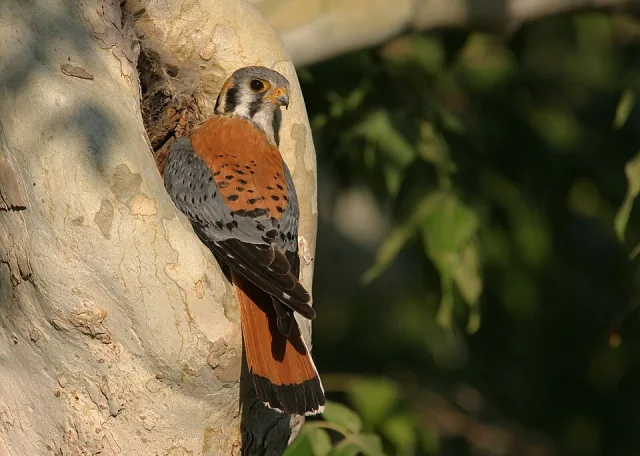
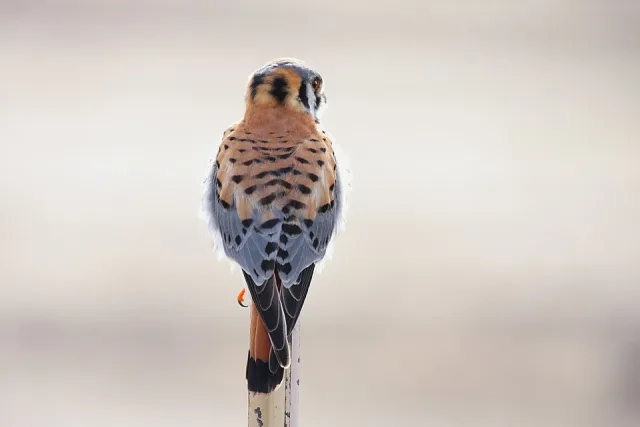
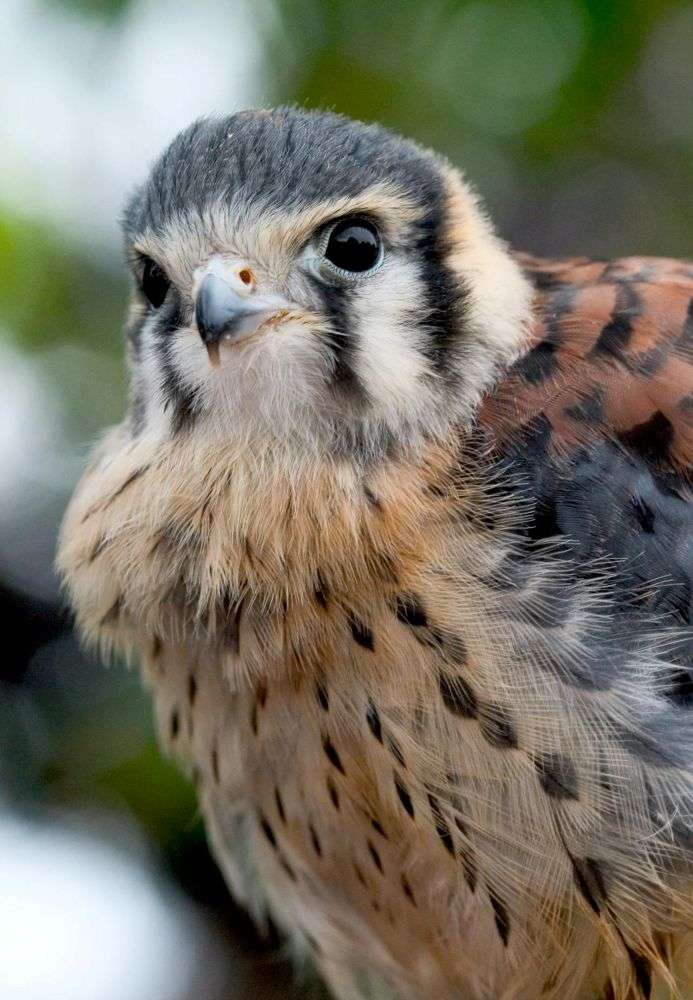
Despite its modest stature, the kestrel is a visual standout. Males have slate-blue wings, a rust-colored back and tail, and a creamy underside with dark spotting. Females are more uniformly rufous-brown, with heavy streaking below and barred wings and tails. Both sexes have two vertical black stripes on their pale faces, often described as "mustaches" or "sideburns," a common trait among falcons.
Its beauty, however, masks a deadly efficiency. The kestrel’s sharp talons, hooked beak, and keen eyesight make it a formidable predator in its own right.
Range and Habitat
The American Kestrel is widespread across the Western Hemisphere, from northern Canada to the southern tips of Argentina and Chile. In North America, kestrels are year-round residents in much of the United States and Mexico, with northern populations migrating south for the winter.
Kestrels thrive in a variety of habitats, preferring open areas with short vegetation, such as grasslands, agricultural fields, meadows, deserts, and urban parks. They require perches from which to hunt—utility wires, fence posts, or dead trees—and cavities for nesting. Their adaptability allows them to thrive in rural and suburban environments alike.
Hunting and Diet
The American Kestrel is an opportunistic hunter, feeding on a wide range of small animals. Its diet includes insects (such as grasshoppers, beetles, and dragonflies), small mammals (like mice and voles), birds, reptiles, and amphibians.
One of its most distinctive hunting behaviors is hovering. Kestrels can remain stationary in midair by rapidly beating their wings and using head stabilization to keep their gaze fixed on the ground. This technique allows them to scan for movement below before diving down with swift precision.
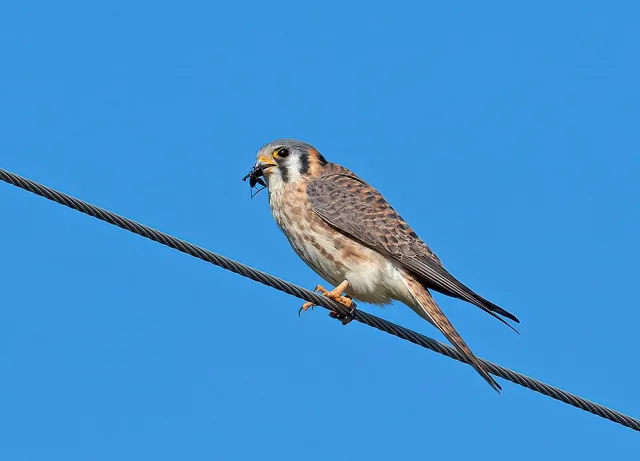
Interestingly, kestrels can see ultraviolet light, which helps them detect the urine trails of rodents—an invaluable ability when hunting small mammals in grassy areas.
Breeding and Nesting
American Kestrels begin courtship in late winter to early spring, often engaging in aerial displays, mutual feeding, and calling. Once paired, the male seeks out suitable nesting sites, typically cavities in trees, cliffs, buildings, or nest boxes. Kestrels do not build nests; they lay their eggs directly on the cavity floor.
A typical clutch contains 4 to 5 eggs, which the female incubates for about 26 to 30 days. During this period, the male provides food. Once hatched, both parents feed the chicks, which fledge at about 30 days old. Young kestrels remain near the nest for several weeks, continuing to receive food and gradually learning to hunt.
Nest site availability is crucial to the species’ success. In areas where natural cavities are scarce, kestrel populations have benefited significantly from the installation of nest boxes.
Communication and Behavior
Kestrels are vocal birds, especially during the breeding season. Their call—a rapid, high-pitched series of “klee-klee-klee” sounds—is often heard when they are alarmed or establishing territory.
Though small, kestrels are bold and sometimes aggressive. They may mob larger raptors or fiercely defend their nests from intruders. Despite this bravery, they are vulnerable to predation by larger birds, such as Cooper’s Hawks, Great Horned Owls, and Red-tailed Hawks.
Kestrels are primarily diurnal, hunting during daylight hours and roosting at night in trees, cavities, or man-made structures.
Migration and Movement
Migration patterns vary by region. Kestrels in the northern parts of their range, such as Canada and the northern U.S., migrate south for the winter. Southern populations may remain year-round or shift locally depending on food availability.
During migration, kestrels often follow ridgelines and coastlines, taking advantage of thermals and updrafts. They are frequently observed during fall hawk watches, their distinctive flight silhouette and colorful plumage making them easy to identify.
Conservation Status
Though the American Kestrel remains one of the most common falcons in North America, recent decades have seen worrying population declines in many areas, particularly in the northeastern U.S. and parts of Canada.
The causes of this decline are not fully understood, but several factors are believed to contribute:
Loss of habitat, especially open fields and grasslands
Decline in insect populations, possibly due to pesticide use
Loss of nesting sites due to modern land use and fewer cavity-bearing trees
Collisions with vehicles and buildings
To help support kestrel populations, conservationists and citizen scientists have launched nest box programs across the continent. These initiatives not only provide nesting habitat but also serve as valuable tools for research and education.
Human Connections and Cultural Significance
The American Kestrel has long fascinated humans. Its manageable size and trainable nature have made it a popular bird in the practice of falconry, especially among beginners. Though less powerful than larger falcons, kestrels can be trained to hunt small birds and rodents.
Birdwatchers and naturalists admire kestrels for their visibility, beauty, and hunting prowess. Their presence in agricultural areas is also beneficial, as they help control pest populations naturally.
In Native American cultures, falcons—including kestrels—often symbolize speed, precision, and freedom. In modern conservation efforts, the American Kestrel has become a flagship species for grassland preservation and urban wildlife engagement.
Wrapping Up
Small but mighty, the American Kestrel is a masterful hunter, an adaptable survivor, and a vibrant thread in the fabric of North American wildlife. Its ability to thrive in varied environments, its critical role in controlling pest populations, and its charismatic appearance make it a bird worthy of admiration and protection.
Yet, its recent declines remind us that even the most common species can face peril in a rapidly changing world. By understanding, appreciating, and supporting efforts to conserve kestrel habitats and nesting opportunities, we ensure that this fierce little falcon continues to grace our skies for generations to come.
