
The American Birding Association (ABA) stands today as the preeminent organization in North America dedicated entirely to the sport, hobby, and intellectual pursuit of birding. Unlike the National Audubon Society, which focuses broadly on conservation, the ABA's mission is deeply rooted in the practical, hands-on activity of finding, identifying, studying, and conserving wild birds.
The ABA's history began in the 1960s, a period when birdwatching was transitioning from a niche pastime into a recognized, organized hobby. The official formation took place in 1969 in Midland, Texas. Its founder, Jim Tucker, a dedicated birder, recognized the need for a national organization that served the specific interests of serious birders—individuals who were primarily interested in listing, field identification, and establishing ethical guidelines for the activity.
Early on, the ABA was essential in standardizing birding practices across the continent. Before its existence, birders lacked common ground on how to record their sightings. The ABA quickly took on the role of establishing listing rules, including the defining of the official ABA Checklist Area (which includes the contiguous United States, Canada, the French islands of St. Pierre et Miquelon, and adjacent waters) and standardizing what constitutes a valid "countable" sighting. This created a uniform framework that allowed birders to compare their achievements, elevating the hobby from simple observation to a structured sport with clear goals.

Aims and Mission: For Birders, By Birders
The American Birding Association operates under a clear, dual-pronged mission that guides all its activities: to foster a passionate and ethical birding community and to support bird conservation through birding itself.
1. Community and Ethics
The ABA is the definitive source for birding standards. It maintains and regularly updates the ABA Checklist, the authoritative list of all species recorded in the ABA Area. This is fundamental to its aim of promoting high standards of identification and record-keeping. Furthermore, the ABA champions ethical conduct in the field, publishing and rigorously promoting the ABA Code of Birding Ethics. This code emphasizes respect for birds, the environment, and the birding community, with key tenets addressing the protection of nesting sites, minimizing habitat disturbance, and treating others courteously. This commitment to ethics ensures that the pursuit of personal listing goals does not compromise the well-being of the birds.
2. Education and Publication
The ABA serves as a vital educational resource for all levels of birders. Its flagship publication is Birding magazine, a bi-monthly, professional-quality journal featuring articles on identification, bird distribution, bird-finding guides, optics reviews, and debates within ornithology. The ABA also publishes Winging It, a monthly newsletter focusing on current birding events, rare bird alerts, and conservation news.

3. Conservation Through Birding
While not a primary research or advocacy organization like Audubon, the ABA firmly believes that engaged birders are the best advocates for conservation. Its aim is to motivate its members to become active stewards of bird populations. The organization achieves this through programs like Birders’ Exchange, which collects and distributes donated birding and field equipment to researchers, educators, and conservationists in Latin America and the Caribbean. Additionally, the ABA uses its extensive network to mobilize "citizen science," encouraging members to participate in large-scale monitoring projects that provide vital data for conservation policy.
Nature's Swiss Army Knife: The Remarkable Science of Bird Bills
Size and Membership: A Continent-Wide Network
While membership numbers fluctuate, the American Birding Association maintains a strong, dedicated core of members, ranging between 16,000 and 20,000 members. This size, while smaller than massive environmental groups, represents an intensely focused and committed segment of the population.
ABA members are often characterized as:
Serious Field Birders: Individuals who spend significant time actively birding, often traveling regionally or nationally to seek out new species for their lists.
Highly Engaged: Members frequently participate in citizen science programs, contribute to rare bird alerts, and are active in local bird clubs.
Technically Proficient: They rely on the ABA for information on advanced identification techniques, migration patterns, and the latest in birding technology and optics.
Geographically, the membership is spread across the entire ABA Area (the United States and Canada), with high concentrations in regions known for their migratory bottlenecks and biodiversity hotspots, such as the coasts of Texas, California, and the Northeast.
Youth and Diversity Initiatives
The ABA is heavily invested in cultivating the next generation of birders. Its programs include:
ABA Young Birder of the Year: An annual competition that encourages research, field skills, and literary submission from young birders.
Camps and Workshops: Offering structured educational experiences designed to deepen knowledge of ornithology and field identification for teenagers.
Student Membership: Offering subsidized rates to make the ABA's resources accessible to younger individuals.

These efforts recognize that the future of both the organization and bird conservation relies on diversifying and engaging younger participants.
Key Programs and Activities
The ABA’s influence extends through several key programs that define its contribution to birding culture:
Conventions and Events
The ABA hosts major Biennial Conventions and smaller regional conferences. These events are crucial for connecting the dispersed birding community, offering workshops, presentations from leading ornithologists, field trips to local hotspots, and the opportunity to share experiences and knowledge face-to-face.
Listing and Records
The ABA is the undisputed authority on competitive bird listing in the ABA Area. It maintains the official ABA List Report for birders reporting their life lists (all species ever seen), state/provincial lists, and annual lists. This framework ensures standardization and credibility for one of the hobby's primary motivations.
The Birders’ Exchange Program
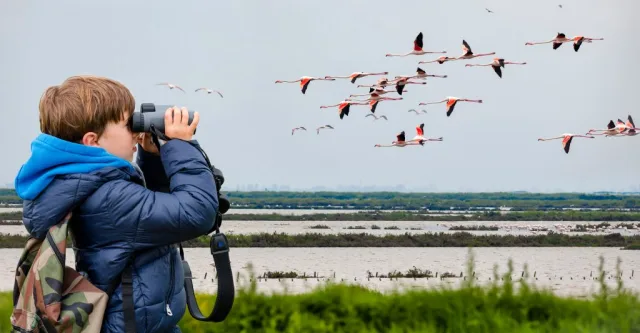
This is one of the ABA’s most impactful conservation programs. In partnership with the National Fish and Wildlife Foundation, Birders’ Exchange collects and ships equipment—from binoculars and field guides to spotting scopes and GPS units—to conservationists working in Latin America and the Caribbean. These essential tools empower local researchers to effectively study and protect the migrant birds that spend half their lives in the tropics.
Wrapping Up
Since its founding in 1969, the American Birding Association has successfully carved out a unique and vital niche in the world of nature organizations. It is the definitive voice for the continent's dedicated birders, providing the standards, the ethics, and the specialized knowledge required to pursue the hobby at a high level. By fostering a passionate community and leveraging that passion for tangible conservation efforts through programs like Birders’ Exchange, the ABA ensures that the act of birding contributes directly to the well-being of the birds themselves. Whether through its authoritative checklist or its promotion of the Birding Code of Ethics, the ABA remains the essential guide for anyone serious about finding, identifying, and appreciating the wild birds of North America.
