
The American Bird Conservancy (ABC) is one of the most vital and results-driven organizations working in bird conservation today. Founded in 1994, it emerged from a growing recognition that while large organizations like the National Audubon Society excelled at broad advocacy and public education, there was a pressing need for a focused, non-profit entity dedicated specifically to delivering direct, measurable conservation action for the most threatened bird species in the Americas. ABC was established with the explicit aim of preventing the extinction of wild birds and conserving their natural habitats throughout the Western Hemisphere.
ABC's approach is characterized by its science-based methodology and its emphasis on collaboration. It functions effectively as an "action arm" of the conservation movement, often initiating and executing projects on the ground, filling gaps that government agencies or larger, more generalized organizations might overlook. It doesn't just lobby for policy; it raises money and builds fences, restores wetlands, and purchases land to create reserves.
Aims and Guiding Principles
ABC's mission is succinct: "to conserve birds and their habitats throughout the Americas." This mission is executed through four core guiding principles, making it stand out among conservation groups:
Focus on the Rarest: ABC prioritizes species that are critically endangered, highly restricted in range, or facing imminent threats. This means much of their work centers on endemic birds in Latin America, where biodiversity is highest but resources are scarce.
Protecting Critical Habitats: Rather than focusing solely on individual species, ABC identifies and protects Key Biodiversity Areas (KBAs)—the most important places for bird conservation. This includes purchasing land or establishing partnerships with local communities to manage land as reserves.
Threat Reduction: ABC actively works to address the most direct and severe threats to birds, which include habitat loss, pesticide use, and—a major focus in the U.S.—the vast issue of cat predation and window collisions.
Building Capacity: The organization firmly believes in empowering local partners. Instead of imposing solutions, ABC works to fund, train, and support grassroots conservation groups and landowners in both the U.S. and Latin America.
Global Reach: Conservation Across the Americas
One of ABC's most distinctive features is its hemispheric reach. Recognizing that North American migratory birds spend up to half their lives south of the border, ABC's efforts are seamlessly integrated across the Western Hemisphere.
Latin American Reserves
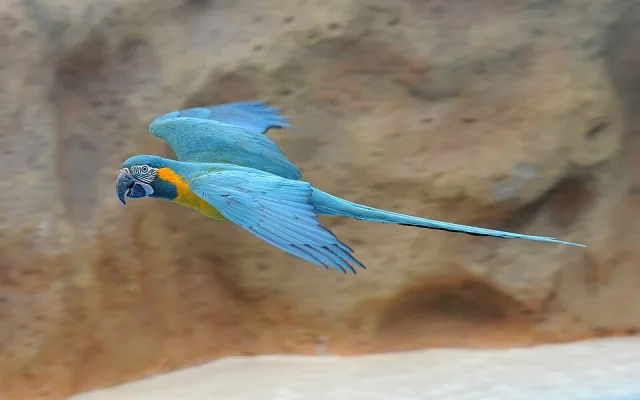
ABC has played a crucial role in establishing a network of protected areas across Central and South America. They have worked with local partners to help create and manage dozens of reserves, totaling hundreds of thousands of acres. These reserves protect highly endemic and endangered species, such as the Blue-throated Macaw in Bolivia and the O'Aka Reserve in Ecuador, established to save the Critically Endangered Esmeraldas Woodstar.
This strategy of creating and supporting reserves is a highly effective way to permanently safeguard habitats for both resident tropical birds and the neotropical migrants (like warblers and thrushes) that breed in the U.S. and Canada.
U.S. Habitat Protection
Within the United States, ABC concentrates on protecting federally listed species and unique ecosystems. Key activities include:
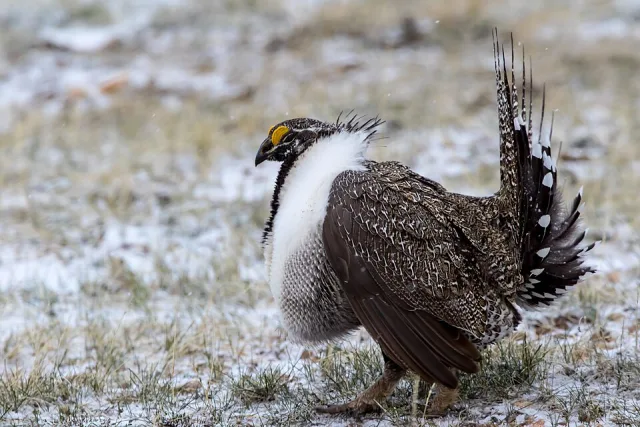
Sagebrush Conservation: ABC is a major player in efforts to save the Greater Sage-Grouse and the entire sagebrush ecosystem, working with private landowners to manage grazing practices and remove invasive species.
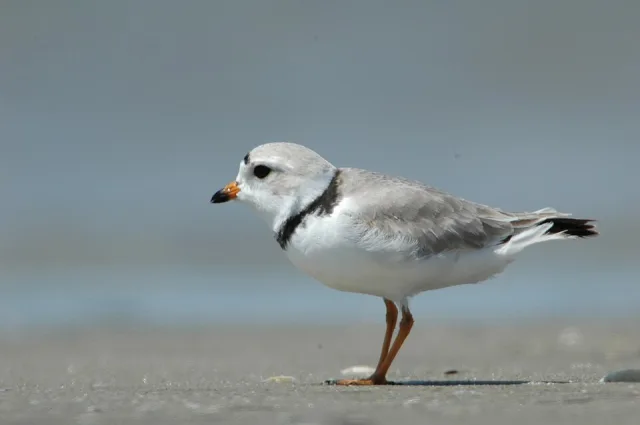
Seabird and Shorebird Protection: They are actively involved in restoring nesting habitat for threatened species like the Piping Plover and protecting colonies of seabirds from invasive predators on coastal islands.
Hawaii's Bird Crisis: ABC is one of the leading groups fighting the extinction crisis in Hawaii, focusing on control measures for mosquito-borne avian malaria, which is devastating native forest birds like the 'I'iwi.

Greater Sage-Grouse
Key Activities and Programs: The ABC Action Portfolio
ABC's action-oriented approach is best seen through its major programmatic campaigns:
1. Cats Indoors! and Collision Prevention
ABC is perhaps most famous for its campaigns addressing the two most significant human-caused mortality factors for birds in the U.S.:
Cats Indoors!: This campaign advocates for keeping domestic cats from roaming freely outdoors. ABC cites research showing that free-roaming domestic cats kill billions of birds annually in North America, making them the single largest source of direct mortality. The campaign focuses on public education and legislative advocacy to protect birds.
Glass and Collisions: ABC works with architects and building owners to implement bird-safe design standards, promoting the use of patterned or treated glass that birds can see. They also developed the Bird-Safe Cities Program to encourage municipalities to adopt preventative measures.
2. Pesticide Reduction and Healthy Habitats
Recognizing that many species are impacted by the loss of insects (their food source) due to widespread insecticide use, ABC advocates for the elimination of highly toxic pesticides, particularly neonicotinoids. They also actively promote Bird-Friendly Coffee and other sustainable agricultural practices that maintain habitat complexity and reduce chemical exposure on farms.
3. Conserving Rare Birds (Species Focus)
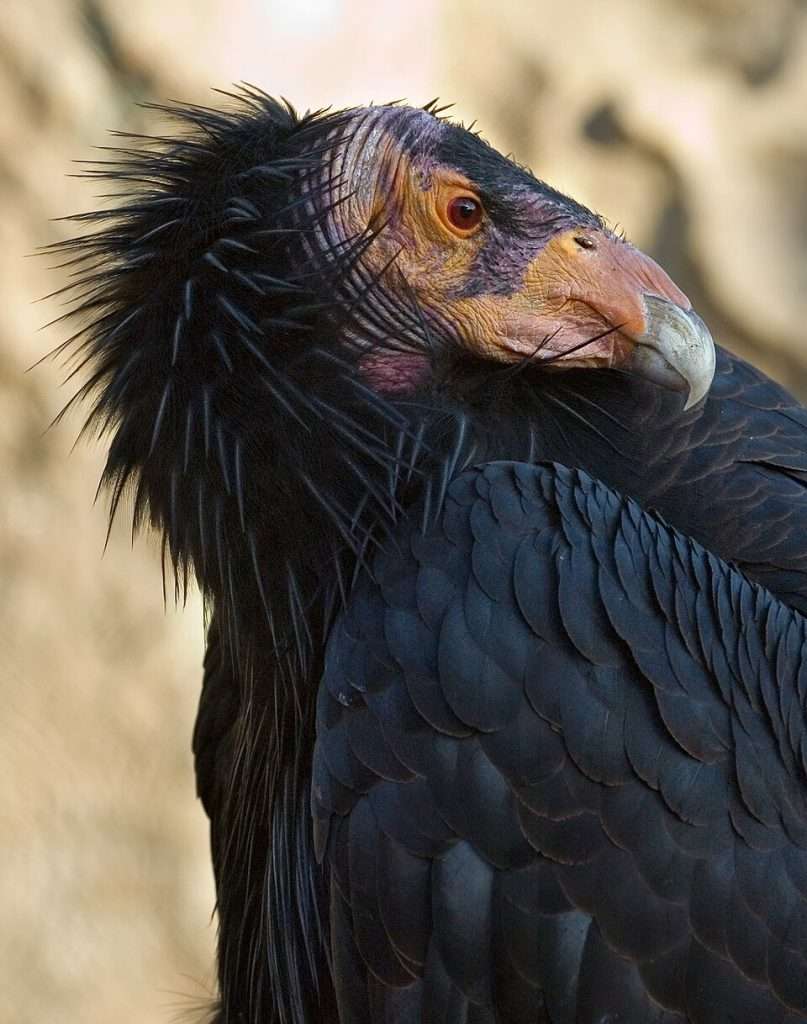
ABC runs dedicated campaigns for species on the brink. Examples include restoring habitat for the California Condor and funding captive breeding programs for species like the Attwater's Prairie-Chicken. This direct, targeted intervention is a cornerstone of their mission.
Size and Membership: Focused Effectiveness
The American Bird Conservancy is a lean, highly efficient organization. Its membership base is significant, though it focuses more on generating large-scale funding for projects than mass membership drives.
Membership: ABC has tens of thousands of dedicated supporters and members, who are typically high-engagement individuals deeply committed to conservation outcomes. They attract a following that appreciates their focus on measurable results and project completion.
Organizational Structure: ABC is intentionally structured to minimize overhead and maximize the percentage of donor dollars that go directly to on-the-ground projects. They achieve this through strong partnerships, leveraging local knowledge and labor rather than building huge, centralized offices.
Funding: ABC relies heavily on large grants from foundations, government agencies (like the USFWS), and major individual donors who are drawn to their high-impact, targeted approach. Their financial efficiency is a key selling point to funders.
Conclusion: The Future of Bird Protection
The American Bird Conservancy plays an indispensable role in the complex ecosystem of U.S. and hemispheric conservation. While other organizations focus on public outreach and policy, ABC remains the specialized force dedicated to action. By combining strategic habitat preservation in critical biodiversity areas with direct threat reduction campaigns—like keeping cats indoors and buildings bird-safe—ABC provides a measurable impact on species survival. Their model of collaboration and focus on the most imperiled birds ensures that every dollar spent is a dollar invested in preventing extinction. As global pressures on bird populations intensify, the work of the American Bird Conservancy is more vital than ever, securing a feathered future for the entire Western Hemisphere.
