
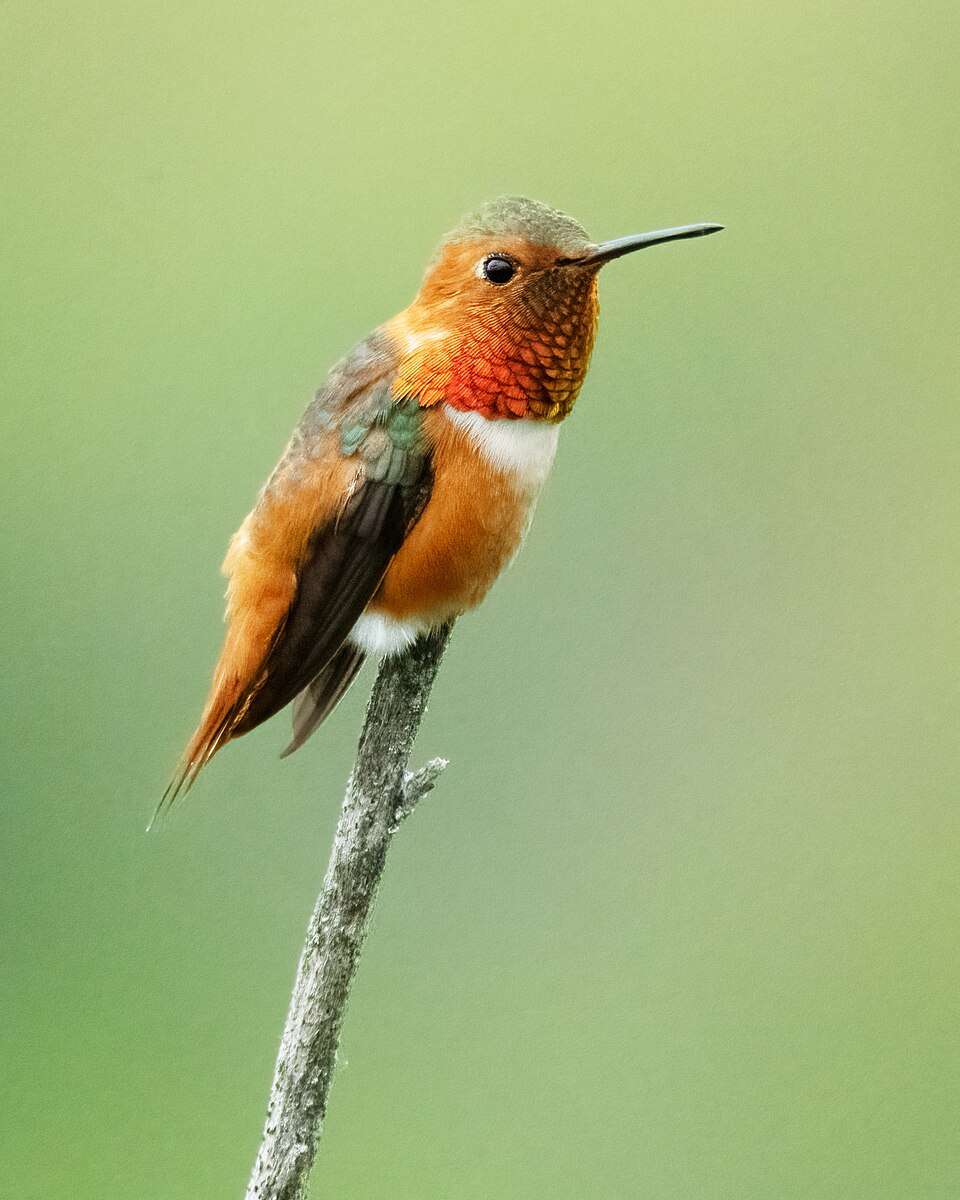
If you’ve ever looked out at your backyard and seen a tiny, orange-red blur zipping through the air like a miniature fighter jet, you’ve likely crossed paths with the Allen’s Hummingbird (Selasphorus sasin).
Affectionately known as the "tiny flame" of the Pacific coast, these dazzling little birds are a staple for California and West Coast backyard birders. But behind their feisty attitudes and breathtaking aerial U-shaped display dives lies a harsh reality: our local flames are flickering out.
The recent U.S. State of the Birds report issued a massive wake-up call, officially placing the Allen’s Hummingbird on the "Red-Alert" Tipping Point list. This means they have lost over 50% of their population in the last 50 years and face an immediate risk of extinction without direct help.

Because their breeding range is so heavily concentrated along a narrow strip of the California coast, what we do in our backyards matters immensely. Here is how you can turn your garden into a literal lifesaver for this West Coast treasure.
1. Plant Native California "Hummingbird Magnets"
While artificial sugar-water feeders are great, nothing beats natural, high-octane nectar. Allen’s Hummingbirds evolved alongside native West Coast flora, and planting these ensures they get the exact nutrients they need. Because they have a long breeding season (some coastal populations stay year-round!), try to plant a mix that ensures year-round blooms.
Look for red, tubular flowers, which are their absolute favorite. Excellent native options include:
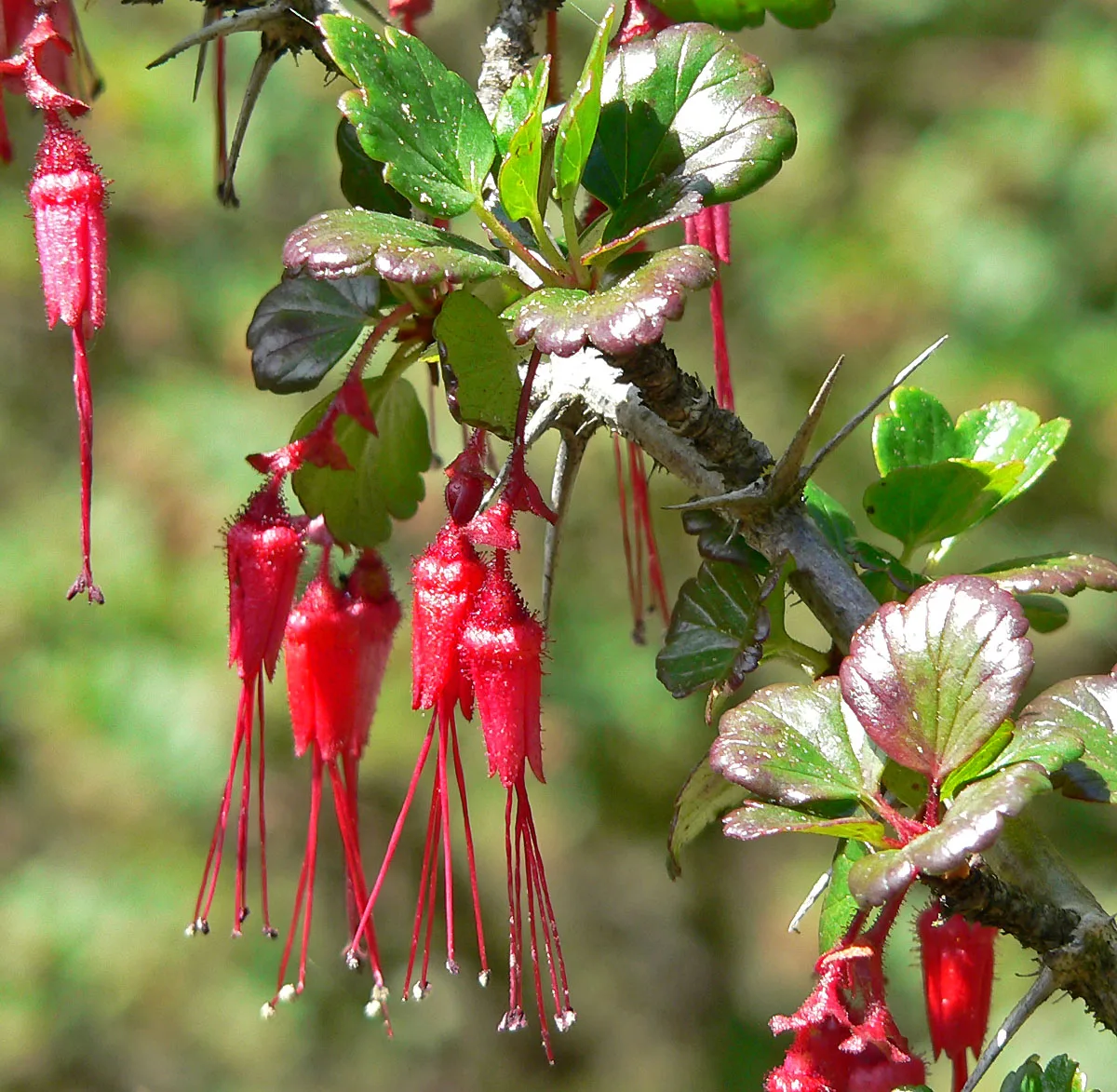
Fuchsia-flowered Gooseberry (Ribes speciosum): Essential for early-season nectar.
Bush Monkeyflower (Diplacus aurantiacus): Allen's are primary pollinators for these coastal beauties.
California Hummingbird Sage (Salvia spathacea): A absolute magnet for territorial males.
Indian Paintbrush (Castilleja species)
Western Columbine (Aquilegia formosa)
2. Ditch the Pesticides (They Need Bugs!)
It’s a common misconception that hummingbirds only eat nectar. Nectar is just the fuel; insects are the building blocks.
Female Allen’s Hummingbirds rely heavily on small spiders, gnats, and fruit flies for protein, especially when they are raising their nestlings. When you spray chemical pesticides in your yard, you eliminate their primary food source and risk poisoning the birds. Let your garden be a little wild—a healthy bug population means fat, healthy hummingbird chicks.

3. Keep Clean, Reliable Feeders (Step Up Your Cleaning Routine)
Because Allen’s Hummingbirds face intense habitat loss from urban development, backyard feeders are more crucial than ever. But a dirty feeder can host deadly fungal infections.
The Recipe: Mix exactly 4 parts water to 1 part white granulated sugar. Boil the water, mix in the sugar, and let it cool.
The Golden Rules: Never use red dye (it’s toxic), never use honey or artificial sweeteners, and change the water every 2 to 3 days in the warm California sun to prevent fermentation.
4. Protect and Provide Nesting Materials
Unlike larger backyard birds that use twigs, a female Allen’s Hummingbird builds a tiny, elastic cup made out of plant down, willow fibers, and spiderwebs. The spiderwebs allow the nest to stretch as the chicks grow.
Leave the cobwebs: Avoid power-washing your eaves, fences, or garden sheds during the spring.
Plant for cover: Females prefer to nest in sheltered trees and shrubs overhanging quiet areas, often using native oaks, cypresses, or thick berry brambles. Keep your yard layered with dense shrubbery to give them a safe haven from predators.
5. Eliminate Backyard Hazards
Because Allen’s Hummingbirds are adapted to coastal scrub and chaparral rather than dense urban concrete, our suburbs can be a gauntlet of hazards.
Keep Cats Indoors: Outdoor domestic cats are one of the leading causes of songbird and hummingbird mortality.
Window Strikes: Prevent collisions by applying UV decals or insect screens to large, reflective windows that face your garden or feeders.
Every West Coast Backyard Counts
The "Red-Alert" status of the Allen’s Hummingbird is undeniably alarming, but it’s also an invitation to act. Because their global footprint is so small, changes made by homeowners in Los Angeles, the Bay Area, and up into Oregon can genuinely bend the curve for this species.
By swapping out a patch of lawn for some native sage and keeping your feeders pristine, you aren't just watching nature—you’re actively saving it.
Have you spotted any Allen’s Hummingbirds in your yard this season? What native plants are they buzzing around the most? Let us know in the comments below!
