
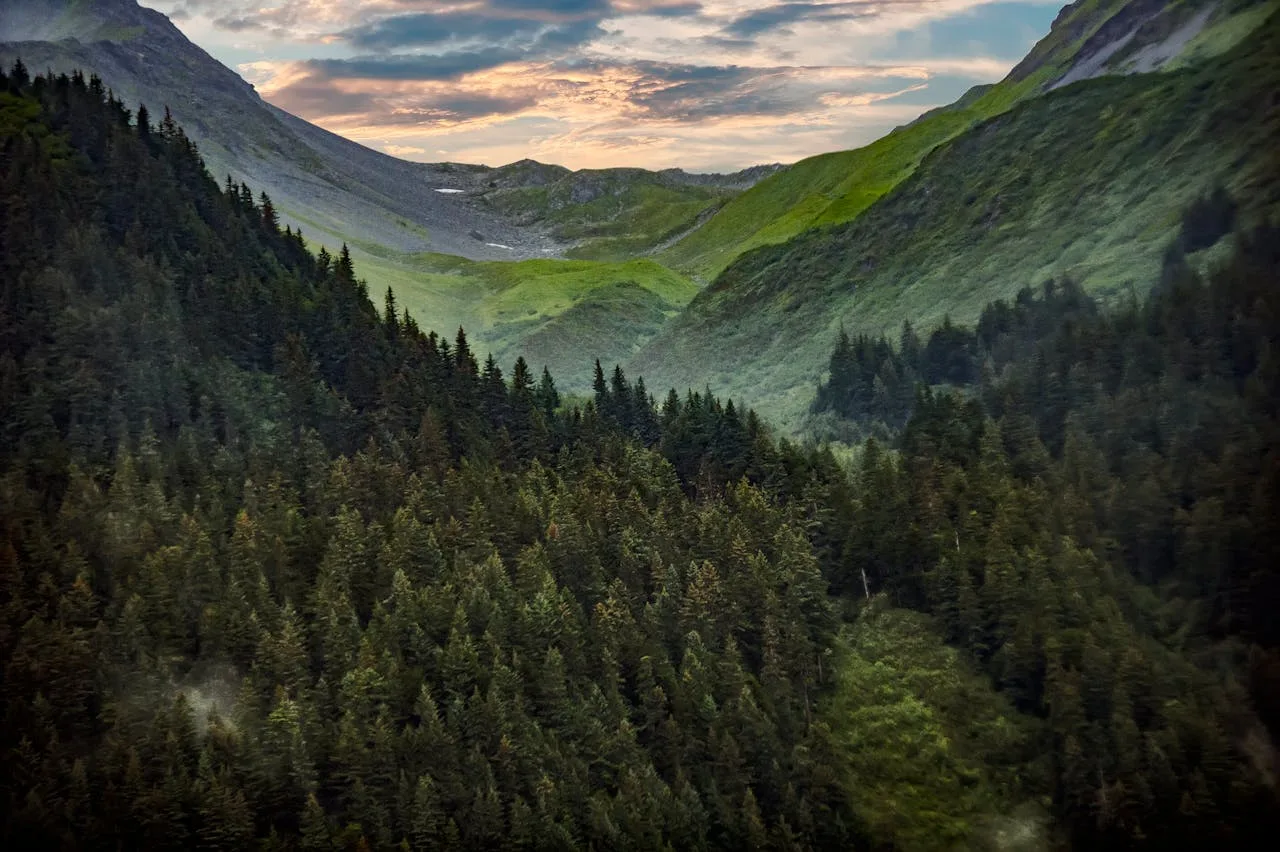
Alaska is not just another birding destination—it is an immersion into raw, untamed nature on a continental scale. Larger than Texas, California, and Montana combined, Alaska spans rainforests, glaciers, tundra, barrier islands, and storm-lashed seas. For birds, it is both a breeding stronghold and a migratory crossroads linking Asia and North America. For birders, it offers some of the most dramatic encounters on the continent, from Bald Eagles crowding coastal trees to delicate shorebirds nesting under the midnight sun.
A Land Built for Birds
Alaska’s power lies in its habitats. Along the southern coast, temperate rainforests meet cold, nutrient-rich waters that support immense fish populations. Farther north, vast wetlands and tundra provide insect-rich breeding grounds that erupt with life each summer. Alaska’s short growing season compresses the breeding cycle, concentrating birds, behavior, and spectacle into just a few months.
This abundance means that even casual birders are rewarded quickly. In many places, you don’t search for birds—they surround you.
Coastal Icons: Eagles, Seabirds, and Stormy Seas
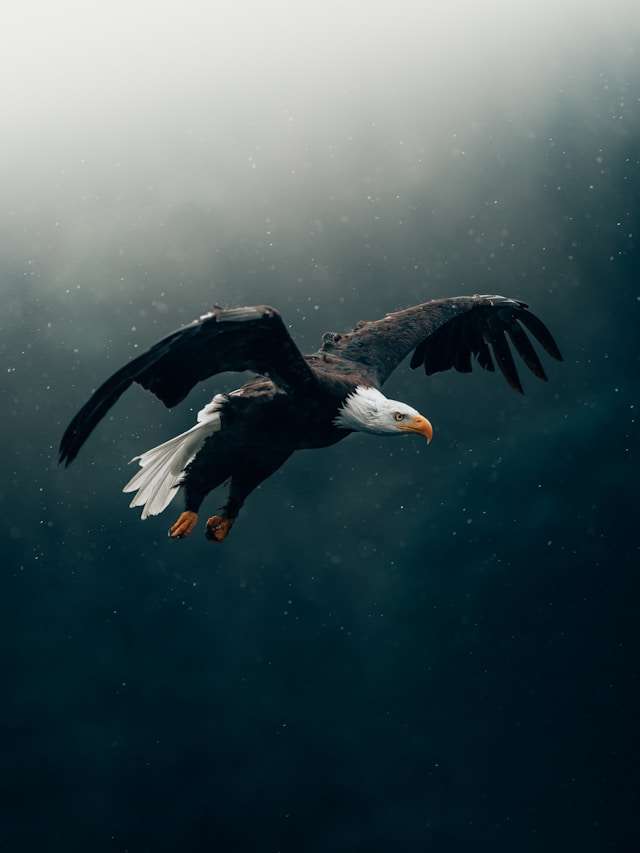
Few wildlife images are as emblematic as the Bald Eagle against Alaska’s coastline. Nowhere in the U.S. are they more numerous or visible. In Southeast Alaska—around places like Juneau, Sitka, and the Inside Passage—Bald Eagles perch in shoreline trees, line fishing docks, and soar above fjords in astonishing numbers. During salmon runs, dozens may gather along a single river.
The coast also hosts an extraordinary diversity of seabirds. Puffins—Tufted and Horned—nest on rocky islands, flashing orange bills as they return from fishing trips. Common Murres, Pigeon Guillemots, Rhinoceros Auklets, and Black-legged Kittiwakes crowd cliffs in noisy colonies. Pelagic trips in the Gulf of Alaska or the Bering Sea can yield albatrosses, shearwaters, and storm-petrels, species rarely seen elsewhere in the U.S.
These waters are not gentle, but that is part of the appeal. Birding here feels elemental, shaped by wind, tides, and weather.
Interior Alaska: Boreal Forests and Breeding Songbirds
Move inland and Alaska transforms again. The boreal forests around Fairbanks and Denali National Park are breeding grounds for migratory songbirds that spend winters as far south as Central and South America. In June, the forest rings with sound—Yellow-rumped Warblers, Northern Waterthrushes, Wilson’s Warblers, and Swainson’s Thrushes singing nearly nonstop in the extended daylight.
Denali’s open landscapes add raptors and grouse to the mix. Golden Eagles patrol ridgelines, while Gyrfalcons—North America’s largest falcon—may appear in more remote areas. Willow Ptarmigan, Alaska’s state bird, blend perfectly into their surroundings, shifting plumage with the seasons.

The light itself shapes the birding experience. With no true darkness, birds sing late into the night, allowing long, unhurried days in the field.
The Art of Perpetual Flight: How Albatrosses Master the Ocean Winds
The Arctic: Shorebirds at the Edge of the World
For many birders, Arctic Alaska is the ultimate prize. The North Slope and areas around Utqiaġvik (Barrow) and Nome host breeding shorebirds found almost nowhere else in the United States. These birds travel staggering distances to nest on the tundra, drawn by long daylight hours and explosive insect hatches.
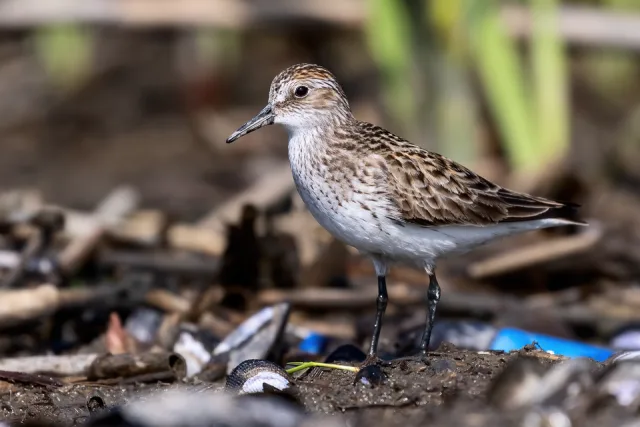
Here, you may encounter Red Phalaropes spinning in shallow pools, American Golden-Plovers defending nest sites, and tiny Semipalmated Sandpipers tending young just days after hatching. Rarer species—like the Bristle-thighed Curlew or Spoon-billed Sandpiper (as an extreme vagrant)—give Alaska a reputation for unexpected surprises.
Birding in the Arctic is humbling. There are few roads, few landmarks, and little shelter. The landscape feels ancient and exposed, and every bird sighting feels earned.
Migration and Global Connections
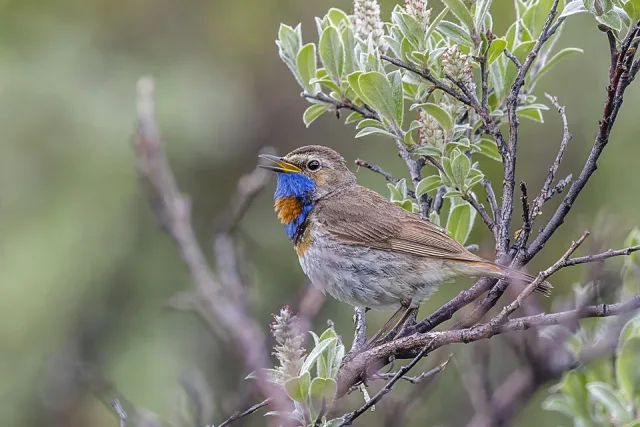
Alaska’s birds are global travelers. Many species link continents—Asian vagrants regularly appear in western Alaska, especially around Nome and the Aleutian Islands. This makes Alaska one of the best places in North America to encounter birds far from their expected ranges, including Siberian Accentors, Bluethroats, and various Old World flycatchers.
These crossings highlight Alaska’s role as a biological bridge between hemispheres, reinforcing its importance for conservation and research.
Why Alaska Changes Birders
Birding in Alaska strips the hobby back to its essentials: habitat, weather, patience, and awe. Distances are vast, conditions unpredictable, and comforts limited—but the rewards are unmatched. You see birds not as isolated checklist entries, but as part of immense ecological systems still functioning much as they have for millennia.
From eagle-filled coastlines to fragile Arctic shorebird nurseries, Alaska offers the wildest birding experience in America. It is a place that challenges, inspires, and ultimately reshapes how birders see the rest of the continent—proving that at the far edge of the map, birdlife still thrives on a grand, untamed scale.
