
For the passionate birder, few destinations rival the raw, breathtaking spectacle of Alaska’s coastal waters, where millions of seabirds converge during the short, bountiful summer. Far from being a niche interest, birdwatching here is an unforgettable, primary Alaskan experience. From the clown-faced puffins to the dense colonies of murres darkening the cliffsides, Alaska is a global epicenter for marine avian life, hosting over 30 species and an estimated 40 million seabirds across its expansive coastline.
The sheer scale of the birdlife is what defines birding in Alaska. The birds here aren't just passing through; they are establishing massive, cacophonous breeding colonies on remote cliffs and islands, offering an unrivaled opportunity to observe the complex, dramatic lives of ocean-dwelling species.
The Best Time to Visit: The Breeding Season Rush
The single most critical factor for an Alaskan seabirding trip is timing. The harsh Alaskan winter pushes almost all non-resident species south, but the return of the breeding migrants transforms the coastline into a hive of activity.
The peak season for seabird viewing is from late May through early August.
- Late May to Mid-June: This is the prime period for observing the initial arrival and courtship rituals. The birds are in spectacular breeding plumage, and the cliff colonies are just beginning to fill up.
- July: This month is arguably the best, as the chicks have hatched, and both parents are busy provisioning, creating a constant, frantic stream of activity between the colonies and the feeding grounds.
- August: Activity begins to slow down as the birds fledge their young and start to disperse back out to sea for their non-breeding cycle.
The summer provides long daylight hours—the famous "Midnight Sun"—giving birders maximum time to be out on the water or observing the colonies.
Where to Find the Flocks: Top Seabird Hotspots
Alaska’s coastline is vast, but several key locations are renowned globally for their accessibility and incredible density of nesting seabirds.
1. Kenai Fjords National Park (Seward)
Easily accessible from Anchorage, a day cruise out of Seward (Resurrection Bay) offers breathtaking views of tidewater glaciers and massive bird colonies. The rugged islands and fjords provide ideal nesting habitat.
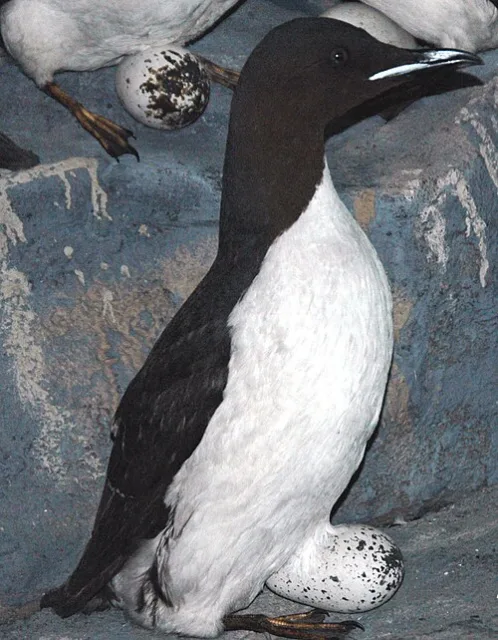
- Target Species: Common and Thick-billed Murres (often called "flying penguins"), Black-legged Kittiwakes (nesting precariously on tiny ledges), Pigeon Guillemots, and both Horned and Tufted Puffins.
- Must-See: Gull Island, a dramatic rock stack near the entrance to Resurrection Bay, which hosts tens of thousands of nesting birds and is often circled by marauding Bald Eagles.
2. The Pribilof Islands (St. Paul and St. George)
These small, remote islands in the Bering Sea are legendary among birders and are globally recognized as part of the Alaska Maritime National Wildlife Refuge. They are a little harder and more expensive to reach but deliver spectacular rewards, hosting an estimated three million seabirds.
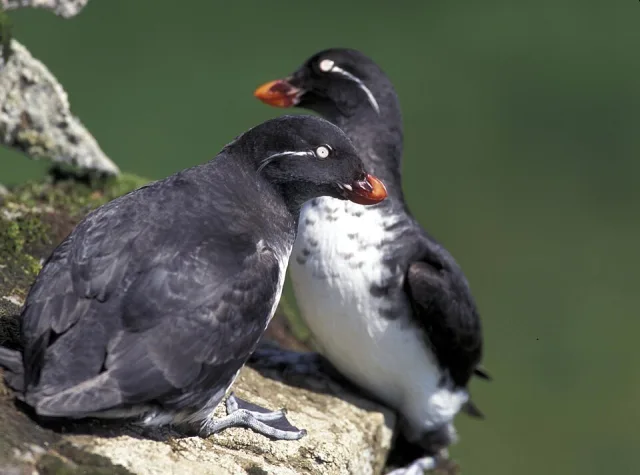
- Target Species: This is one of the world's most accessible places to see the charismatic and rare Red-legged Kittiwake, which nests alongside its black-legged cousins. The auklet colonies here are phenomenal, featuring Least, Crested, and Parakeet Auklets.
- Must-See: The dense cliff faces of St. George, home to one of the largest seabird colonies in the Northern Hemisphere.
3. Prince William Sound (Whittier and Valdez)
Similar to Kenai Fjords, the Sound is a labyrinth of sheltered water, glaciers, and steep cliffs. The bird colonies here are often found right alongside dramatic waterfalls.
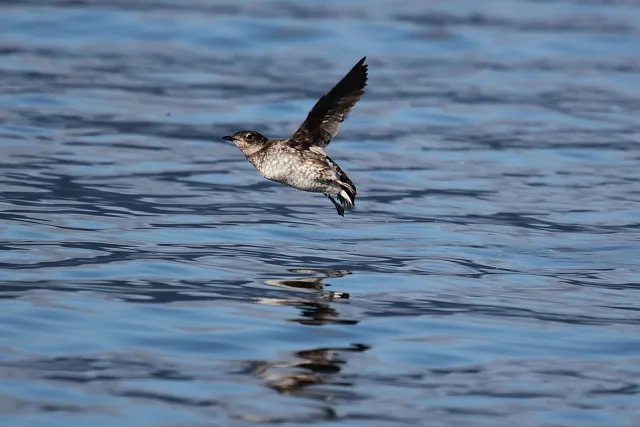
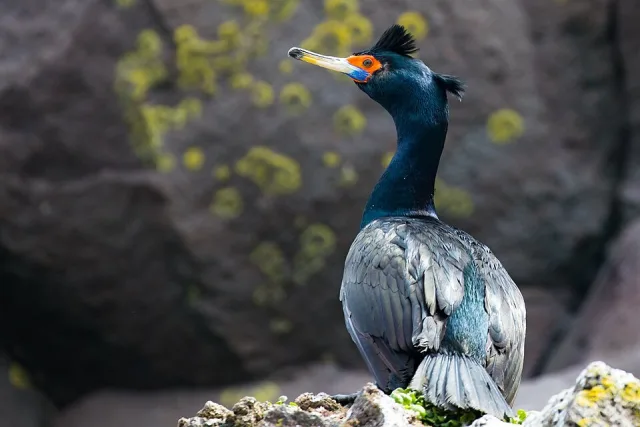
- Target Species: Large colonies of Black-legged Kittiwakes, Marbled and Kittlitz's Murrelets (challenging to spot, as they are non-colonial and nest inland in old-growth forests, but forage close to shore), and Cormorants (Pelagic and Red-faced).
- Must-See: Rookery Falls near Whittier, a sheer cliff face hosting thousands of nesting kittiwakes amid a thunderous waterfall.
The Main Characters: Key Alaskan Seabirds
Alaska is home to an incredible diversity of marine birds, but the experience is often dominated by a few key families:
The Alcids (Auks, Murres, and Puffins)
The Alcidae family is the core of the Alaskan seabird experience. These are the northern hemisphere's ecological equivalent of penguins—stocky, short-winged, and incredibly adept underwater divers.
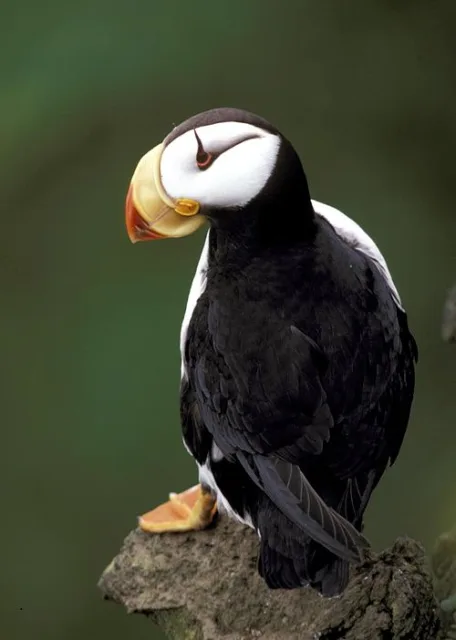
- Puffins (Horned and Tufted): Instantly recognizable. The Horned Puffin has a small black spike (horn) above its eye and a bright orange-yellow bill. The Tufted Puffin is larger, all-black with a white face mask and dramatic golden-yellow head plumes. They are often seen returning to burrows with beaks full of small forage fish (Capelin or Sand Lance).
- Murres (Common and Thick-billed): These tuxedo-black-and-white birds are the most numerous seabirds in the state. They nest shoulder-to-shoulder on tiny, exposed cliff ledges. They are deep divers, often pursuing fish hundreds of feet below the surface.
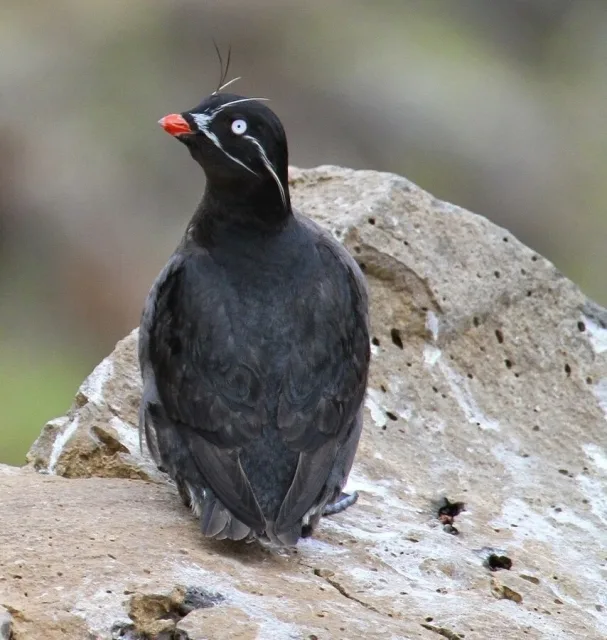
- Auklets (Least, Crested, Whiskered): Primarily seen in the Bering Sea (Pribilofs, Aleutians), these small, charming birds are a delight for the dedicated birder. The Crested Auklet has a distinctive, forward-curling topknot and a tangerine-scented musk.
Gulls and Relatives
While sometimes overlooked, the variety of gulls and their relatives is stunning.
- Black-legged Kittiwake: These gulls are strictly pelagic (ocean-going) outside of the breeding season. They are named for their call, which sounds like "kitt-ti-wake." Their most distinctive trait is their habit of nesting on the tiniest vertical cliff ledges, cemented by mud and guano.
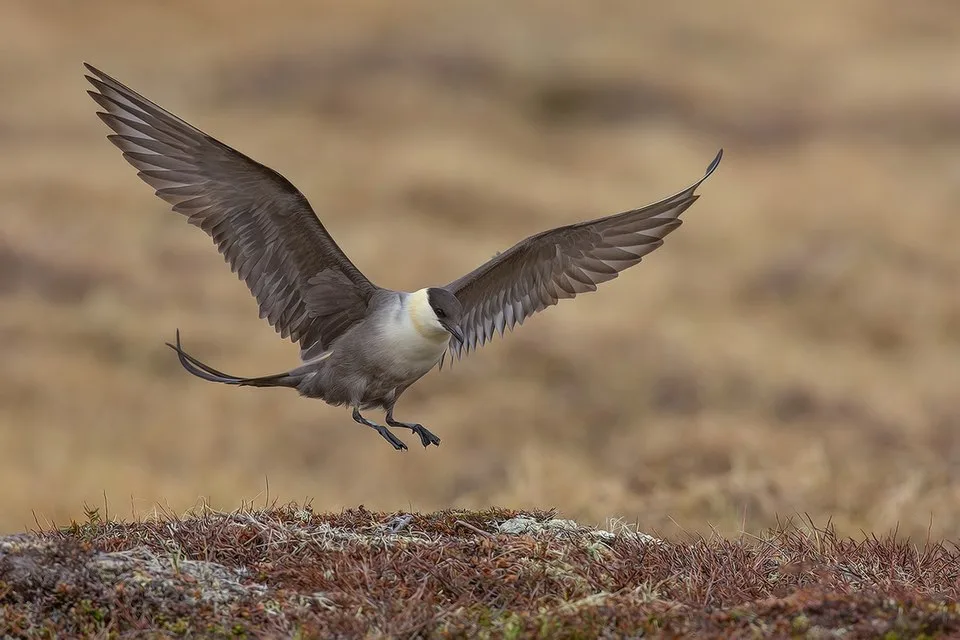
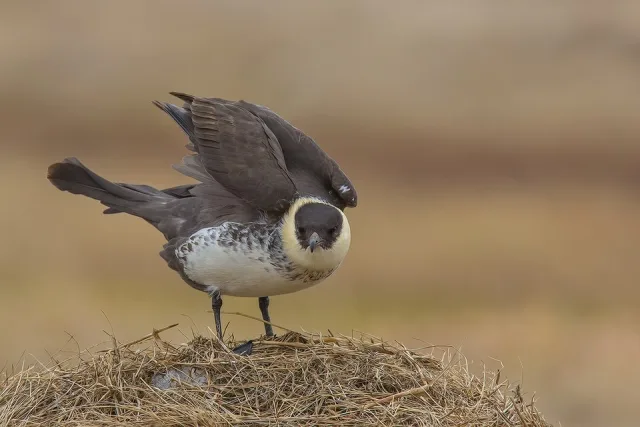
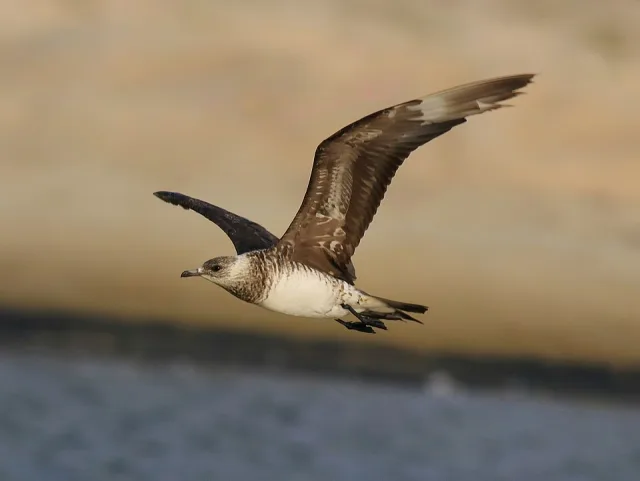
- Jaegers (Parasitic, Pomarine, Long-tailed): These powerful, dark raptors of the sea are best observed performing their dramatic, aerial piracy (kleptoparasitism), chasing gulls and terns until they drop their catch mid-flight.
Tubenoses
These birds (like Albatrosses and Shearwaters) are pelagic masters, spending most of their lives soaring over the open ocean.
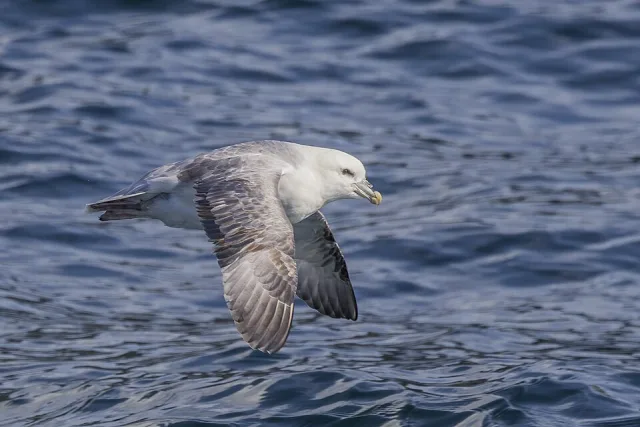
- Northern Fulmar: These stout, pale birds are often seen gliding effortlessly close to the water. A fascinating defense mechanism is their ability to projectile-vomit a foul-smelling, sticky stomach oil at intruders.
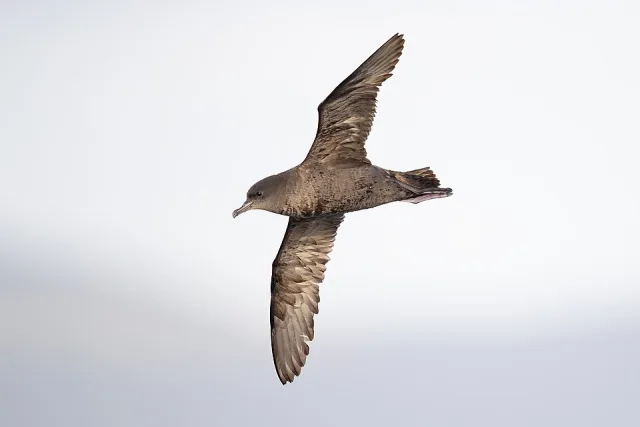
- Short-tailed Shearwater: Millions of these birds migrate from their nesting grounds in the South Pacific (near Australia) to feed in the rich Alaskan waters during the northern summer and fall, a feat of avian endurance known as the "whalebird" migration.
Essential Gear and Viewing Tips
Birdwatching in Alaska requires preparation, given the challenging marine environment.
- Optics are Key: High-quality binoculars (8x42 or 10x42 are ideal) are essential for identifying birds on the water or high up on cliff faces. A spotting scope is highly recommended for land-based viewing of colonies.
- Layers and Waterproofing: The weather on the water can change instantly. Always dress in warm, non-cotton layers and bring waterproof outer gear.
- Go Pelagic: The highest diversity of seabirds (Albatrosses, Shearwaters, and Storm-Petrels) is found on the open ocean. Take a dedicated pelagic trip or a whale-watching cruise, which often venture far enough offshore to find these species.
- Listen to the Locals: The best guides in Alaska are often local captains or dedicated refuge staff. They can lead you to the most active sections of the colonies and provide context on the bird's behavior and the health of the local marine ecosystem.
Alaskan seabirding is less about ticking off a rare sighting and more about witnessing one of the great wildlife phenomena on Earth: the overwhelming concentration of life where the mountains meet the sea. It's a loud, dramatic, and utterly unforgettable experience.
Birds of Alaska: Common, Migratory, and Rare Species of the Last Frontier
