

Alaska, the "Last Frontier," presents a birdwatching experience unlike anywhere else on Earth. Its sheer size and dramatic geographical extremes—from the temperate rainforests of the south to the frozen Arctic tundra of the north—create an unparalleled diversity of habitats. For the dedicated birder, this means a journey through Alaska is a pilgrimage to witness everything from iconic raptors and sea-faring puffins to rare Arctic specialists.
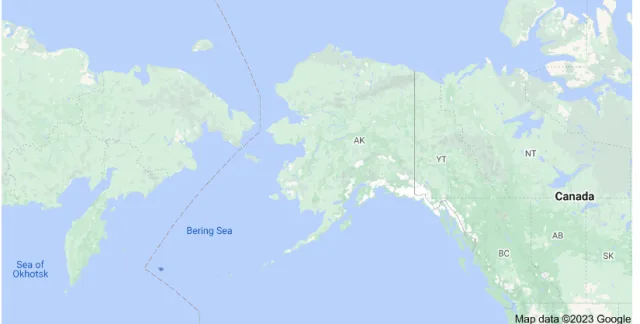
The state's vast network of protected lands offers prime viewing opportunities. At the southern end of the spectrum, the Kenai National Wildlife Refuge on the Kenai Peninsula showcases "Alaska in miniature," featuring coniferous forests, wetlands, and mountain peaks where species like the Trumpeter Swan, Spruce Grouse, and a variety of nesting songbirds and migratory waterfowl thrive. However, to truly grasp the state's avian range, one must look north to the very edge of the continent. The remote Arctic town of Utqiaġvik (formerly Barrow) is a crucial destination, providing a glimpse into the high-latitude breeding grounds of sought-after species like the magnificent Spectacled Eider and other tundra-dwelling shorebirds, making it an essential stop for a comprehensive Alaskan birding adventure. This article will explore the unique opportunities and contrasting avian life found in these two vital Alaskan birding hotspots.
St Paul Island
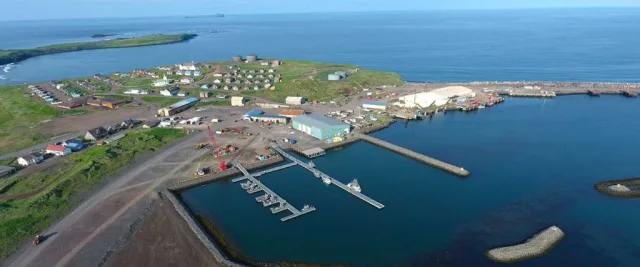
St. Paul Island, the largest of the Pribilof Islands, occupies a remote and critical position in the Bering Sea, approximately 300 miles west of the Alaskan mainland and 240 miles north of the Aleutian Islands. Geographically, this small, windswept landmass, only about 43 square miles in area, is volcanic in origin, characterized by low-lying tundra, grassy fields, small cinder cones, and rugged, rocky coastlines punctuated by sheer cliffs and sandy beaches.
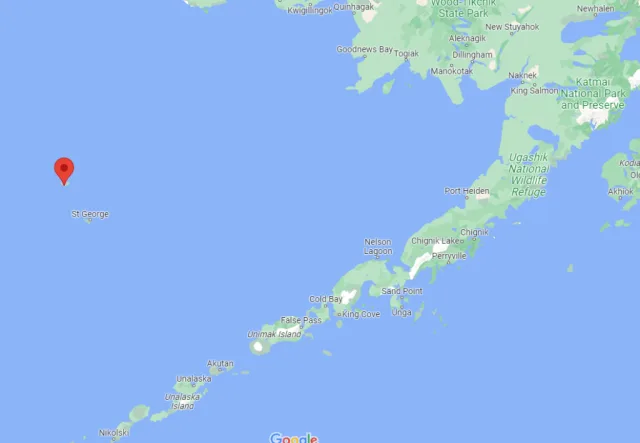
Its isolation and location on the southern edge of the Bering-Chukchi platform make it a vital oceanic stopping point and a natural "migratory magnet" for birds moving between the North American and Eurasian continents, contributing to a cool, foggy, maritime climate throughout the short summer season.
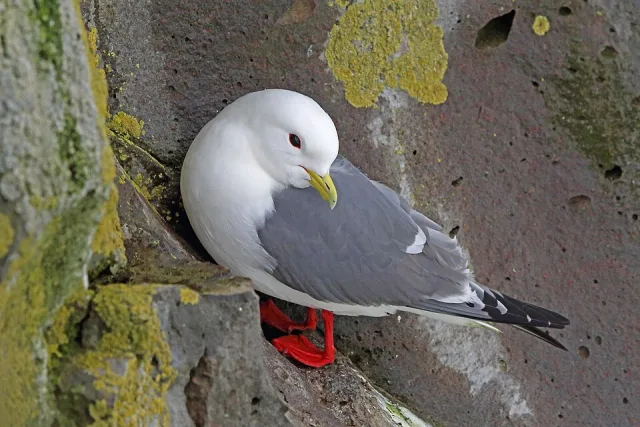
This unique geography and extreme isolation translate into what is arguably one of the most spectacular birdwatching destinations in the world. St. Paul Island is famed for its immense seabird colonies, with millions of birds nesting on the dramatic cliffs and shores. Target species include nearly the entire world population of the Red-legged Kittiwake, along with enormous colonies of seven species of Alcids, such as Least, Crested, and Parakeet Auklets, and both Horned and Tufted Puffins.
Beyond the breeding colonies, the island's strategic location often funnels rare Asian vagrants—migratory birds blown off course from Siberia—making every day a potential "jackpot" for serious birders, and adding to the island's recorded list of over 300 species. The resident subspecies of birds, including the endemic Gray-crowned Rosy-Finch, further cement St. Paul’s reputation as an essential pilgrimage site for international birding.
Target Birds
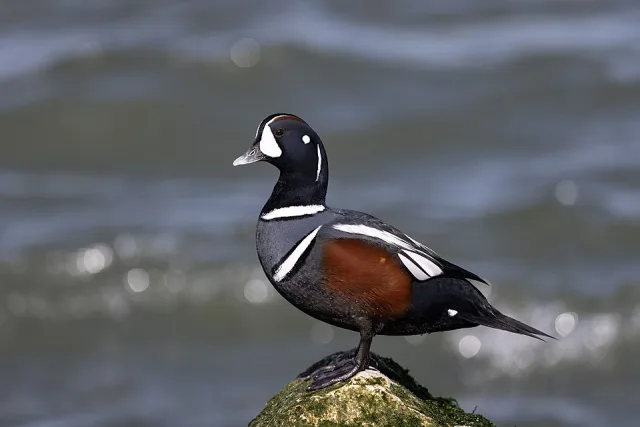
Harlequin and Long-tailed Duck
Rock Sandpiper
Long-tailed Skua
Pigeon Guillemot
Parakeet, Least and Crested Auklet
Horned and Tufted Puffin
This incredible place is isolated and rugged but has a township called St Paul. The Apia (Aleutian Pribilof Islands Association) website has lots of information about the island.
Kenai National Wildlife Refuge
The Kenai National Wildlife Refuge (KNWR) is a nearly two-million-acre preserve located on the Kenai Peninsula in Southcentral Alaska, with its headquarters situated near the city of Soldotna. Often called "Alaska in miniature," its geography is incredibly diverse, ranging from the glaciers and alpine tundra of the Kenai Mountains in the east to coastal wetlands, vast lowland boreal forests (taiga), and extensive muskeg (wetland bogs) ecosystems toward the Cook Inlet coast.
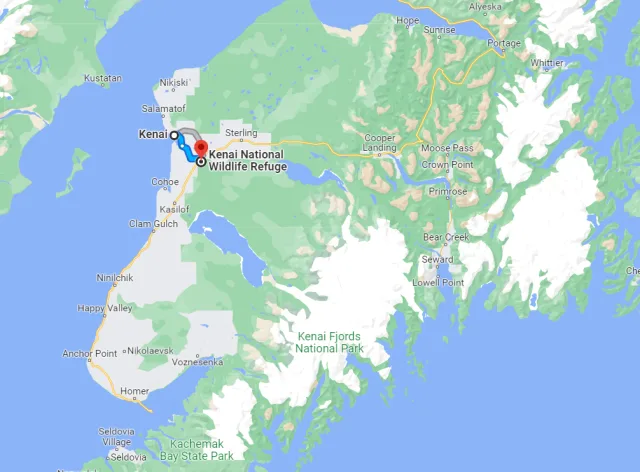
This variety is intersected by numerous lakes, including the massive Skilak and Tustumena Lakes, and the famous Kenai River, which drains the system. This juxtaposition of coastal temperate rainforest and inland boreal forest creates an exceptionally rich environment for wildlife. The refuge is relatively accessible by road from Anchorage, making it one of Alaska's most popular and highly visited refuges.
The immense habitat diversity of the KNWR provides outstanding birdwatching opportunities, particularly for waterfowl, forest birds, and migratory species. The refuge's countless lakes and wetlands are critical breeding grounds for thousands of migratory birds, including the majestic Trumpeter Swan, various ducks, and loons.
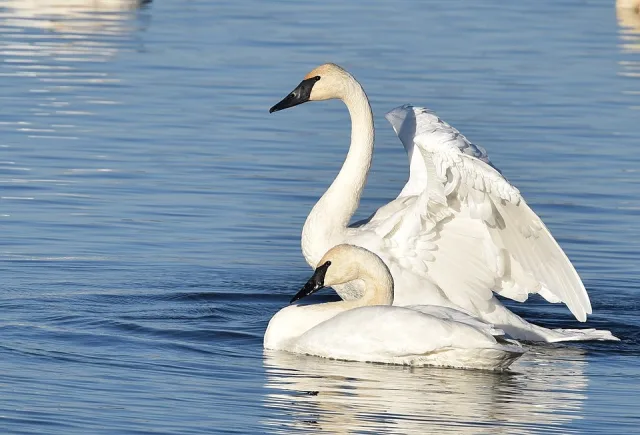
Birders can explore the lowland taiga, which hosts boreal specialists like the Spruce Grouse, Boreal and Black-capped Chickadees, and a variety of nesting warblers and thrushes like the Swainson's Thrush. Along the salmon-rich rivers, like the Kenai, large concentrations of Bald Eagles are frequently sighted. The refuge's extensive trail and canoe systems, such as the popular Swan Lake Canoe Trail, offer immersive access to these diverse habitats, allowing birders to observe over 200 species throughout the year, with spring and summer being the prime viewing seasons.

Target Birds
Hudsonian and Marbled Godwit
Least and Western Sandpiper
Glaucous-winged Gull
Bald Eagle
Arctic Tern
Wilson's Snipe
Sandhill Crane
The U.S. Fish and Wildlife Service website is an important source for information about the park and how to access it.
Gambell
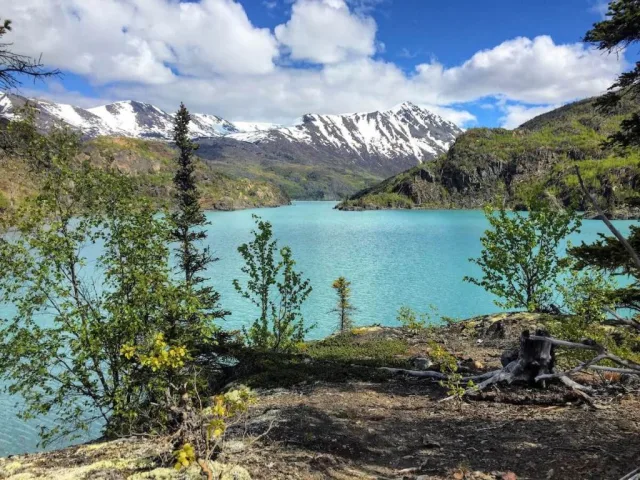
Gambell (known locally as Sivuqaq) is a remote Siberian Yupik village situated on the northwest cape of St. Lawrence Island in the frigid Bering Sea. This location is incredibly significant, as the island sits on the continental shelf, just 36 miles (58 km) from the Chukotka Peninsula in Siberia, making it the closest point in North America to Russia.
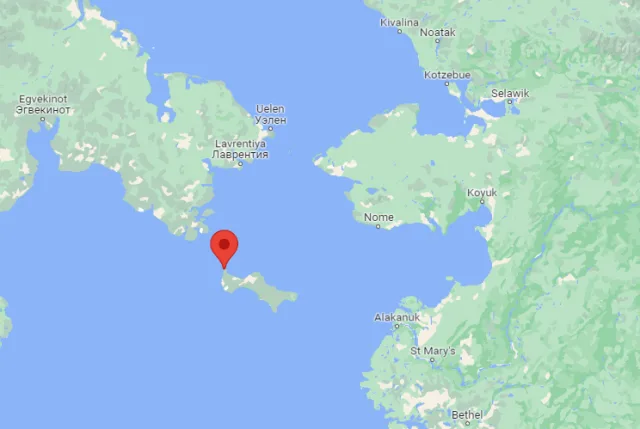
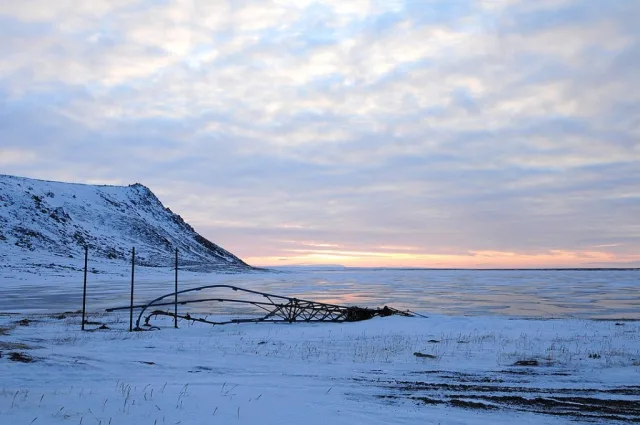
The geography is characterized by rugged, treeless tundra with a mountain ridge, Sevuokuk Mountain, rising behind the village, and coastal areas featuring sandy beaches and long spits. Its location, directly in the middle of the narrow Bering Strait, exposes it to a polar climate with long, cold winters and short, cool, often foggy summers, as well as the constant influence of the sea and shifting ice. The isolation and challenging environment have helped the local community maintain its traditional subsistence hunting culture centered on marine mammals.
Gambell's unique position transforms it into an unmissable destination for birdwatchers. The island acts as a pivotal migration superhighway, channeling millions of seabirds, waterfowl, and loons heading to their Arctic breeding grounds. Birders can witness spectacular "seawatches" featuring massive numbers of alcids like Least, Crested, and Parakeet Auklets, Murres, and sought-after sea ducks, including all four species of eiders: King, Common, Steller's, and Spectacled Eiders, as well as Emperor Geese.

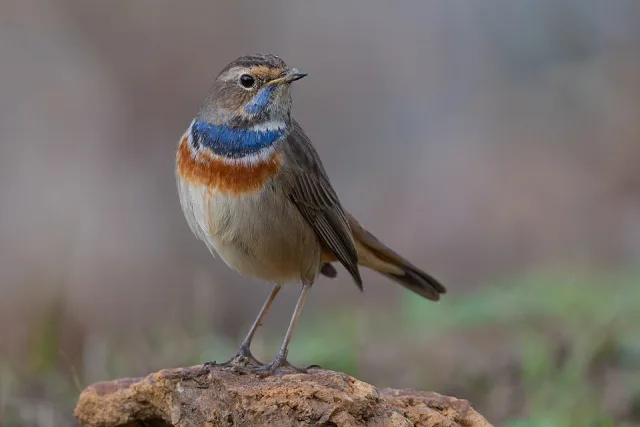
What truly distinguishes Gambell, however, is its reputation as the premier spot in North America for viewing Asian (Eurasian) vagrants. During migration, particularly in the spring and fall when strong easterly winds push birds off course, species rarely seen on the continent—such as Slaty-backed Gull, Bluethroat, Arctic Warbler, and various Asian shorebirds and passerines—often land in the few sheltered spots like the famous "boneyards" near the village.
Target Birds
Rock and Western Sandpiper
Pomarine Skua
Black Guillemot
Crested Auklet
Black-legged Kittiwake
Lapland Bunting
Audubon Alaska has information about current tour companies which include visiting Gambell.
Ketchikan
Ketchikan, often called "Alaska's First City," is the southernmost major community in the state's panhandle, situated on Revillagigedo Island within the Alexander Archipelago. Its unique geography places it at the entrance to the famous Inside Passage, making it a key port for ferries and cruise ships. The city is dramatically framed by the steep mountains of the Tongass National Forest, the largest national forest in the US, which covers much of the surrounding land.
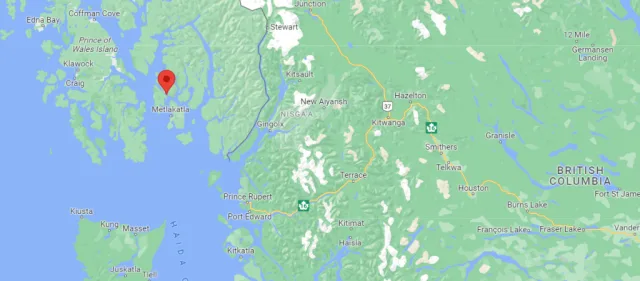
This landscape is dominated by a lush, temperate coastal rainforest, known for its towering Sitka spruce and western hemlock, and a remarkably wet climate—earning it the nickname "The Rain Capital of Alaska." The waters around Ketchikan are an extension of this habitat, featuring deep fjords and the Tongass Narrows, connecting the terrestrial rainforest to a rich marine ecosystem. Access to the city is limited to air or sea, as there are no roads connecting the island to the mainland.
This mix of dense rainforest, rocky shoreline, tidelands, and open marine waters makes Ketchikan a productive stop along the Pacific Flyway, boasting over 280 detected bird species. Birdwatching here centers on two main areas: the coast and the creek. The waterfront and nearby boat harbors like Thomas Basin are excellent for viewing seabirds and waterfowl, including Marbled Murrelets, Common Murres, Pelagic Cormorants, and various species of loons and scoters.
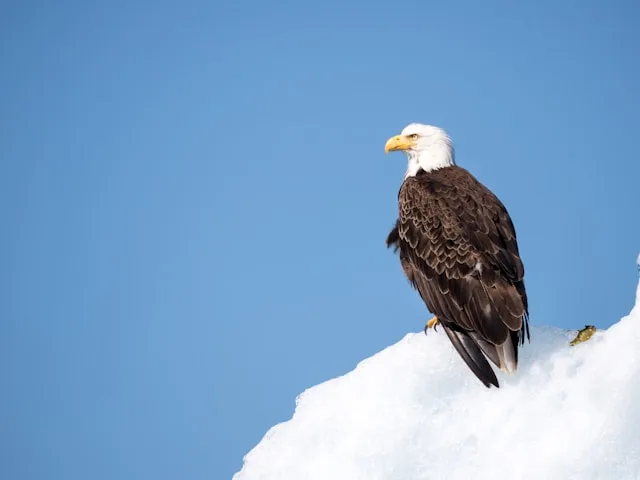
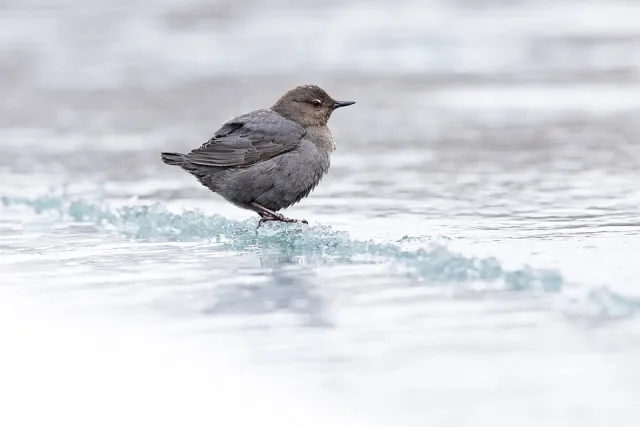
The name Ketchikan itself comes from a Tlingit phrase meaning "thundering wings of an eagle," a fitting tribute to the area's high density of nesting Bald Eagles. Additionally, the accessible Ketchikan Creek, which runs through the heart of the downtown area along the historic Creek Street, is a prime location during the salmon runs, attracting not only eagles and gulls but also smaller passerines, Belted Kingfishers, and the remarkable American Dipper along the stream margins. Popular viewing areas in the surrounding rainforest include the Ward Lake area and Settler's Cove State Recreation Site.
Target Birds
Bald Eagle
Chestnut-backed Chickadee
American Dipper
Townsend's Warbler
Pacific Wren
Surf and White-winged Scoter
Marbled Murrelet
Pacific-slope Flycatcher
Audubon Alaska is a great place to begin planning a bird watching trip to the area.

Mendenhall Wetlands
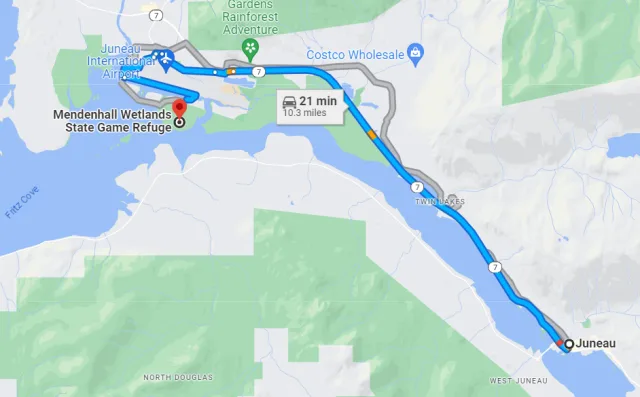
The Mendenhall Wetlands State Game Refuge is an ecologically vital, approximately 4,000-acre estuarine complex located in the heart of Juneau, Alaska, nestled between the city's mainland and Douglas Island along the shores of Gastineau Channel. This remarkable location places a globally recognized Important Bird Area directly adjacent to Alaska's capital city and its international airport. The refuge's geography is defined by a dynamic mix of habitats, where 17 freshwater streams, including the Mendenhall River, drain into the saltwater channel.
This mixing creates a rich blend of intertidal mud and sand flats, high and low salt marshes dominated by grasses and sedges, and uplifted meadows, all bordered by the classic coniferous forests of Southeast Alaska. The constant ebb and flow of the tide across this expansive, relatively flat landscape makes it a perpetually changing buffet for migrating birds, a geographic feature crucial to its value as a wildlife sanctuary.
The Mendenhall Wetlands are one of the most important and accessible birding destinations on the entire Alaskan coast, with over 230 bird species recorded here. Its primary significance is as a key migratory stopover location for waterfowl and shorebirds traveling along the Pacific Flyway, especially during the spring (April-May) and fall (late August-November) migrations. Birders can witness massive concentrations of species refueling on the abundant marine invertebrates and aquatic plants.
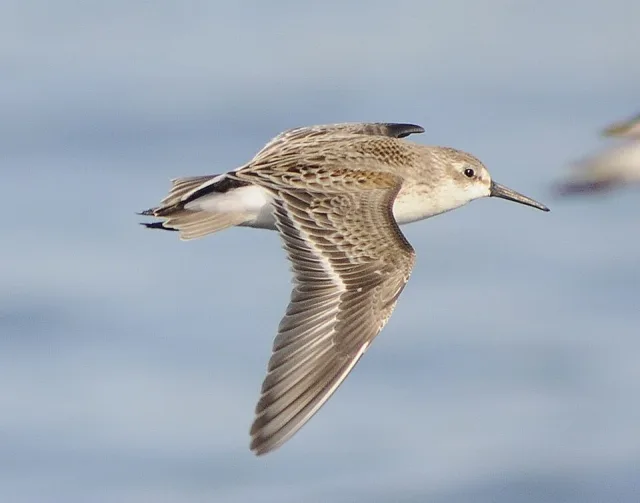
Shorebirds like Western Sandpipers, Dunlin, Ruddy Turnstones, and Surfbirds utilize the mudflats, while vast flocks of diverse waterfowl, including various species of ducks (Mallards, Northern Shovelers, Scoters) and geese (Canada Goose), graze in the sedge meadows. Additionally, the refuge provides habitat for resident birds like the Bald Eagle and various raptors, including the Short-eared Owl, making it a productive birding site year-round, easily accessed via trails like the popular Airport Dike Trail.

Target Birds
Vaux'Swift
Townsend's and Wilson's Warbler
Golden-crowned Kinglet
Arctic Tern
Western Tanager
Buff-bellied Pipit
The U.S. Fish and Wildlife Service documents the history of the area and how the wetlands developed.
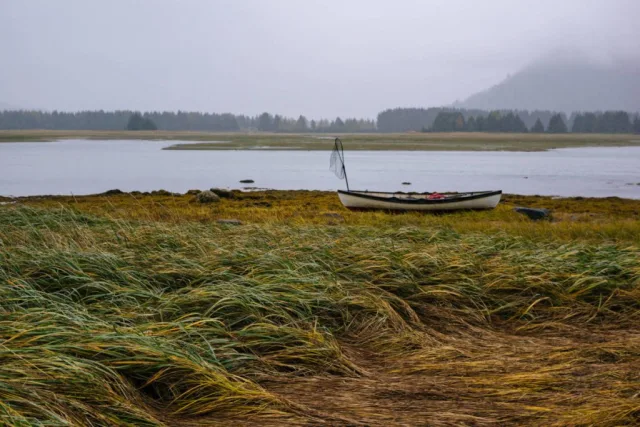
Lake Hood
Lake Hood is a unique geographic and logistical feature of Anchorage, Alaska, located immediately adjacent to the Ted Stevens Anchorage International Airport. Far from being a pristine, remote wilderness lake, it is the world's busiest seaplane base, a major hub for Alaska's unique air transport system.

The lake's geography is characterized by a complex of water bodies, including Lake Hood and the connected Lake Spenard, surrounded by the metropolitan landscape of the city, with a backdrop of the Chugach Mountains. Despite its urban setting and constant aviation activity, the lake and its neighboring wetlands exist within the extensive Anchorage area habitat, which includes boreal forests and numerous ponds, making it an accessible, if unconventional, site for observing avian life.
The constant churn of floatplanes doesn't deter a significant number of bird species, making Lake Hood a surprisingly productive and highly accessible urban birding spot. The water bodies serve as an important stopover and nesting site for a variety of waterfowl and waterbirds, particularly during the spring and summer migration.
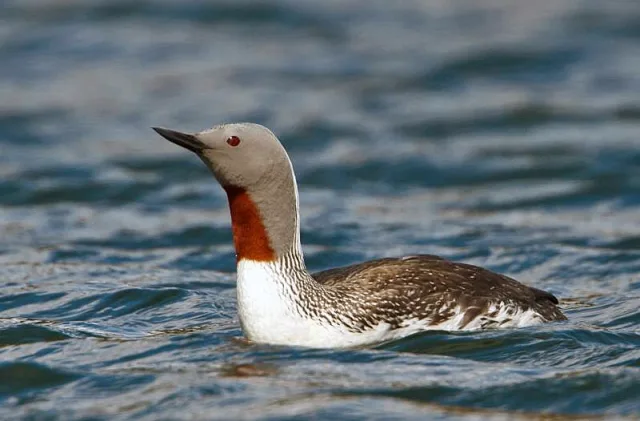
Birdwatchers frequently record species such as Trumpeter Swans, Red-necked Grebes, and different types of loons (like the Common Loon and the less common Red-throated Loon), along with a good assortment of ducks including Barrow's Goldeneye and various teal and scaup. The mix of water access and nearby urban greenery also makes it possible to spot common resident raptors like the Bald Eagle and various songbirds in the surrounding park areas, offering a distinctive Alaskan birding experience that combines industrial activity with natural beauty.

Target Birds
Barrow's Goldeneye
Red-necked Grebe
Short-billed Gull
Red-throated and Pacific Diver
Surf and Black Scoter
Anchorage.net has information for birders visiting the area and links for more details.
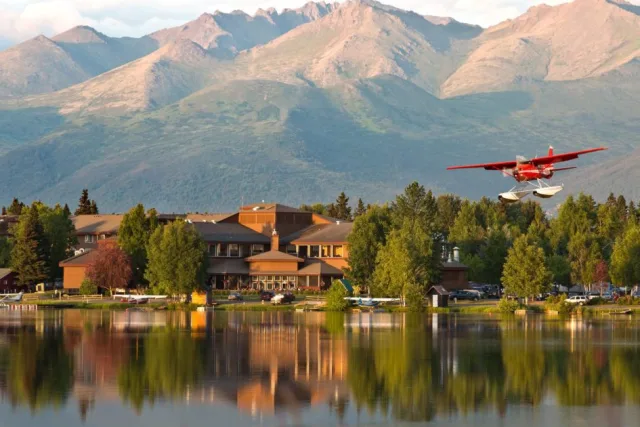
Denali National Park and Preserve
Denali National Park and Preserve is a colossal wilderness area in the interior of Alaska, centered around the Alaska Range and Denali (Mount McKinley), North America's highest peak. Geographically, it covers a breathtaking transition zone, moving from boreal forest (taiga) at the lower, eastern entrance to vast alpine tundra, glacial valleys, and bare rock at the highest elevations.
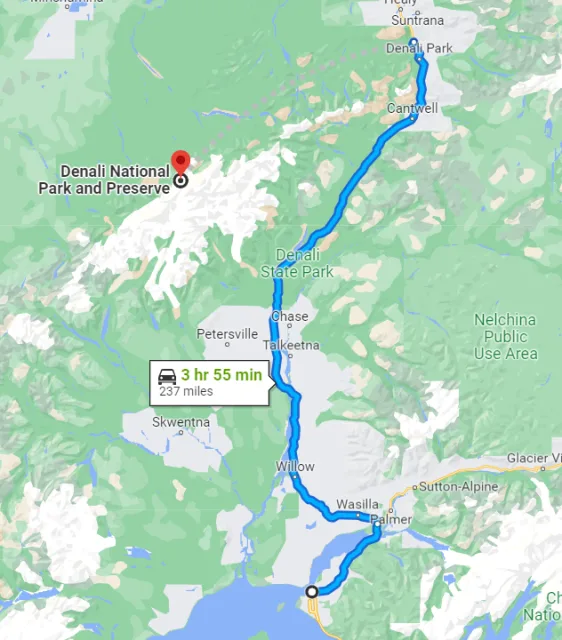
The single 92-mile Park Road acts as the primary access corridor, cutting through these distinct habitats. This geographical diversity provides a critical summer haven for migratory species and permanent shelter for hardy year-round residents, creating an exceptionally rich environment for birdlife that is largely untouched by human development.
Birdwatching in Denali is an experience defined by the subarctic summer breeding season (May through August), when over 160 species arrive. The park's varied habitats offer unique viewing opportunities: the lower-elevation spruce forests and river valleys are home to species like the Spruce Grouse, Canada Jay, and various warblers, while the wide-open tundra is the best place to find coveted Arctic and alpine birds.
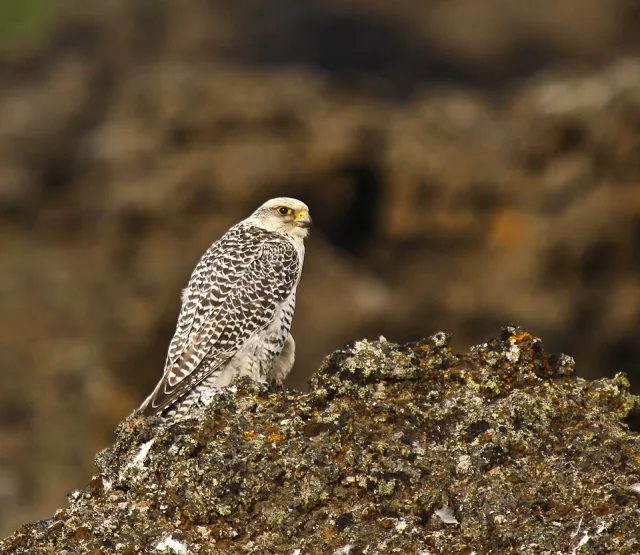
Birders often spot the camouflaged Willow and Rock Ptarmigan, as well as soaring raptors like the impressive Golden Eagle and the powerful Gyrfalcon. Access is primarily via the park's bus system, which limits private vehicle traffic and maximizes opportunities for spotting wildlife, including the 'Big Five' mammals, alongside the diverse avian residents and migrants.

Target Birds
American Three-toed Woodpecker
Boreal Chickadee
Golden Eagle
Northern Shrike
Arctic Warbler
Rock Ptarmigan
The National Parks Service has an excellent webpage dedicated to the Denali area with specific information on safety, current closures and of course, birds.

Utqiaġvik
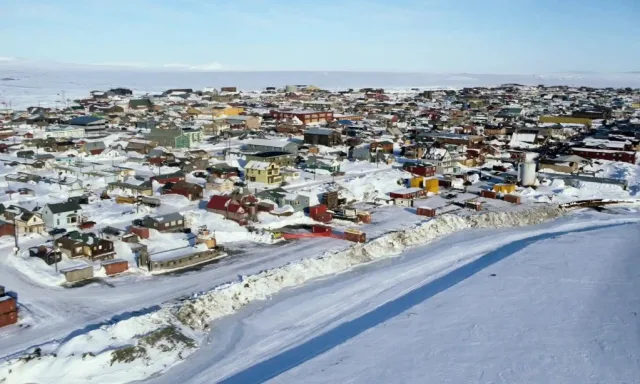
Utqiaġvik (formerly Barrow) is the northernmost community in the United States, situated on the Chukchi Sea coast where it meets the Beaufort Sea, approximately 320 miles north of the Arctic Circle. The local geography is dominated by low-lying, flat Arctic tundra built upon a layer of permafrost that can be hundreds of feet deep. This extreme northern position results in a severe tundra climate, characterized by long, dark, and very cold winters with a 65-day period of polar night (late November to late January), and short, cool summers featuring the midnight sun (continuous daylight from May to August).
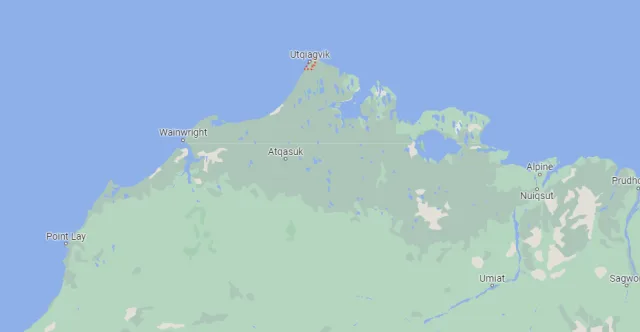
The landscape is dotted with numerous small lakes and ponds, which are crucial habitats formed by the thawing of the shallow active layer above the permafrost. Utqiaġvik is only accessible by air and is the economic and administrative center of Alaska's North Slope Borough.
This remote location transforms Utqiaġvik into a world-class destination for birdwatchers, especially during the breeding season. The spring and summer months see an explosion of migratory birdlife that travels from multiple continents to breed on the productive Arctic tundra under 24 hours of daylight. The area is globally significant as a breeding and staging ground for a wide array of shorebirds and waterfowl.
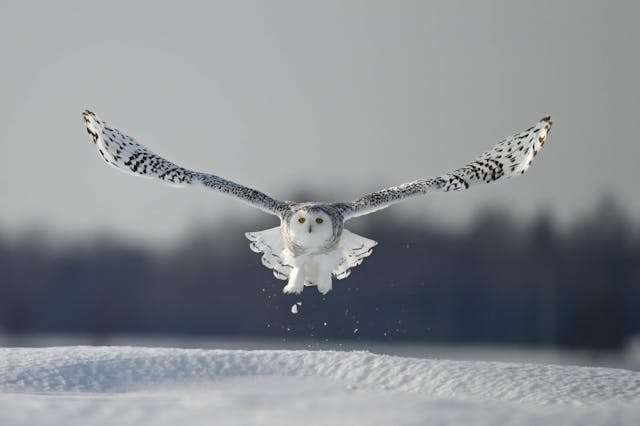
Key species sought by birders include all four species of North American Eiders (King, Common, Steller's, and the threatened Spectacled Eider), the iconic Snowy Owl, and numerous shorebirds in their vibrant breeding plumage, such as Red Phalaropes, Buff-breasted Sandpipers, and American Golden-Plovers. The junction of the two seas also makes it a prime location for pelagic species and a magnet for Asian vagrants, which occasionally overshoot their normal migration routes and appear at this northern extremity, offering unique sighting opportunities along the coast and inland lagoons.
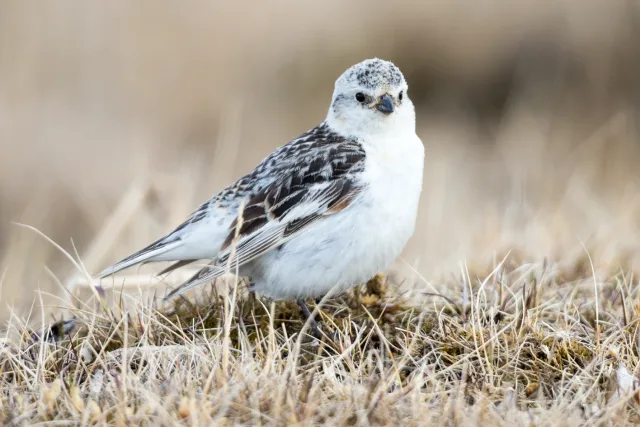
Target Birds
Lapland and Snow Bunting
Grey-crowned Rosy-Finch
Spectacled, King and Common Eider
Gray and Red-necked Phalarope
Ross's, Iceland and Glaucous Gull
White-billed Diver
Short-tailed Shearwater
- Snowy Owl
The USFWS has interesting information about the studying of shorebirds in the city.

Tanana Lakes Recreation Area
The Tanana Lakes Recreation Area (TLRA) is a crucial, easily accessible birding location nestled just minutes south of downtown Fairbanks, making it an essential stop for anyone visiting Interior Alaska. Geographically, this approximately 750-acre park lies within the Tanana River watershed, an area defined by low-gradient river channels and extensive alluvial plains.
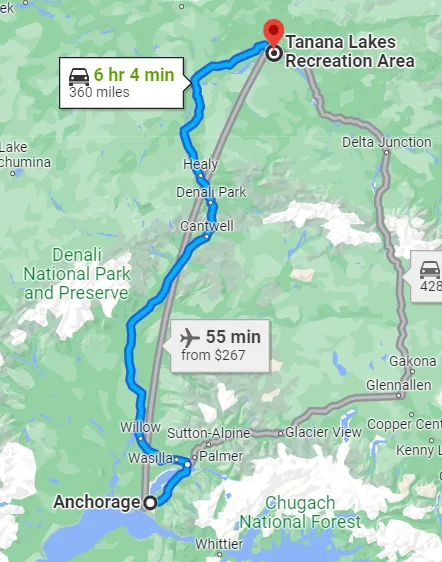
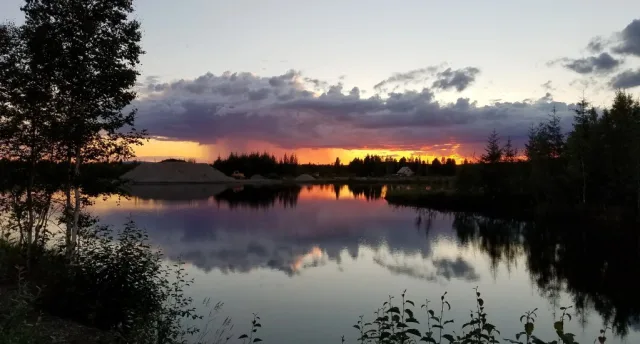
The terrain is characterized by a mix of boreal forest, primarily black spruce, along with willow and alder thickets, but its defining feature is a series of kettle lakes and man-made ponds carved into the landscape. This combination of wetland and wooded habitats creates a rich ecological mosaic that is highly attractive to a wide variety of bird species, particularly those migrating through or breeding in the area’s wetlands.
The recreation area's varied geography provides excellent birdwatching opportunities throughout the warmer months. The extensive network of lakes and their associated shorelines, dikes, and hiking trails create an ideal environment for viewing waterfowl and shorebirds, especially during the intense spring migration. Enthusiasts frequently spot species like Arctic Terns over the open water and different kinds of sandpipers along the muddy edges.

Moving away from the lakes and onto the wooded trails, the boreal forest habitat becomes a magnet for passerines. Common sightings include the bright Yellow-rumped Warbler and the tiny, melodious Ruby-crowned Kinglet. While the site is actively used for swimming, boating, and fishing, its accessible trails and diverse habitats ensure that the TLRA remains one of Fairbanks' most productive and convenient birding hotspots, occasionally even yielding rare "accidental" species that stray far from their normal migration paths.

Target Birds
Northern Waterthrush
White-winged Scoter
Semipalmated Plover
Canada Jay
Bohemian Waxwing
Two-barred Crossbill
The Arctic Audubon website has information about all the local Fairbanks birding spots.
Nome and Surrounds
Nome, located on the southern coast of the Seward Peninsula in western Alaska, sits just below the Arctic Circle and is fronted by the Bering Sea. Geographically, its surrounds are characterized by rolling tundra and coastal lowlands, interspersed with willow-lined river valleys and the granite peaks of the Kigluaik Mountains inland.

Unlike many remote Alaskan areas, Nome benefits from three main road systems (Kougarok, Council, and Teller Roads) that extend for many miles into this diverse landscape. This relative road accessibility across the sub-arctic terrain, which includes marsh, dwarf spruce forest remnants, and alpine tundra, is a primary reason Nome is renowned as a premier birding destination. During the short but intense summer, the "land of the midnight sun" provides nearly 24 hours of daylight, maximizing birding opportunities.
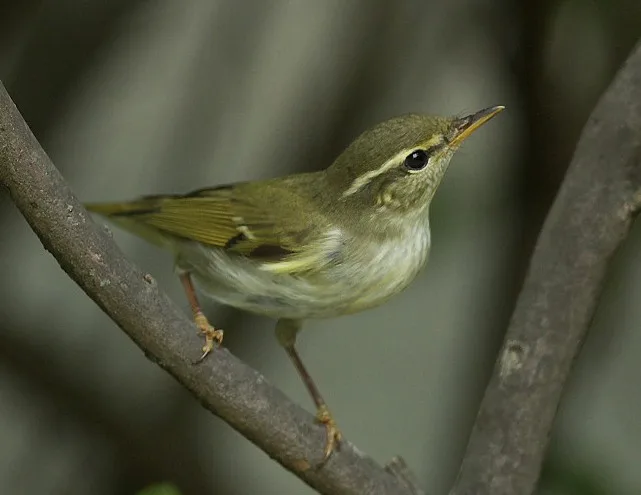
The Nome area's unique location—as the far eastern edge of Eurasia's avian range—makes it a high-value destination for sighting rare Asian vagrants, alongside North American specialties. Over 200 species of birds migrate or nest here, with highly sought-after targets including the striking Bristle-thighed Curlew (which nests on the alpine tundra of Coffee Dome) and Eurasian specialties like the Bluethroat and Arctic Warbler, which breed in the dense willows.
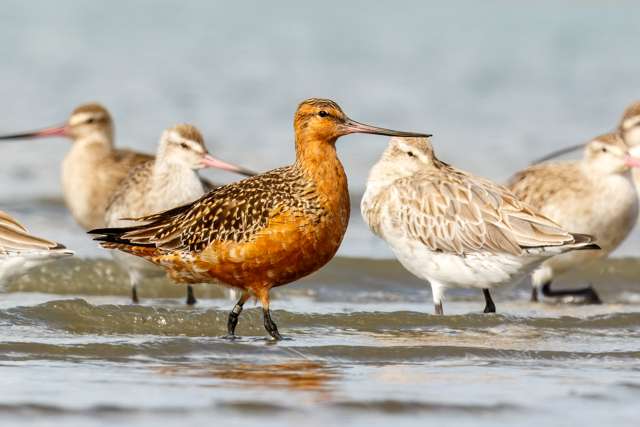
The coast and lagoons, such as Safety Sound, are crucial for viewing breeding waterfowl like all four species of eiders (including King and Steller's Eiders), Aleutian Terns, and various shorebirds like the Bar-tailed Godwit and Pacific Golden-Plover in their vibrant breeding plumage. The combination of easy access to distinct habitats and the chance of a Eurasian rarity solidifies Nome's status as a birding Mecca.
Target Birds
Short-billed Gull
Short-eared Owl
Willow Grouse
McKay's and Snow Bunting
Common Eider
Pelagic Cormorant
Alaska.org has information about specific spots around Nome for bird watching.
Wrapping Up
From the temperate wetlands of the Kenai National Wildlife Refuge to the wind-swept shores of Utqiaġvik and the Eurasian-tinged tundra of Nome, Alaska offers a birding landscape of unmatched scale and intensity. It is a state where the sheer drama of nature—the long summer sun, the immense glaciers, and the raw power of the Bering Sea—directly shapes the lives of nearly 500 avian species. For many, a trip to this "Last Frontier" is not just about ticking rare birds off a list, but about witnessing one of the planet's great spectacles: the global convergence of migration and breeding at its northernmost edge.
The rewards of birding in Alaska are proportional to the efforts required. It means the satisfaction of locating a Bristle-thighed Curlew in the alpine tundra or watching all four species of eiders migrate along the Arctic coast. Moreover, birdwatching tourism in Alaska provides a sustainable economic boost to remote communities, turning these fragile habitats and their biodiversity into invaluable assets that local residents are incentivized to protect. Alaska's pristine ecosystems are globally significant, and its feathered residents—from the tiny Arctic Warbler to the majestic Bald Eagle—serve as powerful indicators of the health of our shared planet. The call to come north is, therefore, not just an invitation to birdwatch, but a call to appreciate and champion the conservation of one of the world's last great wild places.
