
Mobile Bay, the expansive estuary where the Mobile and Tensaw Rivers meet the Gulf of Mexico, is far more than a scenic coastal feature for Alabama. It is a geographically critical, biologically rich nexus that serves as one of the most vital stopover points on the entire Mississippi Flyway. This immense migratory route, used by over 325 bird species, funnels millions of birds annually, and Mobile Bay lies precisely at the terminus of the vast Gulf crossing.
For migratory birds—particularly the neotropical migrants like warblers, tanagers, and orioles—the journey across the Gulf of Mexico is an exhausting, non-stop flight that pushes them to the brink of their energetic limits. Mobile Bay and its associated barrier islands, most famously Dauphin Island and Fort Morgan, represent the first sight of land and the promise of food and rest after hundreds of miles over open water. This unique position transforms the area into a survival bottleneck, where the difference between life and death is often a few hours of refueling in the coastal habitats surrounding the bay.
Dauphin Island: The Sanctuary of the Spring Fallout
The western side of Mobile Bay’s mouth is guarded by Dauphin Island, a long, thin barrier island widely regarded as the premier birding location in Alabama. Its strategic location makes it the ultimate "migrant trap," a place where weather conditions can concentrate birds into spectacular events known as "fallouts."
A spring fallout occurs when birds migrating north are met with adverse weather—typically a strong north wind or cold front—just as they near the coast. Unable to continue their flight and desperate for energy, thousands of birds, sometimes even hundreds of thousands, descend upon the first available patches of suitable habitat.
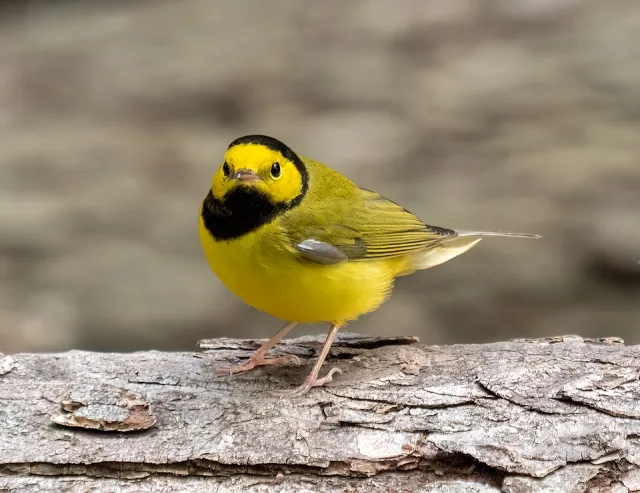
The Dauphin Island Audubon Bird Sanctuary is the heart of this activity. This 164-acre sanctuary, encompassing maritime forest, marshes, and beaches, contains the largest protected forest on the island. Here, exhausted migrants like Hooded Warblers, Scarlet Tanagers, Painted Buntings, and a spectacular variety of other colorful songbirds land in the coastal thickets and live oaks. Birders flock to the island each spring (typically late March through April) to witness this drama, with the sight of dozens of different species flitting through the trees providing an unforgettable experience.

Another crucial spot on the island is the Goat Tree Reserve and the Indian Shell Mound Park, which provide key wooded areas where migrants seek shelter and sustenance. The annual Dauphin Island Bird Banding Event offers visitors a rare, up-close look at the monitoring and conservation efforts crucial to understanding these migratory patterns.
Fort Morgan and the Western Shore
Just across the Mobile Bay entrance channel from Dauphin Island, the historic Fort Morgan peninsula offers another critical stopover site. The thick vegetation around the old fort and its adjacent wooded areas act as a classic migrant trap, often rivaling Dauphin Island in the sheer excitement of vagrant sightings.
However, Fort Morgan is perhaps most famous for its fall migration of raptors. As birds of prey—including various species of hawks, kestrels, and eagles—move south, hundreds can be observed tracking the coastline westward toward the narrowest point of the Gulf crossing. The open fields and coastal scrub here also provide important wintering habitat for various waterbirds and sparrows.
The western shore of Mobile Bay, including areas like Lightning Point in Bayou La Batre, also provides crucial marsh and mudflat habitat. These areas are essential for shorebirds and wading birds—species like Great Blue Herons, Snowy Egrets, Piping Plovers, and the long-distance migrant, the Red Knot. The presence of federally threatened species like the Piping Plover underscores the ecological significance of this coastal strip.

The Mobile-Tensaw Delta: "America's Amazon"
Moving north from the immediate coast, the Mobile-Tensaw River Delta—often called "America's Amazon"—forms the headwaters of Mobile Bay. This vast wetland complex, one of the most biologically diverse ecosystems in North America, provides a massive freshwater habitat that complements the saline coastal areas.
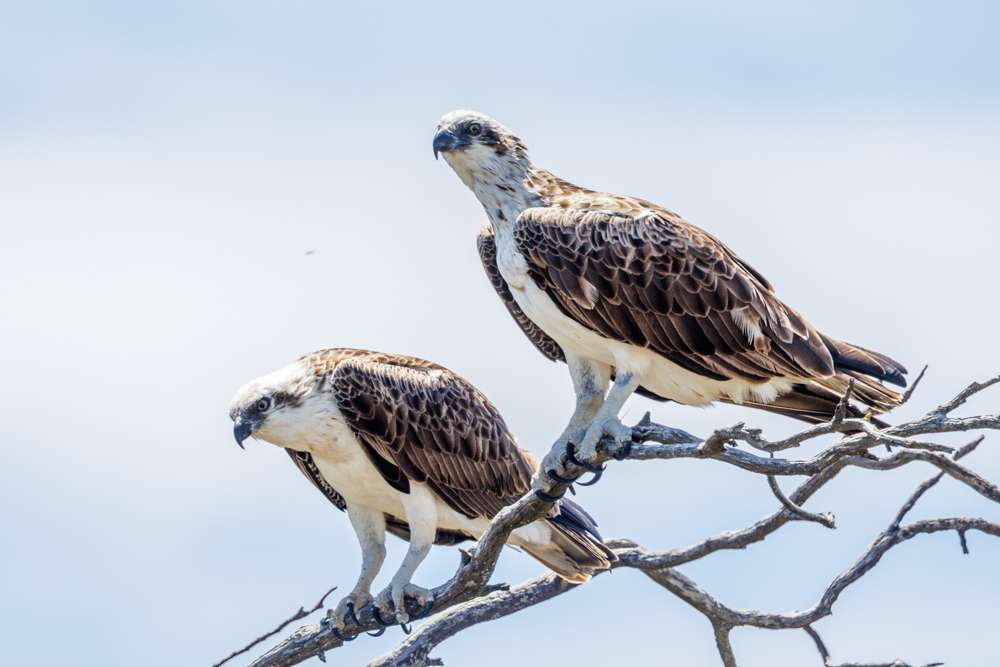
The Delta is a maze of bayous, swamps, and waterways where five major rivers converge. Birdwatching here focuses on species that thrive in freshwater and brackish environments. Wading birds are abundant, as are various species of ducks and geese in the winter months. Raptors are also a major feature, with Bald Eagles, Ospreys, and Red-shouldered Hawks common sights soaring above the cypress-tupelo swamps.

The 5 Rivers Delta Resource Center acts as a perfect gateway to this area, offering trails, observation decks, and educational resources. For the adventurous birder, a guided cruise through the Delta’s winding channels provides an unparalleled opportunity to see these riverine species in their secluded habitats.
The Eastern Shore and Inner Bay Habitats
The eastern side of Mobile Bay and the inner bay areas offer different but equally valuable stopover habitats. Sites along the Eastern Shore, such as Fairhope Municipal Pier and Meaher State Park, provide excellent viewpoints for observing gulls, terns, and wintering waterfowl on the bay's open water.
Crucially, areas like the Blakeley Island Mud Lakes are internationally known hotspots for shorebirds and waterfowl. The managed ponds and mudflats here, particularly when exposed during low tide, attract huge numbers of birds needing to forage and refuel before or after a migratory flight. These inner bay sites are particularly important for monitoring population health and trends due to the dense concentrations of feeding birds.

Conservation Challenges and the Future
Mobile Bay's role as a Gulf Coast migration stopover makes it incredibly valuable, but also highly vulnerable. The area faces ongoing threats from development, habitat loss, and the ever-present danger of oil spills and water quality degradation. The deep-seated importance of this region to hemispheric bird migration has driven significant conservation efforts.
Organizations like Alabama Audubon run the Coastal Bird Stewardship Program, which monitors and protects sensitive beach-nesting birds such as the Least Tern and Black Skimmer. Furthermore, projects funded by Deepwater Horizon natural resource damage settlements, such as the restoration of the Dauphin Island West End and the creation of new marsh habitat in the Upper Mobile Bay, are actively working to restore the resilience of these critical stopover sites.

The future of the Mississippi Flyway rests heavily on the continued protection of stopover sites like Mobile Bay. By safeguarding the coastal marshes, maritime forests, and unique delta wetlands, Alabama ensures that the millions of tiny travelers who pass through each year have the necessary resources to complete their arduous journeys, preserving the magnificent spectacle of migration for generations to come.
