
Birding is one of the most rewarding ways to connect with nature, and outdoor spaces are increasingly adopting universal design to ensure that birders using wheelchairs, rollators, or other mobility equipment can access world-class habitats. From wide, paved boardwalks to accessible viewing blinds, these 10 top-tier locations combine exceptional bird activity with well-maintained accessibility infrastructure.
1. Magee Marsh Wildlife Area (Oak Harbor, Ohio)
Accessibility Features: A famous 0.7-mile elevated wooden boardwalk that is fully flat, wide, and equipped with handrails and low viewing slots. Features ample van-accessible parking and accessible restrooms.
Target Birds: Spring warbler migration (over 35 species), Prothonotary Warblers, Bald Eagles, and waterbirds.
2. Anhinga Trail, Everglades National Park (Florida)

Accessibility Features: A 0.8-mile loop consisting entirely of smooth, paved asphalt and wide wooden boardwalks over marshland. Extremely gentle gradients and barrier-free viewing over open water.
Target Birds: Anhingas, Roseate Spoonbills, Wood Storks, Great Blue Herons, and Purple Gallinules.
3. Bosque del Apache National Wildlife Refuge (San Antonio, New Mexico)

Accessibility Features: Features a 12-mile gravel/paved auto-tour loop for excellent vehicle-based birding, along with fully accessible boardwalks leading to covered viewing blinds overlooking the impoundments.
Target Birds: Tens of thousands of wintering Sandhill Cranes, Snow Geese, and various waterfowl.
4. Jamaica Bay Wildlife Refuge (Queens, New York)
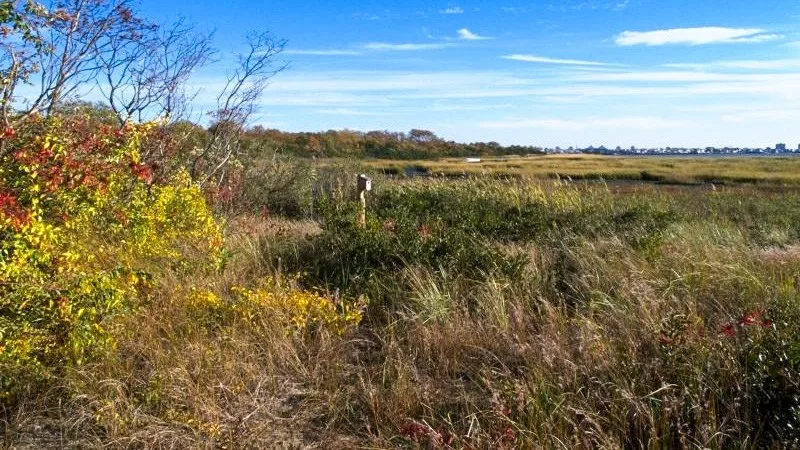
Accessibility Features: Paved paths surrounding the visitor center and a recently constructed, fully accessible viewing boardwalk over the salt marsh ponds. Includes accessible parking and mass-transit connections.
Target Birds: Brant, Glossy Ibis, peregrine falcons, and migrating shorebirds.
5. High Island Sanctuary / Boy Scout Woods (High Island, Texas)
Accessibility Features: Elevated canopy boardwalks designed with smooth ramps and wide turning radiuses, allowing wheelchair users to view warblers right at eye level during spring fallout events.
Target Birds: Cerulean Warblers, Scarlet Tanagers, Grosbeaks, and painted buntings.
6. Sweetwater Wetlands (Tucson, Arizona)

Accessibility Features: Features over a mile of wide, hard-packed crushed gravel and paved trails with flat topography, rest benches, and accessible parking facilities.
Target Birds: Vermilion Flycatchers, Harris’s Hawks, Cinnamon Teal, and wintering sparrows.
7. Cosumnes River Preserve (Galt, California)
Accessibility Features: The River Walk and Marsh Boardwalk trails offer paved and boardwalk access through oak riparian forest and seasonal wetlands, with accessible restrooms and paved parking.
Target Birds: Tundra Swans, Greater Sandhill Cranes, White-faced Ibis, and Northern Pintails.
8. Sapsucker Woods / Cornell Lab of Ornithology (Ithaca, New York)
Accessibility Features: Flat, wide boardwalks and hard-packed gravel trails weave around the pond and woods. The indoor visitor center offers floor-to-ceiling glass viewing over the lagoon with full wheelchair access.
Target Birds: Pileated Woodpeckers, Wood Ducks, Barred Owls, and forest songbirds.
9. Laguna Atascosa National Wildlife Refuge (Los Fresnos, Texas)

Accessibility Features: Offers accessible paved paths near the visitor center, specialized accessible photography/viewing blinds, and paved auto-tour roads winding through coastal prairie.
Target Birds: Green Jays, Great Kiskadees, Chachalacas, and Altamira Orioles.
10. Stone Lakes National Wildlife Refuge (Sacramento, California)
Accessibility Features: Home to the Blue Heron Trails—a fully accessible, flat 1-mile paved loop designed specifically for universal access, featuring low-profile viewing panels over managed wetlands.
Target Birds: Burrowing Owls, Northern Harriers, Ross’s Geese, and various shorebirds.
Key Tips for Mobility-Impaired Birders
Check the Birdability Map: Before visiting a new location, review the crowd-sourced Birdability Map (
birdability.org) for detailed user reports on slope grades, trail surfaces, and restroom door widths.Call Ahead for Auto-Tour Passes: Many national wildlife refuges offer entry passes or special vehicle access for mobility-impaired visitors on service roads that are otherwise closed to general traffic.
