
The American Birding Association (ABA) Checklist Committee released its official 2024 Report, incorporating major taxonomic and distributional decisions that will significantly impact birders across the ABA Area (which includes the continental U.S., Canada, Greenland, and adjacent waters). The report reflects the decisions of both the ABA Checklist Committee (ABA-CLC) for accepted vagrant species and the American Ornithological Society (AOS) North American Classification and Nomenclature Committee (NACC) for taxonomic changes.
The net effect is a flurry of notable changes, including additions from splits, a major lump, and the official acceptance of several new vagrants, bringing the total number of species on the ABA Checklist to a new high.
Key Species Additions and Deletions
The most significant changes to the list involved species splits, which add "new" countable birds, and one major lump, which removes one.
Splits: New Countable Species
Several splits, based on new genetic and morphological evidence adopted by the AOS, resulted in immediate additions to the ABA Checklist for birders who have seen the now-separated species.
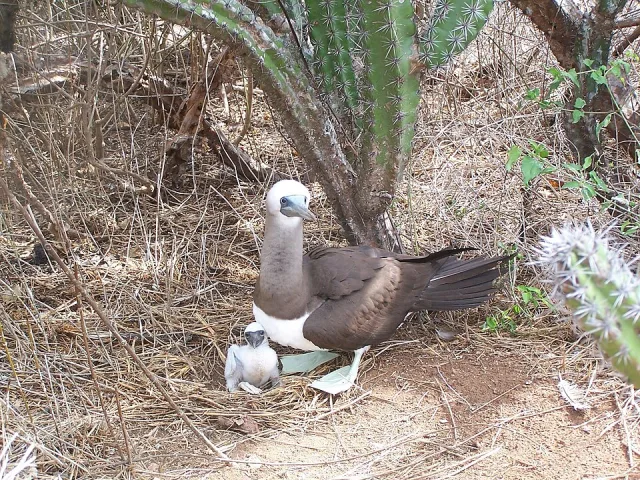
- Cocos Booby (Sula brewsteri): Previously considered a subspecies of the widespread Brown Booby (Sula leucogaster). The distinct population of Brown Boobies seen off the western coast of North America, characterized by white heads in adult males and bluish bare parts, has been elevated to a full species.
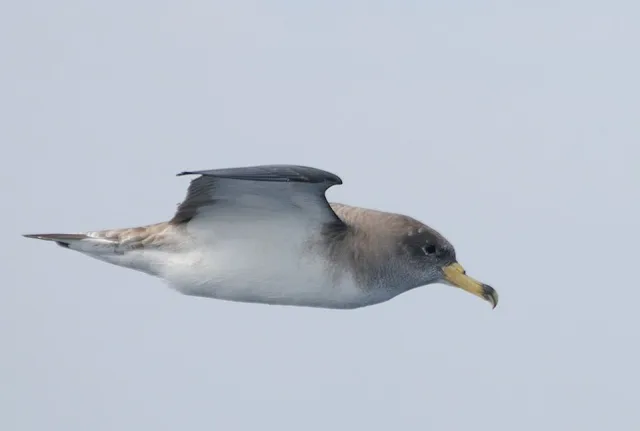
- Scopoli's Shearwater (Calonectris diomedea): This species was split from the former Cory's Shearwater (Calonectris borealis). The name Cory's Shearwater remains on the list but now applies to a different, newly restricted species group.
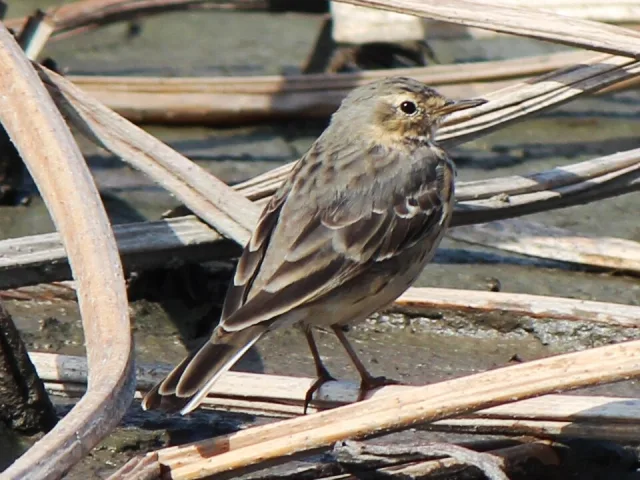
- Siberian Pipit (Anthus japonicus): This pipit, previously considered a subspecies of American Pipit (Anthus rubescens), has records in the western states and is now recognized as a separate species.
The Major Lump: Redpoll
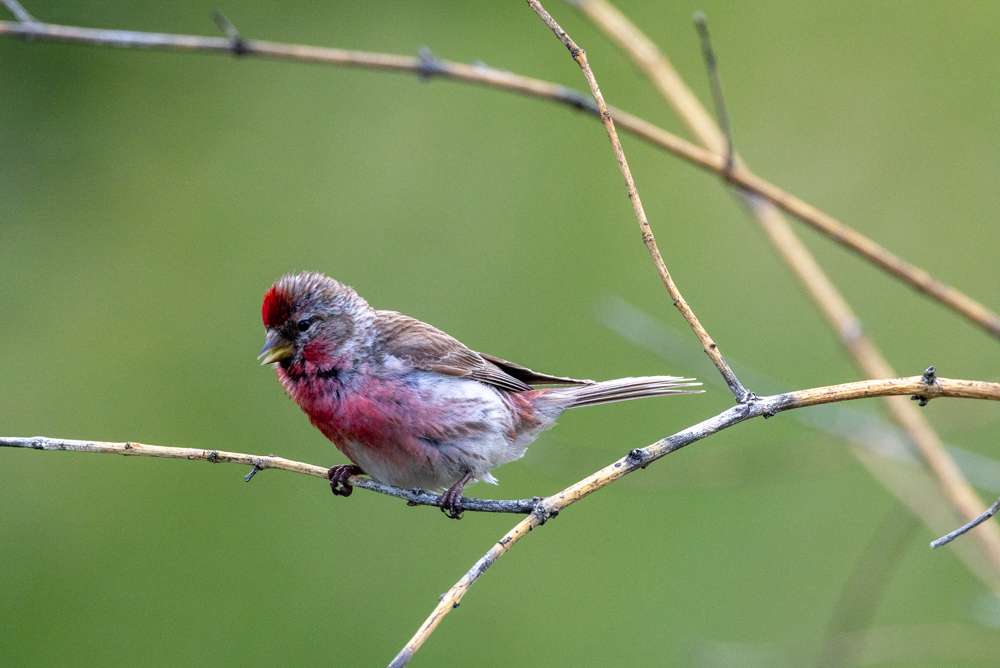
In a move that reduces the species count, the 2024 report adopted the AOS decision to lump all three North American redpolls into a single species: the Redpoll (Acanthis flammea).
- Hoary Redpoll (Acanthis hornemanni) and Common Redpoll (Acanthis flammea) are now considered to be a single, highly variable species, based on evidence suggesting that the differences in plumage and size are clinal and the result of a single genetic sequence change that doesn't prevent interbreeding.
- This effectively removes Hoary Redpoll from the ABA Checklist as a distinct species.
Acceptance of Confirmed Vagrants
The ABA-CLC reviews records of birds that have only occurred a few times in the ABA Area. The 2024 report officially added two new species based on photographic and observational evidence:
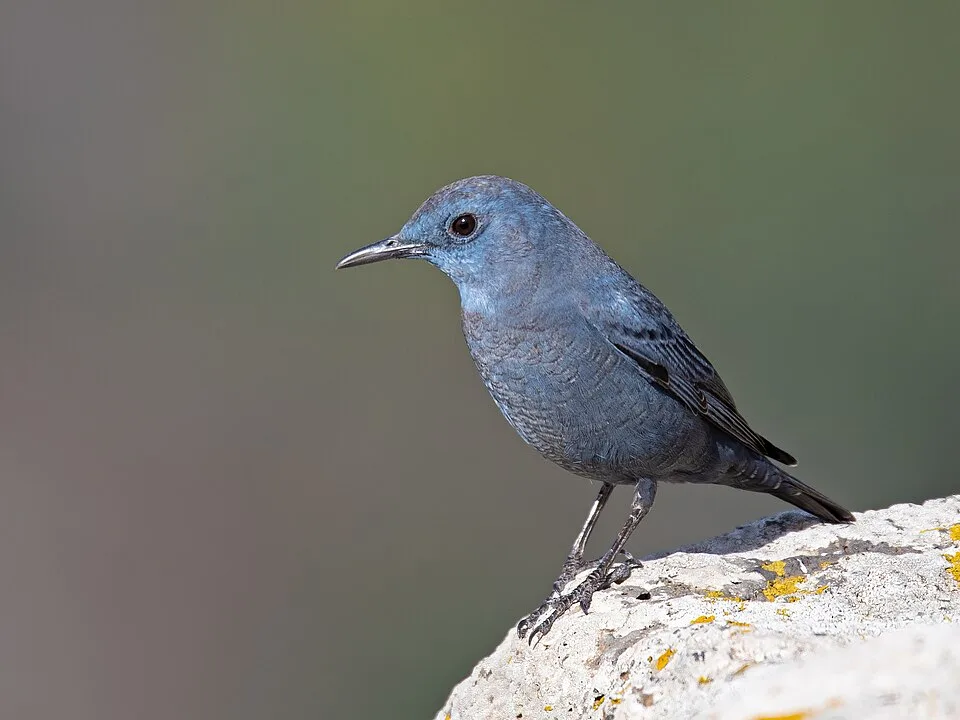
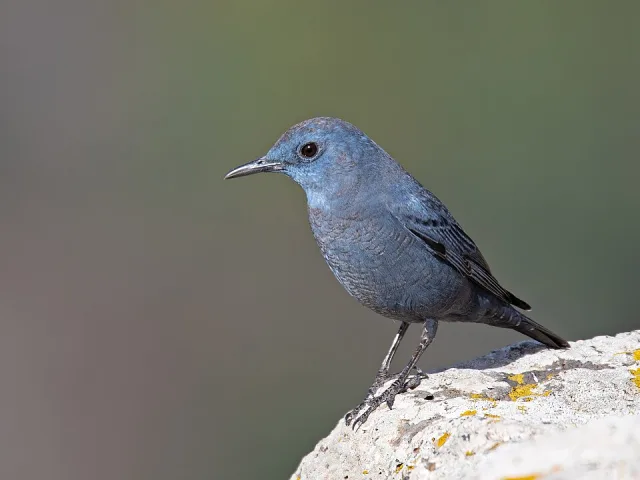
- Blue Rock-Thrush (Monticola solitarius): Accepted based on records of one or two birds seen in both Oregon and California in April 2024.
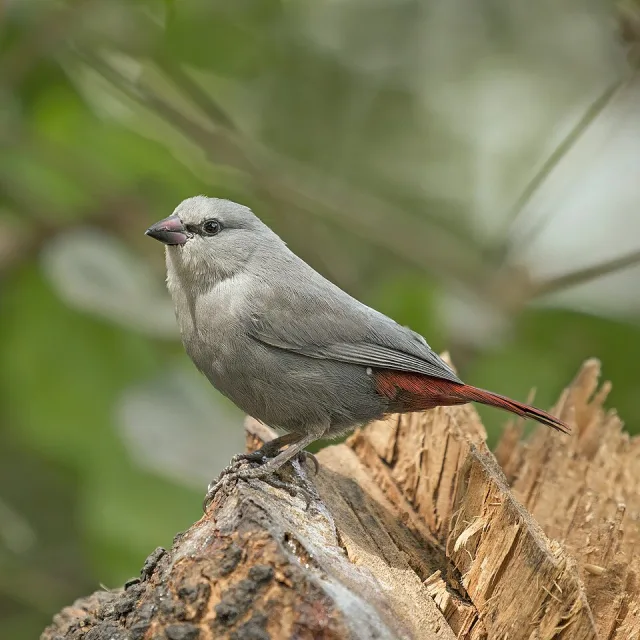
- Lavender Waxbill (Glaucestrilda caerulescens): Accepted as an established exotic species in the Hawaiian Islands. Its population on Hawai'i Island was deemed self-sustaining enough to warrant addition to the main checklist.
The committee also considered, but did not accept, the record of a Cattle Tyrant (Machetornis rixosa), highlighting ongoing philosophical discussions within the committee regarding the acceptability of ship-assisted vagrants.
Common and Scientific Name Changes
Beyond the splits and lumps, the ABA Checklist was updated to conform with the AOS's annual changes to common and scientific names, which help to standardize taxonomy and linear sequence.
- Name Alignment: The checklist saw 10 changes to English names and 14 changes to scientific names to align with the AOS's 65th Supplement.
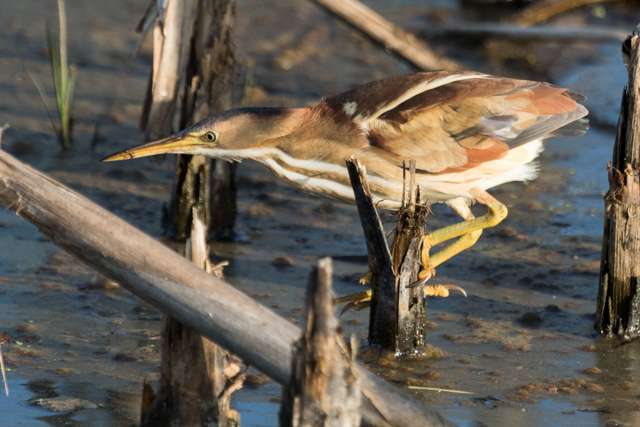
- Notable Shifts: Several species were moved into new genera, including the Least Bittern (Botaurus exilis), which was moved from Ixobrychus to Botaurus. This type of change affects the bird's scientific name and its location in the checklist sequence but not its common name.
The Total Tally
Incorporating the additions from the vagrants and splits, and accounting for the deletion from the redpoll lump, the ABA Checklist reached a new milestone.
Looking Ahead
These annual changes reinforce that the ABA Checklist is a dynamic document continually updated by scientific research and documented records. The 2024 report provides birders with new targets, revises the status of familiar winter visitors, and continues the trend of taxonomic splits that often increase the total species count. For birders maintaining a life list, the 2024 changes required a notable audit to accurately reflect the latest scientific consensus.
The Voice of the Eastern Woods: A Profile of the Tufted Titmouse
